
Review · TOKYO SUMO EXPERIENCES
Tokyo Walking Tour : Sumo, Sushi, Tea, Temples and Tokyo Tower
Morning sumo, then sushi and temples. This tour strings together real sumo practice at Arashio Beya (when training is on), standout food time around Tsukiji, peaceful pauses at Hama Rikyu and Zojoji, and an end-game photo stop at the Tokyo Tower observation deck.
Two things I really like about it: you get a structured day with a local English-speaking guide, and the itinerary balances high-energy Tokyo food with calm, hands-on cultural moments like tea and sutra copying. One drawback to consider up front: the sumo schedule can change, and during Grand Sumo Tournament weeks in January, May, and September, training may be closed, meaning you might not see sumo.
You walk for hours outdoors, using public transport, so comfortable shoes are non-negotiable. This is also a small group experience (max 15), which makes it easier to keep your bearings and stay on track without feeling like you are sprinting with a crowd.
Key Highlights You Can Plan Around
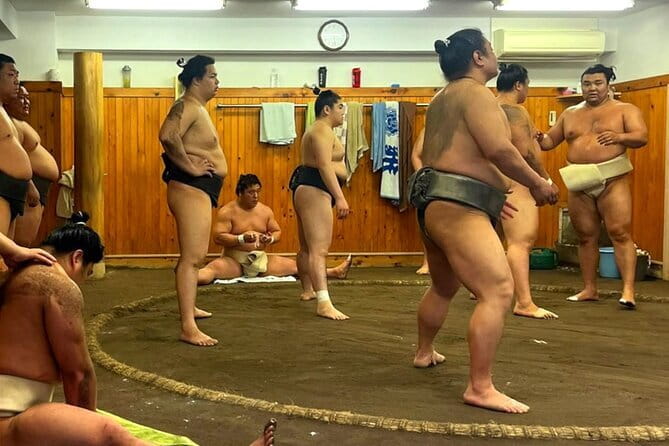
- Arashio Beya sumo training with a real training-room experience, subject to schedule changes
- Tsukiji Outer Market guided time plus free exploration and plenty of opportunities to taste
- Hama Rikyu Gardens tea house stop built into the flow of the morning
- Zojoji Temple sutra copying for a hands-on moment at a major Tokyo temple complex
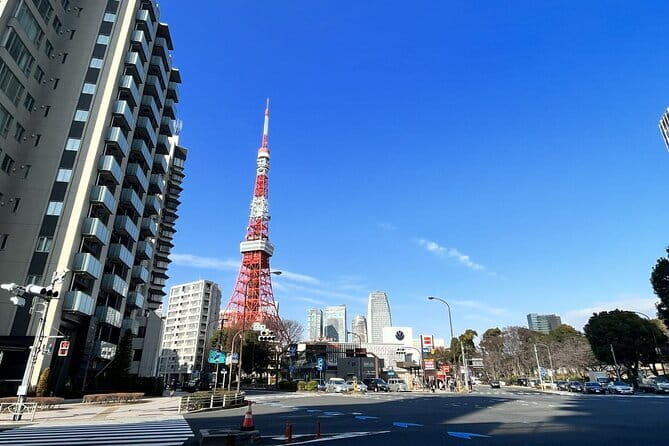
- Tokyo Tower ticket included for classic views and retro architecture
- Small group size (15 max) with a local English-speaking guide and a mobile ticket
How This Tokyo Tour Feels From the First Step
This is a true walking tour day, not a sit-and-watch from a vehicle kind of tour. You start at Hamacho Station at 8:15 am and end near Akabanebashi Station after about 8 hours 15 minutes, with several hours outdoors along the way.
What makes it work is the mix of pace. You will have moments that feel like Tokyo at full speed (Tsukiji food time), then planned breathing room (Hama Rikyu Gardens), then a quiet, focused activity (sutra copying at Zojoji). The finale at Tokyo Tower helps you cap it all with an easy payoff, since your ticket is included for the observation deck.
Also, this tour runs without a private vehicle. That means you rely on public trains as you go. The good part is that you learn how this part of Tokyo connects. The tradeoff is you need to be ready to walk, move, and transition at a human pace.
You can also read our reviews of more walking tours in Tokyo
Arashio Beya Sumo Training: The One Stop That Can Make or Break Your Photos
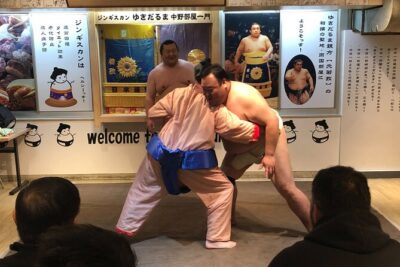
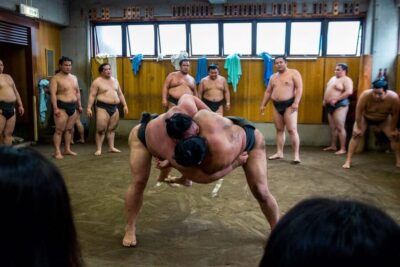
Your day begins at a traditional sumo training room, Arashio Beya. The promise here is simple and exciting: you can watch sumo train, and you get a free admission ticket for the stop. There is also a real-world reminder included in the tour terms, and I think that is important to take seriously.
This is not a staged show. The sumo cannot be disturbed, so you need to follow your guide’s instructions and keep the vibe respectful. You are there for training, not performance, so your expectations should be calm observation rather than action on demand.
Now the big consideration: the sumo schedule is subject to change. Sometimes the wrestlers may not be training, so you might not see sumo. And training is closed during certain weeks when the Grand Sumo Tournaments take place, specifically in January, May, and September.
If seeing sumo is your top priority, I would book with a flexible mindset. Even if training is limited, you still get the rest of the itinerary that anchors the tour: Tsukiji market time, gardens, tea, a major temple complex, and Tokyo Tower.
Tsukiji Outer Market: Sushi and Street Food Time That Still Feels Guided
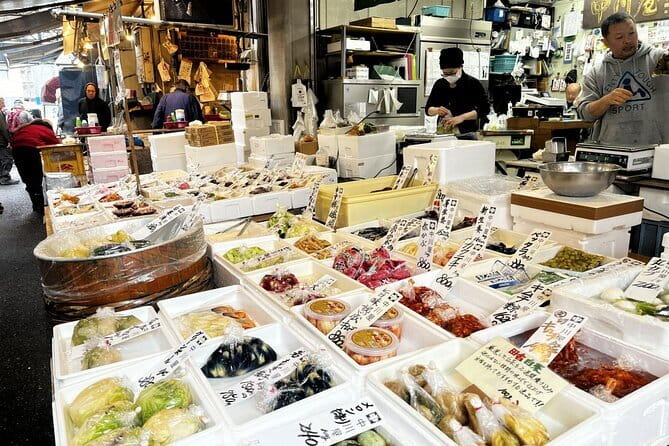
Next up is Tsukiji Outer Market, where your tour shifts into food mode. You get a guided introduction plus sampling opportunities, and then you have free time to explore at your own pace, take pictures, and shop.
This stop is scheduled for about 1 hour 30 minutes. That length is long enough to get oriented and try a couple of things without turning into a rush. It also matters that it is the Outer Market area, where you can actually wander and choose what calls to you.
Food and drink are not included on the tour, so you will pay for what you eat. The practical tip is to treat the guided part as your ordering compass. Let the guide point you toward what is freshest and where to look for the best street food-style bites. Then use your free time to repeat what you loved or try one “safe curiosity” item.
If you are hungry but budget-conscious, go in ready to control portion sizes. A guided tasting approach usually means you will not leave empty-handed, but it still depends on what you choose to buy afterward.
Hama Rikyu Gardens Tea House: A Calm Reset in the Middle of Tokyo
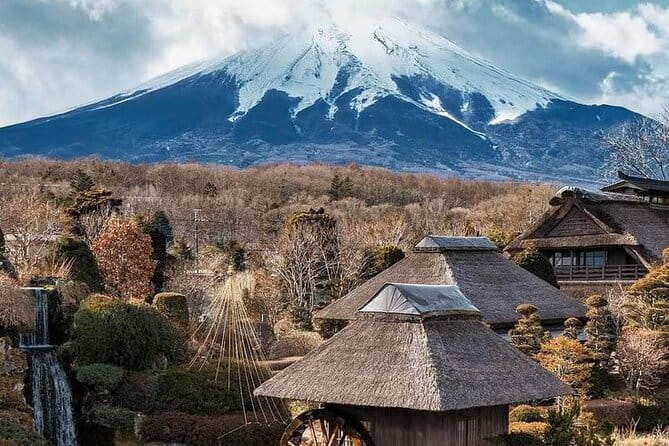
After market energy, you head to Hama Rikyu Gardens, scheduled for about 1 hour 20 minutes. Here you get a guided introduction to the garden and its history, plus time to enjoy it on your own before you meet back up for the tea house experience.
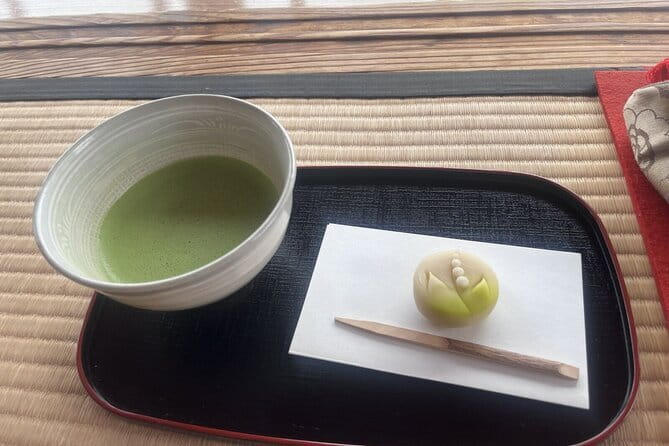
The tea house stop is included. It is described as a traditional tea and sweet experience. In practice, this is one of those smart tour decisions: it prevents your day from being only “go, go, go.” A garden pause gives your brain a breather, and the tea gives you a simple way to slow down without needing to plan anything yourself.
This is also a place where you can notice Tokyo’s blend of old and new without having to think too hard. You are still in the city, but the garden setting makes the day feel less hectic. If you tend to get tired halfway through sightseeing, this stop is often the difference between a great day and an overstuffed one.
Bring a little patience. Even in a timed tour, gardens take a few minutes to absorb. Walk at a slower pace here, because it is one of the best chances all day to stop reacting to crowds and start noticing details.
Zojoji Temple and Sutra Copying: Hands-On Calm, Not Just Photos
Zojoji Temple is next, with about 1 hour allotted. You get a tour of the temple and its history, and the stop includes a sutra copying experience at the temple. Admission for this is included too.
The value here is the kind of moment most sightseeing days skip. You are not only looking. You are doing something small, focused, and different from shopping or eating. The sutra copying is an activity fee that is already built into your tour, so you do not have to hunt down how to participate.
I would expect this to be a quiet, instruction-based segment. You might spend some time preparing or following guidance, and then writing/copying at your own pace as part of the experience. Even if you are not into religion, it is a useful “reset” because your hands have a job and your attention settles.
A good way to get more out of it: slow your breathing and treat it like a mini meditation. You are allowed to be curious without needing to force meaning. The goal is the act itself and the pause it creates inside a packed day.






Tokyo Tower: Your Included Ticket to the Retro View Finale
Your last stop is Tokyo Tower, where you get to visit the observation deck with a ticket included. This segment runs about 1 hour 15 minutes.
If you like classic Tokyo symbols, Tokyo Tower is an easy win. You get time to take in the sights, and it is also described as having a retro feel in its architecture. That matters because it is not just “more skyline views,” it is also a photogenic landmark with character.
This is also where the whole day clicks together. Earlier you have seen sumo training, market food, gardens, and a major temple complex. At the tower, everything turns into perspective. You get a sense of scale, distance, and how these neighborhoods connect.
Because the ticket is included, you can plan your budget better. The only “cost” is time and your energy. Try to pace yourself so you are not exhausted when you reach this stop.
Transportation and Timing: Walking on Purpose, Not Just Because It Happens
This is a public transport tour with a built-in train fee from Ningyocho Station to Tsukiji Station. That is helpful because it removes one logistical headache. But transport before and after the tour is not included, so you still need a plan for getting from your hotel to Hamacho Station and for returning after you finish near Akabanebashi Station.
The tour also includes the reality that several hours are spent walking outdoors. So, wear shoes you trust. Bring water if you run hot. Also, think about how your body handles transitions. Market stops can get stop-and-start, then gardens ask for slower movement, then temple areas are often less about speed.
The good part: the itinerary is scheduled stop-by-stop with realistic time blocks. You are not expected to sprint between wildly distant places. Still, Tokyo’s station layouts can be a little maze-like, so give yourself margin and listen to your guide.
Small group size helps here. With a maximum of 15 travelers, the pace stays manageable and you are less likely to feel lost in a large herd.
Price and Value: What $166.85 Really Buys You

The price is listed as $166.85 per person, with the tour about 8 hours 15 minutes long. That sounds specific enough to compare against other Tokyo tours, and the value comes from what is actually included versus what you still control.
Included items that matter most for value:
- Sento ride portion: train fee from Ningyocho Station to Tsukiji Station
- Hamarikyu Gardens admission
- Hamarikyu Gardens tea house experience (tea and sweet)
- Zojoji Temple sutra copying experience fee
- Tokyo Tower ticket
- Local English-speaking guide
Not included:
- Trains and transport before and after the tour
- Food and drink
So you are paying for guided movement and key entry/activity costs, not for all your meals. That is a fair setup because Tokyo food can vary a lot in price and style. It also gives you flexibility to eat what you actually like rather than getting locked into whatever a package decides is best.
If you budget around the places you eat, this tour can be a strong value. If you expect every bite to be covered, you will need to adjust. My practical advice: set aside spending money for Tsukiji market food and any lunch or snacks you decide to buy.
Who This Tour Suits Best (and Who Might Want a Different Day)
This tour fits best if you want a structured first-time Tokyo day that covers very different “Tokyo moods” in one go. You will get:
- sumo practice viewing (when training is available)
- market food time at Tsukiji
- gardens plus tea house calm
- a major temple stop plus sutra copying
- Tokyo Tower views to cap the day
It is also a good choice if you like learning while you walk. One review notes that the guide experience can be strong, with a guide named Jade blending personal anecdotes and Japanese history in a way that made the tour feel connected rather than like a checklist.
Who might consider something else?
- If you are traveling in January, May, or September, and sumo sighting is your non-negotiable goal, be aware the tour’s own terms say training can be closed during Grand Sumo Tournament weeks.
- If you hate walking outdoors for several hours, this day may feel like too much.
My Booking Recommendation: Yes, With the Right Expectations
I would book this tour if you want a single day that hits the big Tokyo landmarks and experiences, with tickets and hands-on activities included. The combination of Hama Rikyu tea, Zojoji sutra copying, and Tokyo Tower makes it more than a simple highlights drive.
That said, book with one mental checkbox: sumo is not guaranteed. The schedule can change, and during Grand Sumo Tournament weeks in January, May, and September, training can be closed. If you are okay with that reality and you still want the full arc of food, gardens, temple time, and Tokyo Tower, this is a very solid way to spend a day in Tokyo.
If you are the kind of traveler who plans a day around one emotional moment, treat sumo as the bonus, not the only reason to go.
FAQ
How long is the Tokyo Walking Tour : Sumo, Sushi, Tea, Temples and Tokyo Tower?
The tour duration is about 8 hours 15 minutes.
What is included in the tour price?
Included items are the train fee from Ningyocho Station to Tsukiji Station, admission for Hamarikyu Gardens, the Hamarikyu Gardens tea house experience, the Zojoji Temple sutra copying experience fee, the Tokyo Tower ticket, and a local English-speaking guide.
Is food and drink included?
No. Food and drink are not included, so you will need to budget for what you eat and drink during free time.
Can I always see sumo wrestlers training?
No. The sumo schedule can change, and sometimes the wrestlers may not be training, so you might not see sumo. Training is also closed during certain weeks in January, May, and September when Grand Sumo Tournaments are being held.
Where does the tour start and end?
The tour starts at Hamacho Station and ends at or near Akabanebashi Station.
How large is the group?
The tour has a maximum group size of 15 travelers.
More Walking Tours in Tokyo
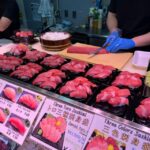
More Tours in Tokyo
More Tour Reviews in Tokyo
Not for you? Here's more nearby things to do in Tokyo we have reviewed












Tokyo Sumo Experiences, side by side.
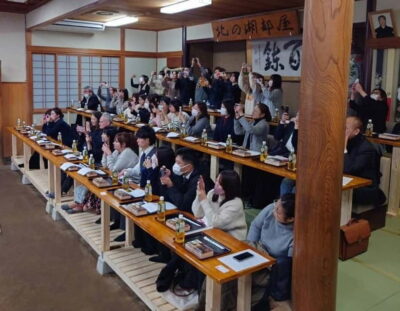 ★ 4.8Sumo Show and Dining ExperienceFrom $792,742 reviews
 ★ 5.0the SUMO showFrom $891,960 reviews
 ★ 5.0Tokyo Shinjuku Sumo Show & Experience with PhotoFrom $791,750 reviews
 ★ 4.8Sumo Show and Experience in ShinjukuFrom $691,001 reviews
 ★ 4.7Luxury Sumo Show Experience & Japanese cuisine & DrinkFrom $103577 reviews
 ★ 4.8Sumo Morning Practice Viewing TourFrom $81570 reviews
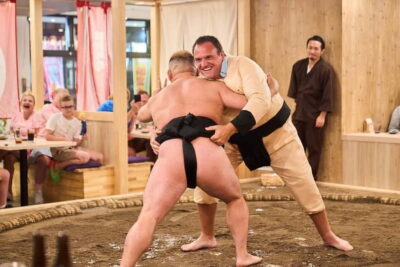 ★ 4.8Tokyo Sumo Experience: Chanko & Mochi with a Former ProFrom $103567 reviews
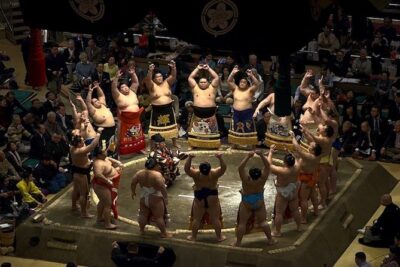 ★ 5.0Ultimate Sumo Tournament: Tokyo, Osaka, Nagoya, FukuokaFrom $184468 reviews
This tour also belongs to