
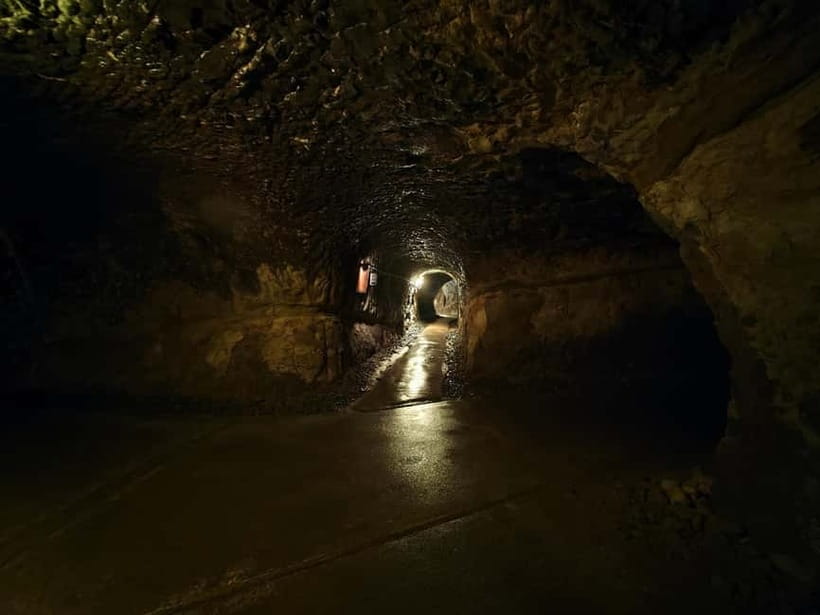
Review · KAMAKURA DAY TRIPS
Kamakura Zen: Great Buddha, Nature, Bamboo & Samurai Culture
Temples, samurai spirit, and bamboo calm. I really like the way this route pairs Great Buddha awe with a quiet bamboo forest reset. The trade-off is that it is a fixed group plan with real walking, plus some stairs, so comfy shoes are non-negotiable.
You get an English guide, and the vibe is clearly personal, with locals like Deen leading the way and sharing context as you go. I also like that you can try the optional matcha at the bamboo stop, and you get photos taken for you during the tour.
Key things I’d prioritize before booking
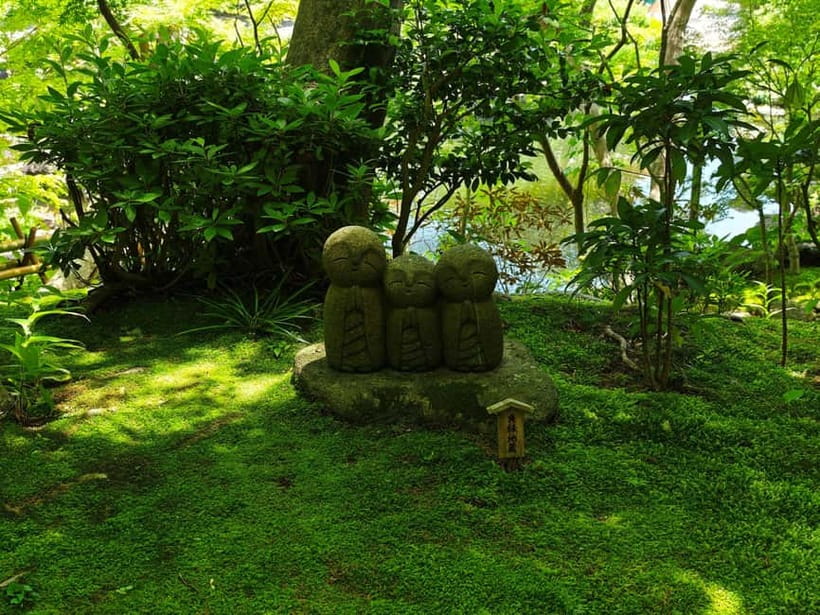
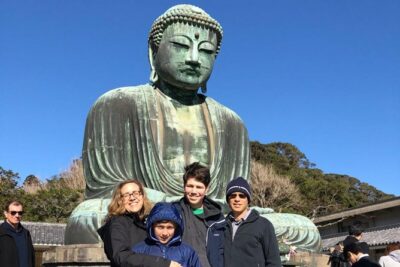
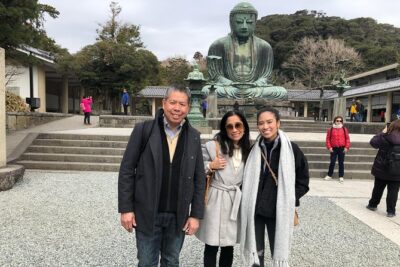
- Kotoku-in Great Buddha sets the tone right away, with an iconic stop early in the route
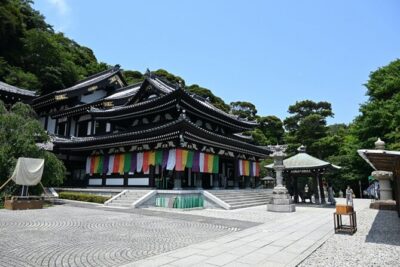
- Hase-dera blends Zen temple calm with major sights, including the Kannon statue and Benzaiten cave
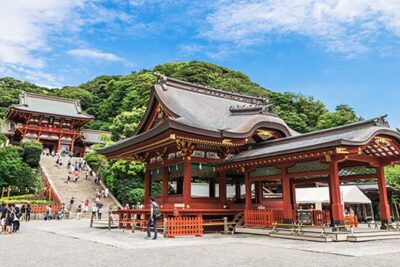
- Tsurugaoka Hachimangu brings in samurai culture at Kamakura’s spiritual and historical center
- Hokokuji bamboo forest is your quiet reset, with a matcha tea experience as an optional add-on
- Komachidori Street finishes with easy, practical shopping and local snack time
- Photos taken for you means you spend less time asking strangers and more time walking
Where the tour starts, and why that matters in Kamakura
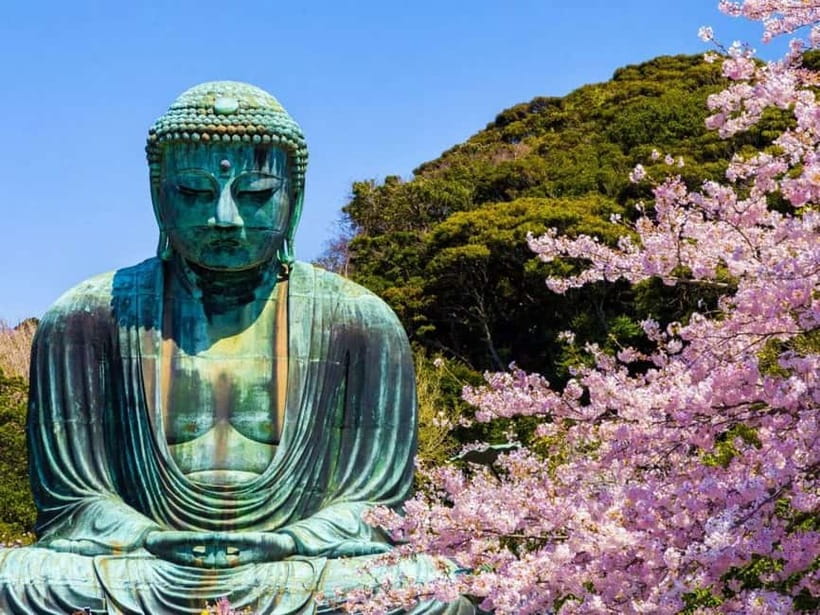
This tour starts and ends at the Kamakura City Tourist Information Center, on the East Exit side of Kamakura Station. After you pass through the ticket gates, turn left and look for the tourist office just ahead.
That location is a smart move. Kamakura can feel like a pick-your-own-adventure city, and having a single easy anchor point keeps your half-day from turning into a transport scavenger hunt. Also, the tour asks you to arrive about 10 minutes early so you are on-time for departure.
You can also read our reviews of more tours and experiences in Kamakura.
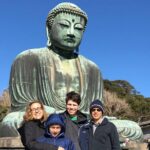
Getting to Kotoku-in: Great Buddha first, no waiting around
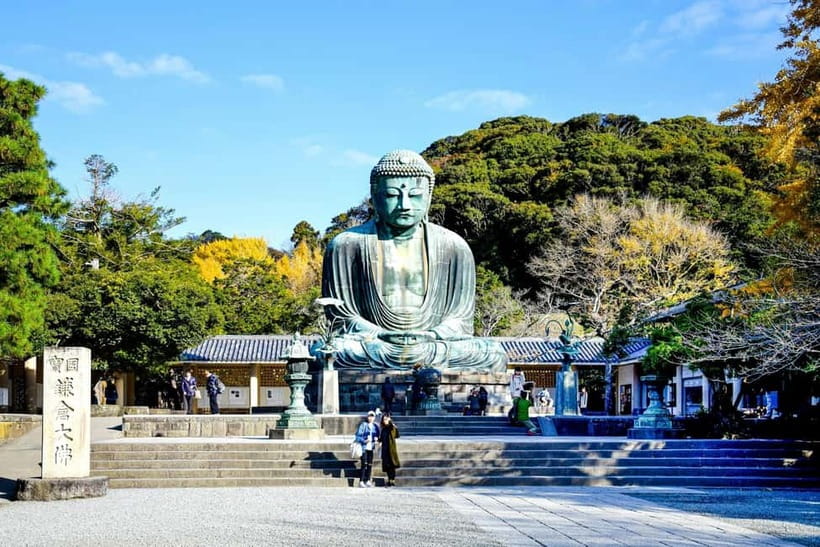
The route begins with a short bus or coach hop, about 10 minutes, then you settle into Kotoku-in for around 30 minutes. Starting with the Great Buddha is a good call, because it gives you a big, clear highlight early while your legs are still fresh.
Kotoku-in is famous for its monumental Buddha presence. Even if you do not know the details of Buddhist iconography, the scale tends to hit right away, and the stop works well for photos without needing a lot of extra planning.
If you are the type who likes momentum, this is the point where the tour earns your attention. You get a landmark start, then the rest of the day slows down into temples, gardens, and bamboo quiet.
Hase-dera Zen spaces: Kannon, gardens, and Benzaiten cave
Next you head on foot for about 5 minutes to Hase-dera, with about 45 minutes here. This is one of the most atmospheric stops in the day because it is not just a single statue. It is the way the temple experience spreads out into tranquil gardens, calming Zen spaces, and layered points of interest.
A major highlight is the Kannon statue. Kannon is one of the best-known figures in Japanese Buddhism, and at Hase-dera you are not just looking at a subject, you are walking through a setting designed for slower attention.
You also get Benzaiten’s cave, which adds a different mood than open garden viewing. It is a reminder that temple complexes often mix wide scenic areas with tucked-away spiritual spaces. If you like variety within a single stop, Hase-dera does it well.
Practical note: expect some stairs and uneven temple-area foot paths. You do not need hiking gear, but you do need shoes you trust.
Tsurugaoka Hachimangu: the samurai center of Kamakura
After a tram ride of about 10 minutes and another short coach segment of about 10 minutes, you arrive at Tsurugaoka Hachimangu for around 30 minutes. This is the point where the tour adds the samurai layer you came for.
Tsurugaoka Hachimangu is described as the heart of Kamakura’s warrior past, and that framing matters. Kamakura is often marketed as a beach town with a few temples, but this shrine makes it clear the city also has a deep political and military identity.
If you are hoping to connect the dots between Japan’s past and the places you walk through, this stop helps. The shrine gives you context for the rest of the day, even when you later shift into bamboo quiet.
And because you spend a solid chunk of time here, you do not feel rushed. It is enough time to look up from your phone and actually read the story around you.
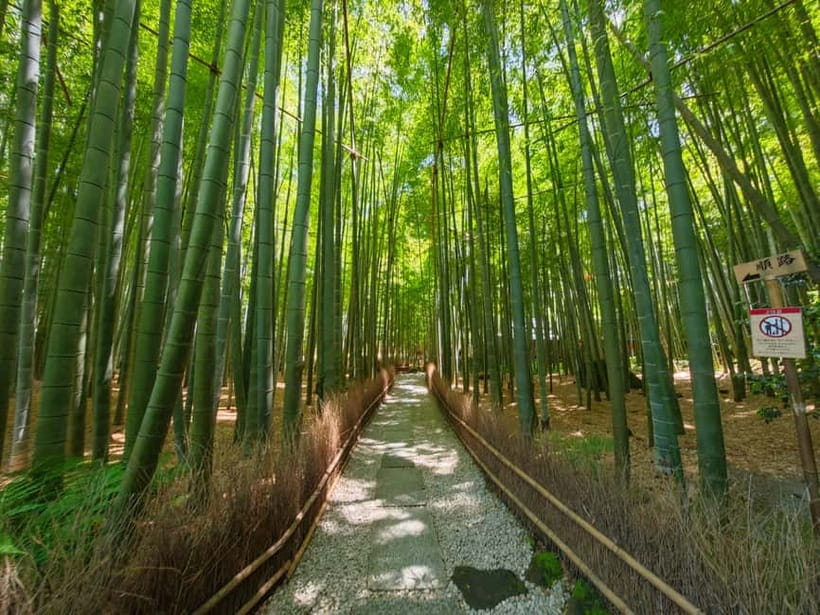
Hokokuji bamboo forest: quiet walking and an optional matcha moment
Then you switch to the calm. You head to Hokokuji Temple area with a short bus ride of about 5 minutes, and the centerpiece is the hidden bamboo forest for around 30 minutes.
This is where the tour feels like it changes gears. The day shifts from major historical sights into a quieter, more personal atmosphere. The phrase hidden bamboo grove fits the experience, because the sense you get is not of a theme-park bamboo wall. It is more like a pocket of stillness you stumble into after leaving busier temple zones.
In the bamboo forest, you also have an optional matcha tea experience. If you like tea culture, this is one of those small add-ons that makes the stop feel complete. If you are not into it, you can still enjoy the setting, because the bamboo is the main event.
Time here is intentionally limited. You get enough to slow down and let your brain cool off, without burning your whole half-day on one spot.

Komachidori Street after temples: snacks, souvenirs, and easy strolling
To wrap up, the tour returns to more everyday Kamakura life at Komachidori Street. You get about 30 minutes here, with time to browse and shop, plus plenty of chances to grab snacks.
This ending matters for a few reasons. First, it gives you something practical to do after temples, where you may be mentally full but still want to bring something home. Second, it helps you transition from quiet Zen mode into real street energy.
Komachidori is the kind of place where you can stop without committing to a full meal. Think souvenirs, small bites, and old-town charm that feels rooted in normal local routines rather than a museum-like pace.
Timing and logistics: how the 4 hours usually feel
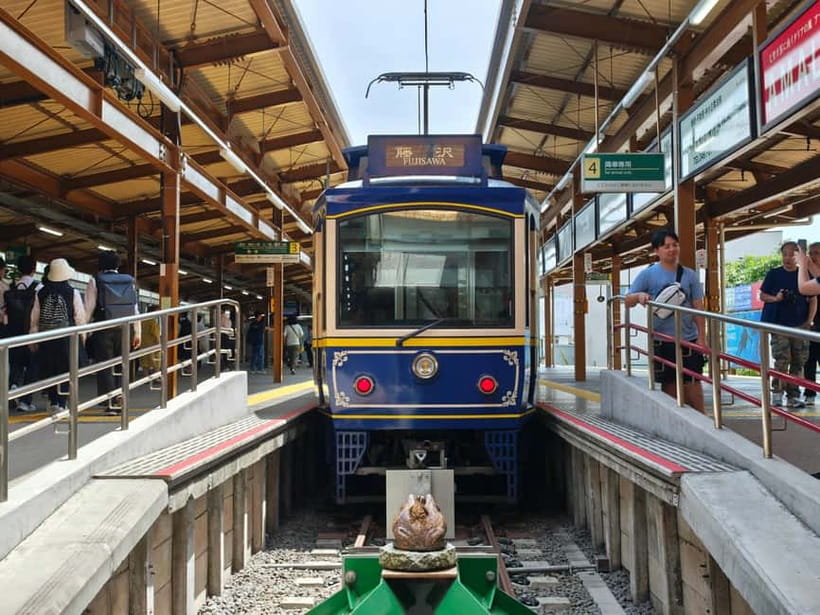
The full tour runs about 4 hours, and the route moves by a mix of short bus or coach legs, a tram ride, and walking segments. A quick scan of the day shows it is structured to reduce backtracking, which is especially helpful if you are not staying near the temple areas.
Here is the rhythm in plain terms:
- A quick start by public transport to Kotoku-in
- Walking and transit between temple clusters
- One longer calm chunk in the bamboo forest
- A final street segment for snacks and shopping
Because it is a public group tour with a fixed itinerary, you should not expect flexibility to linger somewhere longer than planned. If you hate being on a schedule, this may not be your kind of tour. If you like a guided plan that prevents wasted time, it is a strong fit.
The tour runs rain or shine. So if the weather is questionable, it is worth bringing an umbrella or a light rain layer, plus sunscreen for clear days.
Price and value: what $64 covers, and what it does not
At $64 per person for about 4 hours, the value comes from what is included, not just the sightseeing list. Your entry tickets to all temples and shrines are included, which can add up fast when you start stacking multiple sites in one half-day.
You also get:
- A friendly local expert guide in English
- Photos taken for you during the tour
- Optional matcha tea at the bamboo forest
What is not included is equally important. You will pay transportation fares for train or bus use to and during the tour. The itinerary includes public transport legs, but the ticket costs are on you.
If you are the type who enjoys knowing what you are looking at, a guided format is money well spent. You are not just getting access, you are getting interpretation as you move from Great Buddha to Zen temples to a samurai shrine.
Who this tour suits best, and who should think twice
This tour is a strong match if you want a balanced mix of nature, history, and culture in one half-day plan. It works especially well for people who like both sides of Kamakura: the serene temple spaces and the warrior-era context.
It is also ideal for first-timers. You get the big hits in the right order, with a guide to help you make sense of what each place is saying.
Two practical considerations:
- The tour is not suitable for wheelchair users
- You will do walking and some stairs, so you should plan for that level of movement
If you prefer totally independent exploring, you might feel a fixed route is limiting. But if you want less decision-making and more meaningful site-to-site flow, this route is built for you.
The guide makes a difference, and it shows
The tour experience is clearly shaped by the guide. The standout detail from the English-guided format is the human side, including knowledge delivered in a way that stays connected to the sites.
In particular, people have highlighted Deen for being personable and well-informed about the history tied to the exact stops you visit, plus Japanese culture in general. That kind of guide does more than recite facts. It helps you notice details you might otherwise miss, and it keeps the day from feeling like a checklist.
There is also a practical touch: photos taken for you during the tour. It may sound small, but it changes your pacing. You spend less time stopping for shots and more time walking through the places.
Should you book this Kamakura Zen and Samurai tour?
Book it if you want a guided half-day that connects Great Buddha, Zen temples, samurai-era shrine culture, and the calming reset of bamboo. The included temple entry tickets and the guide support make the $64 feel more like an all-in experience than just a tour of stops.
Skip it or consider alternatives if you know you need total flexibility, or if you struggle with walking and stairs, since the route is set and the day runs rain or shine.
If you are visiting Kamakura and want your time to feel organized, meaningful, and surprisingly peaceful, this is a very sensible choice.
FAQ
Where is the meeting point?
The meeting point is the Kamakura City Tourist Information Center at the East Exit of Kamakura Station. After you pass through the ticket gate, turn left and the tourist information center is just ahead.
How long is the tour?
The tour duration is 4 hours.
Is the tour guide available in English?
Yes, the tour includes a live English guide.
What is included in the price?
The price includes entry tickets to all temples and shrines, a friendly local expert guide, photos taken during the tour, and an optional matcha tea experience at the bamboo forest.
Is transportation included during the tour?
No. Transportation (train or bus fare to/from and during the tour) is not included.
Is the matcha tea experience required?
No, the matcha tea experience at the bamboo forest is optional.
Will the tour run in bad weather?
Yes. The tour runs rain or shine.
Is the tour wheelchair accessible?
No. The tour is not suitable for wheelchair users.
What should I bring and wear?
Wear comfortable shoes, bring water, and bring cash. The tour includes walking and some stairs, and you should be prepared for weather changes since it runs rain or shine.
More Tour Reviews in Kamakura
Not for you? Here's more nearby things to do in Kamakura we have reviewed

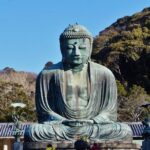

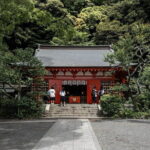

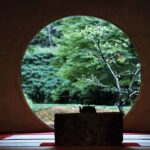
Kamakura Day Trips, side by side.
 ★ 4.5Kamakura & Enoshima Day Trip including Temple TicketsFrom $581,375 reviews
 ★ 4.5Mt. Fuji, Kamakura, Big Buddha, & Lake Ashi Day TripFrom $49867 reviews
 ★ 4.5From Tokyo: Kamakura & Enoshima 1-Day Bus TourFrom $66189 reviews
 ★ 5.0Kamakura Historical Walking Tour with the Great BuddhaFrom $98129 reviews
 ★ 5.0Kamakura Private Tour: Temples, Nature, and the Great BuddhaFrom $98121 reviews
 ★ 5.0Kamakura Walking Tour – The City of ShogunFrom $35100 reviews
 ★ 5.0Kamakura 8 hr Private Walking Tour with Licensed Guide from TokyoFrom $20180 reviews
 ★ 4.1Kamakura & Enoshima Day Tour with Pickup & Train RideFrom $1361 reviews
This tour also belongs to