
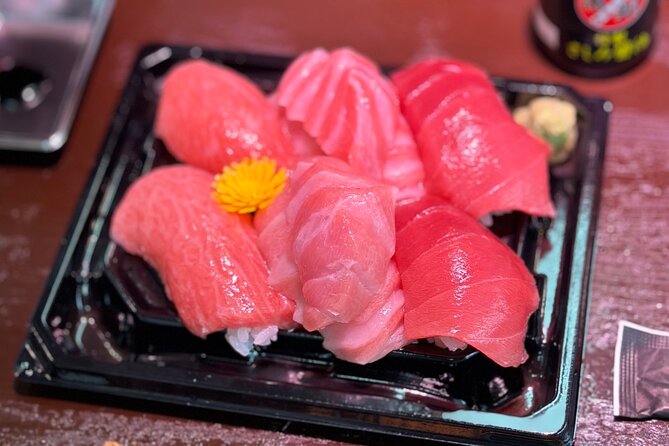
Review · TSUKIJI MARKET TOURS
Tokyo Tsukiji Fish Market Food and Walking Tour
Tsukiji hits your senses fast, in the best way. This small-group walking tour strings together Tsukiji’s sights with real local customs, capped at 10 people.
I like that admissions are handled for you at every stop, so you focus on the experience instead of ticket math. You also get photos taken during the tour, which is handy when you are photographing food and catching moments at the same time.
One thing to plan for: food and drinks are not included, so you should budget to taste along the way.
Key Things to Know Before You Go
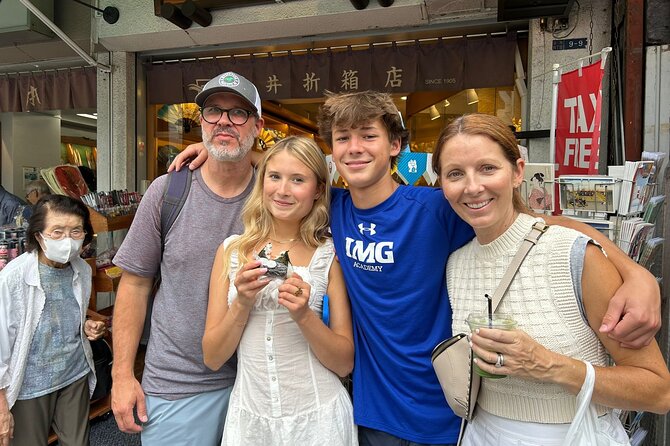
- Included entry fees: Tsukiji Hongwanji Temple, Tsukiji Fish Market, and Tsukiji Jogai Market are covered.
- Small group limit: capped at 10, which makes it easier to ask questions and follow the guide closely.
- Photos during the tour: you get digital photos to remember what you saw and ate.
- Temple first, then market: you start with a 400-plus-year Hongwanji Temple stop before hitting seafood.
- Street shops at Jogai Market: you will pass a dense area with around 400 vendors.
- Food is on you: the tour helps you find great places, but you pay for what you eat.
Tsukiji Works Best When You Have a Map (and a Guide)
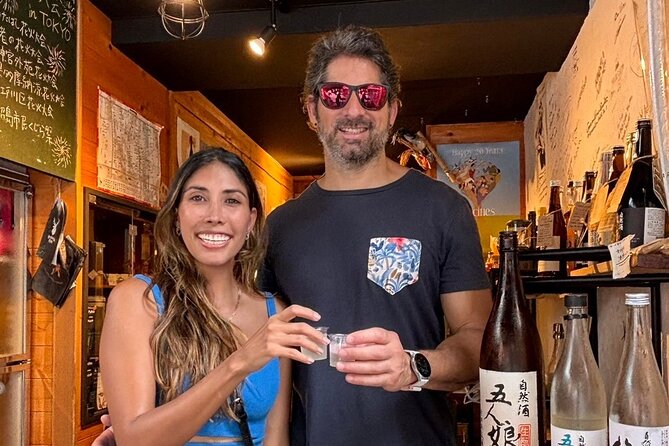
Tsukiji Fish Market is famous for a reason. It is not just seafood, it is the system behind seafood. If you show up alone, you can end up wandering from stall to stall without understanding what you are looking at, why certain places feel different, or how to read the market’s rhythm.
This tour fixes that with a tight format. You start with a short stop at Tsukiji Hongwanji Temple, then move into the fish market proper, then finish at Tsukiji Jogai Market, where the street shop energy ramps up. Each stop is timed so you do not feel like you are sprinting, and the group size stays small enough to actually hear what the guide is explaining.
You also get a practical kind of storytelling. The goal is not museum lectures. It is context, customs, and where to go when you want to eat.
You can also read our reviews of more walking tours in Tokyo
Price and Value: What $21.14 Actually Covers
At about $21.14 per person, the big value is what you do not have to pay separately during the walk. The tour includes entry or admission for three key places: Hongwanji Temple, the Tsukiji Fish Market, and Tsukiji Jogai Market. That matters because markets can be pricey and time-consuming if you are trying to sort tickets while walking.
What the price does not cover is food and drinks. That is not a flaw, it is a budgeting cue. You get help choosing where to taste, but you decide how much you want to buy. One good strategy is to plan for tastings as part of your Tokyo meal math. If you skip breakfast, you are more likely to enjoy the market food without forcing yourself to eat past comfort.
If you are on a budget, this tour still makes sense because you are paying for orientation plus access. If you want a guaranteed plate-for-plate meal, look for a different tour style. This one is set up as a guided walk with food options on the side.
The Meeting Point Near Tsukiji Station (and Why It Helps)
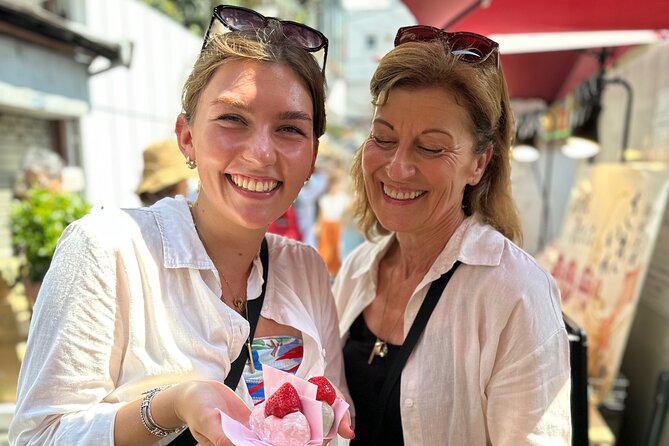
You meet at Starbucks Coffee – Tsukiji Station at 2-chōme 128 大広ビル 1F in Chuo City. Ending back at the meeting point keeps it simple, especially if you want to head to your next stop right after.
This matters more than you might think. Tsukiji can feel confusing on first contact, and the last thing you need is a group wandering while you all try to locate a starting spot. A fixed meeting point near public transportation also makes it easier if you are combining this with other Tokyo plans.
Bring comfortable shoes. The whole experience is a walking format, and markets are not the place for fancy soles.
Stop 1: Tsukiji Hongwanji Temple Sets the Tone (15 Minutes)
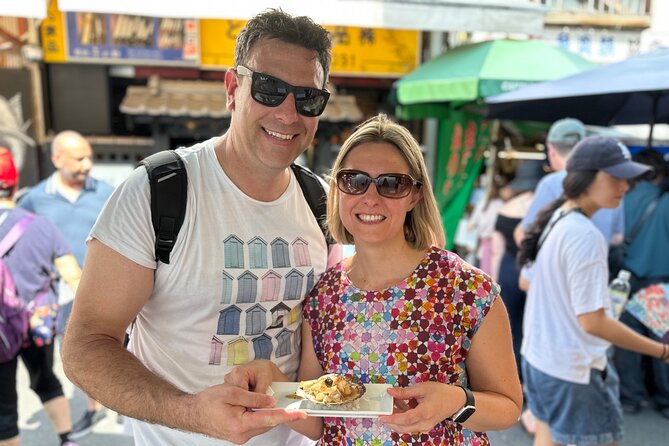
You begin with the Hongwanji Temple, a site with more than 400 years of history. The stop is short, about 15 minutes, but it does real work. It frames how to think about the area before you hit the seafood.
What I like about starting here is that it gives you a gentle cultural warm-up. You are not just walking into a commercial machine. You are walking into a district where customs and etiquette matter. The guide shares background on customs and practices, which helps you behave like you belong rather than like you are passing through.
Practical note: since it is a brief visit, go in with a calm pace. This is your mental reset before you enter the faster, louder market zones.
Stop 2: Tsukiji Fish Market, 50 Minutes of What to Look For
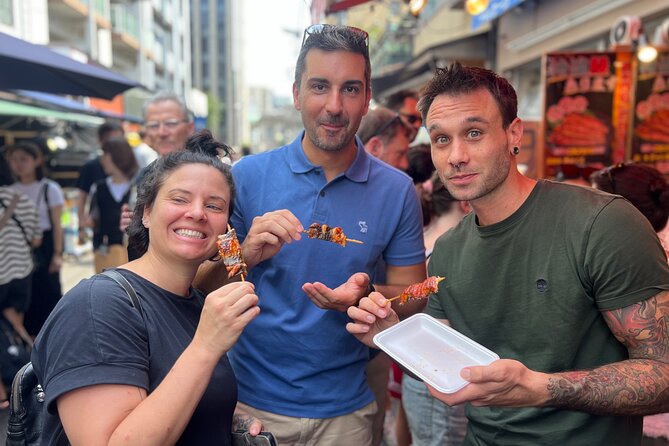
Next comes Tsukiji Fish Market with an 80-year history theme. The market is known as the biggest fish market in Japan and the world, and the tour uses that scale to teach you how to look.
During the 50-minute walkthrough, the focus is on highlights and context, not trying to cover every stall. That is a smart approach. Tsukiji is too large to “see it all” in one go, and trying to do so is how people miss the best parts.
Here is what you should watch for as you go:
- How stalls present products (you learn to notice what is front-and-center).
- The flow of movement (who is buying, who is selling, and how quickly things change).
- Food clues you can use later in Jogai Market when you decide what to taste.
Also, this part includes admission, so you do not need to worry about finding the right place for tickets while you are standing in the middle of everything.
You can also read our reviews of more food & drink experiences in Tokyo



Stop 3: Tsukiji Jogai Market, Street Shops and Vendor Energy (50 Minutes)
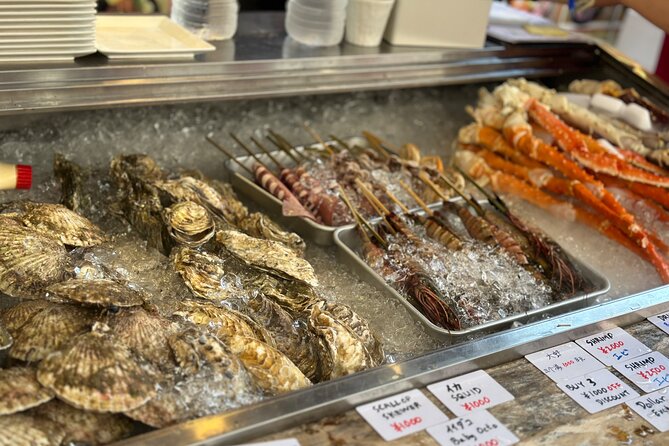
After the fish market area, you shift into Tsukiji Jogai Market, described as full of about 400 street shops and vendors. This is where the tour becomes more food-focused, even though food is still not included.
The guide’s job here is simple and valuable: help you identify good stops fast. When you are surrounded by vendors, it is easy to guess wrong. A local perspective can steer you toward places that are worth your time, and toward dishes you will actually enjoy.
This is also the part where you will likely start feeling the “I should have skipped breakfast” impulse. The best way to enjoy Jogai is to stay curious and ready to eat, while keeping your purchases controlled. You do not need to buy everything at once.
How to Eat Smart Here (Without Wasting Money)
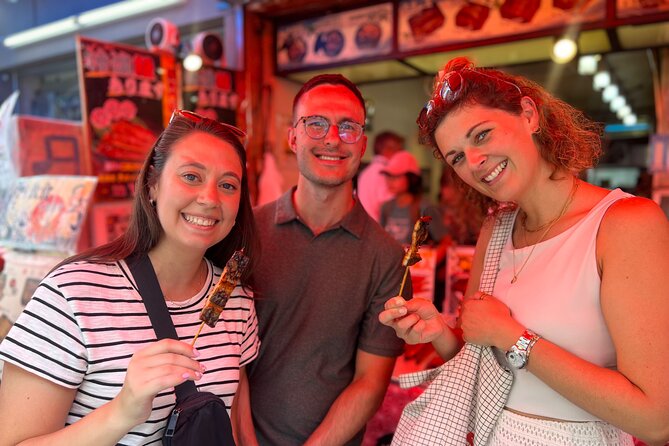
Because food and drinks are not included, you control the pace of your tasting. That can be great, but only if you plan a little.
I recommend you do two things:
- Start light as you enter Jogai Market. Take one or two small tastings first, then decide if you want more.
- Follow the guide’s logic, not just the line of people. If the guide points out what a shop does well, you can buy with confidence.
Also, remember that markets reward patience and etiquette. If you are unsure how to order or handle purchases, wait your turn and watch how locals do it. The guide’s customs and etiquette tips earlier in the tour will pay off here.
A possible extra add-on if you want to linger
One helpful idea you might consider later, if you still have time after the guided walk, is a suggested option to go to the back of the market, buy food, and rent a grill on top of the market for a unique eating experience. This is not part of the guided stops, but it is an interesting way some people like to extend the fun.
Photos Included, So You Can Focus on the Moment
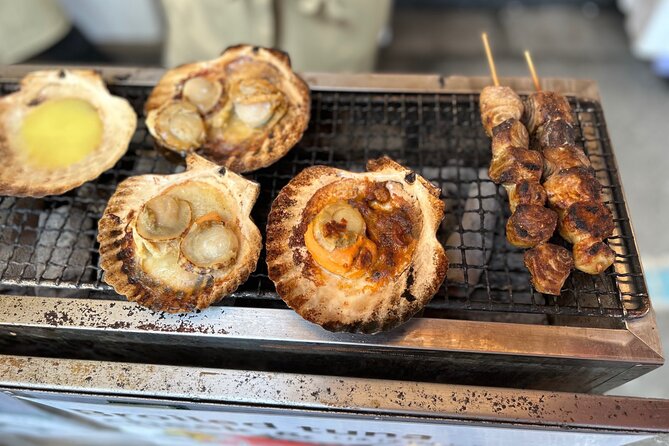
I love when a tour handles the “memory problem.” This one includes photos taken during the tour, so you spend less time trying to capture the perfect shot while also listening.
That becomes important in Tsukiji because the action moves quickly. A photo set also helps you remember small details, like the stall fronts and the specific foods you tried, which is not always easy when you are in full sensory mode.
The Real Star: Small Group Size (Capped at 10)
The cap of 10 travelers is not just a comfort perk. It changes how the experience feels.
In a small group, you can:
- hear the guide without straining,
- ask questions without yelling,
- and keep up when the path narrows or the market gets more crowded.
You also get a more personal tone from the guide. Many of the guides people mention in feedback have been praised for offering food guidance that helps you avoid tourist traps and zero in on what tastes best. Even if you do not get the same guide as someone else, this small-group format supports that kind of attention.
Logistics That Make the Tour Feel Effortless
A few practical details make the walking experience smoother:
- Mobile ticket use is included, so you are not scrambling for paper.
- The tour is near public transportation, which reduces stress on arrival.
- Confirmation is received at the time of booking.
- The tour is set up so most travelers can participate.
None of that sounds exciting on its own. But in real life, it is what keeps your day from turning into problem-solving.
Who This Tour Is Best For
This is a strong fit if you:
- want a guided introduction to Tsukiji without planning for hours,
- enjoy food districts where the “why” matters as much as the “what,”
- like small groups and prefer asking questions to winging it.
It is also a good choice for first-time Tokyo visitors who want one area where you can understand local culture while still getting to eat.
Less ideal if you:
- expect the tour price to include a full meal with drinks,
- hate walking or standing for a couple of blocks at a time,
- or want a free-form, wander-at-your-own-pace food crawl with no structure.
Should You Book This Tsukiji Fish Market Tour?
If your goal is to understand Tsukiji quickly and eat smarter without wasting time, I think this tour is worth it. The included admissions remove friction, the small group size keeps things human, and the Hongwanji Temple start gives you context before the market noise takes over. Add the guide photos, and you get an organized Tokyo memory package for a pretty low price.
Book it if you can handle food budgeting on your end and you want a structured walk with tastings available along the way. Skip it if you want everything paid for, including food and drinks, or if you dislike guided tours.
FAQ
How long is the Tsukiji Fish Market food and walking tour?
It runs for about 2 hours.
How much does the tour cost?
The price is $21.14 per person.
Is admission included for all stops?
Yes. Entry or admission is included for Tsukiji Fish Market, Tsukiji Jogai Market, and Tsukiji Hongwanji Temple.
Are food and drinks included in the price?
No. Food and drinks are not included, so you will pay for anything you choose to eat.
What is the group size?
The tour is capped at a maximum of 10 travelers.
Where do I meet the tour?
Meet at Starbucks Coffee – Tsukiji Station (2-chōme 128 大広ビル 1F), and the tour ends back at the meeting point.
More Walking Tours in Tokyo
More Tours in Tokyo





More Tour Reviews in Tokyo


Not for you? Here's more nearby things to do in Tokyo we have reviewed












Tsukiji Market Tours, side by side.
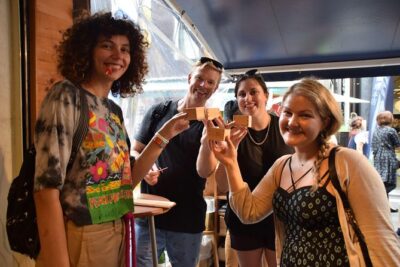 ★ 5.0Tokyo Tsukiji Fish Market Food and Culture Walking TourFrom $993,184 reviews
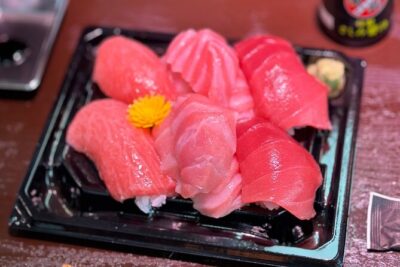 ★ 5.0Tsukiji Fish Market Food and Walking tourFrom $301,724 reviews
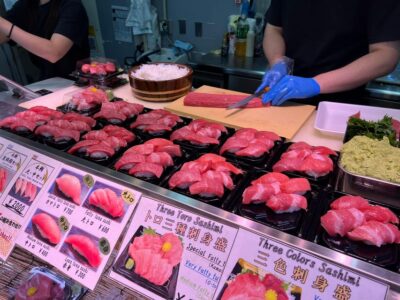 ★ 4.9Tsukiji Fish Market Guided Walking TourFrom $221,397 reviews
 ★ 5.0Tokyo Sushi Making Class in Tsukiji with Professional ChefFrom $491,177 reviews
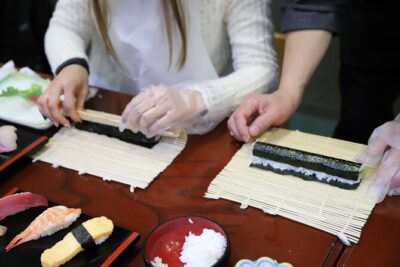 ★ 5.0Tsukiji Fish Market Guided Tour and Sushi Making with Pro ChefFrom $104775 reviews
★ 4.7Tsukiji Fish Market Food and Culture Walking TourFrom $96757 reviews
★ 5.0Tsukiji Fish Market Guided Tour and Sushi Making with Pro ChefFrom $104775 reviews
★ 4.7Tsukiji Fish Market Food and Culture Walking TourFrom $96757 reviews
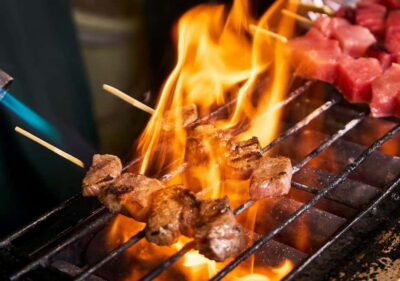 ★ 5.0Tsukiji Fish Market: Street Food & Culture Walking TourFrom $33669 reviews
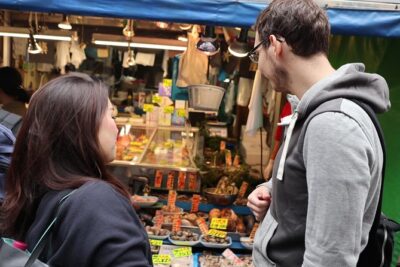 ★ 5.0Tsukiji Fish Market Small-Group Food Walking TourFrom $87621 reviews
This tour also belongs to