
Review · TSUKIJI MARKET TOURS
Tsukiji Fish Market Guided Tour and Sushi Making with Pro Chef
Tsukiji can feel chaotic, but this tour makes it make sense. You start with a guided walk around the outer Tsukiji area, then you head into a hands-on classroom to learn nigiri sushi from a pro chef. I like that the market portion is paired with actual technique, so you’re not just looking at fish, you’re understanding it.
Two things I really like: the guides steer you to key spots like Tsukiji Hongan-ji Temple and the market hubs, and the sushi class is step-by-step with time to build your own lunch. One possible drawback is that some parts of the experience are more cultural than strictly fish-action, and the tour may not cater well to dietary needs or allergies.
Key highlights worth your time
- Outer Tsukiji, not the moved inner market, so you still get local shopping vibes
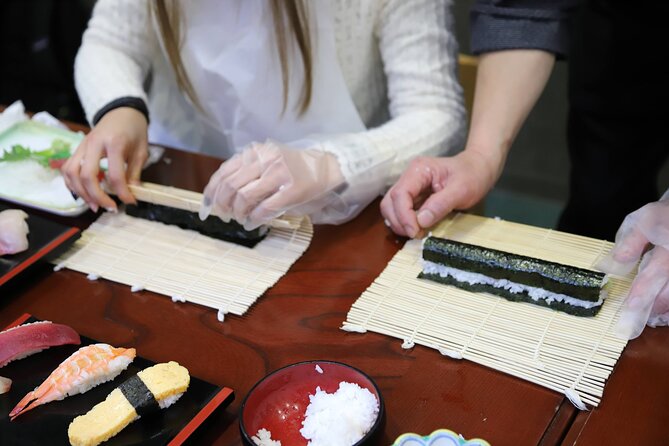
- Pro chef instruction, including 5 types of nigiri plus a rolled option
- You eat what you make, plus sushi from the chef with wasabi
- Temple and market context, including customs for approaching sacred places
- Limited group size (up to 22), which helps the class stay practical
Tsukiji Hongan-ji Temple start: go early, and go to the right gate
Your tour begins at the main gate of Tsukiji Hongan-ji Temple. The start is sharp, and the guide will not wait if you’re late, so I’d plan to arrive a little early and stand there until the group forms. Also, do not trust Google Maps blindly here, because it can point you to the backside of the temple instead of the front.
This isn’t just a photo stop. With the guide leading, you’ll get a short lesson on Japanese history and culture, plus temple customs that help you act appropriately in a working, local place of worship. If you’ve ever wondered how to behave in Japanese religious spaces without being stiff, this is exactly the kind of quick, useful orientation you want before you go wandering.
In the past, guides such as Sachi-san and Ko have shared details like how to properly pray in a Buddhist temple, which adds a layer of meaning you can feel immediately when you watch others around you. Even if you’re not religious, knowing what to do (and what not to do) keeps you from accidentally turning someone else’s routine into your own awkward performance.
Finally, you’ll be looking for a guide holding a board that says Japan Wonder Travel. It sounds small, but in a crowded area, that saves time and reduces stress.
You can also read our reviews of more guided tours in Tokyo

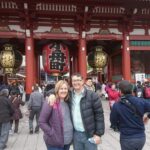
Outer Tsukiji walkthrough: seeing seafood supply chain up close
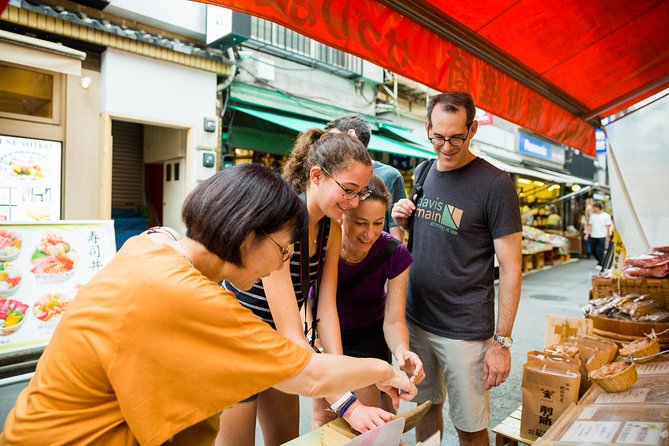
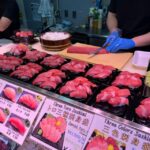
After the temple start, you move into the outer Tsukiji food world. This is a big deal because Tsukiji’s inner market business area moved to Toyosu after Oct 6, 2018, so this tour focuses on what still works in Tsukiji: the outer market and a mini wholesale area where you can see ingredients, utensils, and everyday buying patterns.
You’ll pass through market sections that include the Tsukiji Fish Market area, plus markets such as Tsukiji Jogai Market and the Tsukiji Nippon Fish Port Market. Your guide ties these stops together by explaining how seafood gets caught, distributed, and sold. That turns Tsukiji from a scenery stop into a real supply chain lesson, and it makes the fish you see feel less random and more purposeful.
One of the most useful things is that you get local explanations in plain language: why certain products are handled the way they are, and what you should look for when you see a stall packed with different seafood. It also helps you avoid the trap of only noticing the loud, flashy displays. With a good guide, you start to notice quality cues, ingredient types, and what’s actually being bought.
Some of the best guide moments I’ve seen people talk about include not rushing through the area. When guides like Monami, Ko, and Yuki were leading, people highlighted that they kept the pace friendly and explained the differences between foods you might not recognize. That matters because Tsukiji can move fast, and without context you end up just walking with your mouth open.
Practical note: this part is a walking tour. Expect uneven movement, lots of people, and the kind of sensory overload that can be fun if you wear the right shoes.
Market etiquette and smart eating: how to spend without getting burned
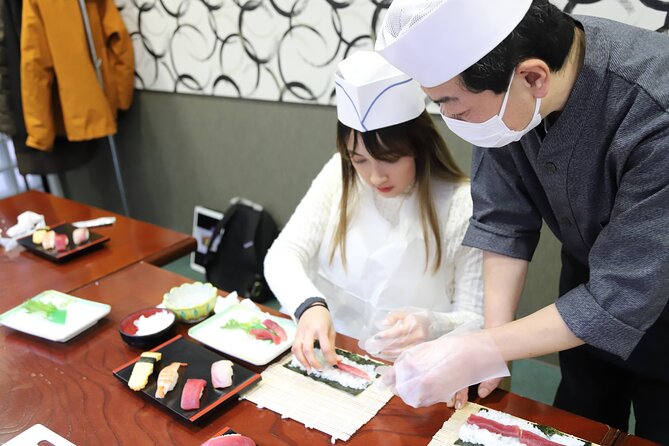
Tsukiji outer market is popular with both locals and tourists, so you’ll see plenty of small street-level shopping and snack stops happening all around you. This tour gives you structure, but it does not turn every minute into a tasting parade. If you love sampling, come ready to buy a few things on your own during the walking portion.
A common practical tip from past participants: bring cash so you can try extra snacks you discover during the tour. In other words, the class lunch is the main meal, but the market can tempt you to add bite-size extras as you go.
Another practical point: don’t assume you’ll have unlimited bottled water available. The class portion offers cold green tea, and while it’s provided, you may still want to bring your own water to stay comfortable during a warm day of walking.
Group size also affects how satisfying the market portion feels. With a group, you’re not free to stop at every stall for 15 minutes. That’s a trade-off for having a guide explain the big picture. If you are the type who wants to graze for hours at your own speed, you might feel a little constrained. If you want a guided hit that keeps you oriented, this setup is a good match.
The biggest etiquette win is knowing how to move through the market without blocking others. Your guide’s temple and culture brief also helps you understand that this area is not just a theme park. People are working, buying, and moving with purpose, and you can blend in more smoothly when you know what to look for.
The sushi-making classroom: third floor stairs and a step-by-step workflow
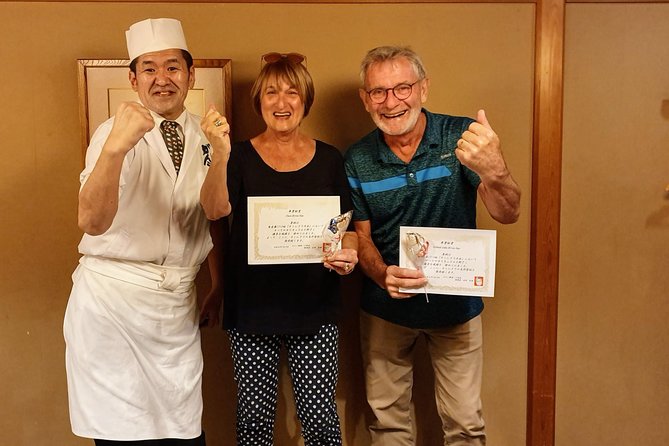
The sushi lesson happens in a Japanese-style classroom in a hidden local building near the market core. One important detail: the classroom is on the third floor, and it has stairs only. If stairs are an issue for you, plan carefully. For everyone else, just treat it like part of the experience, because you’ll be walking, standing, and moving quite a bit that day.
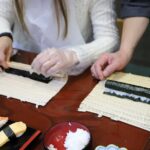
The instruction is led by a professional sushi chef, and you learn how to make 5 types of nigiri plus one rolled type. I like this structure for beginners, because it teaches repeatable technique instead of throwing you into random sushi chaos. You’re not just assembling ingredients, you’re learning how each piece comes together.
Language-wise, the class is designed for an international group, and past participants have noted that instruction is available in Japanese and English. That makes a huge difference. Sushi is one of those crafts where small motions matter, and being able to understand what the chef is doing helps you avoid guessing.
Also, the class environment is intentionally hands-on. You’ll make your own sushi, then you’ll eat it. That sounds basic, but the payoff is real: your brain remembers what your hands just did. Later, when you try sushi at home, you’ll notice details like rice texture, fish handling, and how wasabi is used in a more thoughtful way.
A practical heads-up: there’s a chance the sushi-making venue might be held in Asakusa or Yotsuya depending on availability. If that happens, the tour ends there rather than back at the exact original meeting point. It’s not a dealbreaker, but it affects your day planning, so keep your next activity flexible.
Lunching on your nigiri: what’s included and how to enjoy it
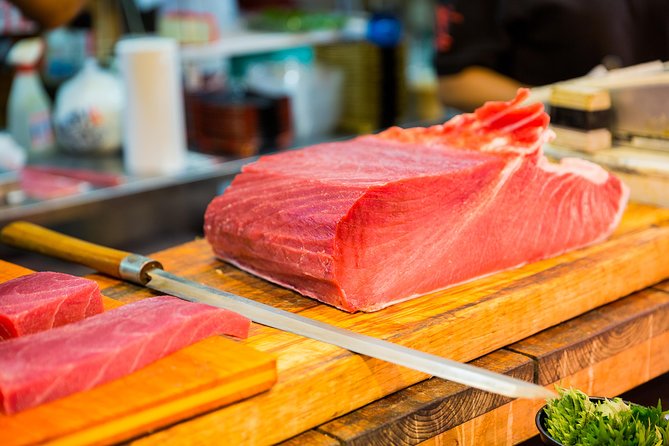
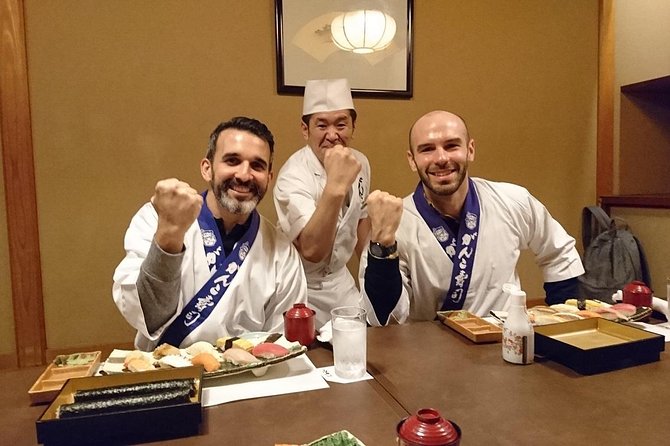
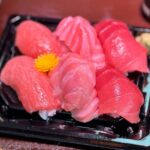
After the hands-on part, you’ll eat your creations for lunch. You’ll also get sushi prepared by the chef, served with carefully prepared wasabi. For me, this is a strong design choice. It gives you comparison in a single meal, so you can sense the difference between what you made and the chef’s final touch.
You’ll be served dashi soup and green tea as well. This is one of those subtle extras that turns the lunch into something more complete than “here’s your roll, good luck.” Dashi adds warmth and balance, and green tea fits naturally with the flavors of raw fish and seasoned rice.
If you’re curious about how sushi is meant to be eaten, this is where you learn without overthinking. Start with your own nigiri so you can identify what you remember from the lesson, then switch to the chef’s sushi to see the finishing details. Don’t rush it. Even if you only have a short lunch window, a calm bite helps everything click.
One more useful reality check: this class is focused on technique and a satisfying meal, not on endless sampling. If you want a food tour where the market portion includes lots of tastings, you might feel the class lunch is the main highlight and the market portion is more “see and learn” than “taste everything.”
You can also read our reviews of more shopping tours in Tokyo

Price and value: when $104.13 feels fair, and when it might not
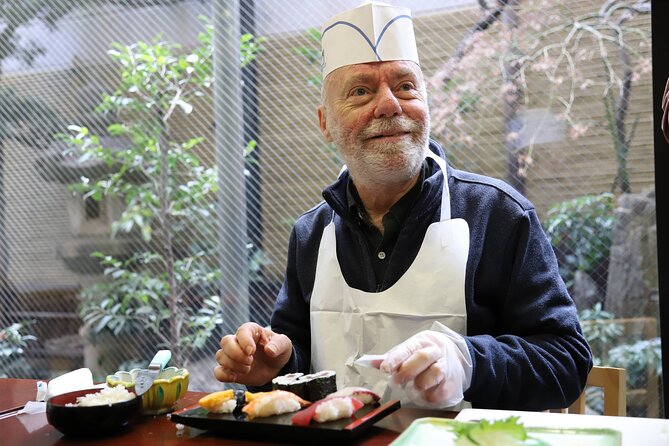
At $104.13 per person for about 4 hours, you’re paying for three things: guided market time, professional sushi instruction, and lunch that includes what you make plus chef-prepared bites, dashi, and green tea. That combination is usually where value lives, because you’re not just paying for narration. You’re paying for a skill you can repeat later.
The value is strongest if your goal is to leave with confidence. A structured class that teaches 5 nigiri types and a rolled option, then feeds you the results, is a real benefit for first-timers. People also tend to appreciate the way guides explain how ingredients connect to the bigger seafood world.
Still, balance matters. Some participants felt the market portion included more basic stops than expected for the price, and that the sushi-class setup can be small and upstairs. Another common critique was that tastings were not the focus, which can matter if you expected the market walk to double as an all-you-can-snack experience.
So here’s the decision rule I’d use:
- If you want a hands-on sushi class with lunch and you’re okay buying a few extras yourself in the market, this is likely a solid deal.
- If you want an experience built around multiple tastings during the market walk, you may want a different format or plan to budget extra for street food.
Also note what is not included: transportation, hotel pickup, and additional food beyond what’s listed. If you’re hungry and the market looks amazing, set aside some spending money.
Who should book this Tsukiji sushi tour (and who should skip it)
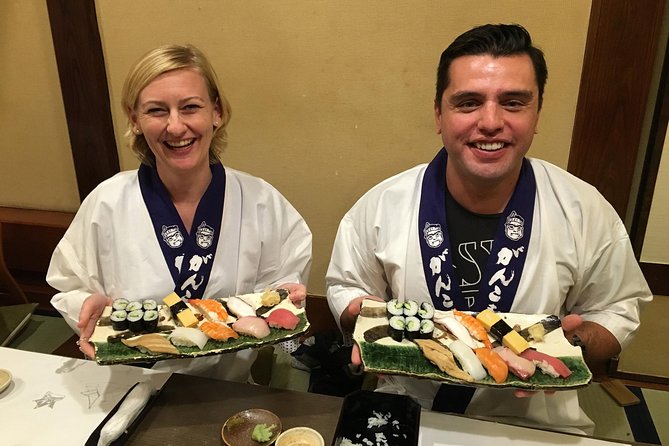
This is a great fit if you:
- Want a beginner-friendly introduction to nigiri technique, not just sushi viewing
- Like having a guide translate what you’re seeing into practical context
- Enjoy cultural stops, since the day starts with a temple visit and includes shrine-type orientation
- Can handle stairs, since the classroom is on the third floor
- Are traveling in a small-group format, up to 22 people
It may be a poor fit if you:
- Need vegetarian, halal, gluten-free meals, or have allergies or ingredient restrictions that require strict accommodations. The tour states it does not accommodate those requests, though it may try when you inform them.
- Want to eat only from your own dietary rules. The sushi ingredient choices are part of the class.
- Have another tight appointment immediately after, since there could be delays and the end point can vary depending on the day.
The tour can also be a fun family activity for older kids and teens, especially if they enjoy cooking and want to take something home besides photos. People have mentioned doing it with teenagers and finding it engaging.
Should you book? My practical recommendation
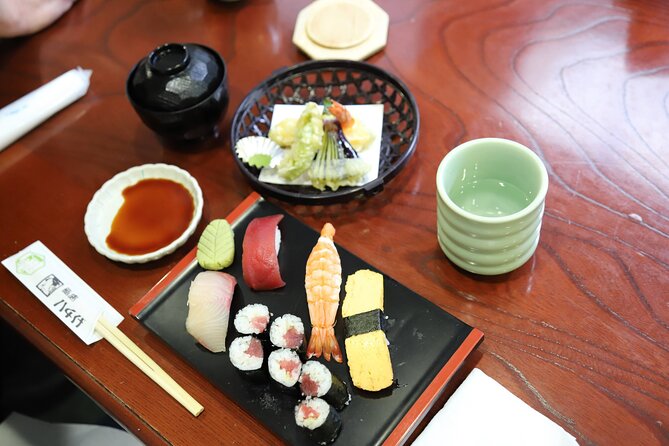
I’d book this if you want the classic Tsukiji experience in two parts: outer market context first, then a real pro-led sushi workshop where you eat what you make. The temple start is also a smart move because it helps you act respectfully and understand why the place feels the way it does.
If you’re picky about diet, or if you expected lots of market tastings for the price, go in with eyes open. Bring comfortable shoes, plan for stairs, and keep a little cash for extra snacks.
If you like learning by doing, and you want sushi skills that go beyond watching, this is a day you’ll feel good about.
FAQ
Where does the tour start?
The meeting point is the main gate of Tsukiji Hongan-ji Temple (front side). Your guide will be waiting with a board that says Japan Wonder Travel.
How long is the experience?
It lasts about 4 hours.
What should I wear?
Wear comfortable walking shoes, since it is mainly a walking tour.
Is the ticket digital or printed?
You receive a mobile ticket.
What will I learn in the sushi-making class?
You will learn to make 5 types of nigiri sushi and one rolled type, with step-by-step help from a professional sushi chef.
Is lunch included?
Yes. You’ll enjoy the sushi you make, plus sushi from the sushi master with expertly prepared wasabi, along with dashi soup and green tea.
Can the tour accommodate vegetarian, halal, gluten-free, or allergy requests?
Unfortunately, it does not accommodate vegetarian, halal, gluten-free requests, or kosher requests. Allergy-related needs may be tried, but it may not be possible, so you should mention restrictions at booking.
Where does the tour end?
It ends back at the meeting point, but the exact end point can vary by date. In some cases, the sushi-making venue may be in Asakusa or Yotsuya, and the tour will end there.
When is the fish market closed?
The fish market (Uogashi wholesaler market) is closed on Wednesdays, Sundays, and other closed market days.
More Guided Tours in Tokyo


More Tours in Tokyo






More Tour Reviews in Tokyo


Not for you? Here's more nearby things to do in Tokyo we have reviewed












Tsukiji Market Tours, side by side.
 ★ 5.0Tokyo Tsukiji Fish Market Food and Culture Walking TourFrom $993,184 reviews
 ★ 5.0Tsukiji Fish Market Food and Walking tourFrom $301,724 reviews
 ★ 4.9Tsukiji Fish Market Guided Walking TourFrom $221,397 reviews
 ★ 5.0Tokyo Sushi Making Class in Tsukiji with Professional ChefFrom $491,177 reviews
★ 4.7Tsukiji Fish Market Food and Culture Walking TourFrom $96757 reviews
★ 5.0Tokyo Sushi Making Class in Tsukiji with Professional ChefFrom $491,177 reviews
★ 4.7Tsukiji Fish Market Food and Culture Walking TourFrom $96757 reviews
 ★ 5.0Tsukiji Fish Market: Street Food & Culture Walking TourFrom $33669 reviews
 ★ 5.0Tsukiji Fish Market Small-Group Food Walking TourFrom $87621 reviews
 ★ 4.9Tsukiji Fish Market Sushi Making Class with Pro ChefFrom $63506 reviews
This tour also belongs to