
Review · TSUKIJI MARKET TOURS
Tokyo Tsukiji Fish Market Food Tour: 15 Stops & Walk Local Street
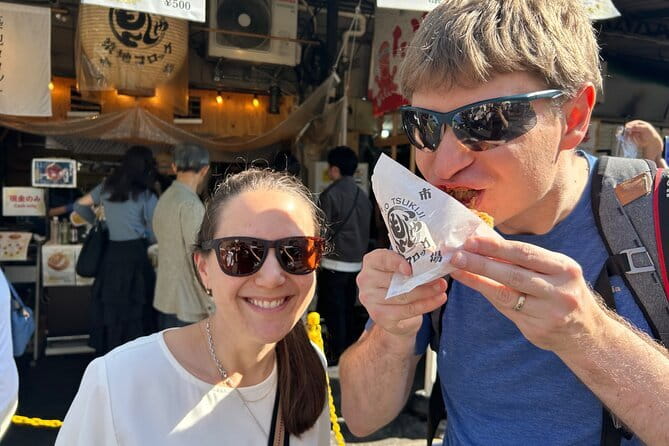
Tsukiji is easier when someone shows you the path. This 2 to 3 hour walk through the Tsukiji area mixes market sights with culture, and I like the small-group cap of 15 plus the photos taken during the tour. One thing to double-check is the food situation: the tour may include tastings, but food itself is listed as not included, so you should plan to pay for what you eat.
You also get a guide leading the way, and you’ll pass major Tsukiji landmarks like Tsukiji Hongan-ji Temple and Namiyoke Inari Shrine, not just the fish stalls. Expect lots of short moments, about 15 stops, plus time to actually look around and get your bearings.
Key highlights that matter (and why)
- Small-group size (max 15 travelers): makes it easier to ask questions and keep moving at a human pace
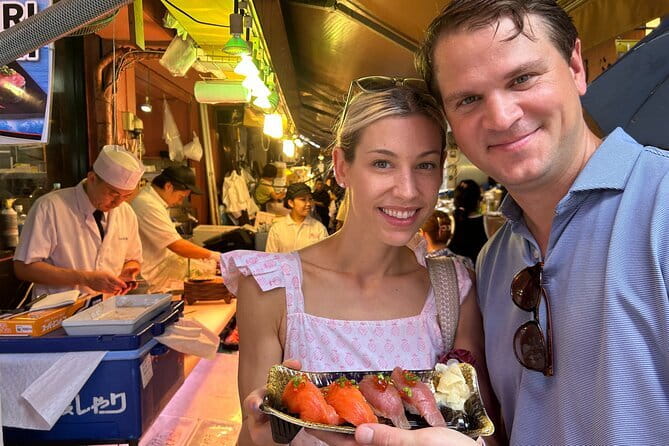
- Photos included: you get images sent after the tour, so you do not have to worry about capturing everything yourself
- Temple and shrine stops: Tsukiji is more than seafood, you’ll see the spiritual side too
- Market and shopping street coverage: you’ll cover the area in a way that feels like walking local streets
- Sushi and eating etiquette coaching: you’ll get guidance on Japanese food manners so you do not feel awkward at tastings
Tsukiji in a small group, what you really get for $80
This tour costs $80 per person and targets a very specific win: getting you oriented in Tsukiji without you spending half the time figuring out where to go next. With a max of 15 people, your guide can explain what you are seeing and help you choose what to try. That is the real value here, because Tsukiji can feel confusing if you show up cold, especially when you only have a short time in Tokyo.
You are also paying for structure. The itinerary is built around distinct places, from Tsukiji Hongan-ji Temple to Namiyoke Inari Shrine, with market-focused stops and additional quick stops in between. In practice, that means you are not just wandering a food corridor, you are learning why this area exists and how locals approach eating and shopping.
One budget note: the included list says photos, explanation, and a Japanese guide. The not-included list explicitly says food. At the same time, the tour description promises food tastings. So, treat this like a guided food walk where you will likely sample items, but expect you may still need to pay for what you eat. If you are the type who wants a fully prepaid meal, message the operator before you book and ask what tastings are actually covered.
You can also read our reviews of more walking tours in Tokyo


Starting at Tsukiji Hongan-ji Temple, you get the tone fast
The tour begins at Tsukiji Hongan-ji Temple, right at the entrance area of the 3-chōme address in Tsukiji. This is a smart first stop because it pulls you out of the frantic market mindset and gives you context immediately.
You will spend about 15 minutes here, and admission is free. The guide will help you understand what you are looking at before you move into the shopping and fish market zones. I like this kind of opening because it makes the rest of the walk feel more meaningful. Instead of treating Tsukiji like one long line of food stalls, you start to see how the area connects to community life.
Tsukiji Jogai Market, 400 shops and the best kind of decision fatigue
After the temple, you move into Tsukiji Jogai Market. This is where the tour shifts from history and atmosphere to practical exploring. You have around 1 hour 30 minutes here, and the area is described as a shopping street with over 400 shops.
The plan is to enjoy a meal along the way. That phrase matters. It signals that the experience is designed around eating opportunities, but the tour’s pricing details do not list food as included. So come with some cash and let your guide steer you toward places that match your comfort level, including options you might not find on your own.
This is also a great moment to ask questions. When you are surrounded by lots of choices, a guide’s job becomes invaluable: they can point out what is worth trying, what is best eaten hot or fresh, and how to navigate the rhythm of the area without feeling rushed.
Passing the mini wholesale fish market, what to watch for
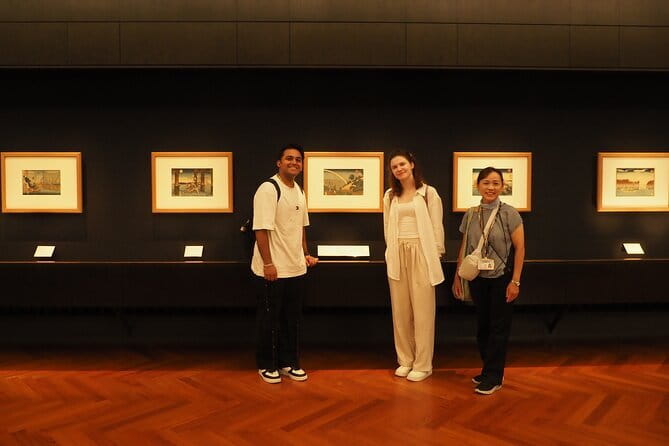
One of the most memorable parts of this type of Tsukiji walk is the glimpse of fish variety before you even start ordering. Here, the tour does not rely only on storefront restaurants. You also pass by a mini wholesale market section.
You get about 30 minutes for that stop, and the description is specific: you can see hundreds of kinds of fish and get a sense of what the supply side looks like. Even if you are not a seafood expert, this is where your eyes learn fast. I find it helps to focus on patterns, like how fish are presented, how vendors talk about freshness, and what customers are choosing.
A realistic consideration: Tsukiji activity can vary day to day, including closures for holidays or changes in access. One highlight from the feedback you provided is that the guide can pivot quickly when parts of the market are closed, keeping the experience enjoyable rather than turning into a long wait. That flexibility is a big deal if you are visiting during a busy season or around local holidays.
Namiyoke Inari Shrine, the waves-warding stop you will remember
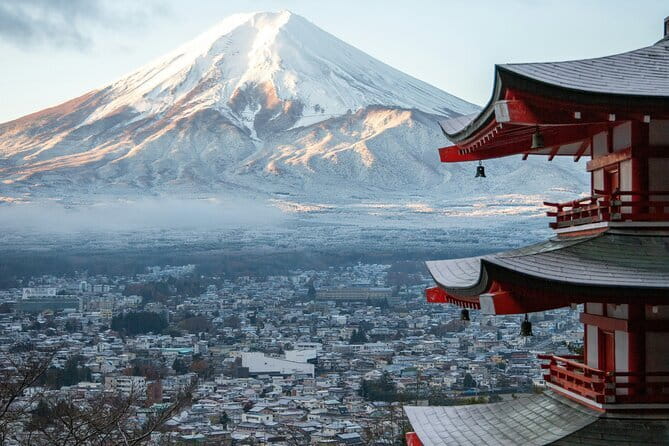
Next up is Namiyoke Inari Shrine, a shorter stop at about 15 minutes. Admission is free, and the story is clear: Namiyoke Inari is the deity that wards off disasters and weathers the waves.
This is the kind of stop that might look quick on a schedule, but it adds meaning to the rest of the walk. Tsukiji is tied to the sea, and the shrine theme helps explain why people historically placed spiritual importance around weather, safety, and the risks of maritime work. If you like travel that mixes food with real culture, this is one of the moments you will feel you got more than just snacks.
You can also read our reviews of more food & drink experiences in Tokyo

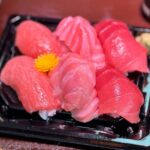


Food tastings and sushi etiquette, how to eat without guessing
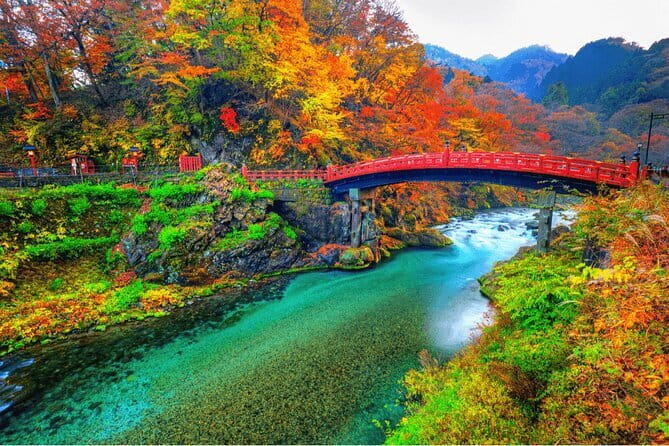
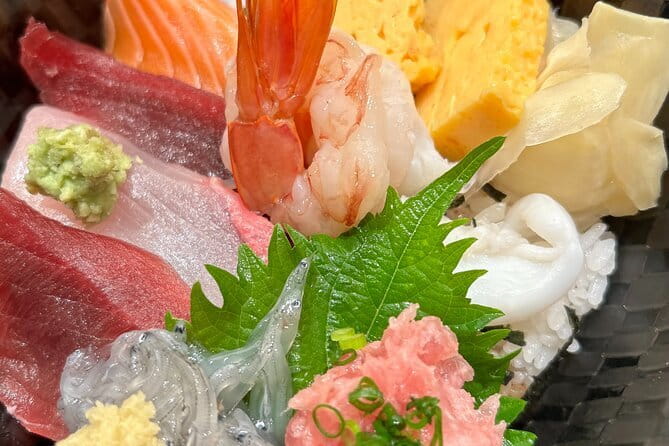
The heart of a Tsukiji food tour is eating and learning. This experience is built around that, with your guide explaining food-related etiquette and customs. The most praised guidance includes sushi-eating manners, and you should expect practical coaching so you are not stuck guessing how to do things the Japanese way.
If you have never eaten sushi in Japan, the main value is confidence. Your guide can help you understand what to do at tasting moments, including how to handle soy sauce and how to approach ordering or trying items. Even if you do not catch every detail, you will feel less awkward.
Now, the budget question again. Food is listed as not included, so treat tastings as part of the experience but not necessarily a fully covered meal. Plan to spend extra depending on what you decide to try. If you are hungry and want a satisfying lunch, you may end up paying for more than small bites.
That is also why this tour works best for people who like guidance more than free stuff. You are paying to remove uncertainty, not to avoid spending money entirely.
Photos, guide explanations, and the small-group pace
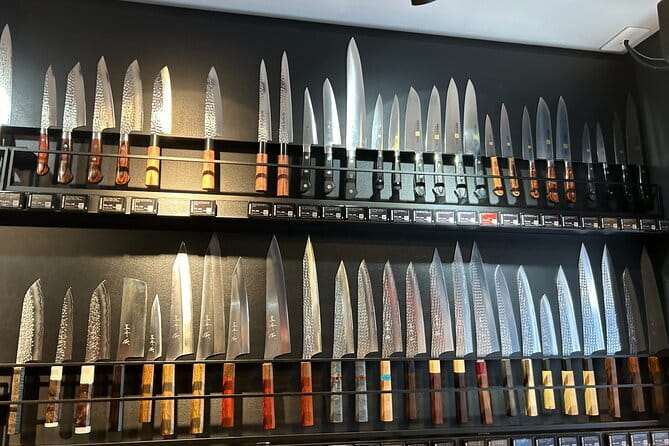
Two practical perks make this tour easier on your day: photos taken during the tour and a Japanese guide. The photos are sent to you after the tour, so you do not have to keep stopping to ask a stranger to take pictures. It is a small thing, but it matters when you are moving through a busy area and want to keep the flow.
The guide also provides explanation throughout, with emphasis on culture, history, and food etiquette. You are not just told what to eat, you are taught how to understand what you are seeing and how to behave respectfully in food spaces.
One more real-world point you can plan around: with small groups, your tour can sometimes run like a more personal experience, especially if the group size changes. You might find you get extra time to ask questions, and the guide can adapt on the fly when access or conditions change.
Walking the neighborhood, how long it really feels
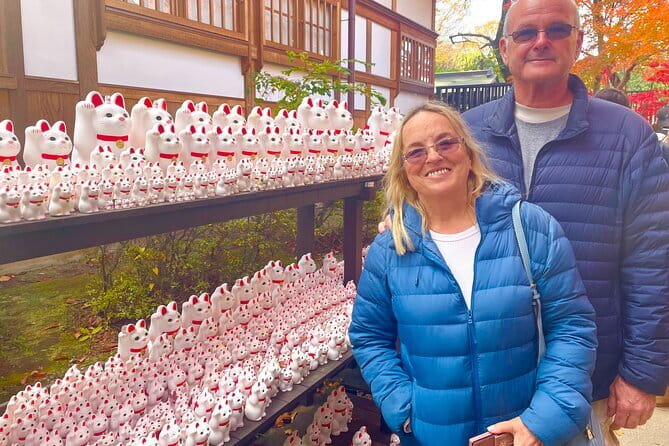
The tour runs about 2 to 3 hours. That is long enough to cover multiple areas and still short enough to fit into a full Tokyo day. It is also clearly a walking experience, which matters because Tsukiji streets and market lanes can involve uneven foot traffic and crowds.
You start and end back at the meeting point at Tsukiji Hongan-ji Temple. There is no hotel pickup or drop-off, so you’ll want to plan your Tokyo transit route accordingly. The good news is the meeting point is near public transportation.
If you are balancing this with other sights, treat it as a focused block. Use it as your anchor in the Tsukiji neighborhood, then build the rest of your day around where you want to go next.
Who should book this Tsukiji Fish Market food tour
This is a strong fit if you want a guided Tsukiji experience that feels like walking local streets, not an overly scripted bus ride. I think it works especially well for:
- First-time visitors who want to learn sushi etiquette and eating customs
- People who like food culture more than just a checklist of stalls
- Solo travelers or couples who appreciate a small-group cap
- Travelers who want photos included and prefer to let a guide handle the flow
It may be less ideal if you are chasing a completely prepaid “all food included” deal. Because food is listed as not included, you should be ready to pay for your tastings and lunch choices.
Also consider your tolerance for crowd energy. Even with a small group, Tsukiji can involve busy lanes. If you prefer quiet, slow sightseeing, pair this tour with calmer neighborhoods later in the day.
Should you book this Tsukiji Fish Market Food Tour?
I would book it if you want structure, cultural context, and a guided path through Tsukiji’s main landmarks, not just random snacking. For $80, the best value is the combination of a Japanese guide, etiquette coaching, and the photo perk, plus the fact that you are not doing the hard part of figuring Tsukiji out on your own.
Book with one smart expectation: do not assume every bite is included. Plan some extra spending for what you choose to eat, and you will enjoy the tour much more. If you like sushi and want to feel confident ordering and eating in Japan, this kind of guided walk is exactly where you benefit.
FAQ
How much does the Tokyo Tsukiji Fish Market Food Tour cost?
It costs $80.00 per person.
How long is the tour?
The duration is about 2 to 3 hours.
How many stops are there?
The tour is described as having 15 stops.
Is the group small?
Yes. The experience is capped at a maximum of 15 travelers.
Where does the tour start and what is the meeting point?
The meeting point is in front of Tsukiji Hongan-ji Temple at 3-chōme-15-1 Tsukiji, Chuo City, Tokyo 104-8435, Japan. The tour ends back at the meeting point.
What is included in the price?
Included items are photos taken during the tour (sent after the tour), explanation from the guide (food, etiquette, culture, history), and a Japanese guide.
Is food included?
Food is listed as not included. The tour description mentions food tastings, but food itself is not stated as included in the provided details.
Do I need a mobile ticket?
Yes, the tour uses a mobile ticket.
How do I contact the tour on the day?
The instructions say to download WhatsApp, because it will be used for contact.
Is cancellation free?
Yes. You can cancel up to 24 hours in advance for a full refund.
More Walking Tours in Tokyo
More Tours in Tokyo





More Tour Reviews in Tokyo


Not for you? Here's more nearby things to do in Tokyo we have reviewed












Tsukiji Market Tours, side by side.
 ★ 5.0Tokyo Tsukiji Fish Market Food and Culture Walking TourFrom $993,184 reviews
 ★ 5.0Tsukiji Fish Market Food and Walking tourFrom $301,724 reviews
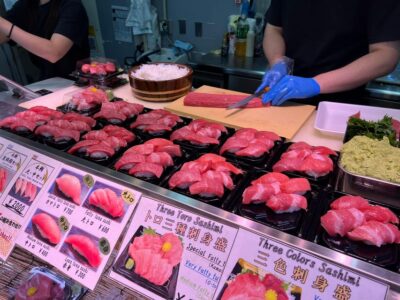 ★ 4.9Tsukiji Fish Market Guided Walking TourFrom $221,397 reviews
 ★ 5.0Tokyo Sushi Making Class in Tsukiji with Professional ChefFrom $491,177 reviews
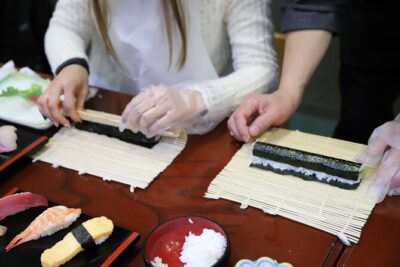 ★ 5.0Tsukiji Fish Market Guided Tour and Sushi Making with Pro ChefFrom $104775 reviews
★ 4.7Tsukiji Fish Market Food and Culture Walking TourFrom $96757 reviews
★ 5.0Tsukiji Fish Market Guided Tour and Sushi Making with Pro ChefFrom $104775 reviews
★ 4.7Tsukiji Fish Market Food and Culture Walking TourFrom $96757 reviews
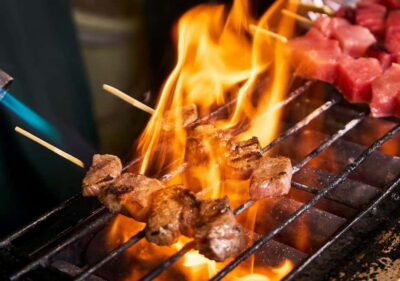 ★ 5.0Tsukiji Fish Market: Street Food & Culture Walking TourFrom $33669 reviews
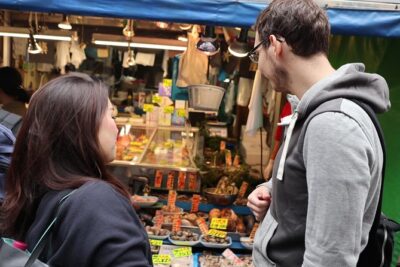 ★ 5.0Tsukiji Fish Market Small-Group Food Walking TourFrom $87621 reviews
This tour also belongs to