
Review · TSUKIJI MARKET TOURS
Tsukiji Food Strolling and Hama Rikyu Garden Walking Tour
Two Tokyo stops, one great morning. This Tsukiji food stroll pairs a guided walk through the old wholesale market with a peaceful Hama Rikyu garden reset, and you can even add matcha and wagashi etiquette on the side. I love the way guides such as Masumi or Yuko help you understand what you’re seeing at Tsukiji, and I love the Hama Rikyu Gardens contrast that makes the whole morning feel balanced.
One thing to plan for: food is not included, so you’ll be buying your own snacks as you go, plus the matcha and wagashi option is extra. If you’re expecting a full meal included in the tour price, you may feel a bit underfed at the start, even though you’ll have great chances to taste on your own.
Key highlights you should know before you go
- Small-group walking pace: capped at 12 travelers, so you get a bit more flexibility than big bus tours.
- Tsukiji context beyond photos: you’ll learn how the market works and what those ingredient categories mean.
- Hama Rikyu is the calm payoff: a real Edo-period garden break near skyscrapers, with admission covered.
- Optional matcha and wagashi etiquette: try a guided cultural tasting for about 1,000 yen when available.
- Free entry for two major stops: you won’t pay extra for Tsukiji Hongwanji Temple or the market area.
Tsukiji and Hama Rikyu in one 2.5-hour loop
This tour works because it’s built like a story. You start in Tsukiji, where the day revolves around ingredients and how people move through a working market. Then you switch gears to Hama Rikyu, where the pace slows down fast and the city noise fades behind the garden paths.
I also like that the timing is tight. At about 2 hours 30 minutes, you still have energy left for shopping or a proper meal afterward, instead of feeling like you spent half your day waiting in line. And because it’s a small group, you’re not constantly trying to squeeze past strangers while your guide is trying to talk.
You can also read our reviews of more walking tours in Tokyo


Meeting at Tsukiji Station, then warming up at Tsukiji Hongwanji Temple
You’ll start at Starbucks near Tsukiji Station, which is the kind of practical meeting point that saves stress. From there, you head to Tsukiji Hongwanji Temple, and the first win is the tone shift. After a lot of tourists find Tsukiji loud and confusing, the temple gives you a quiet mental reset right away.
This temple is free to enter on the route, and that matters. It means you get a meaningful cultural stop without paying extra, and it helps you understand why people historically visited this part of Tokyo beyond food shopping.
What to watch for: you’ll likely move quickly after the temple. If you want extra time inside, arrive with a calm pace in your head, and don’t expect a long sit-down moment.
Tsukiji Jogai Market: seeing 480 seafood and 270 produce types with a guide
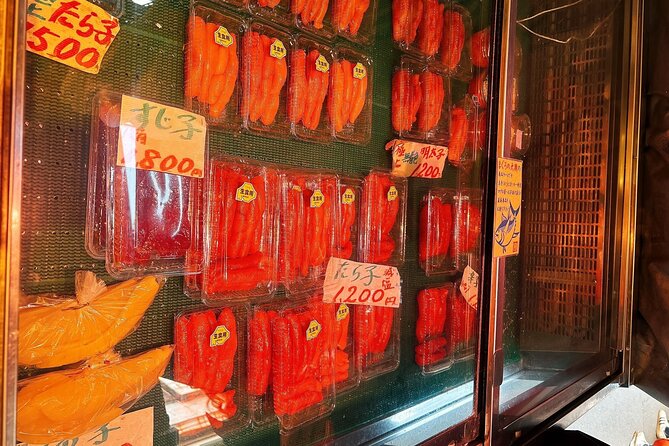
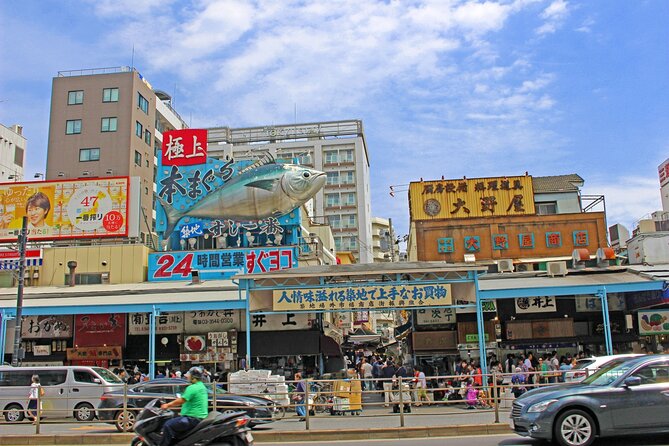
The core experience is the walk through Tsukiji Jogai Market, where the scale is the first surprise. This area is tied to an 83-year history as a central wholesale market, and it handles huge variety, including around 480 seafood and 270 produce categories. Without guidance, that can feel like sensory overload. With guidance, it turns into a map.
This is where the tour’s value shows up. A good guide helps you read the market like a system, not like a random maze. Guides such as Miyuki or Erica (names you may see associated with past groups) tend to focus on helping you find your bearings and understand what you’re looking at, even if your personal interest is mainly food.
A practical tip: plan to taste small amounts rather than trying to do a full buffet of purchases. Since food and drinks are not included, you’ll be making your own calls at stalls. A guide’s advice can help you choose what’s most worth your money that day.
A balanced note: one person noted they wanted even more explanation during the walk, but they still appreciated the local guidance. That tells me the experience quality can depend on what your guide emphasizes and what you ask. If you want deeper talk, ask simple questions, like what ingredients are seasonal or what locals usually pick up first.
What you’ll do in the market, and how to not get stuck
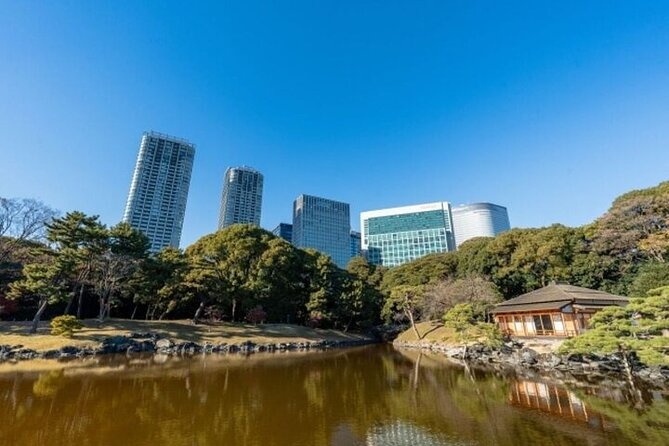
You won’t be wandering aimlessly. The tour structure keeps you moving between stops so you can see a spread of sights without burning time. You’ll also get a feel for where to pause for tasting opportunities and where to keep moving.
Since the tour does not include lunch, I think this format is best if you treat it like a smart pre-meal course. Get a few tastings, then plan a bigger meal later. You’ll enjoy the food more when you’re not also trying to force a full meal into a walking tour.
Also, keep your expectations realistic. Tsukiji is busy by nature, and you’ll be walking. Comfortable shoes matter more than you think.
Hama Rikyu Gardens: the Edo-period garden break you actually feel
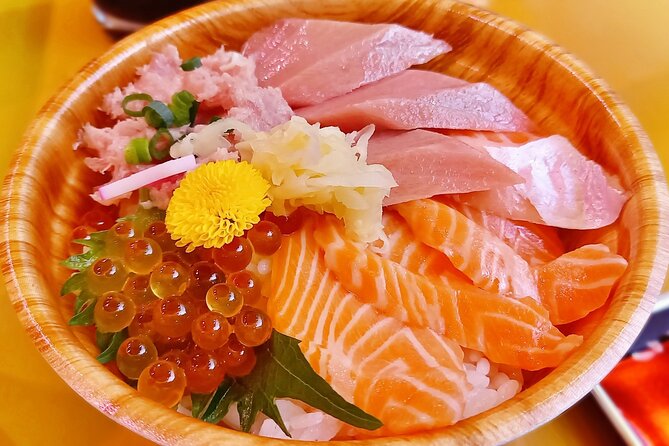
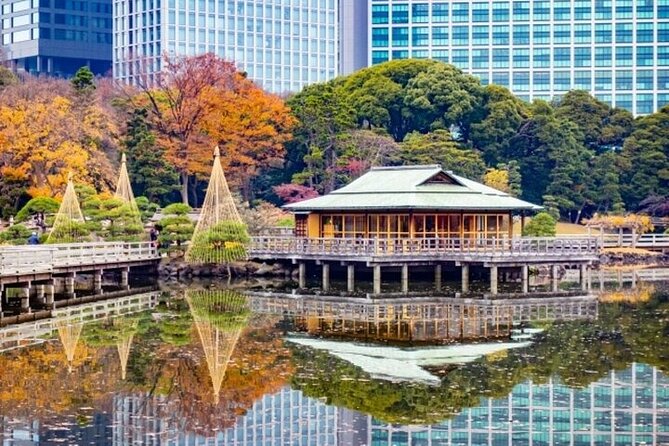
Then comes the payoff: Hama Rikyu Gardens. This is an Edo-period garden, and what I like most is the contrast. You’re near Tsukiji, surrounded by Tokyo’s skyline, yet the paths and water features create a calm escape.
Admission is included (300 yen per person on the tour), so you’re not juggling additional payments mid-day. The garden portion is about an hour, which is perfect for people who want a real stroll without turning it into an all-afternoon project.
The garden setting also connects nicely with the market part. Tsukiji tells you how Tokyo eats. Hama Rikyu gives you a slower way to experience Tokyo, which helps the whole outing feel like more than two separate stops.
You can also read our reviews of more food & drink experiences in Tokyo




The optional matcha and wagashi etiquette tasting
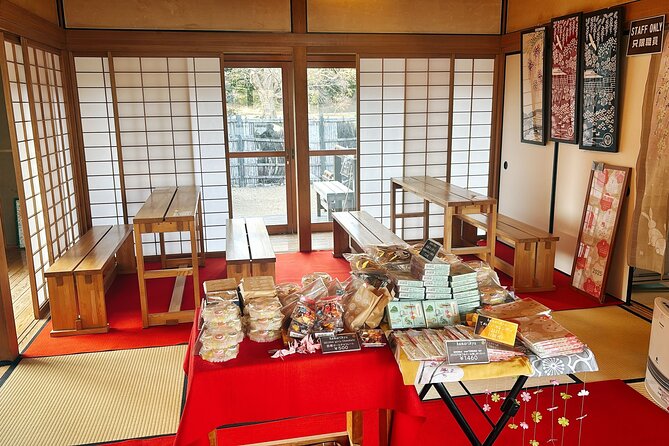
If the day’s schedule allows, you can add a matcha and wagashi moment that focuses on Japanese etiquette. It’s optional and costs about 1,000 yen, paid on-site.
This is one of those add-ons that can be genuinely worth it if you’re curious. Even if you don’t know the etiquette terms, you’ll learn what people pay attention to, and tasting wagashi alongside matcha helps turn cultural info into something you can actually remember.
If you’d rather keep it purely sightseeing and walking, you can skip it. The tour still gives you the temple, the market walk, and the garden admission.
Walking tour reality check: group size and pacing
The group is capped at 12 travelers, and that’s a big deal for a walking tour. You get a guide, you get attention, and you’re less likely to end up in a giant cluster that can’t move.
In smaller groups, I’ve found the experience becomes more adjustable. If someone needs a restroom break, the pace can soften. If you want a photo stop, you’re less likely to be rushed out of every moment.
Still, this is a walking tour with a fixed flow. If you’re the type who needs long, quiet time in each place, you may prefer a slower self-guided itinerary for the temple and garden.
Price and what you’re really paying for
The price is $32.32 per person, and the tour is designed for value through guided time and a key paid entry. Two major stops are free: Tsukiji Hongwanji Temple and the market area. Hama Rikyu admission is included (300 yen).
So where does the money go? Mostly into the local guide, the routing, and the market-to-garden transition. You’re paying for someone to help you make sense of Tsukiji’s scale and to get you into Hama Rikyu without extra hassle.
Is it cheap? Not exactly. But for a short outing that combines cultural context, a real garden admission, and a guided market experience, it’s a fair deal, especially if you’d otherwise spend time figuring out what to see and where to stand.
My advice: bring cashless payment and keep a realistic snack budget. If you spend like a shopper, you’ll get a lot out of the tastings. If you spend nothing, you may feel the gap between walking and eating.
How to plan your morning around this tour
This kind of tour shines when you go in with a plan for the rest of your day. Since food is on you, decide whether you want to treat Tsukiji tastings as appetizers. Then choose a lunch spot near where the tour ends so you’re not crisscrossing Tokyo after you’re tired.
Also, aim to start the day with water and a light snack if you think you’ll feel hungry during the market section. The market can move fast, and you’ll want the energy to keep walking through the stalls and sights.
You should also plan clothing for city walking. A light layer helps if the weather swings, and comfortable shoes will save you.
Who this tour fits best (and who should skip)
This tour is a great fit if you want:
- A short, guided Tsukiji market experience without spending hours researching stall-by-stall options
- A structured break at Hama Rikyu where you can reset after the market
- Optional cultural tasting (matcha and wagashi etiquette) if it sounds fun rather than forced
It may not be the best fit if:
- You want lunch fully included in the tour price
- You prefer a slow, unhurried visit where you can linger for long stretches
- You expect a heavy emphasis on food sampling with lots of included tastings
The best way to get value from your guide
Even though food isn’t included, your guide can still make the whole thing feel more satisfying. Ask quick, practical questions. Good ones are things like what’s seasonal, what to try first, and how to avoid wasting money on items that won’t match your tastes.
Past comments associated with guides like Pepito, Masumi, Miyuki, Yuko, and Erica suggest a mix of teaching styles. Some focus on history and current knowledge, some focus more on walking and direction, and some offer warm, friendly pacing with attention to the group.
So here’s my approach: go with curiosity. If you want more explanation, ask for it early. If you’re happy with a guided route and helpful wayfinding, you’ll probably enjoy the flow.
Should you book the Tsukiji Food Strolling and Hama Rikyu Garden Walking Tour?
I’d book this tour if you want a smart, time-efficient Tokyo morning that connects food culture to garden calm. The highlights are the guided context at Tsukiji and the included Hama Rikyu admission that turns your visit into something more than a quick photo stop.
But I’d hesitate if your main goal is eating a full spread. Because lunch and drinks are not included, you need to budget for your own snacks and possibly an extra matcha and wagashi etiquette tasting.
If you like small-group walking, enjoy cultural context, and you want a natural rhythm from market to garden, this is the kind of tour that makes Tokyo feel manageable.
FAQ
What is included in the tour price?
You get a local tour guide, and admission to Hama Rikyu Gardens is included (300 yen per person). Food and drinks are not included, so you’ll buy snacks and any meals yourself.
How long is the tour?
The tour runs about 2 hours 30 minutes.
Do I need to pay for Tsukiji Hongwanji Temple or the market area?
No. The temple stop and the market area stops are free.
Is the matcha and wagashi tasting included?
It’s optional. It is about 1,000 yen and is payable on-site.
Where does the tour start?
The meeting point is at Starbucks Coffee – Tsukiji Station in Tsukiji (Chuo City), Tokyo.
Where does the tour end?
It ends at Hama Rikyu Gardens. The tour notes dismissal at the tea house in the garden, and those who wish can be escorted to the entrance gate.
How big is the group?
The maximum group size is 12 travelers.
Can I get a refund if plans change?
Yes, free cancellation is offered if you cancel up to 24 hours in advance of the experience’s start time.
More Walking Tours in Tokyo
More Tours in Tokyo





More Tour Reviews in Tokyo


Not for you? Here's more nearby things to do in Tokyo we have reviewed












Tsukiji Market Tours, side by side.
 ★ 5.0Tokyo Tsukiji Fish Market Food and Culture Walking TourFrom $993,184 reviews
 ★ 5.0Tsukiji Fish Market Food and Walking tourFrom $301,724 reviews
 ★ 4.9Tsukiji Fish Market Guided Walking TourFrom $221,397 reviews
 ★ 5.0Tokyo Sushi Making Class in Tsukiji with Professional ChefFrom $491,177 reviews
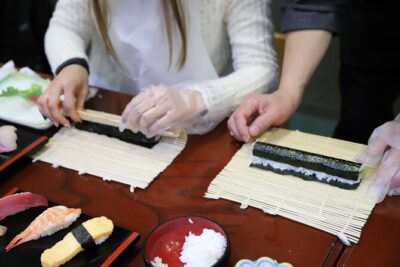 ★ 5.0Tsukiji Fish Market Guided Tour and Sushi Making with Pro ChefFrom $104775 reviews
★ 4.7Tsukiji Fish Market Food and Culture Walking TourFrom $96757 reviews
★ 5.0Tsukiji Fish Market Guided Tour and Sushi Making with Pro ChefFrom $104775 reviews
★ 4.7Tsukiji Fish Market Food and Culture Walking TourFrom $96757 reviews
 ★ 5.0Tsukiji Fish Market: Street Food & Culture Walking TourFrom $33669 reviews
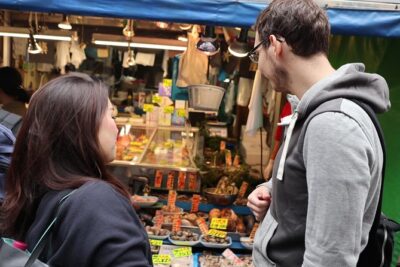 ★ 5.0Tsukiji Fish Market Small-Group Food Walking TourFrom $87621 reviews
This tour also belongs to