
Review · TOKYO CITY TOURS
Yanaka Historical Walking Tour in Tokyo’s Old Town
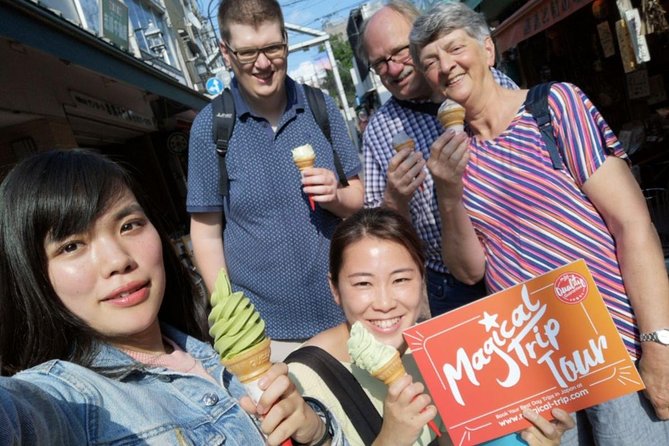
Yanaka feels like Tokyo before Tokyo. This small-group walk through the Yanaka Ginza area comes with guide stories, easy pacing for most people, and food tastings built into the route. Two standout moments for me are the Nezu Shrine torii gates and the calm, local feel of Yanaka’s back streets. One thing to consider, though, is that this is not a full lunch or dinner, so you’ll want to eat beforehand.
You also get something you can’t easily copy on your own: the guide’s way of linking places to everyday Japanese life. The group stays small (max 7 travelers), so questions come up naturally, and you spend less time waiting and more time walking and looking. I like that the tour ends in Yanaka, with the guide pointing you toward what to do next.
What you should watch for is timing. The tour starts at 1:30 pm and runs about 3 hours 30 minutes, and you will not be able to join late or miss the group. If you’re the type who likes a slow morning, plan your day so you arrive early.
Key Things I’d Put on Your Radar
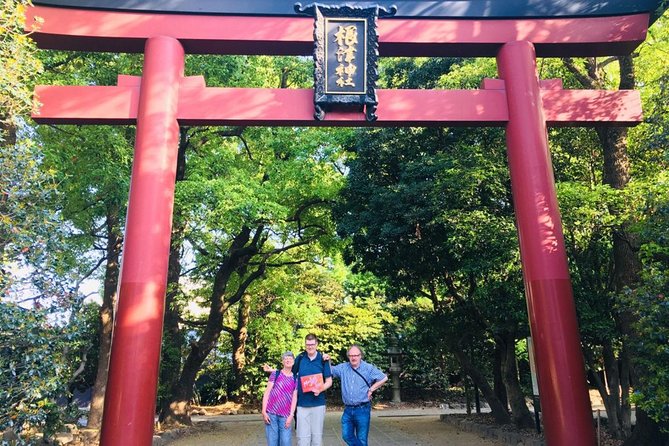
- Nezu Shrine torii gates: a Shinto-style stop that can feel like a mini Kyoto detour.
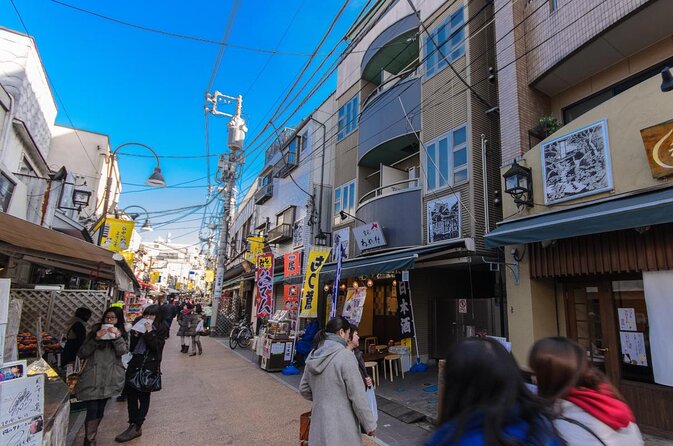
- Yanaka back streets, real-life vibes: you’re not just looking at sights, you’re seeing how people live.
- Cafe Neko-e-mon cat painting: a hands-on break in an old folk house setting.
- Yanaka Ginza snack stroll: nostalgic shopping energy with street-food samples.
- Small group size (max 7): easier conversation, better pacing, fewer crowds.
- Not a full meal: tastings are included, but you should eat before you go.
Why Yanaka, Nezu, and Yanaka Ginza Work So Well on a Half-Afternoon
Yanaka is the part of Tokyo where time seems to slow down just enough to notice details. You’ll trade the big, showy sights for quieter streets, small shops, and shrine and neighborhood rhythms that make Tokyo feel human-scale.
This tour is built for that feeling. You walk at a leisurely pace with moderate fitness in mind, and the guide commentary is timed to what you’re actually seeing in front of you. That matters, because Yanaka reads differently from a photo than it does in person. You notice the textures, the small doorways, the signs tucked into residential blocks, and the way shrines and cemeteries sit quietly within everyday life.
One more practical plus: you get a break that isn’t just sitting in a café. The route includes a creative stop, where you make a lucky cat while having dessert and a drink. It turns the afternoon from sightseeing into a memory you can take home.
You can also read our reviews of more walking tours in Tokyo


Nezu Shrine Torii Gates, the Shinto Feel, and a Kyoto-Style Comparison
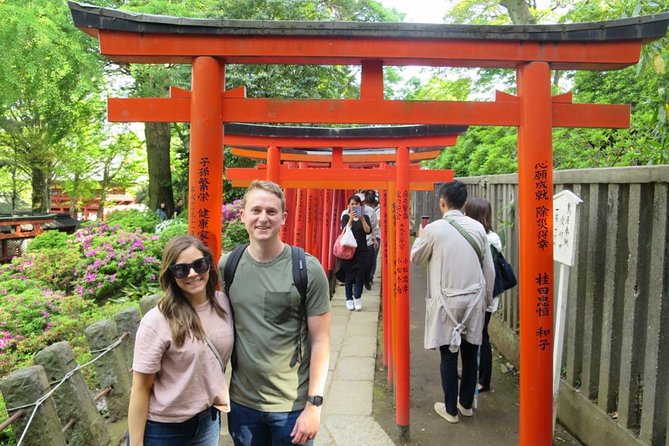
Nezu Shrine is the kind of place that can change your mood fast. The highlight here is the continuous torii gates, which many people immediately connect to Fushimi Inari in Kyoto. It’s the same idea of a shrine approach that feels like you’re walking through a world that has its own rules.
When you cross the red archway, you get more than a photo moment. You get the Shinto vibe explained in a way that makes sense when you’re standing there. You’ll see how the shrine setting works as a spiritual space and how it fits into the area around it.
Also, Nezu Shrine sets the tone for the entire walk. After that, Yanaka Ginza and the residential lanes feel less like random neighborhoods and more like a connected map of Tokyo’s older layers. And because this stop lasts about 30 minutes, it doesn’t eat the day. You’re still moving to the quieter parts without feeling rushed.
Yanaka District Lanes, Neighborhood Living, and the Lunch-Feeling Segment
After Nezu Shrine, you head into Yanaka itself, which is where the tour starts to feel like you’re walking with a local who actually knows the patterns of the area. This is a residential stretch, and the point is to help you get a sense of daily life rather than just a list of buildings to spot.
There’s also a food component tied to this part of the route. You’ll see the area and enjoy a traditional Japanese lunch feel, plus local food samples along the way. The key word is samples, not a full feast. This is where I recommend you follow the tour’s own guidance: eat a proper meal before you start, so the tastings feel like extras instead of your only food.
If you’re worried about finding your way on your own, this segment helps. Yanaka has lots of back streets and small storefronts that are easy to miss when you’re just following the obvious main roads. With a guide, you stop where it matters, and you get context for what you’re seeing, not just what it is called.
Passing Nezu Museum Without Breaking the Flow
You’ll also pass by Nezu Museum as part of the route. The tour doesn’t turn this into a long museum detour, so you keep the walking rhythm and still collect the context of the area’s cultural side.
Even without a full museum visit, this kind of pass can be useful. Tokyo is full of cultural institutions, but many of them only make sense when you understand the neighborhood around them. Seeing a museum in the middle of the old-town setting helps you remember that Yanaka isn’t only shrines and shops. It’s also a place where art and heritage show up in ordinary life.
Cafe Neko-e-mon, Lucky Cat Painting, and a Rest Stop That Feels Like a Little Ceremony
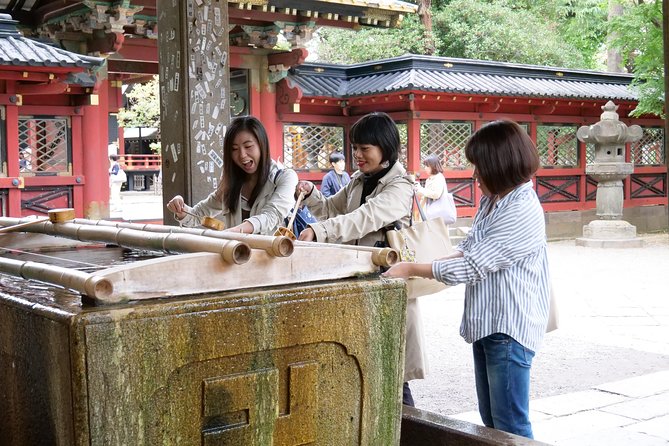
This is one of the tour’s biggest crowd-pleasers because it’s hands-on. At Cafe Neko-e-mon, you experience painting a Japanese cat doll, and that creative session comes with dessert and a drink. It’s timed after a longer walk, so it feels like a planned breather instead of an awkward stop.
What I like about this part is the setting. Reviews and tour notes point out an old-house atmosphere, where you’re not just ordering food, you’re doing an activity in a space that fits the Yanaka vibe. And the lucky cat theme gives you a take-home souvenir that doesn’t feel like generic shopping.
It also does something smart for the group experience. When everyone makes something small and personal at the same time, you naturally slow down, chat, and enjoy the break. Some guides are especially good at explaining the idea behind lucky cat traditions in a way that stays friendly and not lecture-like, and this stop is where you see that warmth in action.
You can also read our reviews of more historical tours in Tokyo

Yanaka Ginza Shopping Street Snacks, Old-Town Browsing, and Nostalgic Energy
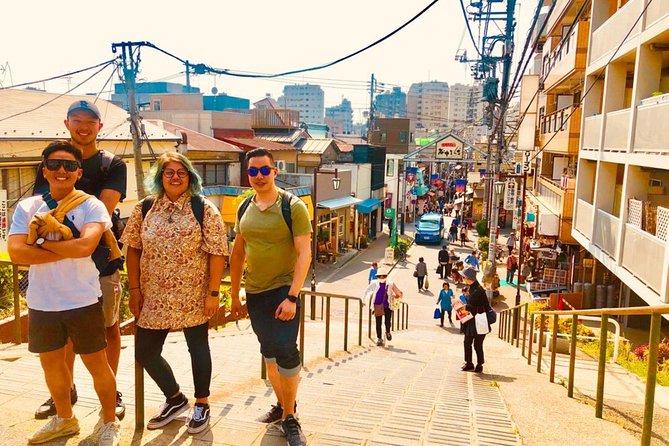
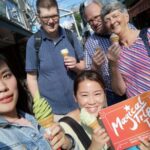
Then the tour hits Yanaka Ginza Shopping Street, where the atmosphere turns more classic Tokyo market-and-street feeling. This is where you get street-food samples and a chance to browse at a relaxed pace.
The best part about the shopping street segment is that it’s not about rushing to the next photo. It’s about strolling through a place that feels like it’s built for everyday wandering. You can pop into small spots along the way, and the snack tastings help you sample without needing to plan each purchase.
If you’re the type who likes to understand what people actually eat and buy, this section is a win. The guide’s commentary ties the street-food experience back to the neighborhood character, so the snack feels like part of Yanaka’s story rather than a random bite.
The 3 Hours 30 Minutes Rhythm, Small Group Size, and Why It Feels Less Crowded
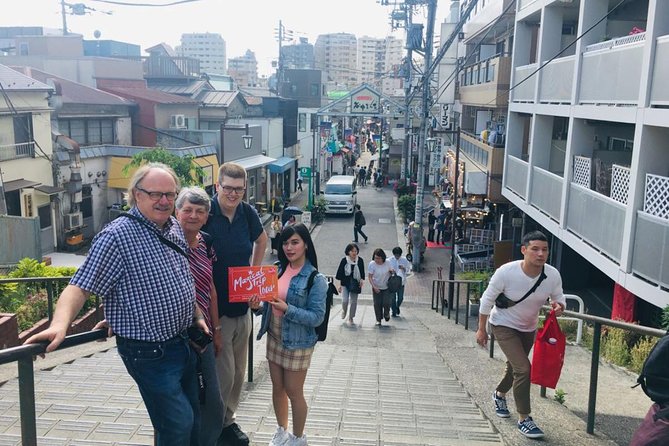
This is a small-group tour with a maximum of 7 travelers, and that size matters more than you might think. With fewer people, the guide can adjust pace on the fly. If you want to ask questions, you can. If someone needs a slower moment near a shrine or shop, the group doesn’t feel like it’s being dragged.
The total time is about 3 hours 30 minutes, and the route is spaced so you don’t get stuck in one location too long. You start at 1:30 pm, hit Nezu Shrine first, then spend real time moving through Yanaka and shopping streets, and finish in Yanaka.
You’ll also want to know where it ends. The tour finishes at 7-chōme-6-10 Yanaka, and the guide helps you navigate your next destination. That’s small, but it’s helpful, especially if Yanaka is new to you and you want to keep the momentum after the tour.
Guides You’ll Enjoy: From Nao and Aoi to Hana and Mike
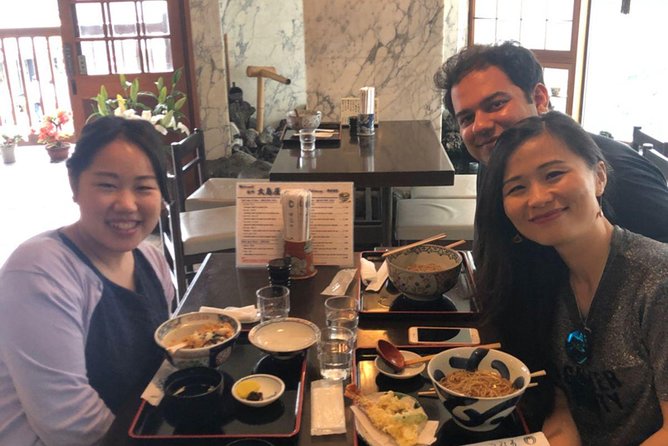
One reason this tour gets such strong feedback is the consistency of the guide experience. You’ll see names like Nao, Aoi, Chihero, Hana, Hina, Kazu, and Mike connected with the tour, and the themes are the same: personable guides, strong English, and a local perspective that makes the neighborhood feel understandable.
Some guides bring in personal angles too. For example, one guide is noted for sharing family history related to World War II, which adds an emotional layer to what you’re seeing. Another guide is described as taking guests through back streets and pointing out small shops and traditional houses that many people would not find alone.
You don’t need to choose a guide in advance for this to be worthwhile, but it helps to know what you’re likely to get. A good guide here does not just name places. They explain why a shrine matters, how the neighborhood is used, and what to pay attention to as you walk.
Price Check: $81.26, What You’re Really Paying For, and How to Get Value
The price is $81.26 per person, and for Tokyo, it can feel reasonable once you break down what’s included. You’re paying for more than walking. You’re paying for:
- Guided commentary that connects sites to daily life
- Included food tastings
- A paid creative stop at Cafe Neko-e-mon (where dessert and drink are included, and you paint a lucky cat)
- The small-group experience, max 7 travelers
In other words, the value comes from combining culture + food + a hands-on souvenir, not just checking off landmarks. If you like tours where you come away with photos and something you made, this has that built-in.
One caution on value: if you show up hungry expecting a full meal, you might feel shortchanged. The tour notes are clear that a full lunch or dinner isn’t included. If you eat beforehand, those tastings feel like bonuses. If you skip breakfast and lunch, the tour becomes harder to enjoy.
Food Tastings, Dessert, and Dietary Reality in Japan
The tour includes food tastings, plus dessert and a drink at the cat-painting café. That’s the good news.
The practical part is dietary. Dietary requests made on the day of the tour cannot be accommodated, and you also need to know that allergy-free meals cannot be guaranteed because the food is prepared in kitchens not belonging to the operator. Substitutions might not be possible at certain stops.
My advice is simple: if you have a serious allergy or strict dietary needs, contact the operator at least one day before the tour and be ready for the fact that the safest plan might be to treat tastings as optional. Don’t gamble on trust alone.
Also, because the tour says the tastings are not a full meal, plan your timing. Eat a meal before you go, then enjoy the samples without needing them to carry your whole afternoon.
Weather, Summer Heat, Winter Cold, and the One Rule About Being Late
This is a good-weather experience. Japan’s climate has become more extreme, with summer highs of 40°C (110°F) and winter lows of -5°C (20°F), so dress accordingly. Even at a “leisurely pace,” you’ll still be outside for most of the tour.
Timing is also strict. The operator states that the tour must start on time, and if you’re late and miss the group, you cannot join, and refunds or rescheduling are not available. That’s not meant to be mean. It’s meant to keep the route working smoothly for everyone.
If you’re the type who likes to play it safe, arrive early, use the restroom before you start, and bring a water bottle. You’ll walk, stop, sample, paint, and browse. Being comfortable makes the whole afternoon better.
Who This Tour Is Best For (and Who Might Want a Different Plan)
This tour is a strong fit if you want a calmer Tokyo experience than the major tourist circuits. You’ll like it if you enjoy old neighborhoods, shrines, street-food culture, and small-group conversations that don’t feel rushed.
It’s also great for people who want a break from only looking. The lucky cat painting adds a creative moment, and the dessert and drink keep it from being just a classroom-style activity.
You might choose something else if you need a guaranteed fully customizable meal or if your schedule can’t support a 1:30 pm start time. Food accommodations are limited, and being late is not workable here.
Should You Book the Yanaka Historical Walking Tour?
I’d book it if you want a Tokyo afternoon that feels local, old-town, and pleasantly paced. The combination of Nezu Shrine, Yanaka’s residential lanes, Yanaka Ginza snacks, and the hands-on Cafe Neko-e-mon lucky cat session is exactly the kind of tour that turns wandering into a story you can remember.
It’s also a good choice when you want value. At $81.26, you’re not just buying time to walk. You’re paying for guided context and included experiences that would otherwise cost extra or take planning.
Before you commit, do two things: eat a real meal beforehand, and if you have dietary restrictions, plan ahead at least a day before your tour date. If you do that, this tour can be one of your most satisfying Tokyo experiences, the kind that makes the city feel personal.
FAQ
How long is the Yanaka Historical Walking Tour?
The tour lasts about 3 hours 30 minutes.
What does the tour include for food and activities?
You get food tastings, and the tour includes a stop at Cafe Neko-e-mon where you paint a Japanese cat doll and have dessert and a drink.
Is this tour a full lunch or dinner?
No. While there are Japanese food samples, a full lunch or dinner is not included. The tour suggests having a meal beforehand.
Can the tour accommodate dietary restrictions or allergies?
Dietary requests made on the day of the tour cannot be accommodated. Allergy-free meals cannot be guaranteed because food is prepared in kitchens not belonging to the operator. If you have dietary restrictions, inform them at least one day before the tour.
How many people are in the group?
The tour has a maximum of 7 travelers.
What happens if the weather is poor or you need to cancel?
The tour requires good weather. If it is canceled due to poor weather, you will be offered a different date or a full refund. You can cancel for a full refund up to 24 hours in advance; cancellations within 24 hours are not refunded.
More Walking Tours in Tokyo
More Tours in Tokyo



More Tour Reviews in Tokyo

Not for you? Here's more nearby things to do in Tokyo we have reviewed







Tokyo City Tours, side by side.
 ★ 5.01-Day Tokyo Bus TourFrom $12914,250 reviews
 ★ 4.5TOKYO SKYTREE® Admission ticketFrom $1311,192 reviews
 ★ 4.6teamLab Planets TOKYO Digital Art Museum Entry TicketFrom $259,779 reviews
 ★ 4.0Mt Fuji & Hakone Cruise, Drum Show Bullet Train 1 Day from TokyoFrom $1497,413 reviews
 ★ 5.0Shinjuku Food Tour (13 Dishes at 4 Local Eateries)From $866,603 reviews
 ★ 4.4Tokyo Mt Fuji 5th St & Hakone Cruise Bus Tour w/Bullet TrainFrom $1545,024 reviews
 ★ 5.0Flagship 2-Hours Official Street Go-Kart Tour – Tokyo Bay ShopFrom $644,974 reviews
 ★ 4.5From Tokyo: Mount Fuji Full-Day Sightseeing TripFrom $684,970 reviews
This tour also belongs to