
Review · KAMAKURA DAY TRIPS
Kamakura: Great Buddha, Hase Temple, & Komachi Street Tour
Kamakura hits hard in just eight hours. I love how this tour gets you straight to the big sights, with the open-air Great Buddha at Kōtoku-in and a guide who keeps the temple and shrine details clear. Tokyo pickup also saves your morning, so you do not spend the day figuring out connections. The tradeoff is simple: you will do a good amount of walking and ride public transport, and some stations have few elevators or escalators, so comfortable shoes and a quick note to your guide about stairs really help.
I also like the pacing. The Enoden local train gives you that everyday Kamakura rhythm, and later Komachi Dori turns the day into real shopping and snack wandering in a historic setting. If you want to swap in extra time for shopping after the tour, you can, as long as you keep your timing realistic.
Key things to know before you go
- Tokyo hotel pickup and a private group pace: get going fast, with a guide working specifically for your group of up to 6.
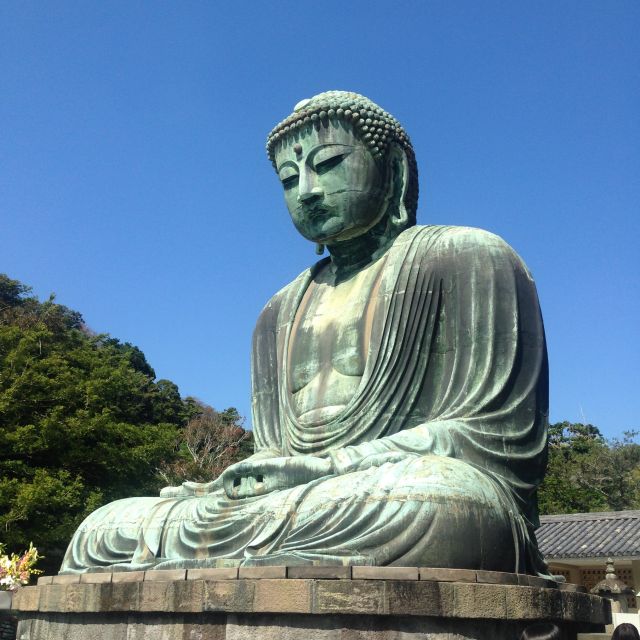
- Kōtoku-in Great Buddha is outdoors: you see Japan’s huge Buddha in an open-air setting, not tucked inside a building.
- Hase-dera is about flowers, especially hydrangea season: plan around the bloom time if you can.
- Enoden is part of the experience, not just transport: a short local ride helps break up the temple walking.
- Hokokuji Bamboo Forest adds a quieter mood: a different texture from the shrines and streets.
- Tsurugaoka Hachimangu plus Komachi Dori is the best combo for temples and gifts: shrine first, then shopping.
Why starting in Tokyo makes Kamakura feel easy
Kamakura is a classic day trip from Tokyo, but the annoying part is always the same, figuring out trains, transfers, and which station puts you closest to the sights. This tour fixes that by handling pickup in Tokyo first, at your hotel lobby within the Tokyo 23 wards. That means you start with a plan already in motion, and you can spend your energy on the sights.
You are also not stuck in a huge group. This is a private group experience for up to 6 people, and the full day runs about 8 hours. In practical terms, that feels like a sweet spot: long enough to see the major icons of Kamakura, not so long that you burn out before Komachi Dori shopping.
You can also read our reviews of more tours and experiences in Kamakura.
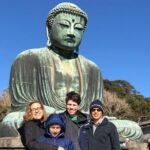
The Great Buddha at Kōtoku-in, huge and wonderfully exposed
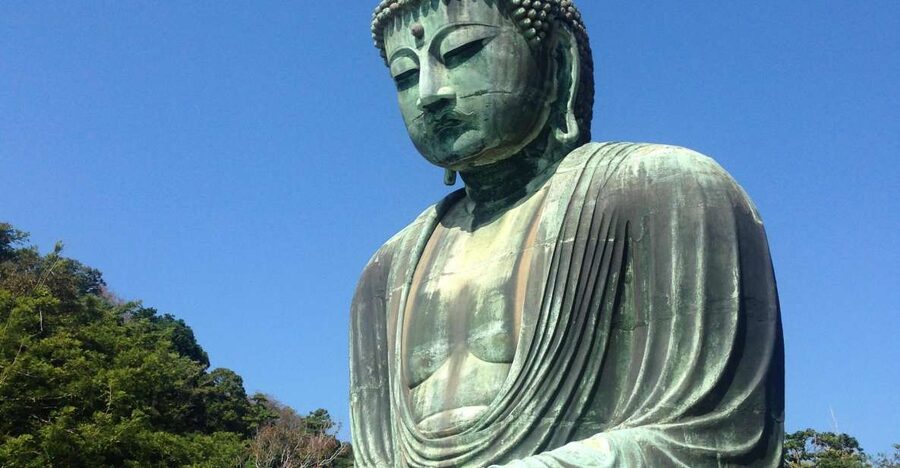
The day’s first big wow is the Great Buddha at Kōtoku-in. This statue is famous for a reason, it is the second largest Buddha in Japan, and it is placed in an open-air setting. That changes the feel immediately. Indoors, big sculptures can feel enclosed and dim. Outside, the Buddha reads bigger, and the whole space feels calmer, even when the area is active.
This stop is also where the guide matters most. A strong local guide helps you look beyond the photo moment and understand what you are actually seeing and why it is treasured. In the guide feedback, I saw multiple names praised for clear explanations, including Ena, Shizuko, Mina, and Rie-san. That kind of context turns the Great Buddha from a landmark you recognize into a place you understand.
Practical note: since it is outdoors, your comfort depends on conditions. Wear the shoes you can walk in all day, and expect a bit of outdoor time while you get your bearings.
Hase-dera temple stroll, hydrangea season and wish-making
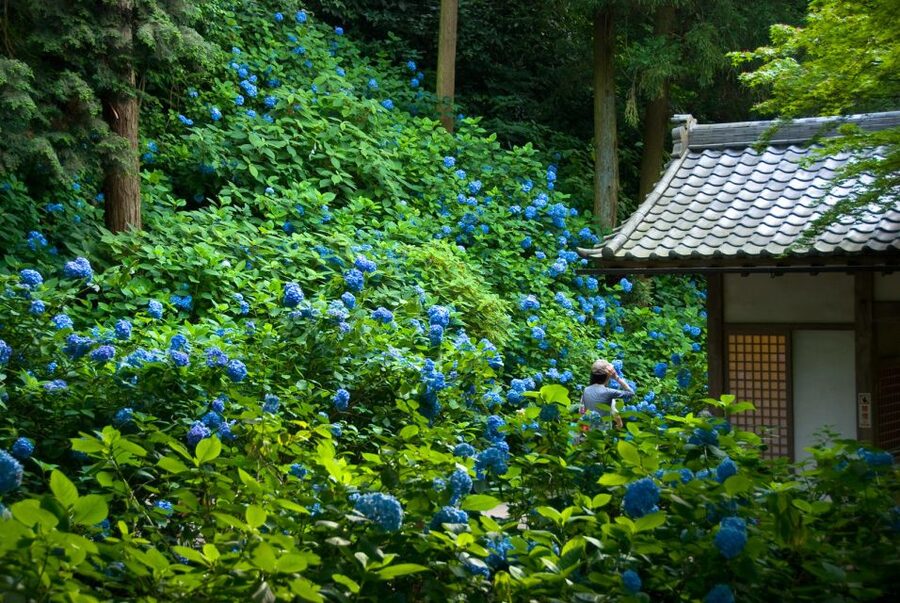
Next up is Hase-dera, one of Kamakura’s most enjoyable temple areas for people who like atmosphere and small details. The big draw here is flowers, especially hydrangea, and the season timing changes what you notice as you walk. If you travel during hydrangea months, you will likely feel like the temple is built around the bloom schedule.
Hase-dera is not only about pretty gardens. It is also packed with religious figures you can find while you stroll: Buddhas, Kannon (often linked with compassion), and even gods of wealth. The idea is that you can make a wish for fortune, which gives the walk a playful purpose, not just sightseeing.
A useful way to enjoy Hase-dera is to slow down and let your guide point out what you would otherwise miss. That is where having a professional local guide can feel like value, because these places have layers, and a good explanation makes each layer click.
Enoden ride time, the small local train break you will remember
Between temple and shrine stops, the tour includes a ride on the Enoden local small train. This is one of those rare parts where the transport is actually part of the tourism. You are not just moving from point A to point B. You get a short slice of how local people experience Kamakura day to day.
The Enoden segment is brief, around 10 minutes in the schedule, but it does the job of breaking up walking. You also get a more human scale than you do with bigger rail lines. It is a good moment to look out, reset your legs, and be ready for the next stop.
One more practical thing: because the tour uses public transportation, you will want to follow your guide’s lead on station navigation. The tour instructions mention that many stations have few elevators or escalators, so if stairs are an issue for you, tell your guide early and they can plan accordingly.
Lunch in a local restaurant, seafood reputation and request-based options
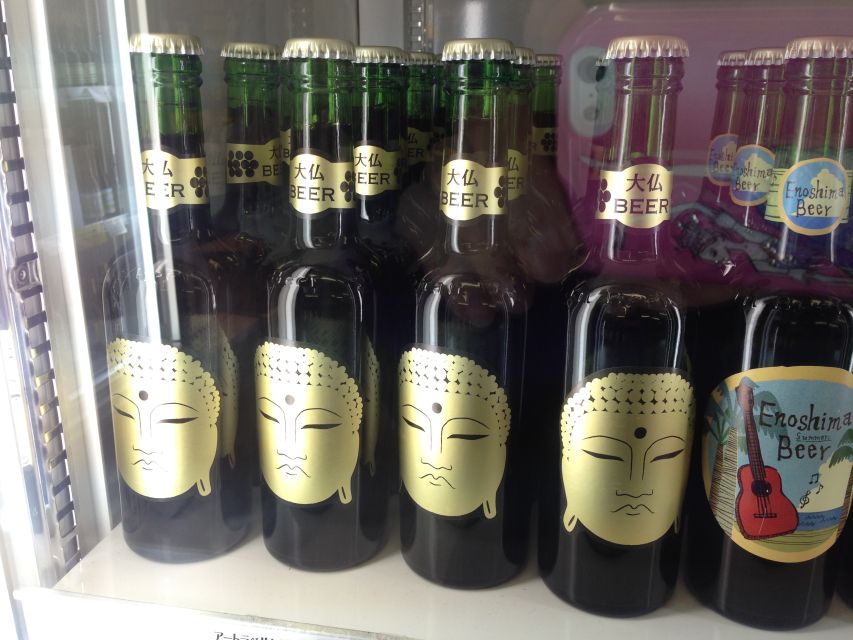
Lunch happens at a local restaurant during the day. Kamakura is especially known for seafood, so it makes sense that seafood often shows up on menus. The helpful part is that the tour setup allows for adjustments, other foods can be arranged based on your request.
One detail that matters: lunch is not included for guests or the guide. So think of lunch as part of your on-the-day budgeting, and treat it as your chance to eat what Kamakura does best, with the flexibility to avoid seafood if you want something else.
If you like a little guidance during ordering, you may be in luck. In the feedback, Shizuko stood out for being attentive at lunch and helping people understand how the meal worked.
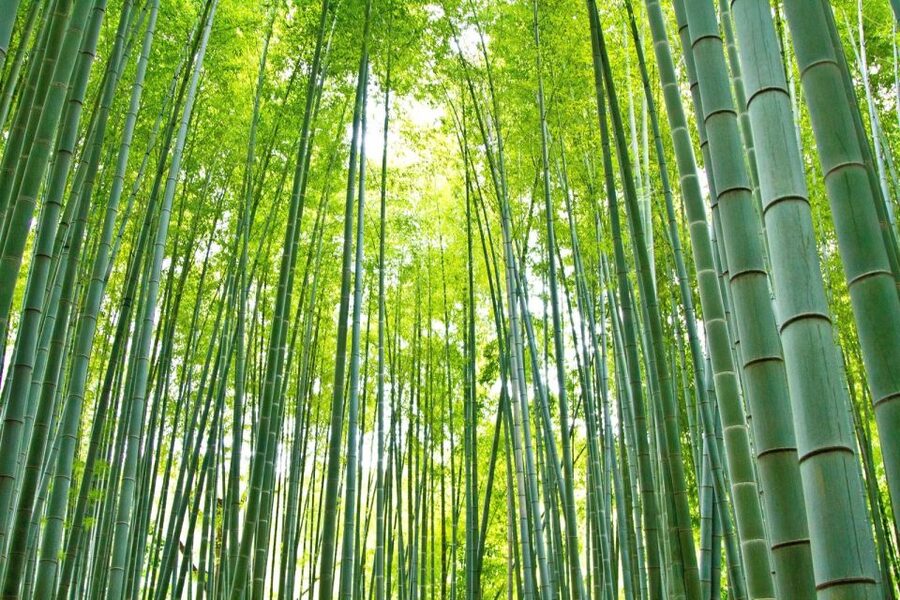
Hokokuji Bamboo Forest, a pause that feels different
After lunch, the route includes Hokokuji Bamboo Forest. This is where the day changes texture. Temples and shopping streets can feel busy in their own ways, while bamboo often creates a quieter rhythm, with vertical lines and that distinct light filtering through stalks.
The schedule uses a short bus or coach transfer on the way in, about 15 minutes, which helps you conserve energy for the walk inside the bamboo area. In other words, this is not a long slog for a side stop. It is a timed breather.
If you like variety in a one-day plan, this bamboo forest slot is a smart add. It gives you a different sensory memory from the Great Buddha and Hase-dera flower stops.
Tsurugaoka Hachimangu shrine and Komachi Dori shopping
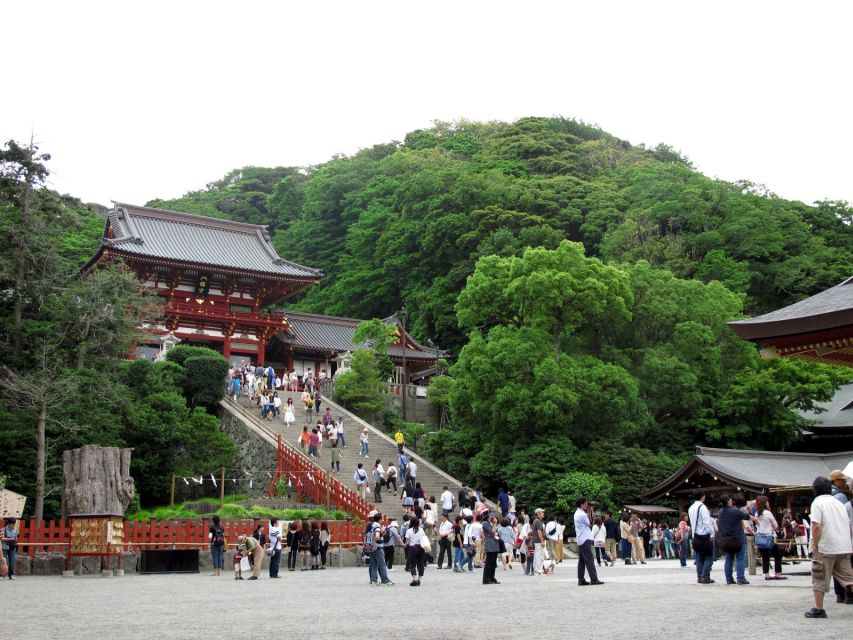
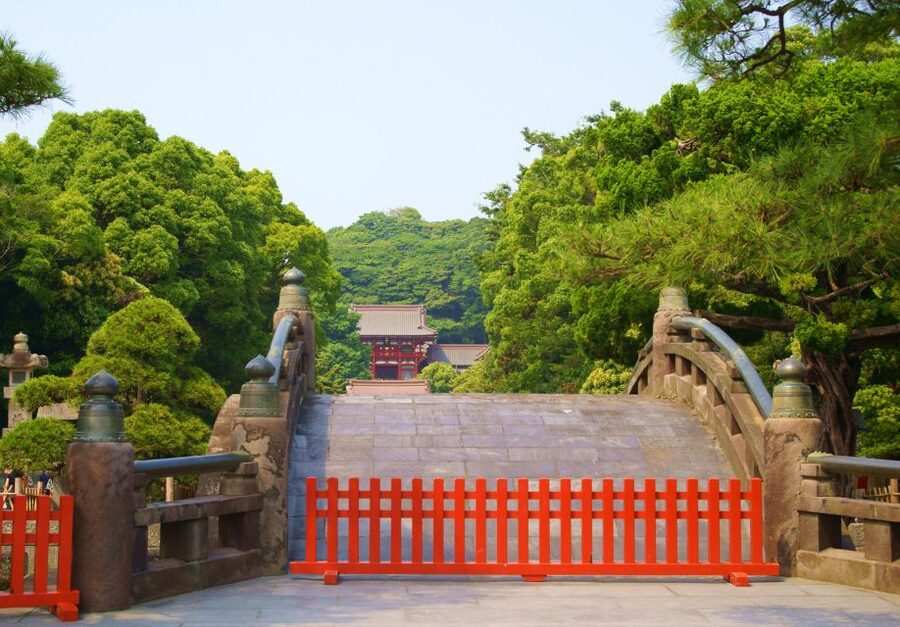
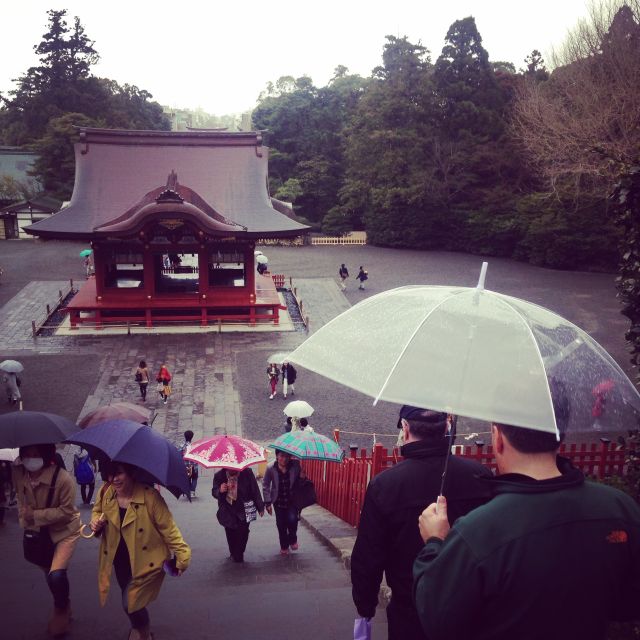
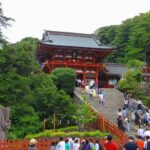
The next anchor is Tsurugaoka Hachimangu, one of Kamakura’s best-known shrines. Here, you switch from the temple focus to shrine focus, and that shift is part of what makes Kamakura fun to compare in a single day. A guide helps you read the area beyond the obvious, so you do not just walk through, you notice.
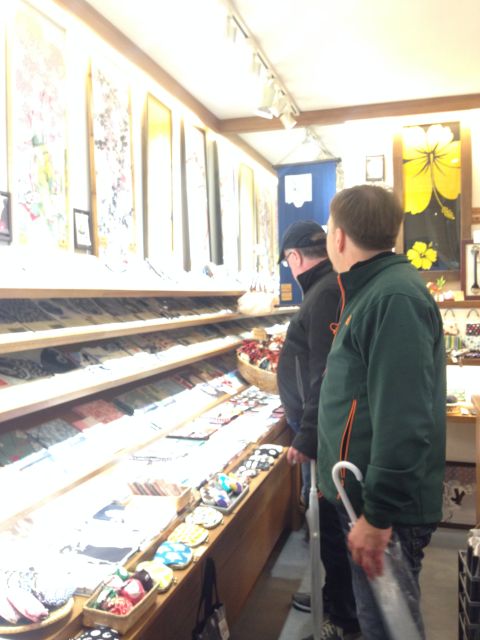
After the shrine, the tour moves into Komachi Dori Street for shopping and browsing. This part is important because it is where Kamakura stops being only religious sightseeing and becomes everyday local culture. You can pick up gifts and snacks, and the street rhythm gives you an easy way to enjoy the afternoon at your own pace.
This is also where the guide’s help can feel very practical. One guide, Ena, was praised for finishing with shopping and pointing out items with significance to Kamakura, so you know what you are actually buying.
If you want to linger, the tour notes that you can stay longer for shopping after the tour. That is ideal if you time your souvenirs for a calmer moment, not while you are rushing between gates.
Enoden to the return, keeping the day from dragging
The day winds down after Komachi Dori. You head back by train, with another about 1 hour rail segment in the schedule. This final travel time matters because it shapes the overall mood. When the plan has a clear ending, you avoid the slow feeling that can happen on half-planned day trips.
You also finish back in Tokyo, in the Shinjuku area. Since pickup is at your hotel lobby in the Tokyo 23 wards, this return structure tends to feel cleaner than public meeting points.
Price and logistics, what you really pay for
The price is $530 per group, up to 6 people, for an 8-hour private tour. That is not cheap on paper, but the value question is really about how many people share it and what you would otherwise pay in time and stress.
At full capacity of 6 people, you are roughly looking at under $90 per person before add-ons. If you travel as a smaller group, your per-person cost rises. In both cases, the guide is the core included service.
What is included is straightforward: you get a professional local guide and pickup from your Tokyo hotel lobby. What is not included matters for budgeting:
- Transportation fees for guests
- Entrance fees for guests (and entrance for the guide when needed)
- Lunch for guests and the guide
So you should expect a separate day-of spend for transit and site entry. That is normal for tours like this, and it is also why this format can still be good value: you are paying for guidance and routing, not for inflating the price with fees that vary by season and individual choices.
What kind of traveler this Kamakura tour fits best
This is a strong choice if you want a structured Kamakura day without doing all the planning. You get a clear route that hits big icons, flower-focused temple time, a local train ride, a bamboo forest mood change, and then shrine and shopping. If you like learning while you walk, this tour structure rewards you.
It also suits travelers who care about communication quality. The guide is available in English, French, German, and Spanish. During busy travel months like March-May and September-November, availability for some languages may be limited, so booking earlier helps.
From the feedback, the most praised aspect is the guides. I saw consistent praise for guides who spoke excellent English and who were attentive. Names that appeared in that positive pattern include Ena, Shizuko, Mina, and Rie-san. That matters because Kamakura is full of small details, and a good guide turns those details into meaning.
If you travel with kids, children under 5 are free of charge, which can make the group price more flexible.
Final call, should you book this Kamakura tour?
Book this tour if you want the key Kamakura sights in one day, with a guide who can explain what you are seeing while you move efficiently from place to place. It is especially appealing if you dislike the logistics side of day trips and prefer to show up, walk, and learn.
Skip it or adjust expectations if you are sensitive to walking and stairs. The tour relies on walking and public transportation, and some stations have limited elevator or escalator options. If that is your situation, tell your guide right away and plan for a slower pace.
If you fit the basics, this Kamakura route is a smart, enjoyable use of a day, with a Great Buddha you see in open air, Hase-dera’s flower energy, and Komachi Dori for the fun part at the end.
FAQ
Where is pickup in Tokyo, and where does the tour end?
The tour includes pickup from the lobby of your hotel in the Tokyo 23 wards. It finishes in Shinjuku, Tokyo.
How long does the Kamakura tour take?
The tour runs 8 hours.
How much does the tour cost?
The price is $530 per group, for groups of up to 6 people.
What sites are included during the day?
The tour includes Kōtoku-in (Great Buddha), Hase-dera, a ride on the Enoden local train, Hokokuji Bamboo Forest, Tsurugaoka Hachimangu, and time along Komachi Dori Street.
Is there a lot of walking or stairs?
Yes. You will walk and use public transportation. The tour notes that most stations have few elevators or escalators, so if you prefer elevators or escalators over stairs, you should let your guide know.
What is the cancellation policy?
You can cancel up to 30 days in advance for a 50% refund.
More Tours in Kamakura
More Tour Reviews in Kamakura
Not for you? Here's more nearby things to do in Kamakura we have reviewed

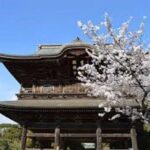
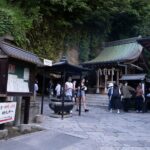
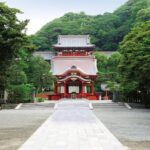

Kamakura Day Trips, side by side.
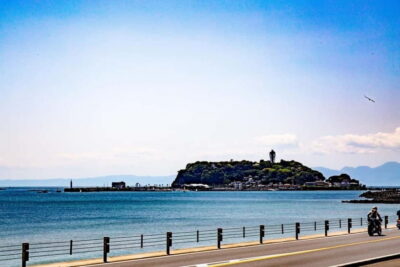 ★ 4.5Kamakura & Enoshima Day Trip including Temple TicketsFrom $581,375 reviews
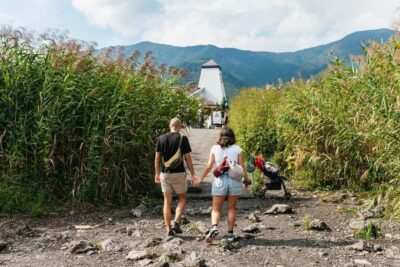 ★ 4.5Mt. Fuji, Kamakura, Big Buddha, & Lake Ashi Day TripFrom $49867 reviews
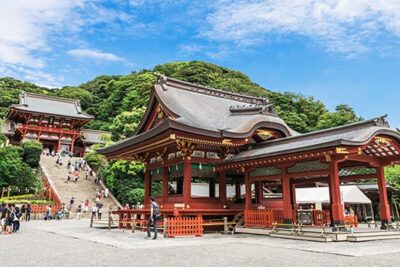 ★ 4.5From Tokyo: Kamakura & Enoshima 1-Day Bus TourFrom $66189 reviews
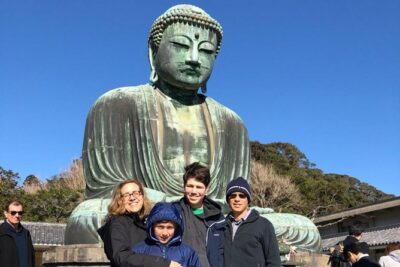 ★ 5.0Kamakura Historical Walking Tour with the Great BuddhaFrom $98129 reviews
 ★ 5.0Kamakura Private Tour: Temples, Nature, and the Great BuddhaFrom $98121 reviews
 ★ 5.0Kamakura Walking Tour – The City of ShogunFrom $35100 reviews
 ★ 5.0Kamakura 8 hr Private Walking Tour with Licensed Guide from TokyoFrom $20180 reviews
 ★ 4.1Kamakura & Enoshima Day Tour with Pickup & Train RideFrom $1361 reviews
This tour also belongs to