
Review · TOKYO TEA & SAKE EXPERIENCES
At an Antique Shop, Tea Ceremony and Japanese Sweets Forming
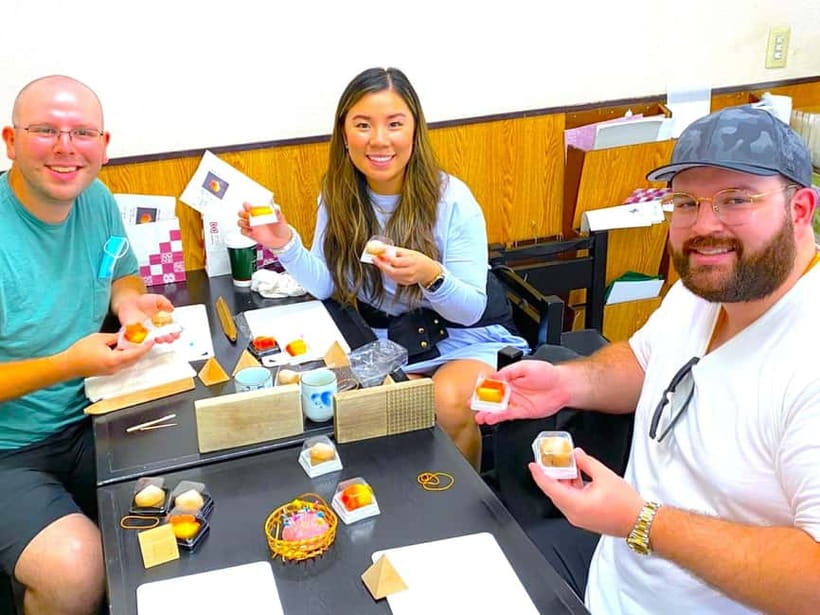
Tea tastes better in old wood. This experience mixes a traditional tea ceremony and hands-on Nerikiri wagashi in a 100-year-old roadside antique shop, the kind of place that feels like it was waiting for you.
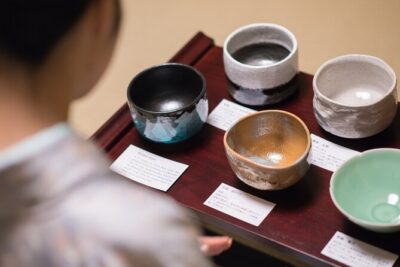
I love that you can browse the shop first and then actually choose the teacups for your session, including cups described as several hundred years old.
The second thing I like is how it keeps the focus on doing, not watching. You form Nerikiri, a type of wagashi made with mochi flour, with careful shaping and line work for a seasonal design, then you sit for the tea ceremony in a chair-friendly setup while eating what you made.
My one real caution is communication. The host is an artisan and may not speak English fluently, so you should be ready for a slower, simpler back-and-forth, with help provided in English when possible.
Key things to know before you go
- 100-year-old roadside antique shop setting, not a generic apartment-room class
- Choose your teacups, including some cups several hundred years old
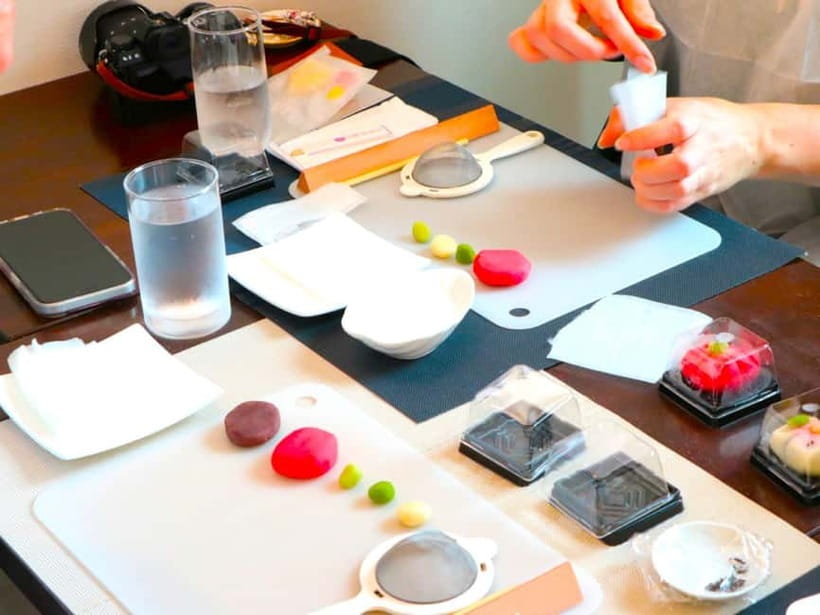
- Nerikiri wagashi with mochi flour, shaped by hand like colorful modeling clay
- Seasonal theme design, with careful tool lines for the final look
- Tea ceremony in a dedicated tea room with chairs, designed for comfortable viewing
- English support with an artisan host, so expect a calm, respectful pace
The 100-year-old antique shop makes this class feel real
Most tea classes and wagashi workshops happen in places that look like they could be anywhere. Here, the location is the point. This takes place in a roadside antique shop that is said to be around 100 years old, a setting that immediately changes your mindset. You are not just learning a routine, you are stepping into the objects and atmosphere that tea culture is built around.
Even better, the shop has been featured on CNN, which is a clue that it has a distinctive story and feel, not just a standard “activity stop.” When you arrive, you are encouraged to take your time looking at the antique tableware first. That matters because it sets the tone. You start to notice how the details of tea objects shape how people treat the ritual.
Practical takeaway: if you’re someone who likes craft, ceramics, or old tableware, arrive a few minutes early so you do not feel rushed while you browse.
More Tokyo tours and experiences for the shortlist

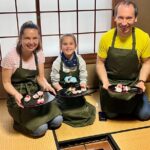
Pick your teacups, including ones with serious age
One of the most memorable parts is that you can choose the teacups you use. The description notes that some of the cups are several hundred years old, which means this is not only about serving tea, it is about handling real objects that carry a lot of character.
This is also where the antique setting becomes more than decoration. You’ll feel the difference between a modern cup and an older one as soon as you hold it. Even if you are not an “antique person,” you’ll understand why Japanese tea culture cares about the vessel. The cup is part of the experience, almost like the framing for the whole ritual.
What to do: during the pre-session browsing, spend a moment thinking about what you want to pair with your own wagashi. Lighter cups and darker cups can change how the color and texture of the sweets looks. That’s the kind of small detail that makes your session feel personal.
Also note: if you fall in love with a piece, you can purchase antique tableware from the shop. That’s not included, but it’s a nice option if you want a physical souvenir that is actually tied to what you experienced.
Nerikiri wagashi forming: slow hands, pretty results
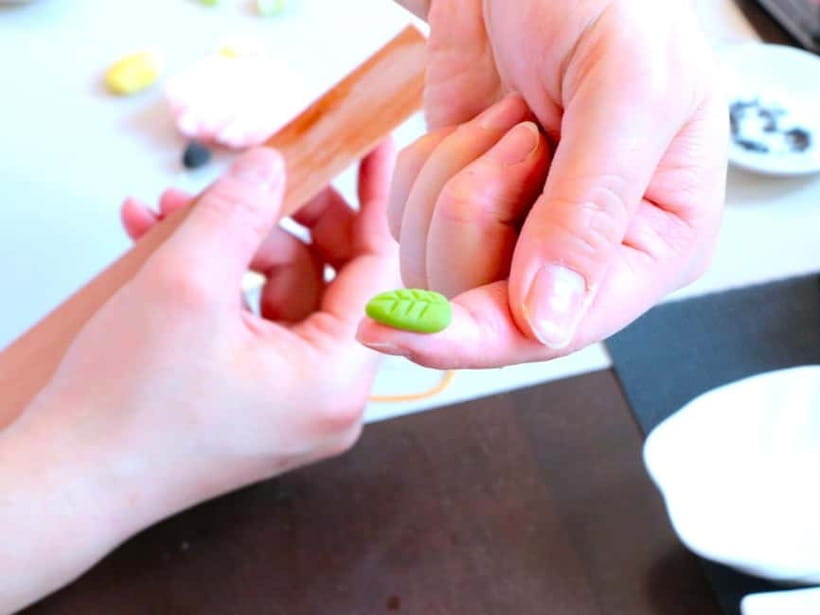
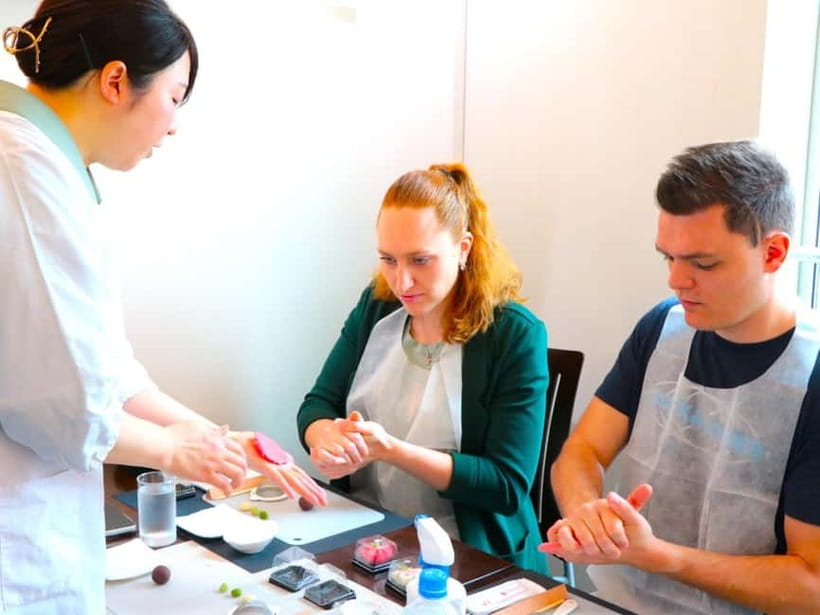
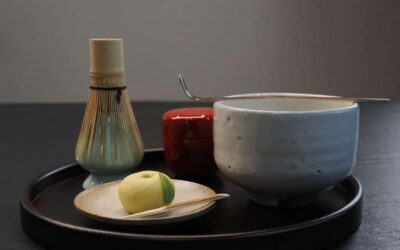
Your hands will be busy right away with the wagashi portion. This workshop focuses on Nerikiri, a type of wagashi made from mochi flour. The process is described as easy and fun, and the key is the way the materials are handled.
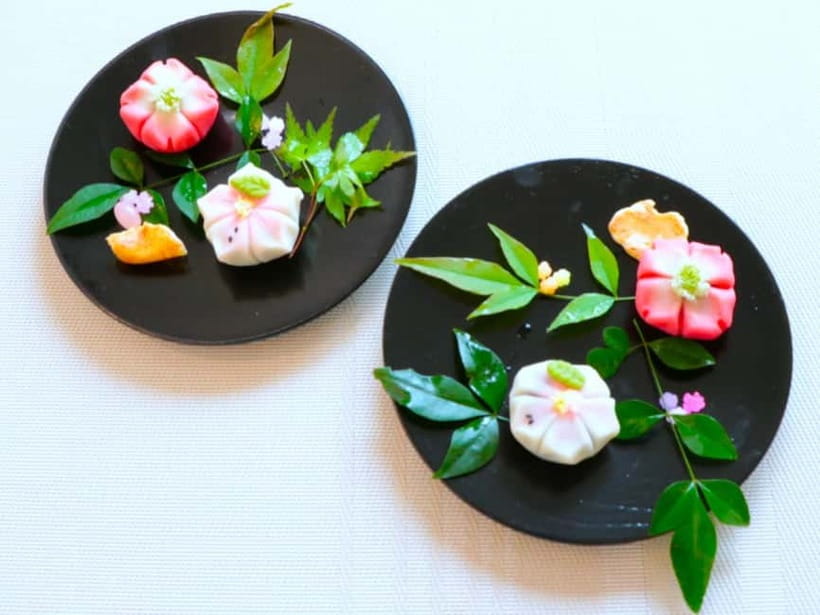
Think of it like colorful clay work. You’ll use multiple colored materials, then form them into the day’s theme design. After you shape the main form by hand, you add delicate lines with tools to create the final look, with an emphasis on the seasonal beauty of Japan.
What that means for you:
- You do not need cooking skills. The guidance is step-by-step, even if you have little experience with creative activities.
- Your end result is designed to look like art, not like a random snack.
- The “seasonal theme” gives the activity a clear goal, so the work feels more meaningful than just rolling and pressing.
The workshop tone is also calm. One review called it teaching and calming, and that matches the way Nerikiri is meant to be worked, slowly and carefully. The pace is part of the charm, especially if your Japan trip has you sprinting between shrines and stations.
Small caution: you are forming delicate dough by hand. Wear clothing you feel okay about, and avoid anything too loose that can snag around your tools.
Tea ceremony in a chair room, with confection first

After you form and plate your wagashi, you move into a dedicated tea room. The tea room is designed so you sit in chairs, which is a big comfort factor if you usually avoid formal floor seating. You’ll be served by the host.
The flow described is:
- You’ll receive confection (sweet) first.
- Then you’ll have real matcha, described as not sweet.
The point of this sequence is that you taste different things back-to-back: the sweetness you made, plus the bitterness and depth of matcha. Even if you are new to matcha, this pairing helps you understand why people treat tea as more than a sugary drink.
One more thing I appreciate: the tea ceremony is described as a conversation experience. The host answers questions, and the more you ask, the more the tea ceremony gets enriched. That can be tough if your Japanese is limited, but the experience is designed to make room for English support too.
The value of $57: what’s included and why it matters
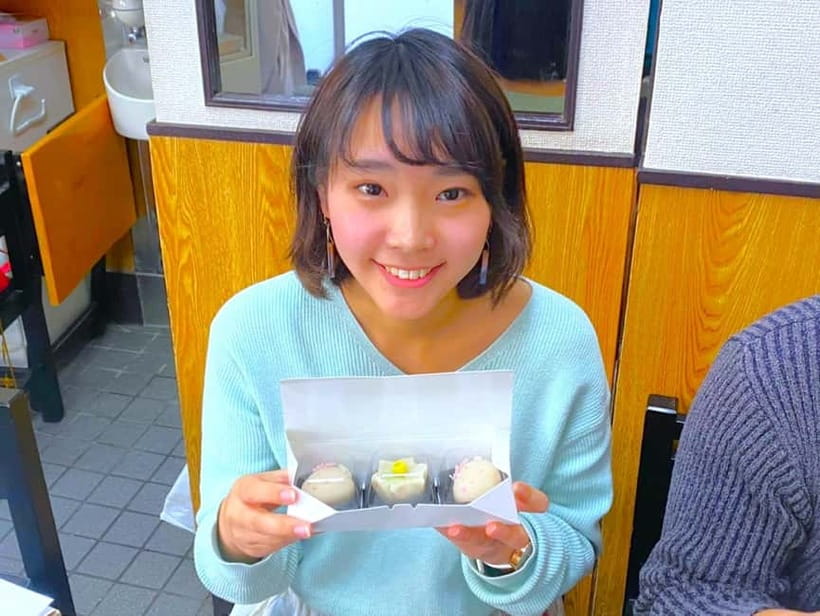
At $57 per person, this is not the cheapest thing you can do in Tokyo, but it is also not just a “view it from a chair” show.
Your fee includes:
- Experience fee plus facility and tool usage
- Matcha powder and wagashi material costs
- Wagashi itself, plus consumption tax
That matters because the real cost in craft workshops is usually time, tools, and materials. You are not bringing your own supplies or paying separately for components. You also get two experiences that normally come as separate activities: wagashi forming and a tea ceremony.
Where the value really clicks is the antique setting. A lot of classes happen in generic spaces. Here you’re paying for access to a particular place, antique tableware, and a hands-on making session that ends with you eating what you made. That combination is why the reviews rate it a perfect 5 out of 5.
If you’re the type who wants your memory to be tied to something you made with your own hands, this price starts to make sense fast.






What the reviews highlight most
Even without focusing on numbers, the repeated themes are clear.
First, people found it teaching and calming. The instructor took time, guided you through the steps, and helped you shape the wagashi into something that looks intentional.
Second, the instructor’s friendliness stood out. One review specifically noted that the instructor was extremely friendly even though English is not his first language. That matches the note that the host is an artisan and may not be a commercial English speaker, but the experience is arranged to support you.
Third, the taste was part of the win. Multiple reviews mention that the tea and sweets tasted very good. That’s not always guaranteed in workshops where you mostly snack on the finished product quickly. Here, you sit, eat, and drink as part of the ceremony flow.
Language expectations: polite, patient, and simple works best
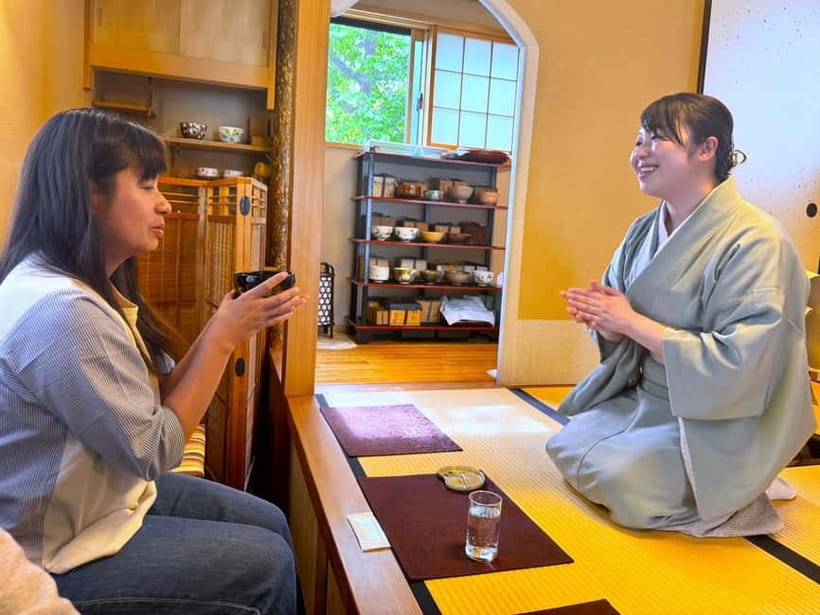
Here’s the deal: the host is described as an artisan, not a commercial guide, and real artisans may not speak English well. The experience notes say there is English support and that they’ll do their best to make it enjoyable.
So how should you act to make it smooth?
- Ask simple questions, like what the seasonal theme represents, or how the tea ceremony steps connect.
- Use a calm pace. Don’t rush the exchange, because the ceremony portion is designed to be unhurried.
- Be ready to communicate with smiles and gestures. When it comes to craft, a lot is shown, not explained.
The upshot: this is not a high-pressure “learn everything in 30 minutes” class. It’s more of a thoughtful workshop where conversation and handwork both count.
Rules and practical limits you should not ignore
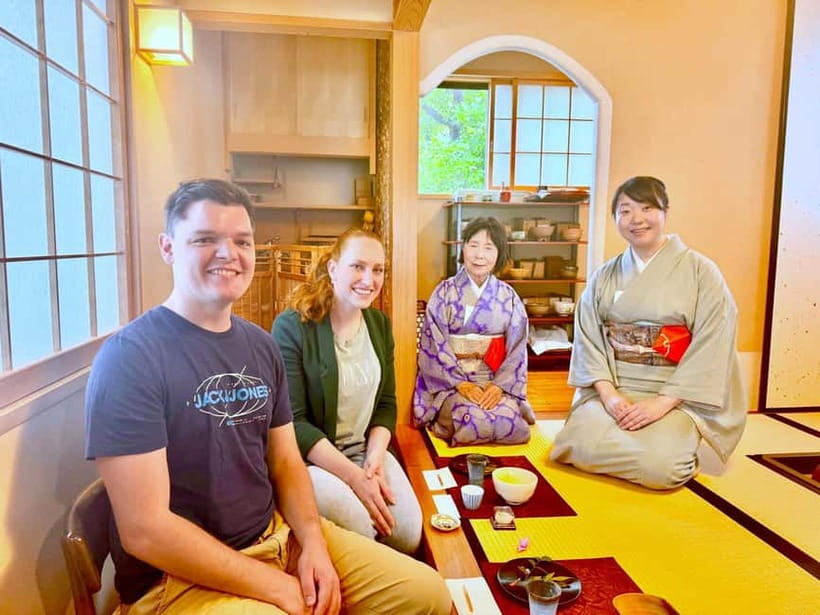
This experience has clear restrictions. Most are the usual “keep the space clean and safe” rules, but they matter if you plan your day around them.
Not allowed include:
- Smoking and intoxication or drugs
- Chewing gum
- Baby strollers and baby carriages
- Bare feet
- Unaccompanied minors
- Alcohol
There are also participation limits:
- No under-13 participants
- Under 18 must be accompanied by an adult
- Wheelchair users are not suitable
- Not suitable for people with vertigo, epilepsy, or people with a cold
Also, if you arrive late, the program ends as originally scheduled. That’s worth taking seriously, because you may miss part of the process.
And there is a money detail that catches some people by surprise: if you want to enter the venue without participating in the program, you still need to pay a venue fee. If you do not pay, you are not admitted.
Getting there from Nippori and timing your day

The meeting point is about 10 minutes from Nippori Station. Detailed location instructions are provided after you reserve. The activity ends back at the meeting point.
For a smoother day, plan around walking time plus a little extra buffer. You’ll want time to browse the antique tableware before the making starts, and late arrival can cut into the experience.
Who should book this workshop, and who should skip it
This is a great match if you:
- Like crafts you can take home emotionally, not just photos
- Enjoy tea culture and want the tea ceremony paired with the sweets
- Want a more authentic setting than a generic classroom
- Enjoy antique objects, ceramics, and tableware details
You might want to skip if:
- You need wheelchair accessibility, since wheelchair users are not suitable
- You have vertigo, epilepsy, or are currently dealing with a cold
- You’re traveling with a stroller, since baby strollers and carriages are not allowed
- You need a highly English-heavy, fast-paced explanation. The artisan host may not speak English fluently, and the flow is calm, not loud and scripted
Should you book this antique shop tea and wagashi experience?
If you want Japan lessons that feel human, tactile, and quiet, I think you should book it. The biggest selling point is the 100-year-old roadside antique shop setting plus the chance to choose real antique teacups, then make and eat your own Nerikiri wagashi and drink matcha in a dedicated tea room.
At $57, the value comes from what’s included: materials, tools, facility usage, and the tea and sweets themselves. You are paying for craft time and access to a very specific space, not just a photo-op.
Just go in with realistic expectations about language. You’ll get the most from the conversation if you keep questions simple and let the guidance, demonstrations, and ceremony pace do their job.
FAQ
Where is the meeting point?
The meeting point is approximately 10 minutes from Nippori Station. Detailed information about the location is provided after you make a reservation, and the activity ends back at the meeting point.
What do I make during the experience?
You make wagashi called Nerikiri, a mochi-flour-based Japanese sweets. You shape colored materials by hand and use tools to add lines to match the day’s theme design.
What is served with the tea ceremony?
After you complete the wagashi, you’ll eat a confection and then be served real matcha. The matcha is described as not sweet.
Can I choose the teacup I use?
Yes. You can choose the teacups you use during the tea ceremony, and some teacups are described as several hundred years old.
What languages are offered?
The experience is offered in English.
What are the age requirements?
Participants must be at least 13 years old. Guests under 18 must be accompanied by an adult.
Is this experience suitable for wheelchair users?
No. Wheelchair users are not suitable for this program.
Can I enter the venue without joining the activity?
Yes, but you still have to pay a venue fee. If you do not pay, you will not be admitted.
What is the cancellation policy?
You can cancel up to 7 days in advance for a full refund.
More Dessert Tours in Tokyo

More Tour Reviews in Tokyo
Not for you? Here's more nearby things to do in Tokyo we have reviewed












Tokyo Tea & Sake Experiences, side by side.
 ★ 5.0Traditional Tea Ceremony with a Tea MasterFrom $38528 reviews
 ★ 5.0Sake Tasting Masterclass in Shinjuku (8+ Varieties with a Pro)From $72271 reviews
 ★ 5.0Tea Ceremony Workshop in Tokyo by the Experienced InstrucorFrom $38189 reviews
 ★ 4.9Asakusa: Kimono Tea Ceremony with Matcha and SweetFrom $66153 reviews
 ★ 4.9Tea Ceremony Experience in a Private Tea Room in ShibuyaFrom $30125 reviews
 ★ 4.7Practicing Zen with a Japanese Tea CeremonyFrom $63105 reviews
 ★ 5.0Matcha Kimono Tea Ceremony in TokyoFrom $59104 reviews
 ★ 4.9Tea ceremony experience in Japanese-style room 60minFrom $4586 reviews
This tour also belongs to