
Review · KAMAKURA DAY TRIPS
Authentic Japanese Tea Ceremony Experience in Kamakura
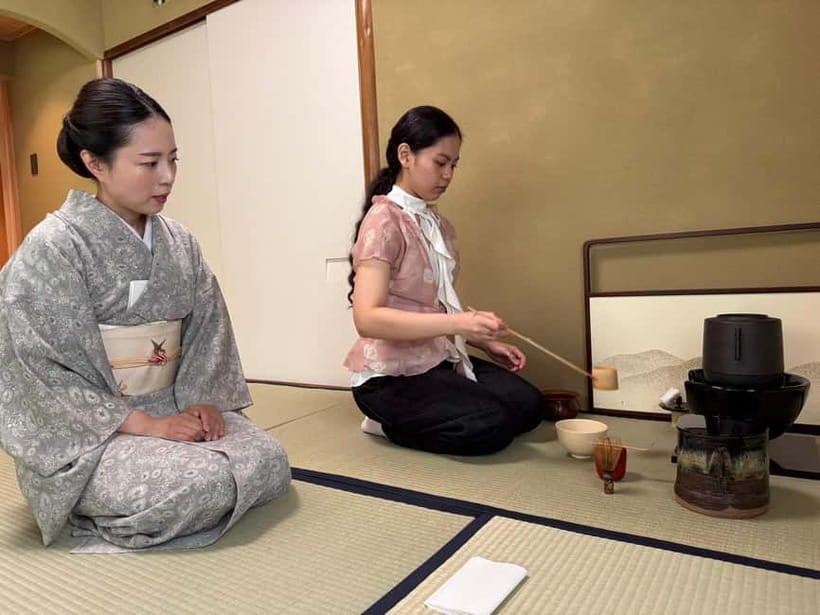
Tea time in Kamakura feels oddly calming. In a traditional tea room, you get a hands-on sadō lesson in about 60 minutes, with an English-capable instructor guiding every step.
What I especially like is the format. You do not just watch tea being made, you whisk matcha yourself, then enjoy it with wagashi (seasonal Japanese sweets) in a quiet, respectful setting.
One thing to plan for: this is not a casual coffee stop. You will remove shoes for tatami, bring socks, and the meeting point needs a bit of street-finding effort near 茶室「竹翠庵」(Takeisuian).
Key Things to Know Before You Go
- Skiyua-zukuri tea-room style: traditional room design that sets the tone for manners and mindfulness
- Two servings of freshly whisked matcha: you get more than one chance to taste and adjust to the ritual
- Learn the meaning behind sadō: history and purpose are taught, not just steps and motions
- Guided matcha whisking: you make and serve tea yourself, no prior experience needed
- Small group up to 6: calm pace, easier for questions, less crowd energy
- Socks required, shoes off: tatami tea room rules are part of the experience
Kamakura Suits a Tea Ceremony, and the Room Matters
This tea ceremony is set in Kamakura, about an hour from central Tokyo. That distance is a sweet spot: far enough to feel like you escaped the city, close enough to make this a simple add-on day trip.
The tea room is built in sukiya-zukuri style. Translation: you get a space designed for quiet focus, with the rituals taken seriously. Shoes must come off, and you will sit on the floor. The good news is that the experience is designed for real humans with real comfort limits, since chairs are available if kneeling is difficult, as long as you notify in advance.
Dress code is not strict, but I recommend modest clothing. This is one of those cultural experiences where looking neat helps you feel more at ease, especially when you are close to the host and shared utensils.
Photos are allowed at designated times during the session. So you will want to keep your phone ready, but not out the whole time. If you like taking pictures, the key is restraint, because timing is part of the ceremony rhythm.
You can also read our reviews of more tours and experiences in Kamakura.
The 60-Minute Flow, From Omotenashi to Your Own Bowl
The session is about an hour, and it moves in a clear, logical sequence. That matters because tea ceremony can feel mysterious if it is presented as pure tradition without explanation. Here, you get both: a live performance plus hands-on instruction.
You start by being welcomed into the tea room. Then the instructor explains the history and meaning behind Japanese tea ceremony, sadō. This is not presented as trivia. It is tied to how people are expected to behave, with the underlying theme of omotenashi, hospitality through careful attention.
Next comes a demonstration. You watch the elegant ritual of tea-making. You are also being shown the logic behind each movement, which is what makes this more than a quick activity photo. The philosophy includes Zen and mindfulness, meaning the gestures are meant to slow your thinking down, not just impress you.
Then the pace shifts from watching to tasting. You enjoy two servings of matcha, freshly whisked, paired with seasonal wagashi. Those two servings help you notice differences in taste and temperature, and you get time to reset between them instead of rushing through one sip.
Finally, you make and serve tea yourself. The instructor guides you step-by-step, so this is friendly even if you have never whisked matcha before.
Matcha, Wagashi, and the Moment You Stop Guessing
Most people think matcha is just a drink. In this ceremony, you learn how it is treated like an experience. You get two servings of freshly whisked matcha during the session, and each one is paired with seasonal Japanese sweets, wagashi.
Here is why that pairing is valuable. Wagashi are designed to work with the tea, not compete with it. They also make the ceremony feel tied to the season and the time of year, even if you are just visiting. So you are not tasting one standard snack, you are tasting something chosen for the day.
You also get to whisk matcha yourself, which changes everything. When you only sip matcha at a cafe, you can miss the texture and effort. When you whisk, you start to understand why the foam matters, why timing matters, and why the tea is served with calm precision.
If you are the type of traveler who likes food, this is a highlight. If you are not, the structure still works because you are guided through it, and you get a chance to ask questions through the small-group format.
Hands-On Etiquette: Manners You Can Actually Use
One of the most praised parts of this experience is the etiquette lesson. You learn manners rooted in traditional Japanese customs, and you practice them in real time while you are in the tea room.
That is the difference between a culture show and a culture moment. You are not just hearing about etiquette in a lecture. You are moving through it with an instructor watching closely enough to guide you.
The ceremony includes steps that can feel awkward at first, especially if you are not used to sitting on the floor. That is why having a chair option helps. And why socks are required. In tatami rooms, shoes off and clean socks support the comfort and hygiene rules of the space.
You also learn how to behave in a respectful, quiet way during key moments. That includes how you receive and handle items, when you can move, and when you should be still. It is all practical. Even if you never do a formal tea ceremony again, you leave with a sense of what polite participation looks like in Japan.
The atmosphere supports that. With groups capped at 6 participants, the room stays calm, so you can actually absorb what the instructor is explaining.
Price and Value: What $36 Gets You in Real Terms
At $36 per person for about 1 hour, this can feel like a splurge if you are comparing it to a quick snack. But you are not just paying for matcha and a seat.
You are getting:
- Two servings of freshly whisked matcha
- Wagashi (seasonal Japanese sweets)
- Rental tea ceremony utensils
- The traditional tea ceremony performance plus step-by-step instruction for you to make and serve tea
- A small-group experience with an English-speaking instructor
When value is this concrete, it adds up fast. You are basically paying for an instructor-led cultural lesson, not a self-guided tasting. And because the group is small, you are more likely to understand what you are doing and why.
Also, tea ceremony supplies and instruction have a real cost behind the scenes. The utensils are provided, so you are not buying anything you might never use again. That makes it a smart choice if you want authenticity without collecting gear.
If your plans are flexible, there is free cancellation up to 24 hours in advance and a reserve now, pay later option. That takes some pressure off booking a day-trip.

Finding Tea Room Takeisuian Near Kita-Kamakura Station
Logistics can make or break a small cultural activity, and this one is close to a transit hub. The tea room is a short walk from JR Kita-Kamakura Station. You are looking at roughly 5 to 7 minutes on foot depending on how quickly you spot the right streets.
Your meeting point is 茶室「竹翠庵」 (Takeisuian), near the restaurant 「航」. If you like to arrive early, do it. A calmer arrival helps you settle before the tea ceremony rules kick in.
One small practical note: you will want to wear socks you feel good in. You cannot put on shoes again, so comfort matters.
If you are a planner type, you might also preview the facility intro video ahead of time to get a feel for the space and what the tea room environment is like. That can reduce first-time jitters.
Who This Tea Ceremony Fits, and Who Should Skip It
This experience is a strong match for:
- First-time visitors who want a focused cultural activity
- Couples looking for a calmer, more intimate outing
- Families with kids from age 7 and up
- Cultural enthusiasts who like etiquette, food pairing, and philosophy
The small group format makes it work well for people who do not want to feel rushed or swallowed by a big crowd.
That said, it is not suitable for everyone. It is not recommended for wheelchair users and it is not suitable for pregnant women, based on the activity guidelines provided. Also, since you will be in a tatami tea room, you should plan for floor seating, even though chairs may be available if kneeling is difficult (just notify in advance).
Should You Book This Kamakura Japanese Tea Ceremony?
I think you should book it if you want more than a matcha tasting. The best reason to go is the mix of hands-on whisking plus real etiquette coaching, all wrapped in a calm small-group session. You get two servings, wagashi, utensil rental, and the explanation behind sadō, so you leave with understanding, not just a souvenir photo.
Skip it if you want something low-effort and shoe-free, or if you need accessibility options that are not supported here. And if you hate logistical hunting, give yourself extra time to find 茶室「竹翠庵」 near 「航」 from Kita-Kamakura Station.
If you like authentic experiences that respect the pace of tradition, this one is easy to justify.
FAQ
How long is the Japanese tea ceremony experience in Kamakura?
The session is approximately 60 minutes.
What is the group size?
The group is small, with a maximum of 6 participants.
Where do I meet for the tea ceremony?
You meet at 茶室「竹翠庵」 (Takeisuian), near the restaurant 「航」. It is about a 7-minute walk from JR Kita-Kamakura Station.
Is socks required?
Yes. You should bring socks. Shoes must be removed inside the tea room.
What should I wear?
There is no strict dress code, but modest attire is recommended. You should also be prepared for no shoes inside the tea room.
Can I take photos during the ceremony?
Yes, photos are allowed at designated times during the session.
Is the instruction available in English?
The instructor provides Japanese and English.
Is this experience suitable for wheelchair users or pregnant women?
No. It is not suitable for wheelchair users, and it is not suitable for pregnant women.
More Tour Reviews in Kamakura

Not for you? Here's more nearby things to do in Kamakura we have reviewed


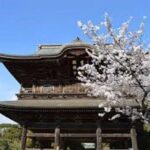
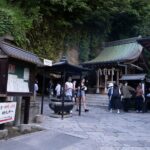
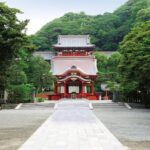


Kamakura Day Trips, side by side.
 ★ 4.5Kamakura & Enoshima Day Trip including Temple TicketsFrom $581,375 reviews
 ★ 4.5Mt. Fuji, Kamakura, Big Buddha, & Lake Ashi Day TripFrom $49867 reviews
 ★ 4.5From Tokyo: Kamakura & Enoshima 1-Day Bus TourFrom $66189 reviews
 ★ 5.0Kamakura Historical Walking Tour with the Great BuddhaFrom $98129 reviews
 ★ 5.0Kamakura Private Tour: Temples, Nature, and the Great BuddhaFrom $98121 reviews
 ★ 5.0Kamakura Walking Tour – The City of ShogunFrom $35100 reviews
 ★ 5.0Kamakura 8 hr Private Walking Tour with Licensed Guide from TokyoFrom $20180 reviews
 ★ 4.1Kamakura & Enoshima Day Tour with Pickup & Train RideFrom $1361 reviews
This tour also belongs to