
Review · TSUKIJI MARKET TOURS
Dive into Tsukiji Fish Market Walking Friendly Food Tour
Fish smells, temples, and snacks in one walk. Tsukiji is one of Tokyo’s biggest seafood zones, with hundreds of shops in central Tokyo, and this 4-hour tour turns that maze into a guided, eating-and-sightseeing route. You’ll start at Tsukiji Hongwanji Temple, then move through the outer market and nearby highlights with time to shop and taste classic Japanese foods.
I especially like the small-group setup, capped at 10, which keeps questions coming and makes the pacing feel human. I also like that the tour doesn’t treat food as an afterthought, you’ll sample multiple seafood standbys like sushi, grilled tuna and salmon, tamagoyaki, grilled oysters, and fresh sashimi, plus desserts and snacks. One possible drawback: it’s a walking food tour that lasts 4 hours, so if you’re hoping for a mostly seated experience, this probably won’t fit.
Key things I’d put on your decision list
- Up to 10 people means you’re not lost in the crowd
- A temple-focused start at Tsukiji Hongwanji Temple gives context fast
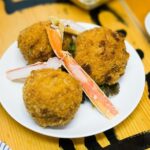
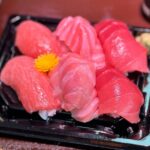
- Real tasting lineup includes sushi, sashimi, grilled seafood, and tamagoyaki
- Shopping time is built in at the outer market, not tacked on at the end
- Bridge and shrine stops (Kachidoki Bridge, Namiyoke Inari Jinja) balance food with Tokyo sights
- Guide support in English or Japanese helps you understand what you’re eating
Tsukiji in 4 hours: exactly what this walk is designed to do
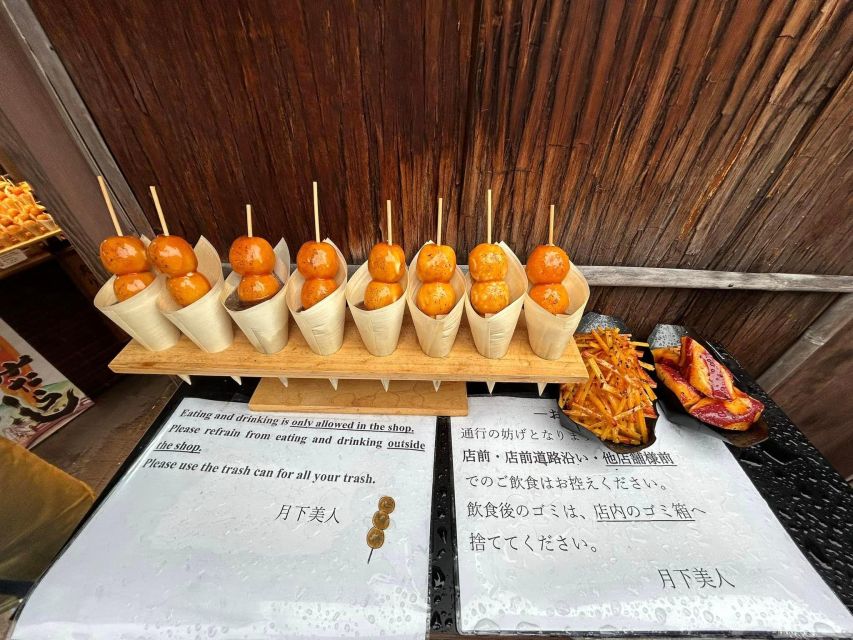
Tsukiji is often described as a fish market, but on the ground it’s more like a neighborhood of food stalls, kitchen supply shops, and classic Tokyo food culture in motion. This tour is built for people who want structure. Instead of wandering and guessing, you follow a professional guide through a short sequence of stops, with planned tastings and timed shopping windows.
The big value is that you’re paying for the “why” as much as the “what.” You get a short guided intro at Tsukiji Hongan-ji, time to explore the outer market, and guided stops at Kachidoki Bridge and Namiyoke Inari Jinja. That mix helps the market feel less random.
The practical angle: it’s 4 hours, so you’re not trying to do all of Tsukiji in one go. You’re doing the parts that make sense for a first visit, then getting fed along the way.
You can also read our reviews of more walking tours in Tokyo
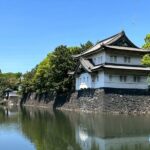

Starting at Tsukiji Hongwanji Temple: why the first stop matters
Meeting in front of Tsukiji Hongwanji Temple (Honganji Temple) is a smart move. You’re dropped at a landmark right by Tsukiji Station on the Hibiya Line, then you begin with a guided visit around Tsukiji Hongan-ji for about 30 minutes.
This matters because it sets a tone. A working food market is sensory, and it can feel like information overload if you start at street level with no context. The temple stop gives you a calmer entry point and helps you understand how Tsukiji fits into Tokyo’s history and food culture.
I also like that the tour includes a return to Hongwanji Temple at the end. That reduces decision stress. You’re not left thinking, now how do I get out of here?
Tsukiji outer market walking and shopping: the part you’ll feel in your feet
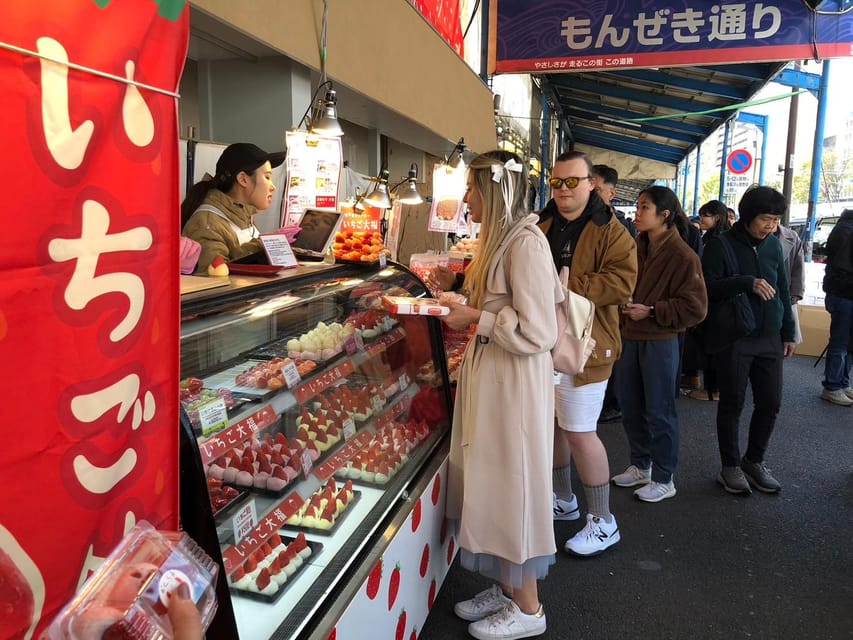
After the first guided segment, you head into the Tsukiji outer market. The tour gives you two separate 30-minute blocks connected to the outer market: one guided tour plus shopping time, then another shopping-focused segment.
This format is practical. Markets don’t reward rushing, especially when you want to actually buy something. Two shorter shopping periods work better than one long scramble. It also lets you change your mind based on what you see and what you taste.
What you’re walking through is an outer market environment with about 400 shops lining the streets, focused on fresh food and kitchen utensils. That kitchen-utensil angle is useful. Even if you don’t buy anything, it helps you spot what serious home cooks care about in Japan.
What to watch for during the market segments
Because you’re spending time eating and shopping, I’d plan your energy like this:
- Keep room in your day for smells and noise, since this is a seafood market
- Have a realistic budget mindset for snacks and small food purchases beyond the tasting
- If you want kitchen tools, bring a plan for how you’ll carry them (light is easier)
The tasting lineup: where the tour earns its price
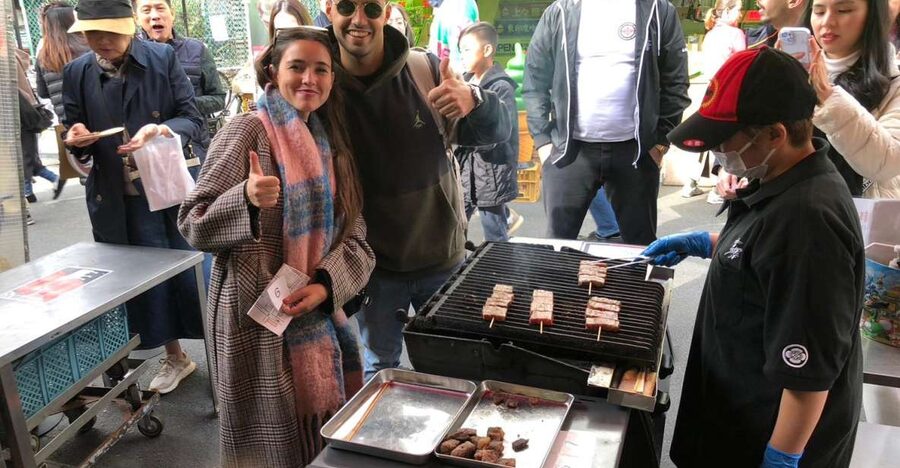
This is not a tour that gives you one small bite and calls it a day. Included tastings are clearly spelled out, and that’s a big part of the value.
You can expect:
- Sushi
- Grilled tuna and salmon
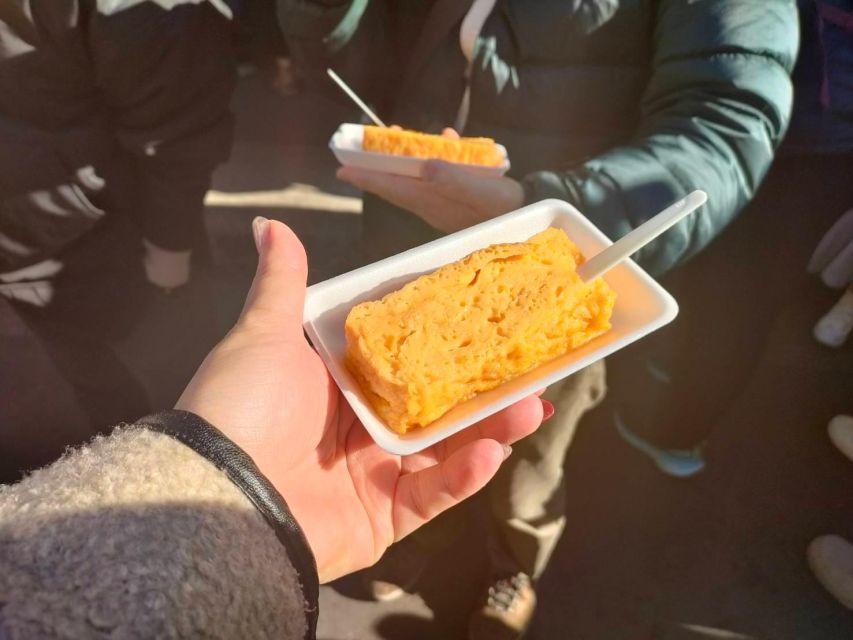
- Tamagoyaki
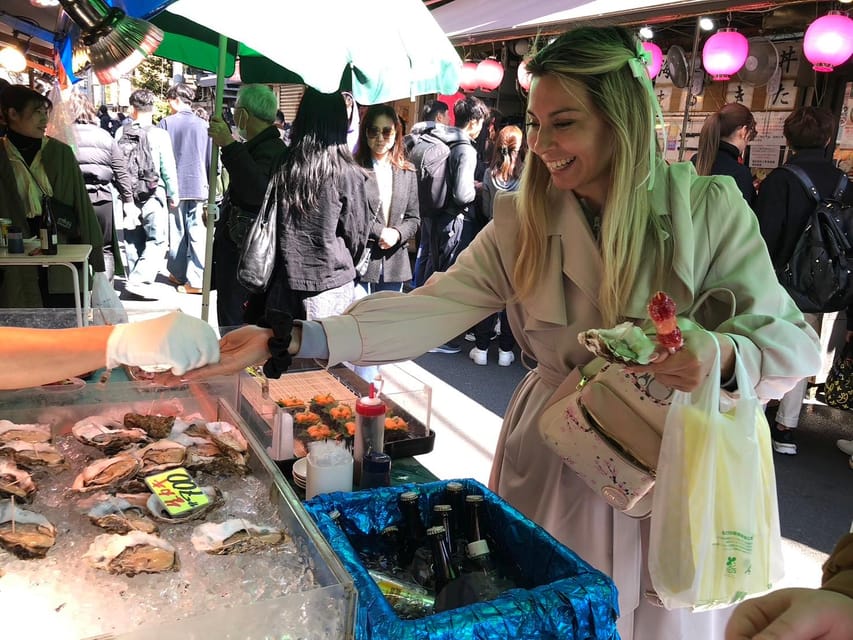
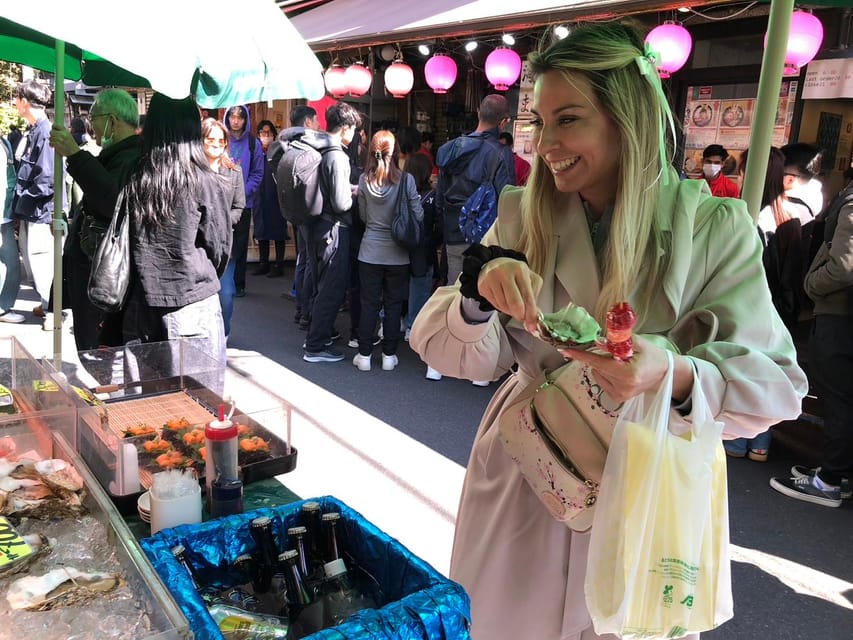
- Grilled oysters
- Fresh sashimi
Plus desserts and snacks, and 2 soft drinks and water.
Even if you’re not a seafood superfan, this spread hits the basics of Japanese culinary culture in a way that feels balanced. You get raw and cooked options, egg-based tamagoyaki, and grilled fish. That range also helps you understand the differences between preparation styles, not just different fish.
You can also read our reviews of more food & drink experiences in Tokyo


How the value stacks up at $173 per person
At $173 for a 4-hour small-group tour, the price only makes sense if you actually eat enough to justify it. Here, you have a built-in tasting menu, not a vague promise. You’re also getting a professional guide for the full walk time, plus structured stops at sights.
What makes it feel like good value to me is that you’re paying for:
- Time with an expert guide (English or Japanese)
- Multiple tastings that cover different textures and styles
- A route that hits key points like the temple and nearby landmarks
- Small-group dynamics, max 10, so you’re not fighting for attention
Not included: alcohol, though you can purchase it. That keeps the base tour price focused on food rather than turning it into a drink event.
Tsukiji Hongan-ji, then back into the market: pacing and context
One reason this tour works is the pacing. You get a guided segment before you hit the market shopping areas, and then you get guided direction again at later stops.
That pattern matters if you want to learn without burning out. Markets are easy to overdo, especially on a short Tokyo itinerary. With timed guides, you can pay attention instead of just moving from stall to stall.
Kachidoki Bridge stop: a scenic breather with Tokyo context
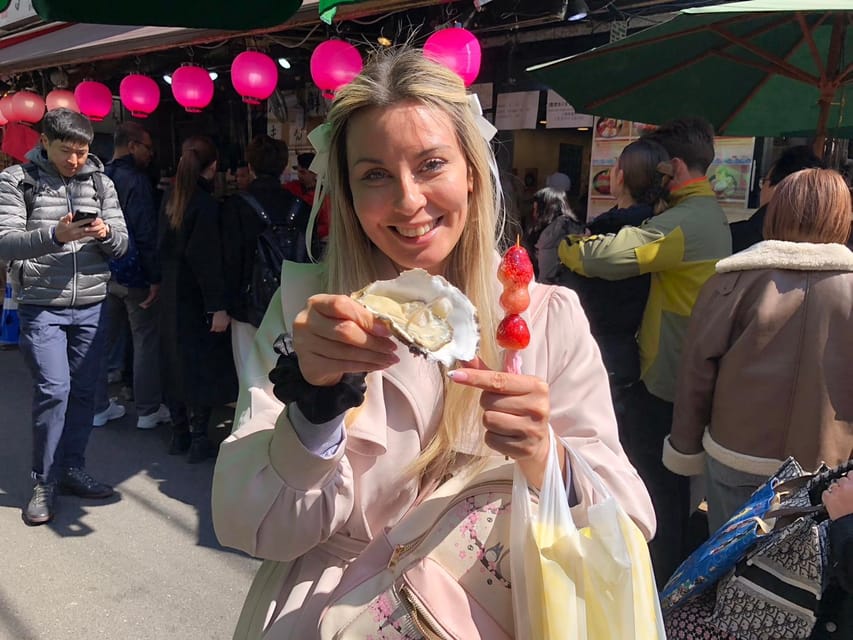
Midway through the tour, you’ll spend about 30 minutes at Kachidoki Bridge, with guided commentary.
I like this kind of stop in a food tour because it gives your brain a reset. Eating seafood, walking between stalls, and trying to process what you’re seeing can blur together fast. A bridge viewpoint also helps you reconnect to Tokyo’s geography. Even if you’re mostly focused on food, it’s nice to step out, look around, and understand where you are in the larger city.
Practical tip from my side: treat this as your moment to pause, take photos if you want, and get a drink if you’re thirsty. The tour includes water and soft drinks, so you should be able to hydrate without breaking the flow.
Namiyoke Inari Jinja: the spiritual counterpoint to seafood
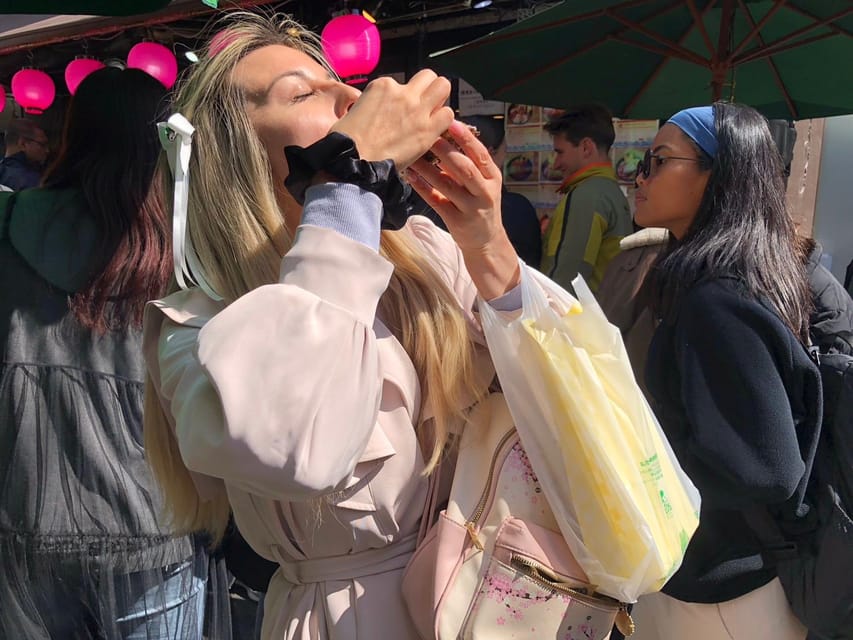
Next up is Namiyoke Inari Jinja, again guided for about 30 minutes.
Inari shrines are common in Japan, but the point here is balance. You’re leaving a seafood market environment and walking into a space with a totally different rhythm. That contrast makes the overall tour more memorable because you’re not only repeating the same type of sensory input.
Also, a shrine stop is the kind of moment where a guide can help you read what you’re looking at. Even on a short tour, you don’t want just a checklist of stops. You want a bit of meaning attached.
Getting there and meeting point: keep it simple
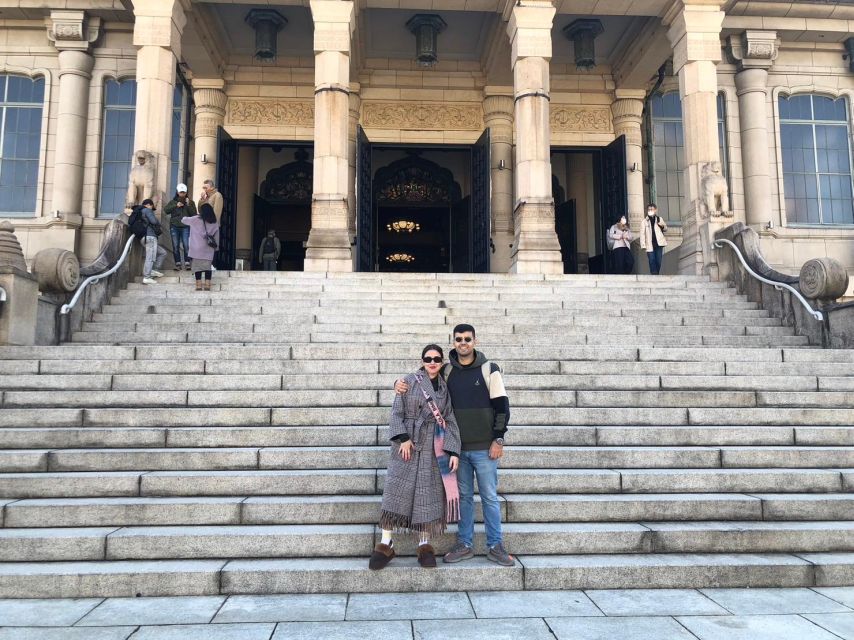
You meet in front of Tsukiji Hongwanji Temple. From Tsukiji Station on the Hibiya Line, take Exit A1, turn left, and the temple entrance is about 50 meters (55 yards) from the station.
My advice is to arrive a few minutes early and double-check you’re at the exact temple entrance. The tour begins at a clear landmark, which is good for first-time Tsukiji visits.
What the guides do well, based on real experiences
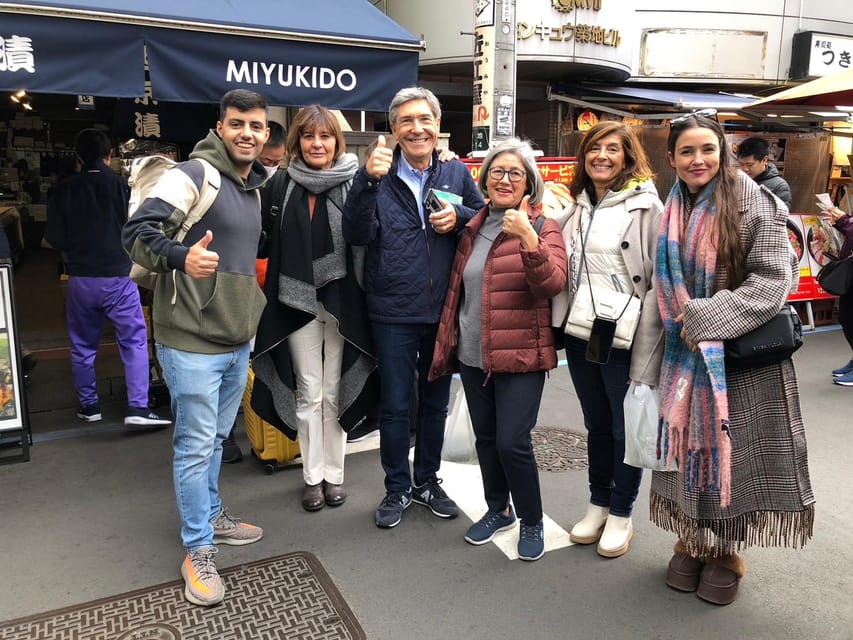
This tour is operated by Washoku club city and food tours, and the guide experience is consistently praised.
Amber is noted as thoughtful and flexible, especially with a teenage son, pivoting gracefully to keep the experience working for different needs. That kind of adaptability matters on a walking tour where not everyone has the same pace or appetite.
Akira is praised for being exceptional at adding context to what you’re seeing, not only what you’re eating. That matches the tour’s structure, where you have guided segments at temple and shrine stops alongside the food and shopping blocks.
The takeaway: you’re not just buying bites, you’re getting explanations that help you connect the dots.
Who this tour suits best
I think this experience fits best if you:
- Want your first Tsukiji visit to feel guided and efficient
- Like seafood but also want variety beyond one item
- Prefer small-group tours over big buses or free-for-all wandering
- Care about understanding Japanese food culture, not only eating it
- Want some shopping time, especially for market finds and kitchen-related items
If your travel style is purely spontaneous, you might still enjoy Tsukiji on your own. But you’ll likely miss the built-in tastings and the context behind the stops.
Small practical tips to make your 4 hours smoother
- Wear comfortable shoes, because you’re walking for the full tour window
- Consider bringing a small bag for snacks and any purchases, the tour includes desserts and snacks already
- Plan your day so you’re not rushing immediately afterward, you’ll come away hungry in the best way
- If you drink coffee or other beverages regularly, remember only soft drinks and water are included, alcohol is available to purchase
Should you book this Tsukiji Fish Market Walking Friendly Food Tour?
I’d book it if you want Tsukiji with structure, food variety, and a guide who helps you understand what’s in front of you. The best sign is the clear tasting lineup paired with planned sightseeing: temple start at Tsukiji Hongwanji Temple, outer market shopping windows, then guided stops at Kachidoki Bridge and Namiyoke Inari Jinja.
I would skip it if you hate walking, or if you prefer to build your own route with no guided context. Also, since alcohol is not included, if your idea of a food tour is a drink-forward night, this one may feel too focused on non-alcohol tastings.
FAQ
How long is the Tsukiji Fish Market Walking Friendly Food Tour?
The tour duration is 4 hours.
How many people are in the group?
It is a small group with a maximum of 10 participants.
What is the meeting point for the tour?
Meet in front of Tsukiji Hongwanji Temple. From Tsukiji Station on the Hibiya Line, take Exit A1 and turn left, the entrance is about 50 meters from the station.
What food and drinks are included?
Included items are 2 soft drinks and water, desserts and snacks, plus sushi, grilled tuna and salmon, tamagoyaki, grilled oysters, and fresh sashimi.
Are alcoholic drinks included?
Alcoholic drinks are not included, but they are available to purchase.
What languages are the guides available in?
The live tour guide is available in English and Japanese.
Where does the tour end?
You arrive back at Honganji Temple after the final guided segment at Namiyoke Inari Jinja.
More Walking Tours in Tokyo
More Tours in Tokyo





More Tour Reviews in Tokyo


Not for you? Here's more nearby things to do in Tokyo we have reviewed












Tsukiji Market Tours, side by side.
 ★ 5.0Tokyo Tsukiji Fish Market Food and Culture Walking TourFrom $993,184 reviews
 ★ 5.0Tsukiji Fish Market Food and Walking tourFrom $301,724 reviews
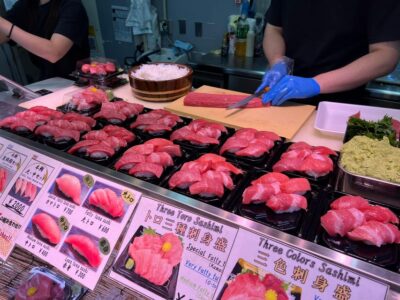 ★ 4.9Tsukiji Fish Market Guided Walking TourFrom $221,397 reviews
 ★ 5.0Tokyo Sushi Making Class in Tsukiji with Professional ChefFrom $491,177 reviews
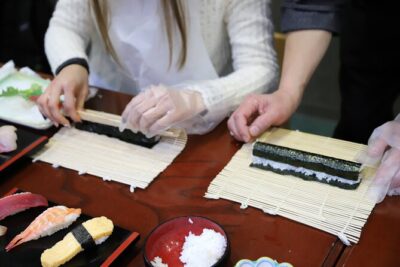 ★ 5.0Tsukiji Fish Market Guided Tour and Sushi Making with Pro ChefFrom $104775 reviews
★ 4.7Tsukiji Fish Market Food and Culture Walking TourFrom $96757 reviews
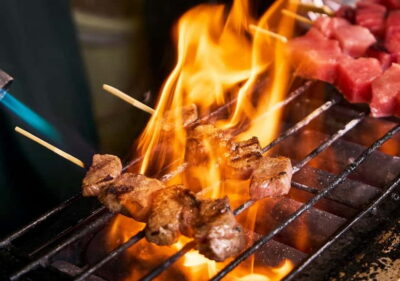 ★ 5.0Tsukiji Fish Market: Street Food & Culture Walking TourFrom $33669 reviews
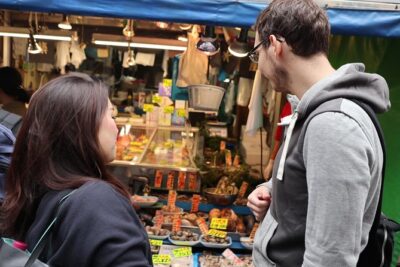 ★ 5.0Tsukiji Fish Market Small-Group Food Walking TourFrom $87621 reviews
This tour also belongs to