
Review · KAMAKURA DAY TRIPS
Exciting Kamakura – One Day Tour from Tokyo
A calm day by the sea beats Tokyo rush. This private Kamakura outing strings together the best-known temple and shrine sights, from the Great Buddha to Hase-dera, with hotel pickup so your morning starts without train stress.
I like the private guide setup because you can ask questions without losing the group, and I love the temple shortlist approach that keeps an 8.5-hour day feeling focused. The main thing to watch is the walking, you should expect steps and uneven pavement, especially around Hase-dera.
Key Points That Make This Kamakura Day Trip Work
- Hotel pickup and drop-off from your Tokyo hotel, so you are not wrestling with transfers
- Private tour for only your group with a guide who can answer on the spot
- Iconic stops in one day, including Kotoku-in, Hase-dera, Hokoku-ji, and Tsurugaoka Hachimangu
- Hase-dera hydrangeas in June and July, plus Pacific Ocean views and a cave shrine
- Hokoku-ji bamboo forest, a quieter change from the big-ticket sights
- Practical help from the guide, including train routing, photo stops, and support for dietary needs when possible
From Tokyo Hotel Pickup to Coastal Calm in 8.5 Hours
This is the kind of day trip that feels like someone already did the hard part for you. You start at 9:00 am with hotel lobby pickup, then you get dropped back in Tokyo at the end of the day, with about 8 hours 30 minutes total time to cover Kamakura’s highlights.
What makes it especially worth your time is the rhythm. Kamakura is spread out, and going solo usually turns into a lot of route-planning and guesswork. Here, your guide keeps the day moving, so you get the best sights without the mental overhead.
More Tokyo tours and experiences for the shortlist
Price and What You Still Need to Budget in Japan (Transport + Temple Fees)
The tour price is $145.31 per person, and that number includes the professional private guide and the hotel meeting. What is not included is where you need to do a little quick math.
Plan on about ¥2,720 per person for transportation. Then add paid admissions for the main temple stops: Kotoku-in ¥1,100, Hase-dera ¥400, and Hokoku-ji ¥300. Tsurugaoka Hachimangu is free, which helps balance the day.
Lunch, snacks, and any shopping are on you, of course. In practice, most people will want time for lunch in Kamakura, and several guides in past experiences have helped pick convenient places near major stations, including options for specific diets when possible.
Kotoku-in Great Buddha: One Icon, One Memorable Hour
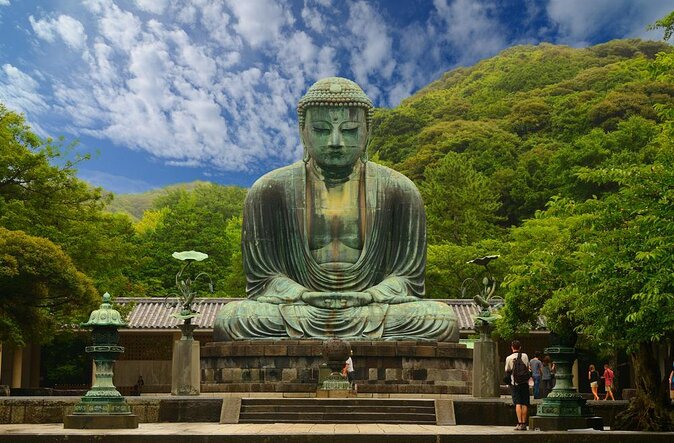
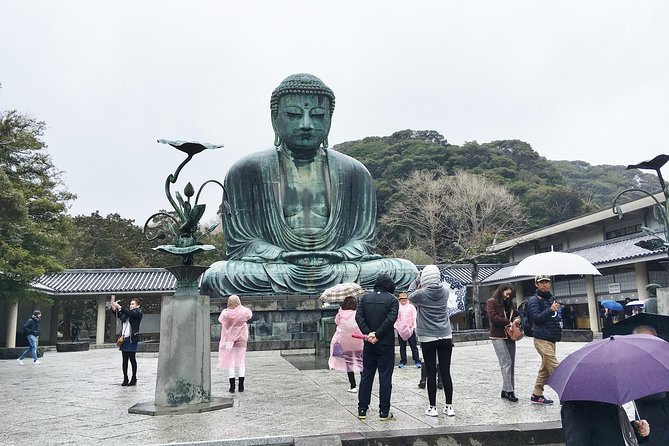
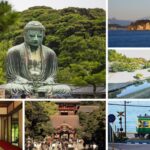
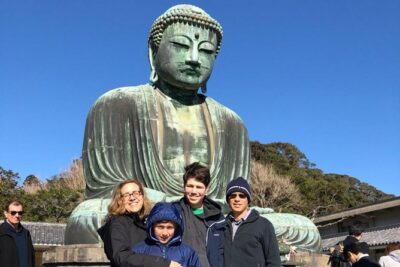
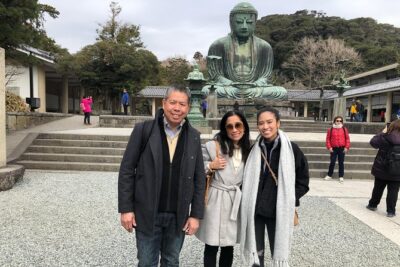
Kotoku-in is your anchor stop, and it is easy to see why. The famous Great Buddha is tied to the area’s identity, and you are looking at a landmark dating back to the 13th century.
You should expect a focused visit, about one hour on site. Entrance is not included, and you will need to budget the ¥1,100 fee.
One fun detail to know before you go: the bronze Buddha is not just something you photograph from outside. Some visitors note they can go inside, which can be a cool experience, but it is not ideal for claustrophobia. If that applies to you, plan your approach early and skip the interior portion.
Hase-dera Temple: Hydrangeas, Ocean Views, and a Cave Shrine
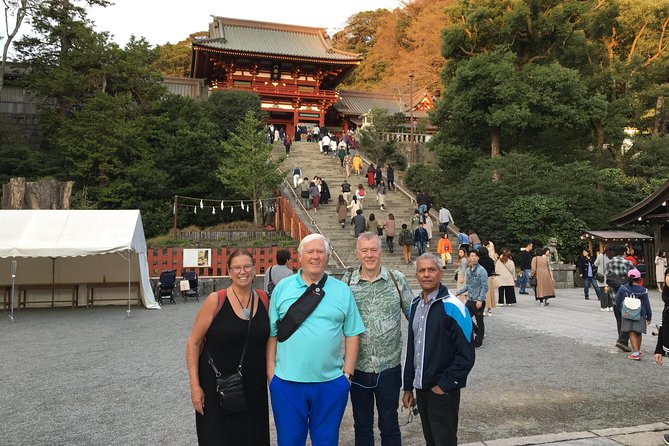
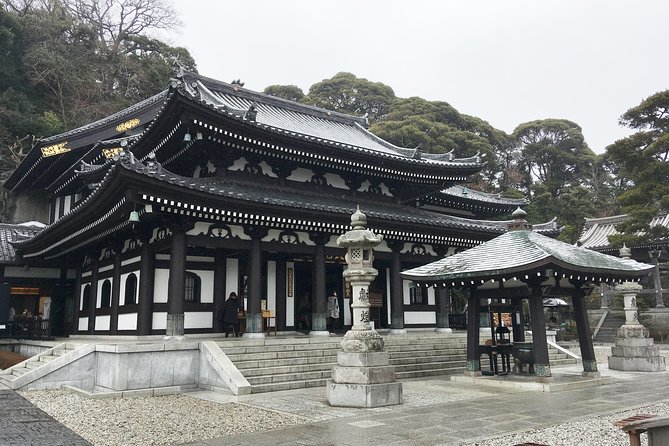
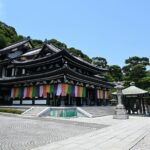
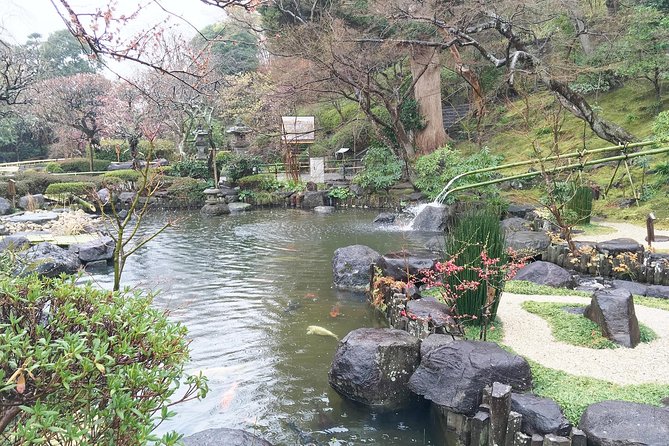
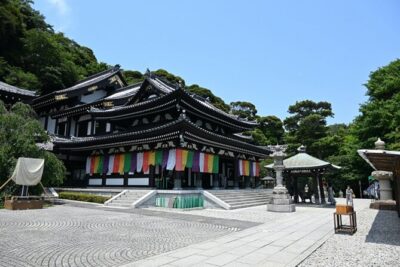
If you want one stop that delivers atmosphere, Hase-dera is the one. This temple dates back to the 8th century and mixes gardens, Buddha statues, and scenic viewpoints over the Pacific Ocean.
What I really like about Hase-dera is that it is not just one attraction. You get a classic temple complex plus a unique cave shrine feel, and in June and July the hydrangeas are famous enough that it becomes a whole reason to be there. Entrance is ¥400 and is not included.
Expect stairs. Even if the time on paper is one hour, your pace depends on your comfort with steps and your interest in taking photos or pausing to look out at the ocean. Go in with good shoes and a realistic mindset: this is a walking temple.
Hokoku-ji Bamboo Forest: A Calmer Temple Contrast
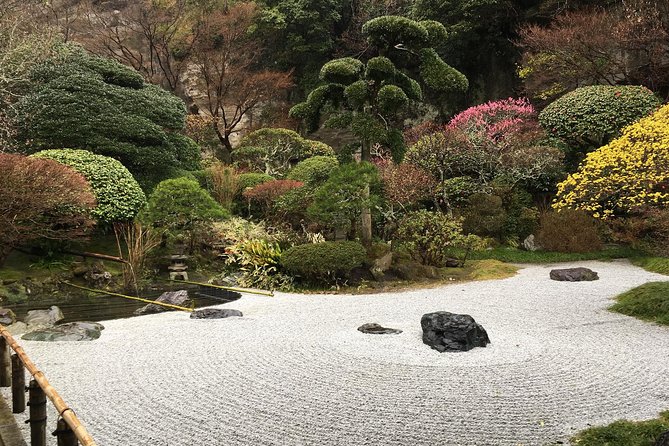
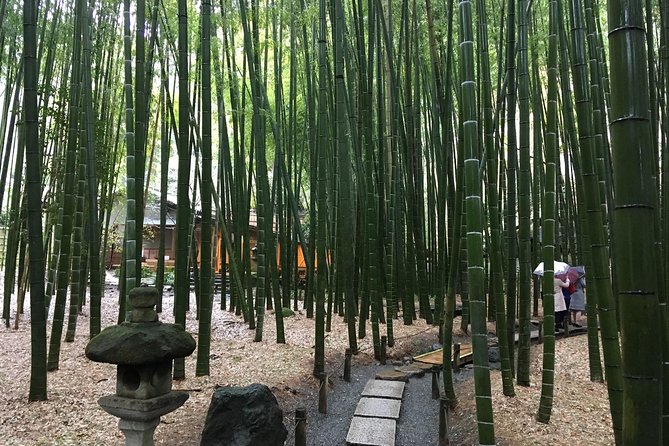
After the big-hitter energy of the Great Buddha and the sea views of Hase-dera, Hokoku-ji (also described as Takedera) gives you a different texture. This temple traces back to the 14th century, but the star here is the bamboo forest.
You get about one hour on this stop, and entrance is not included at ¥300 per person. The layout and sights feel distinct from the more famous crowds, so it is a good moment to slow down and enjoy the sound and shade of bamboo instead of chasing the most photographed statue.
If you like having variety in one day, Hokoku-ji is a smart inclusion. It breaks up the route so the day does not feel like repeating the same kind of scene four times.
Tsurugaoka Hachimangu Shrine: Big Shogunate Meaning, Free Entry
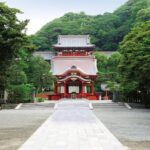
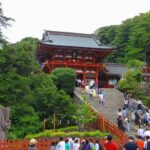
Then you end with Tsurugaoka Hachimangu Shrine, and it is a solid payoff stop. This shrine was linked to the Kamakura shogunate, serving as a guardian shrine and being worshipped by warriors as a deity connected to military life.
This stop has no entrance fee, which is always a nice bonus on a day that already includes paid temples. You will spend about one hour here, and it is a good place to soak up the cultural angle that makes Kamakura more than a beach town with temples.
It also works well as a calm finale. You have already seen the Great Buddha, gardens, and bamboo, so here you can shift from scenery to meaning and let the day settle.
How the Day Actually Flows: Getting Around Without Getting Lost
A Kamakura day trip can be deceptively hard if you are DIY. You usually face multiple train segments and local transit, plus the challenge of figuring out where to stand, which platform to use, and when to switch to buses.
This tour is built around removing that friction. Your guide helps with the route so you do not burn energy on navigation. Some guides have even handled practical tasks like explaining transit steps clearly, guiding people through stations, and supporting visitors with transit cards such as Pasmo when needed.
You should still treat this as an active day. One of the most consistent notes from past experiences is that you will log a lot of steps. Plan for a slower walking pace, especially if you stop often for photos, and keep your daypack light.
The Real Value: A Guide Who Can Turn Stops Into Stories
The best tours do more than transport you. They connect the dots so each place feels less random.
I like that guides often bring a prepared plan, but also adjust as the day goes. Multiple past guests have described guides who arrived on time at the hotel, had a typed outline ready, helped with transit routing, and explained what you are seeing in plain terms.
Some examples of the human touch you can benefit from:
- If you collect goshuincho stamps, guides may make time to help you get signatures at each stop.
- If you have dietary needs, some guides have supported finding a lunch spot that works, including gluten-free needs.
- Guides have helped groups charge transit cards and navigate station areas smoothly.
That said, there can be a language-fit difference from guide to guide. One past experience pointed out a language barrier that made the tour less satisfying. If language precision matters a lot to you, consider messaging your operator before booking to align on expectations.
Lunch and Breaks: Plan for Food, Not Just Photos
Your trip includes time for a break and lunch, but details vary by day and by how your guide manages pacing. Several past experiences describe stopping for lunch near major station areas, with recommendations like noodles or local dishes such as okonomiyaki.
This is also where having a guide can genuinely save time. Instead of hunting for something that sounds right in Japanese, you can ask for a place your guide thinks is convenient for your group.
If you have allergies or dietary restrictions, it is smart to bring it up early. Some guides have gone out of their way to find options for coeliac needs, but you should still ask rather than assume.
Pacing, Footwear, and Who This Tour Suits Best
This is listed for travelers with moderate physical fitness. The biggest reason is simple: temples in Kamakura often mean stairs, hills, and lots of walking between stops.
Who tends to love this tour:
- You want a high-value day trip with the major sights handled in one shot.
- You enjoy temples and shrines, and you like learning how they connect to Kamakura’s role in Japan’s past.
- You prefer not to spend your vacation on transit troubleshooting.
Who might hesitate:
- If you hate stairs or have mobility limitations, the walking load could feel tough.
- If you want total freedom to linger for long periods at one site, the schedule may feel tight. This tour is structured to hit multiple highlights efficiently.
Should You Book This Private Kamakura Tour?
Book it if you want an easy, well-structured Kamakura day where your guide handles the route and helps you understand what you are seeing at each major stop. The combination of hotel pickup, a private guide, and iconic visits like Kotoku-in plus Hase-dera makes it a strong value for time-starved travelers.
Skip it, or at least rethink it, if you want a slow, self-guided wandering day, or if you know you struggle with steps and uphill walking. Also consider language comfort if that is critical to you, since guide English levels can vary.
If you fall in the first group, you will likely come away with the feeling that Kamakura is more than one statue and a pretty view. It becomes a coherent slice of Japan you can actually connect, one stop at a time.
FAQ
What time does the tour start?
The tour starts at 9:00 am.
How long is the Kamakura tour?
The duration is about 8 hours 30 minutes.
Is hotel pickup and drop-off included?
Yes. You meet your guide in the hotel lobby, and hotel pickup and drop-off are included.
Is this a private tour?
Yes. It is private, and only your group will participate.
What fees are included, and what are not included?
Included are the professional guide and the hotel meeting. Not included are transportation (about ¥2,720 per person) and entrance fees for paid sites, including Kotoku-in ¥1,100, Hase-dera ¥400, and Hokoku-ji ¥300. Tsurugaoka Hachimangu is free.
Is there a digital ticket?
Yes, the tour provides a mobile ticket.
Can I cancel for a full refund?
Yes. You can cancel up to 24 hours in advance for a full refund.
Do I need moderate fitness for this tour?
It is recommended for travelers with moderate physical fitness, since you should expect walking and temple stairs. Children must be accompanied by an adult.
More 1-Day Tours in Kamakura
More Tours in Kamakura
More Tour Reviews in Kamakura
Not for you? Here's more nearby things to do in Kamakura we have reviewed

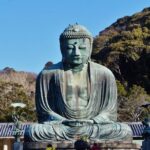


Kamakura Day Trips, side by side.
 ★ 4.5Kamakura & Enoshima Day Trip including Temple TicketsFrom $581,375 reviews
 ★ 4.5Mt. Fuji, Kamakura, Big Buddha, & Lake Ashi Day TripFrom $49867 reviews
 ★ 4.5From Tokyo: Kamakura & Enoshima 1-Day Bus TourFrom $66189 reviews
 ★ 5.0Kamakura Historical Walking Tour with the Great BuddhaFrom $98129 reviews
 ★ 5.0Kamakura Private Tour: Temples, Nature, and the Great BuddhaFrom $98121 reviews
 ★ 5.0Kamakura Walking Tour – The City of ShogunFrom $35100 reviews
 ★ 5.0Kamakura 8 hr Private Walking Tour with Licensed Guide from TokyoFrom $20180 reviews
 ★ 4.1Kamakura & Enoshima Day Tour with Pickup & Train RideFrom $1361 reviews
This tour also belongs to