
Review · SHINJUKU TOURS
Hands-on Japanese Cooking in a Shinjuku Home Kitchen with Satoru
Tokyo dinners feel personal here. You’re invited into a Shinjuku home kitchen to cook and chat, with Satoru teaching you from scratch. I love the hands-on pace, but do consider that the menu changes by day, so you need to plan ahead if you have preferences.
What really won me over is the chance to leave with both food and tools. You’ll make 2-5 Japanese homestyle dishes, then sit down for the meal you helped create with conversation that keeps it fun, not stiff. The one real catch is that if you don’t communicate dietary limits or dish preferences in time, the menu of the day will be cooked.
Quick take: what makes this cooking class worth your time
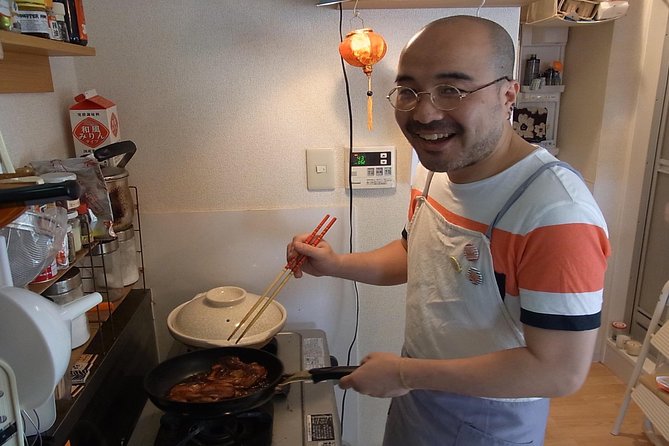
- A private Shinjuku apartment setting where you cook and eat with your host, not in a big classroom
- Menu depends on the day (Teishoku set meals most days, popular classics on others), so check first
- Hands-on teaching with ingredient stories like the role of dashi and even sweet elements such as organic honey
- You eat together with a drink included (local alcohol, typically 1-2 glasses)
- A gift utensil and ingredient so you have something tangible to remember and recreate later
From JR Shinjuku Station to a home kitchen: the vibe check
The experience starts with an in-person meeting at Shinjuku Station (the meeting point listed is Shinjuku Station 3-chōme-38-1, Tokyo 160-0022). Then you walk together to Satoru’s apartment in the heart of Shinjuku. This is one of those Tokyo moments where you go from train-station pace to quiet, lived-in calm fast.
I like that the format is straightforward: you show up, meet your host, and get moving. There’s no scavenger hunt, no complicated route, no “let’s gather at a landmark and drift.” You’re in a small kitchen with practical space and real cookware, which matters because cooking classes are easier when the setup is actually workable.
A possible consideration: it is an apartment kitchen, so the environment will be more compact than a cooking studio. That’s not a dealbreaker, but it helps to arrive with a calm, flexible mindset.
You can also read our reviews of more cooking classes in Tokyo


Meeting Satoru, getting oriented, and learning the rhythm of home cooking
Once you arrive, you join Satoru in his small but efficient kitchen. The class is hands-on, not just watching him do everything. You’ll learn how to make dishes from scratch, then you’ll share the meal together afterward.
The “home” part is the point. You’re not only learning techniques like how flavors come together, you’re also learning how someone actually thinks about ingredients at home. The best part is the dialogue. You can ask questions about how ingredients work, from savory foundations like dashi to sweet notes such as organic honey, and Satoru will offer tips and stories behind his choices.
If you travel with family or friends, this is the kind of activity that lets everyone contribute. In the class format, there’s typically a natural flow where different people can take on different tasks, which helps keep energy up and the group from feeling stuck in one role.
What you’ll cook: Teishoku set meal vs. popular Japanese favorites
The menu is where you’ll want to do the most planning. Specific days have specific menus, and if you do not share your preference, the menu of the day will be cooked. Menus can also vary by season, so don’t assume you’ll get the exact same dishes every time of year.
Here’s the practical schedule:
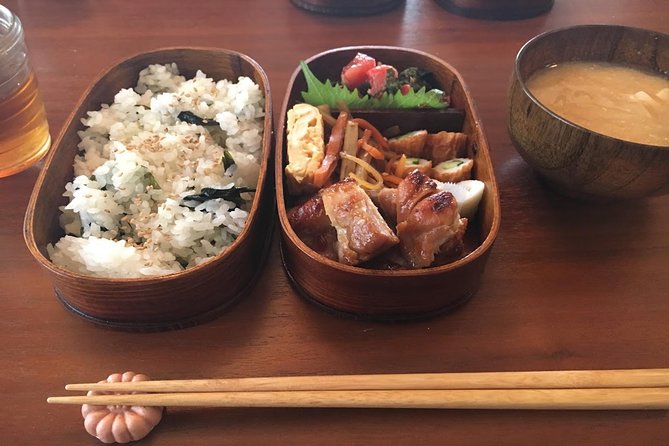
- Sat, Sun, Mon, Tue: Teishoku set meal, including miso soup, rice, and 2 side dishes
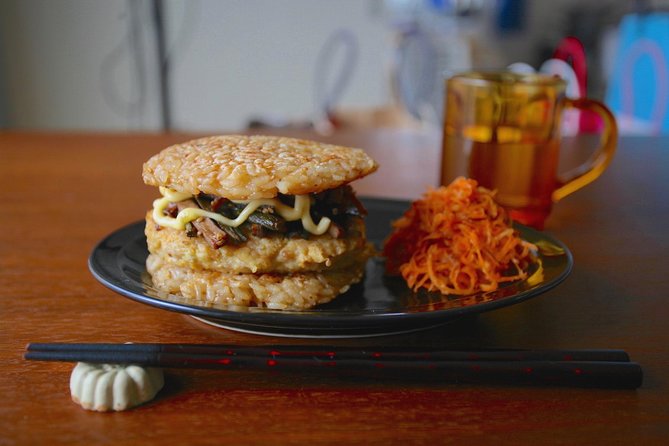
- Wed, Thu, Fri: popular Japanese food options such as okonomiyaki, karaage (fried chicken), yakisoba (pan fried noodles), katsu curry rice, ramen, or gyoza
What I like about this structure is that it reflects how Japanese eating often works. On Teishoku days, you get the comfort of a balanced set: soup, rice, and sides. On the midweek days, you get more variety and texture, like crispy karaage, savory-sauced gyōza, or the fun griddle feel of okonomiyaki and yakisoba.
If you have a clear favorite, tell Satoru ahead of time. The class can be more satisfying when the dishes match your cravings.
The class flow: from 2.5 hours to an actual finished meal
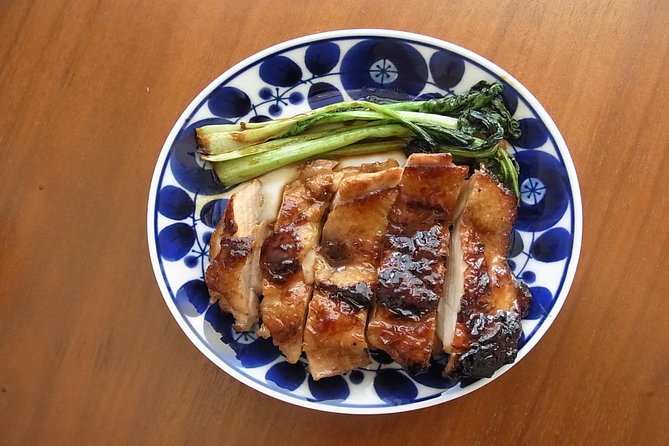
The whole experience runs about 2 hours 30 minutes. Cooking takes about an hour and a half, and then you sit down to enjoy the meal you made, with conversation as you eat.
In a good home kitchen class, you learn in steps, not chaos. This one is built around a simple sequence: you start cooking, you build familiarity with ingredients and timing, and then you reach the finish line together at the table. That’s a huge value for first-time cooks. You don’t just leave with recipes in your head, you leave with a finished plate and the feeling of how it all comes together.
Also note the “2-5 dishes” reality. The description says you’ll learn how to make 2-5 authentic homestyle dishes from scratch. That range matters because it changes your workload. If you prefer a lighter pace, plan to ask about the dishes in advance. If you love being busy, the chance to do multiple dishes is a big reason to book.
A smart tip for dietary needs and preferences
You should advise dietary requirements in the Special Requirements box at booking. Vegetarian option is available, but you need to request it when you book.
If you want changes or have restrictions tied to the menu, inform the host one week in advance. Otherwise, you’ll end up with the menu of the day. This is one of those “small detail, big impact” rules. It protects the kitchen workflow, but it also means you should communicate early.
More Tokyo tours and experiences for the shortlist




Cooking for real: what you learn beyond the recipe
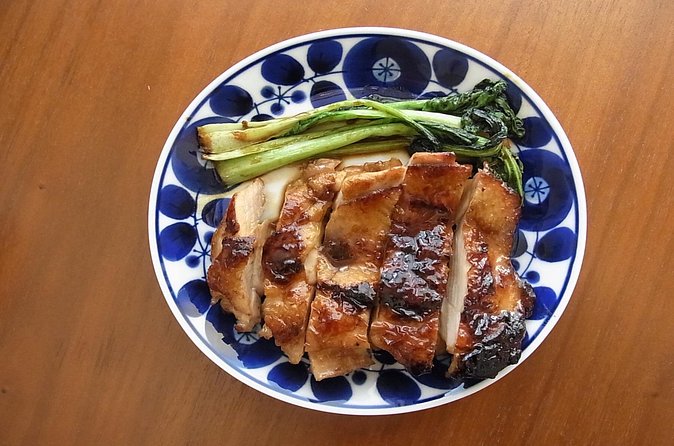
This class doesn’t read like a lecture. It’s a cooking lesson with explanation built in. Satoru teaches the why, not just the what, including ingredient background and flavor choices.
That’s especially useful because Japanese home cooking has a lot of subtle balance. Even when you’re only making a few dishes, you’ll notice the role of foundational components, like how dashi supports savory depth, or how sweet elements can round out flavors in unexpected ways. You can ask questions while you cook, and Satoru will respond with tips and stories related to what you’re making.
I also like that the class is designed for conversation. You’re not being timed through a show. You’re learning and chatting at the same time, which is how a lot of real meals happen in Japan.
Eating together in Shinjuku: the private meal moment
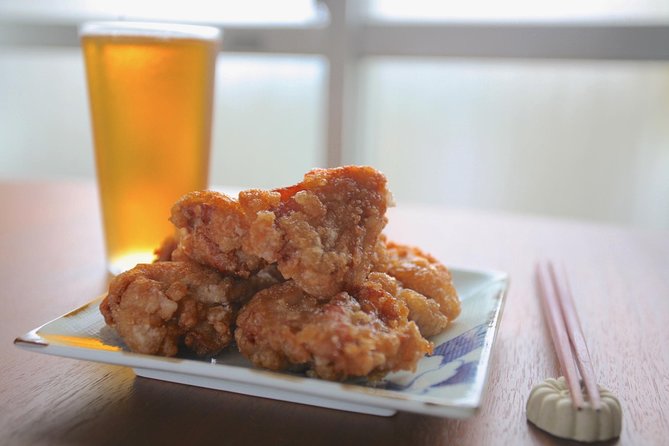
After the cooking, you sit down together to enjoy the meal you helped prepare, plus a drink. The listing includes local alcohol, typically 1-2 glasses. For many people, this is the best part because you get to taste what you made while your host can answer questions about what you’re experiencing.
This is also where the experience becomes more than a meal. You’re in a real home setting, so the food comes with context. The conversation gives you a smoother introduction to everyday Japanese food culture than you’d get from a restaurant alone.
And yes, it tends to be fun. The vibe is warm, welcoming, and humorous, which matters if you’re worried about cooking classes feeling awkward. If you’re going with a partner, friends, or family including teenagers, this format tends to hold attention because you’re actively doing something, then sharing something.
The Shinjuku apartment setup: comfort, privacy, and group size
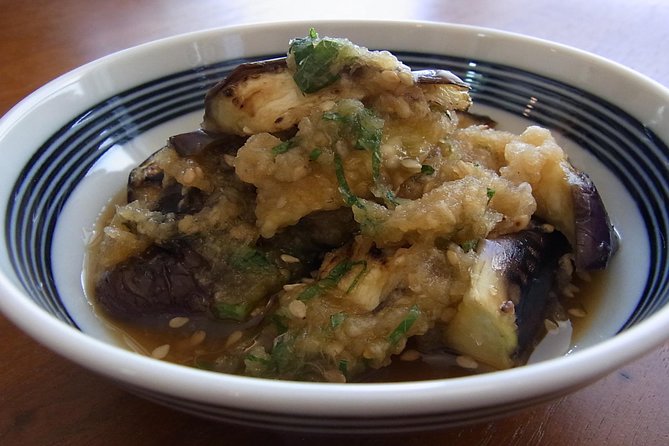
This is a private tour/activity, meaning only your group participates. That’s a big deal for comfort, especially in a smaller kitchen. You’re not trying to squeeze your questions into a schedule shared with strangers.
You’ll also appreciate the meeting and return flow. Pickup is included from JR Shinjuku Station, and the activity ends back at the meeting point. Hotel pickup and drop-off are not included, so you’ll want to plan your own transit to the station.
If you’re staying somewhere else in Tokyo, just remember that Shinjuku is a transport hub. It’s usually easier to get there than to get to a less-connected neighborhood.
The utensil and ingredient gift: why it’s more useful than a postcard
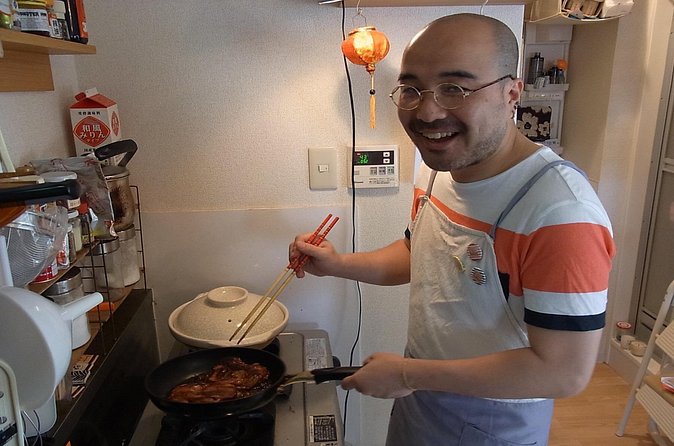
One of the highlights is that you receive a gift of a Japanese utensil and ingredient. That’s not just a nice souvenir. It helps you take the class home in a practical way.
Even without knowing Japanese cooking fully yet, having a utensil and at least one key ingredient gives you something concrete to experiment with later. It also makes the cooking lesson feel less like a one-time event and more like a skill you can practice again.
Price and value: is $130 per person a fair deal?
At $130 per person, this is not a cheap meal. You’re paying for privacy, instruction, and the full “cook plus eat” experience inside a host’s home.
Here’s how I think about value for a class like this:
- You get a private format in a real apartment kitchen, not a group demo.
- You get 2-5 dishes made from scratch, plus the sit-down meal.
- You get local alcohol (1-2 glasses).
- You get a utensil and ingredient gift, which adds tangible value.
- Your transport is simplified because pickup from JR Shinjuku Station is included.
If you compare it to a single nice dinner, it’s a different category. You’re not buying dinner food only. You’re buying instruction, conversation, and the chance to actually cook what you eat.
For solo travelers, it’s a bit of a splurge. For couples and families, it can feel more balanced because the experience is genuinely shared. It’s especially appealing if you want something “Tokyo local” that isn’t just a restaurant reservation.
Who should book this Shinjuku home cooking class?
This is a great fit if you want:
- A hands-on way to understand Japanese home cooking
- A private experience, especially in a small setting
- A meal that includes conversation with a host like Satoru, not just a scripted walkthrough
- Something family-friendly, since it has worked well for groups that include teenagers
It might be less ideal if:
- You want zero planning and you hate thinking about menu schedules
- You have strict dietary requirements and haven’t communicated them early enough
- You expect a huge menu variety in every session, because the day-of menu is fixed
Booking smart: how to make the menu match your day
Do this before you go: check the menu in advance and decide what you want. The class day determines what you’ll cook, with Teishoku taking over on certain days and popular favorites on others.
If you have dietary limits, vegetarian needs, or you want specific changes, communicate early. The one-week rule matters because the kitchen needs time to plan ingredients.
Also, pack your expectations like this: you’re learning homestyle Japanese dishes, not chasing restaurant plating. The value is the process and the meal at the end.
Final decision: should you book this cooking class in Shinjuku?
If you’re craving an experience that feels local, social, and practical, I think this one is a strong yes. The private home kitchen, the real ingredient talk, and the “cook then eat with your host” structure make it easy to recommend.
I’d book it if you like cooking, enjoy conversation, and can align with the day-of menu schedule. If you want maximum control over dishes, plan ahead early and communicate preferences and restrictions well before the class.
More Workshops & Classes in Tokyo
More Cooking Classes in Tokyo
More Tour Reviews in Tokyo





Not for you? Here's more nearby things to do in Tokyo we have reviewed










Shinjuku Tours, side by side.
 ★ 5.0Shinjuku Food Tour (13 Dishes at 4 Local Eateries)From $866,603 reviews
 ★ 5.0Tokyo Bar Hopping Tour in Shinjuku (All-You-Can-Drink + Dinner)From $1063,587 reviews
 ★ 4.9Shinjuku Food Tour (15 Dishes and 4 Eateries)From $852,033 reviews
 ★ 5.0Best of Shinjuku: Izakaya Food Tour (4 Stops, 14+ Tastings)From $921,863 reviews
 ★ 4.9Shinjuku Local Bar and Izakaya Guided Walking TourFrom $341,794 reviews
 ★ 5.0Tokyo Shinjuku Chopsticks Making ClassFrom $201,763 reviews
 ★ 5.0Tokyo Shinjuku Sumo Show & Experience with PhotoFrom $791,750 reviews
 ★ 5.0Tokyo Night Foodie Tour in Shinjuku – Seasonal Sushi, Wagyu BeefFrom $1111,161 reviews
This tour also belongs to