
Review · KAMAKURA DAY TRIPS
Introducing all the Famous Spots in Kamakura and Enoshima!
Kamakura and Enoshima, one guided day. This private tour strings together major temples and seaside views with a guide-led train plan, so you are not stuck figuring out connections between stops. It is built for people who want highlights plus a bit of nature, without spending your whole day buried in maps.
Two things I really like: you get a smart hit list of top sites, including Tsurugaoka Hachimangu Shrine and Hase-dera’s garden grounds, with realistic time blocks for each stop. And the guide experience is a standout, with strong mentions of guides such as Kiko, Higara, and Sandy who focused on pacing, customs, and helping you find local food spots. The only real caution is that key admission fees and at least some observatory costs are not included, and some stops may not take credit cards, so plan for extra spending and bring cash.
Key things to know before you go
- Train navigation without stress: your guide accompanies you on the train between sites, cutting down on confusion.
- A compact, all-in-one route: seven stops across Kamakura and Enoshima, including shrine visits, walking streets, and viewpoints.
- Kotoku-in Great Buddha option: you can visit the huge Buddha, including time at the statue itself, but admission is on you.
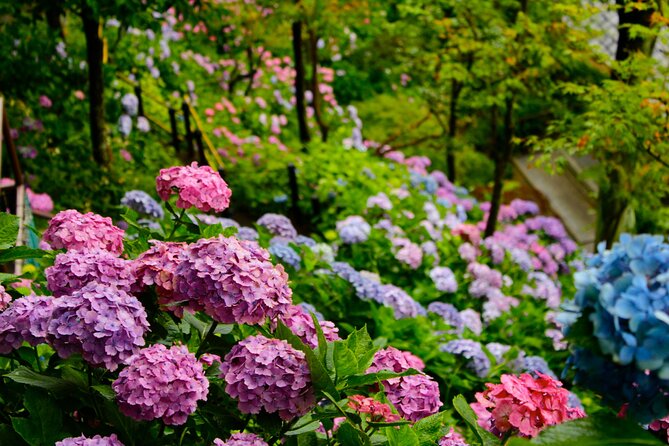
- Hase-dera Flower Temple time: a garden-and-temple visit with enough time to wander through seasonal plant displays.
- Enoshima for food and views: Nakamise street shopping plus Enoshima Shrine, then the Sea Candle deck for wide-area perspective.
Kamakura and Enoshima in one 7-hour sweep: what this day is really like
This is the kind of day trip that works best when you have limited time and want the big names. In about 7 hours, you cover major Kamakura history and then shift toward Enoshima’s sea-and-shrine energy. The stop plan is tight, with about four hours of listed onsite time, and the rest going to train hops and walking between places.
I like that it blends three flavors of sightseeing. You get classic shrine and temple time, you get a street stop built for eating and souvenir browsing, and you end with a view-focused stop that helps the day feel like a complete arc. That mix is also practical, because you are not spending the whole day indoors, and you are not spending it all just shopping either.
The private format matters here. If you care about temples but also want to slow down for photos, or you want to prioritize one stop over another, a guide can steer the day. The feedback around guides like Kiko and Sandy also points to an approach that explains what you are about to see and then adjusts when plans change, rather than just marching you along.
You can also read our reviews of more tours and experiences in Kamakura.
Private guide-led train hops, not route chaos
Kamakura and Enoshima can be easy, but only once you already understand the line and the station layout. The best part of this tour is that you are not doing that learning curve solo. Your guide accompanies you on the train between sites, so you can focus on where you are going next, not how to get there.
That also changes how the day feels. A self-guided plan often turns into stop-and-check time, especially when you switch lines, exit stations, or walk long blocks. Here, your guide handles the navigation rhythm, which helps you keep momentum.
There is also a practical planning angle. The tour uses a mobile ticket, and the day is organized with a set start and finish. You start at Kamakura Station and finish at Enoshima Station, which can be convenient if you already know how you will get back to your next hotel or transport hub.
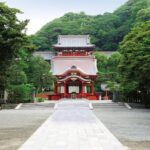
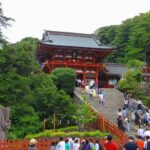
Tsurugaoka Hachimangu Shrine and Komachidori: 1000 years plus snack street time
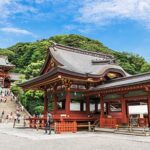
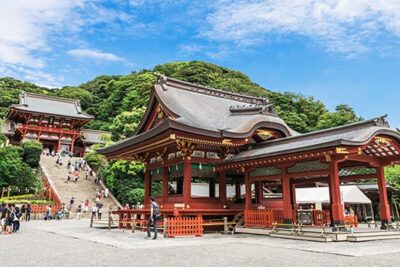
Your day begins at Tsurugaoka Hachimangu Shrine, and it is a strong opener. This shrine is known for a history over 1000 years, and it is associated with Genji, a figure tied to Japan’s Kamakura era. It is also described as a power spot, so it has that mix of spiritual significance and popular interest.
After the shrine, you head to Kamakura Komachidori, the street lined with restaurants and souvenir shops stretching from Kamakura Station toward Tsurugaoka Hachimangu. I like that this stop is not just a quick photo pause. You get a full block of time to browse, snack, and pick up small edible souvenirs if that is your style.
A useful detail: the Komachi street description notes that some local foods can only be eaten in Kamakura, and some cannot be bought. In practice, that means you should treat this as your best chance to try something you cannot easily replicate later.
One consideration: this is a walking-and-meandering street stop, not a guided tasting tour. If you have strict dietary needs, you will still be able to walk and choose, but you should expect to make final decisions on the spot.
Kotoku-in Great Buddha: plan for the 1,050 JPY entrance and the extra wow factor
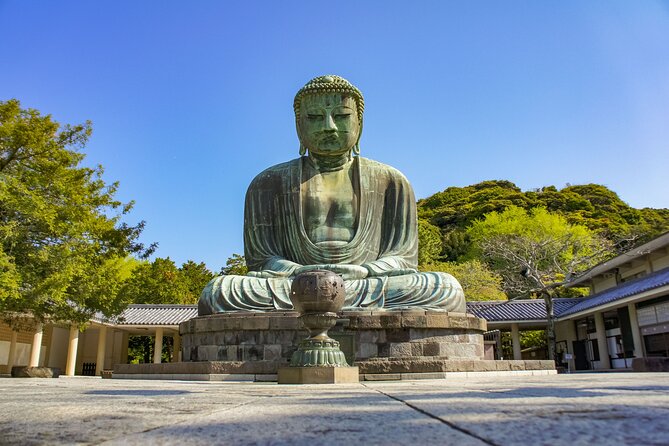
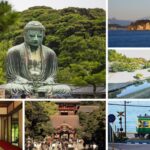
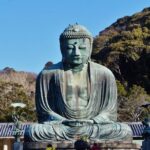
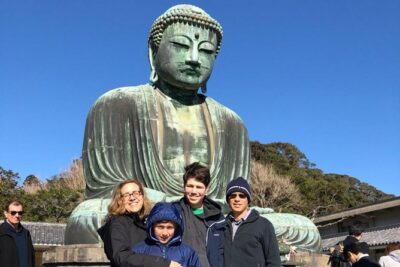
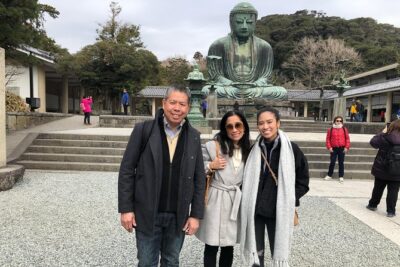
Next up is Kotoku-in, home to the Great Buddha of Kamakura. The statue is more than 11 meters tall, and the tour notes mention you can even go inside the Buddha. That single detail is a big reason this stop tends to be memorable.
The entrance fee for Kotoku-in is listed as 1,050 JPY per person, and it is not included in what you pay for the tour. To me, this is the kind of add-on that can feel worth it, because the experience is tied to the main attraction, not just a small museum-like room. If you are paying out-of-pocket anyway, you might as well target the places that have a real physical centerpiece.
Time at this stop is also short, about 25 minutes. That is enough to see the statue and move through the area without feeling trapped there. If you love Buddha statues and want longer, this tour gives you a taste, not an extended deep time.
Practical tip: since some sites may not take credit cards, bring cash. Even if you only plan to pay for one admission, you will save stress by not scrambling on the day.
Hasedera Temple Flower Temple gardens: why the timing is built for wandering
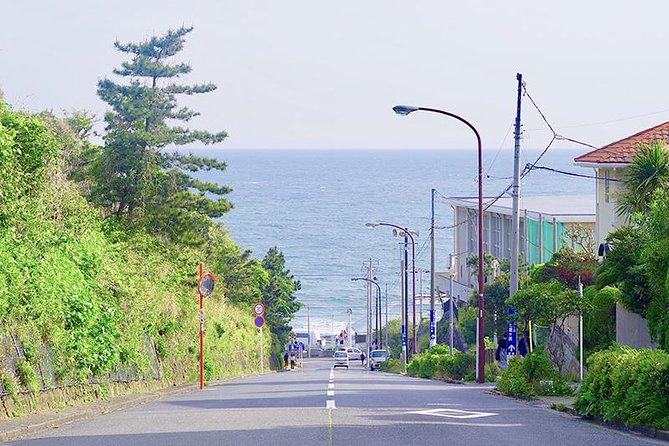
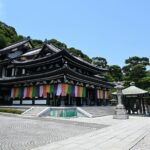
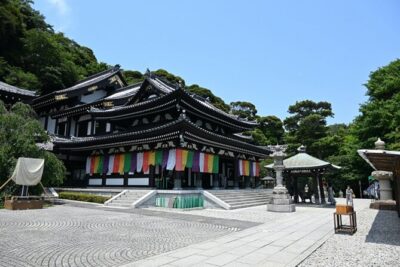
Hasedera Temple, also called the Flower Temple, is one of those places you enjoy by moving slowly. The grounds are described as large, and the temple is known for plants of all four seasons. Even if you are visiting outside peak bloom, you should still expect a lot of visual variety across paths and viewing areas.
You get about 50 minutes here, which is a good chunk for a temple with gardens. It is enough to take your time, stop for photos, and actually enjoy the walking rather than rushing straight through. The tour also notes you will climb while walking through parts of the grounds, so comfortable shoes matter more than fancy outfits.
The main drawback is predictable: if you want a fully unhurried, half-day garden immersion, this is still a day tour. The garden can inspire you to keep going, but the schedule is designed to get you to Enoshima afterward.
Enoshima Nakamise street to Enoshima Shrine: the mix of food, prayer, and a staircase story
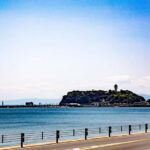
In Enoshima, you start with Enoshima Benzaiten Nakamise Dori, a shopping street that connects to Enoshima Shrine. This is your second street moment, and it is geared toward small bites and easy browsing. The highlights include specialty foods you can only eat there, such as takosen and whitebait bowls.
Then you move to Enoshima Shrine, with a history over 1000 years and an important power spot reputation. The tour notes also mention it as a place to pray for marriage, which gives the shrine visit a very clear cultural flavor. I like when a tour does not keep it vague, because it helps you understand what locals are coming for.
Another specific detail that makes this stop interesting: the shrine area includes Japan’s first outdoor escalator to the top of Enoshima. That is the kind of practical novelty you can appreciate even if you are not in a sightseeing mood. It also helps explain why Enoshima can feel like a mix of effort and reward, with access built in.
Time here is about 40 minutes. That is enough to see key worship areas and still have breathing room before moving on to the viewpoint stop.
Enoshima Sea Candle observatory deck: getting your 360-degree finale
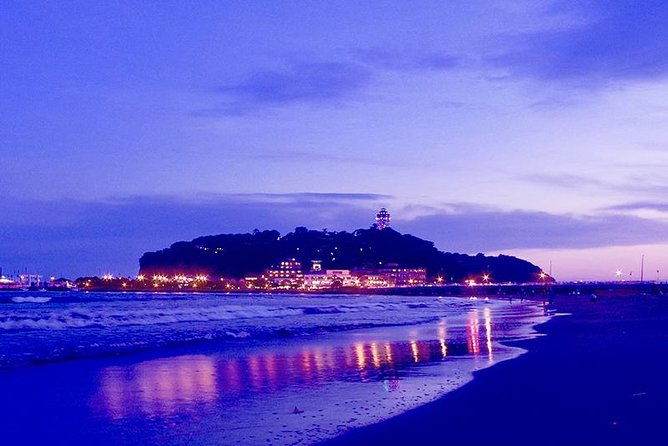
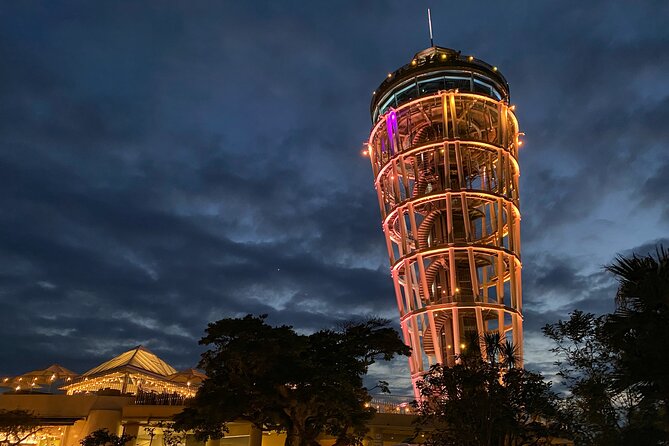
To close the day, you head to Enoshima Sea Candle, an observatory deck that is described as a lighthouse symbol of the Shonan area. You get a 360-degree panoramic view, and the listing highlights Mount Fuji as part of what you can see from Enoshima.
This is the stop that turns all the walking into a payoff. You can look back over where you have been, spot the sea perspective, and reset your brain before you take the next transport step in your own plans.
It is also a shorter visit, about 20 minutes. That makes it ideal as a final activity, because you get the main viewpoint without draining the energy you might want for dinner afterward.
As always with panoramic view places, your experience depends on day conditions. The listing is clear about the view potential, but you should still expect that clarity can vary.
Price and logistics: where the 125.42 USD fits in
The tour price is 125.42 USD per person, and it includes the tour guide and the necessary expenses for the guide during the tour. It is a private tour, so you are paying for planning and execution, not just entry tickets.
On the cost side, the listing points to estimated additional spending around 2,510 JPY per person for transportation, admission fees, and meal costs. Kotoku-in’s entrance fee is specifically listed as 1,050 JPY per person, while the rest of the day’s spending will depend on what you choose to do and eat.
Here is how I think about value. If you are the type who likes building your own route, you could do this on your own. But if you hate transport decision-making, this price can feel fair because the guide walks you through the train connections and prevents wasted time between stations. In a region like this, saving 30 minutes of confusion can be worth real money.
The other value angle is personalization. Feedback around guides like Higara and Sandy highlights patience with Japanese customs and helping find authentic local food. That matters if you want to understand what you are seeing, not just where to stand for photos.
What to bring and how to plan your day (so it feels easy)
Wear comfortable clothing and expect to walk. The tour explicitly says you will be walking a lot, and Hasedera includes climbing on the grounds. I recommend shoes you trust on uneven or temple-stone surfaces.
Bring cash. The tour notes say some spots do not accept credit cards. Since admissions and observatory costs are not included in the tour price, cash is the easiest way to keep the day smooth.
Also plan for a route adjustment. If weather is bad, the tour says destinations and routes may change. That is not unusual on the coast, and the private guide format helps because a human can reroute you without you starting over from scratch.
One more logistics point that people sometimes miss: your end point is different from your start. You meet at Kamakura Station and finish at Enoshima Station. If you are trying to catch a specific train back to Tokyo, I would plan your timeline with that in mind.
Who this Kamakura and Enoshima private tour is best for
This tour is a great fit if you want the best-known sights with less planning friction. It suits first-time visitors who want to see Tsurugaoka Hachimangu, Kotoku-in, and Hasedera without working out the route one station at a time. It also works well if you like a day that mixes culture, food streets, and viewpoints.
It is especially good for couples, small groups, and people who want a private pace. The praise for guides like Kiko and Higara includes mentions of personalizing the plan and explaining customs patiently. If you appreciate context, not just checklists, that is a big plus.
If you are a super-slow traveler who wants to linger a long time in gardens or shops, this might feel scheduled. Seven stops in 7 hours is action-packed, even though the timing is built to be realistic.
Should you book this Kamakura and Enoshima day tour?
Yes, I would book it if your goal is a high-hit Kamakura and Enoshima day with low stress. The guide-led train approach is the deciding factor, and the route is designed to balance shrines, temples, food streets, and a sea-and-view finale.
I would think twice if you know you want full freedom to wander without timing, or if you strongly dislike paying separate entrance fees. The out-of-pocket costs and cash requirement are not hidden, so you should be comfortable with that style of trip.
If you can handle walking and you want a guided day that hits the big names, this is a smart use of a single day in Kanagawa.
FAQ
How long is the Kamakura and Enoshima private tour?
The tour runs for about 7 hours.
Where do you meet, and where does the tour end?
You start at Kamakura Station (1-chōme-1-15 Onarimachi, Kamakura, Kanagawa). The tour ends at Enoshima Station in Fujisawa, Kanagawa.
What time does the tour start?
The start time is 10:00 am.
Is this tour private?
Yes. It is a private tour, and only your group participates.
What is included in the tour price?
The tour includes a tour guide, the private tour format, and the necessary expenses for the guide during the tour.
Are entrance fees included?
No. Entrance fees are not included. Kotoku-in has an entrance fee listed (1,050 JPY per person), and the tour notes also list additional estimated costs for admissions.
Do I need to budget for food during the tour?
Yes. Meal costs are listed in the estimated costs (1,000 JPY per person), and you will have time at food and shopping streets.
Should I bring cash?
Yes. Some spots may not accept credit cards, so it is wise to bring cash for entrance fees and any purchases.
What if the weather is bad?
If weather is bad on the day, the means of transportation, destinations, and routes may be changed.
Is there free cancellation?
Yes, free cancellation is available. You can cancel up to 24 hours in advance for a full refund.
More Tour Reviews in Kamakura
Not for you? Here's more nearby things to do in Kamakura we have reviewed


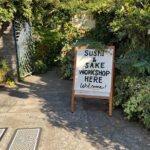
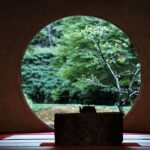
Kamakura Day Trips, side by side.
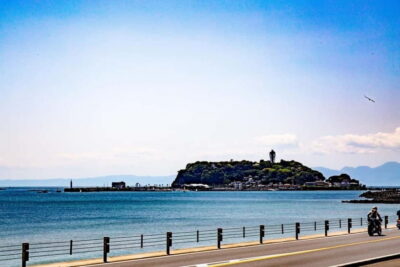 ★ 4.5Kamakura & Enoshima Day Trip including Temple TicketsFrom $581,375 reviews
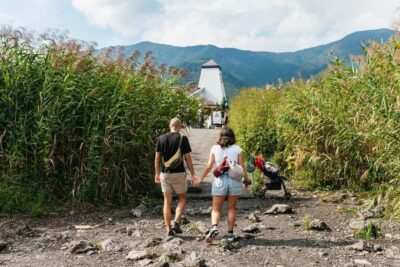 ★ 4.5Mt. Fuji, Kamakura, Big Buddha, & Lake Ashi Day TripFrom $49867 reviews
 ★ 4.5From Tokyo: Kamakura & Enoshima 1-Day Bus TourFrom $66189 reviews
 ★ 5.0Kamakura Historical Walking Tour with the Great BuddhaFrom $98129 reviews
 ★ 5.0Kamakura Private Tour: Temples, Nature, and the Great BuddhaFrom $98121 reviews
 ★ 5.0Kamakura Walking Tour – The City of ShogunFrom $35100 reviews
 ★ 5.0Kamakura 8 hr Private Walking Tour with Licensed Guide from TokyoFrom $20180 reviews
 ★ 4.1Kamakura & Enoshima Day Tour with Pickup & Train RideFrom $1361 reviews
This tour also belongs to