
Review · COOKING CLASSES
Japanese Home Cooking Class with Local Supermarket Visit
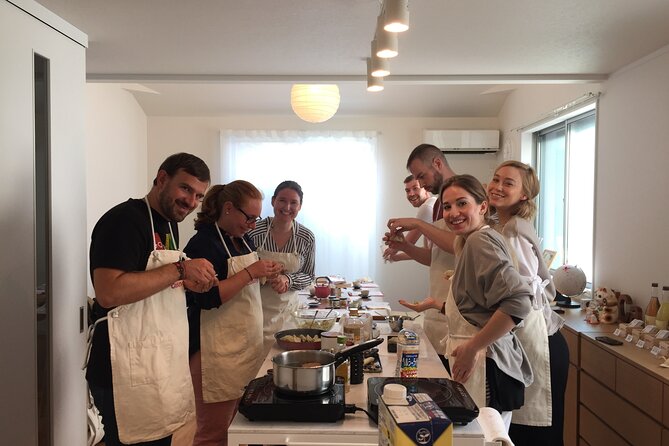
Cooking at home in Tokyo is surprisingly practical. With Yuca’s Japanese cooking class, you get guidance on menu planning, nutrition balance, and seasonal ingredients, then you finish with a local supermarket stop. I like that it’s built for real life, not just pretty plates, and the group stays small, with a maximum of 7 people.
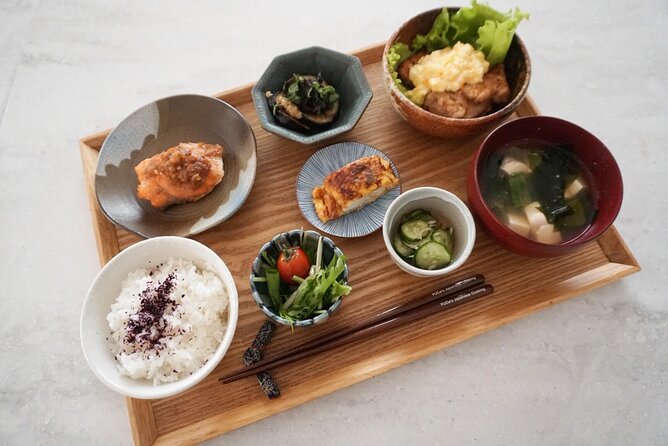
I also love the hands-on pace and the way it turns cooking into something you can repeat. In past sessions, the class has included dishes like gyoza, ramen, Japanese omelette, pork katsu, and walnut miso sauce, plus you get instructions you can bring home.
One consideration: this is a focused 2 hours 30 minutes cooking experience plus a supermarket visit. If you want a big sightseeing day or lots of wandering, this is not that kind of tour, and you’ll be commuting to Yuca’s kitchen in Nishiogu (Arakawa City).
Key takeaways before you book
- Small group of up to 7 keeps attention on your questions
- Menu planning and nutrition balance help you cook more than one dish
- Hands-on meals can include gy?za, ramen, omelette, pork katsu, and walnut miso sauce
- Lunch is included, so you eat what you cook
- Supermarket visit helps you learn what to buy and how Japanese shoppers think
- Take-home instructions make the class useful after you go home
Why a home cooking class works better than a restaurant night
Tokyo is amazing for eating out, but restaurant meals can leave you thinking, What’s the method behind this? This class aims to answer that, using Japanese home cooking as the starting point. You’re not just copying a recipe, you’re learning how someone thinks about a meal at home.
I like that the approach includes menu planning, not only knife work. Once you understand how dishes fit together, you can shop and cook with more confidence, even if you only make a few meals a month.
The same idea applies to ingredients. You’ll talk about seasonal choices and how they affect flavor and balance, which is a big part of how Japanese home meals stay satisfying without feeling heavy.
You can also read our reviews of more cooking classes in Tokyo

Meet Yuca, then get to the real basics
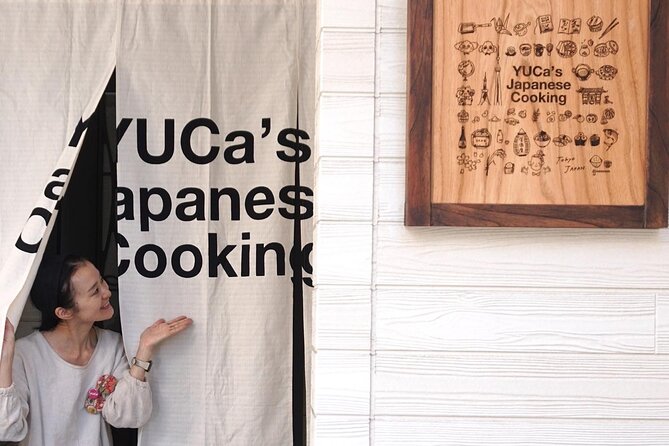
The class begins at YUCa’s Japanese Cooking in Nishiogu, Arakawa City. The session starts at 10:00 am and lasts about 2 hours 30 minutes, and it ends back at the meeting point.
Before you cook, you’ll learn the framework behind Japanese home cooking. Based on the class focus, expect discussion around menu planning, nutrition balance, and ingredient selection with a seasonal mindset. That matters because Japanese home cooking often aims for variety on one table, not just one star dish.
Yuca is also part teacher, part calm guide. The vibe that comes through in feedback is patient and practical, especially for people who are new to cooking or who have lots of questions. If you’re traveling solo, you’ll still get time to ask things that feel small but matter, like how to judge doneness or how to season without overthinking.
What you actually cook, from gyoza to pork katsu
This is a hands-on lunch cooking class built around traditional Japanese home dishes. The class uses a mix of meat, fish, and vegetables, so you don’t end up with only one ingredient type.
In past sessions, the cooking has included:
- gyoza
- ramen
- Japanese omelette
- pork katsu
- walnut miso sauce
That list is useful because it shows the class can cover both snacky savory food and more classic comfort-style meals. If you love Japanese flavors but get stuck at home because recipes feel complicated, you’ll likely appreciate that the dishes chosen are doable, not “only for pros.”
Kitchen skills show up too, but in a grounded way. You’ll be working in a home kitchen environment, so the goal isn’t culinary showmanship. The goal is repeatability, and the feedback makes it clear you get tips you can use again later.
The meal part: lunch included and not just a snack
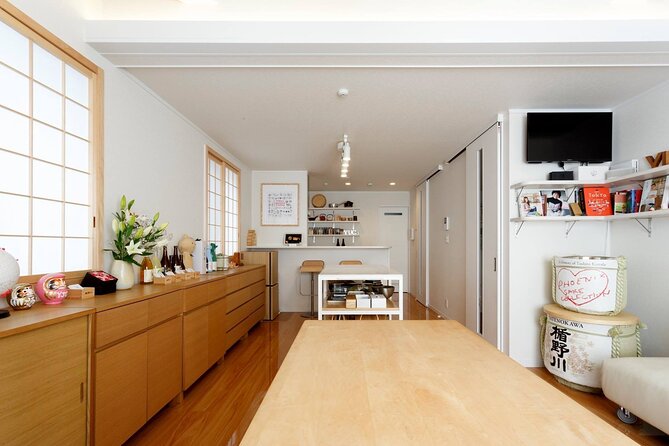
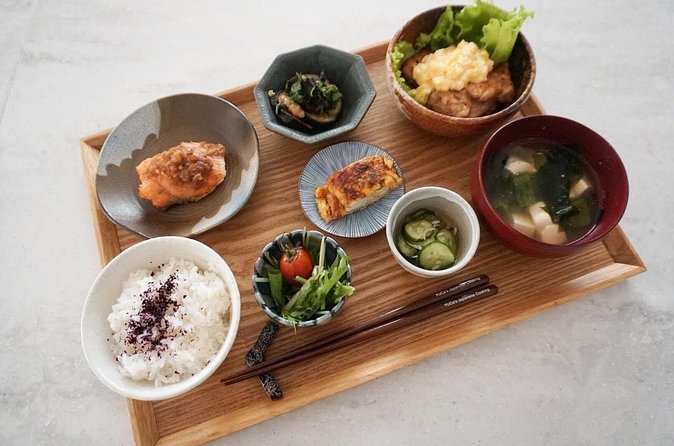
Lunch is included, and you eat the traditional Japanese home meals you make during the class. That one detail changes the whole value.
Paying for a cooking class is one thing, but getting to eat what you cook makes it easier to connect method with taste. You can also ask questions while you’re eating, especially about flavor balance, texture, and portioning.
Japanese home meals often feel “balanced” on the plate, and that’s not accidental. Since the class highlights nutrition balance, you can expect discussion that helps explain why certain pairings work, and why vegetables and protein show up in the same overall plan.
The supermarket stop is where the learning gets real
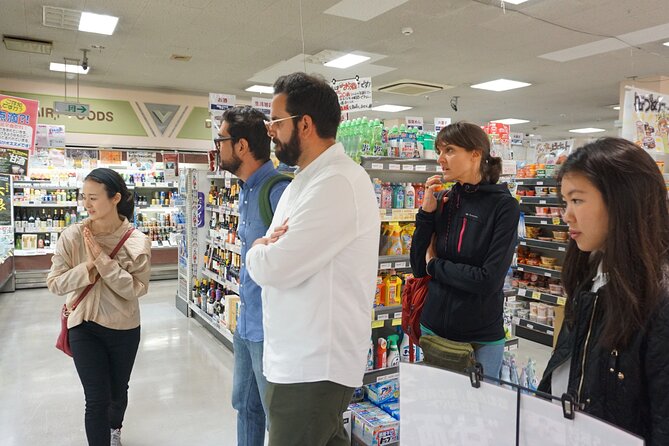
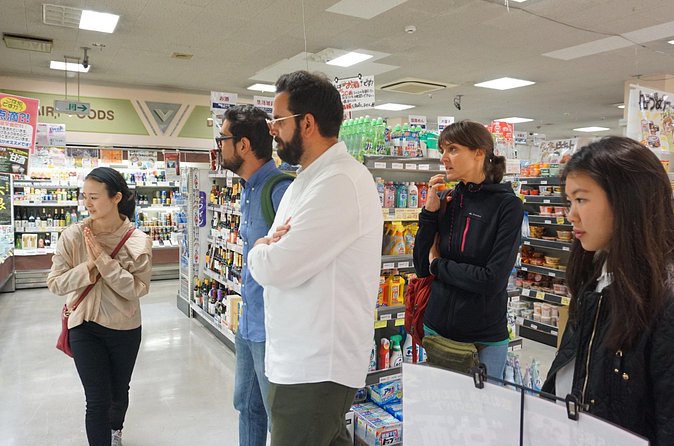
After cooking, you’ll visit a local supermarket. This is one of the best parts of the experience because it turns what you learned into action.
You’ll be able to see how everyday shoppers handle ingredients, packaging, and variety. For most people, this is the step that makes a home cooking class stick. Instead of remembering a dish vaguely, you can copy the shopping logic and recreate the meal with ingredients you can actually find.
The supermarket visit is also social and fun. People have described it as helpful for finding take-home items and for making the shopping part feel like a real local experience, not just a quick stop for a photo.
Practical note: the supermarket portion also helps you understand substitutions. Even if you can’t read every label, you’ll learn what to look for based on the dish you’re trying to cook.
More Tokyo tours and experiences for the shortlist



Learn how Japanese menu planning turns dishes into a system
One of the most “usable” parts of the class is that it doesn’t treat every dish as a one-off project. Menu planning is a skill, and the class explicitly includes it.
In Japanese home cooking, one meal often includes multiple components that balance each other: a main protein or filling dish, something supporting in texture, and often vegetables in a role that feels both fresh and grounding. When you see that structure, cooking stops feeling like random hits and starts feeling like a system.
Nutrition balance is mentioned as part of the class focus too. You don’t need to become a nutrition scientist to benefit. You’ll simply start to think about meals as a combination, not a single heavy plate.
If you’re the type who loves to cook but struggles to plan ahead, this part is a win. You’ll leave with a mental checklist for creating a simple Japanese-style lunch or dinner without buying a mountain of specialty items.
Take-home instructions: the best souvenir is your next dinner
A common theme in feedback is that the class provides instructions you can take home. People also mention tips and recipes that make it easier to recreate dishes later.
That matters because cooking classes are only valuable if they survive the reality of travel life. Once you’re home, you’ll have grocery stores, your own kitchen rhythm, and your own time limits. Written guidance and clear steps help you translate the class into something you’ll actually cook again.
The supermarket stop makes this even easier. If you can remember what you saw, and why those items were chosen, the recipes stop feeling abstract. They become a shopping plan.
Pricing and value: what $162.88 buys you in Tokyo
At $162.88 per person for a 2 hours 30 minutes experience with lunch included, the price sits in the mid-to-high range for Tokyo cooking classes. The reason it can still feel like good value is simple: you’re not paying only for cooking, you’re paying for a full learning loop.
Here’s what you’re getting for the money, based on the tour details:
- A Japanese food and culture expert who guides menu planning, nutrition balance, and seasonal ingredients
- Hands-on cooking and a traditional Japanese lunch
- A local supermarket visit right after cooking
- A small group setup with a maximum of 7 travelers
If you like cooking and want skills you can use again, this makes sense. If you only care about eating once and taking photos, you’ll probably find cheaper options that focus purely on dining.
But if you’re trying to bring Japanese home cooking into your life, paying for expert guidance plus lunch plus a supermarket stop is a strong bundle. You’re effectively buying time with someone who can explain not only what to do, but why it works.
Who this is best for (and who might pass)
This is a great fit if you:
- Love cooking and want methods, not just a one-time meal
- Want to understand Japanese home cooking in a practical way
- Like small-group experiences where questions are welcome
- Prefer learning through doing, then finishing with a real-world ingredient stop
It’s also worked well for families, including elementary age children, in past sessions. The key is patience and inclusion, and feedback points to Yuca being accommodating and kind, which makes the experience less intimidating for kids.
You might pass if:
- You’re craving major Tokyo sightseeing miles in a single day
- You want an experience that’s mostly walking around neighborhoods
- You prefer very broad classes that cover lots of cuisines and techniques, rather than one focused Japanese approach
Getting there: starting in Nishiogu, Arakawa City
The meeting point is YUCa’s Japanese Cooking, located at 2-chōme-34-8 Nishiogu, Arakawa City, Tokyo 116-0011. It’s near public transportation, so you’re not signing up for a difficult last mile from train or bus.
Because the class starts at 10:00 am, plan to arrive early enough to settle in. Home kitchens tend to run on their own schedule, and being punctual helps you start cooking without stress.
Also plan your day around the return. The activity ends back at the meeting point, which makes it easier to continue your Tokyo plans without guessing where you’ll end up.
Should you book this Japanese home cooking class with a supermarket visit?
Yes, I think you should book it if your goal is to learn Japanese cooking you can recreate. The big selling points are the small group, the expert-led focus on menu planning and seasonal ingredients, and the fact that you eat lunch you helped make. Then you get the supermarket stop, which turns recipes into real shopping habits.
If your travel style is all about landmarks, this class might feel too focused. But if you want a Tokyo experience that changes what happens after you land home, this delivers. You’ll leave with both knowledge and items you can use, and you’ll probably remember it the next time you’re deciding what to cook for lunch.
FAQ
How long is the Japanese home cooking class?
The duration is about 2 hours 30 minutes.
What time does the class start?
The start time is 10:00 am.
Where does the class take place?
It starts at YUCa’s Japanese Cooking in Nishiogu, Arakawa City, Tokyo, and ends back at the meeting point.
How big is the group?
The maximum group size is 7 travelers.
What’s included in the price?
Lunch with traditional Japanese home meals is included.
Does the experience include a supermarket visit?
Yes. You visit a local supermarket after the class.
Is it easy to reach by public transportation?
The meeting point is near public transportation.
Is there free cancellation?
Yes. You can cancel for a full refund if you cancel at least 24 hours before the experience start time.
More Workshops & Classes in Tokyo
More Cooking Classes in Tokyo
More Tour Reviews in Tokyo






Not for you? Here's more nearby things to do in Tokyo we have reviewed












Cooking Classes, side by side.
 ★ 5.0Ramen & Gyoza Cooking Class in Tokyo with Local Supermarket VisitFrom $122823 reviews
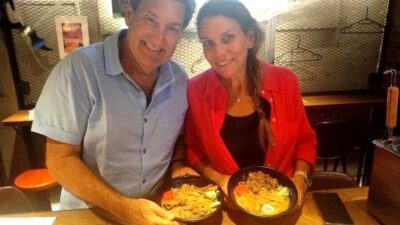 ★ 4.6Easy Ramen Cooking Experience in Kabukicho, ShinjukuFrom $29321 reviews
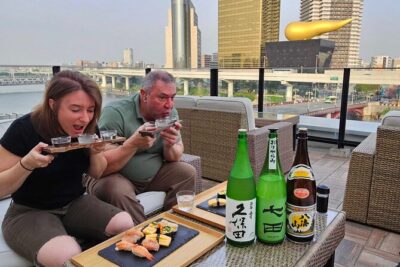 ★ 5.0Ramen and Sushi Cooking Class with Sake Pairing Set in TokyoFrom $79291 reviews
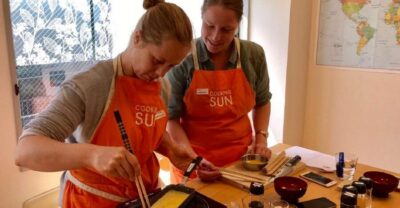 ★ 4.9Wagyu and 7 Japanese Dishes Cooking ClassFrom $67273 reviews
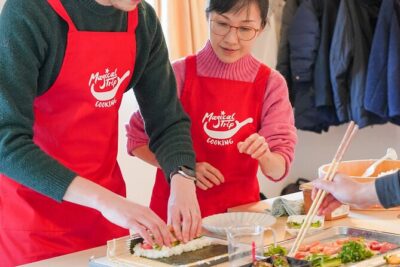 ★ 5.0Tokyo Washoku 4-hour Cooking Class: From Market to TableFrom $79253 reviews
 ★ 5.0Small-Group Wagyu Beef and 7 Japanese Dishes Tokyo Cooking ClassFrom $72190 reviews
 ★ 5.0Private Home Cooking in Yanaka – Local Flavors in a Warm SettingFrom $122173 reviews
 ★ 5.0Tokyo Sushi Making Experience & Japanese Cooking ClassFrom $59150 reviews
This tour also belongs to