
Review · KAMAKURA DAY TRIPS
Kamakura: A Journey Through Medieval Japan
Kamakura feels like Japan with medieval storylines. This tour strings together Engaku-ji Zen with Kamakura-period power, then caps it with the scale of the Great Buddha and an optional side trip to Enoshima. You get a focused route that helps you connect temples, shrines, and the samurai era without wandering around with a map and guesswork.
I especially like the way the guide, John, turns each site into a living story, not a checklist. I also love the food element, because the option for shojin-ryori gives you a real taste of what Buddhist monks eat every day.
One consideration: this is fundamentally a walking day. There is public transport and some places to sit, but it is not suitable for people with mobility impairments or wheelchair users.
Key highlights you should care about
- Engaku-ji Temple: a major Zen site tied to politics, art, and religious practice
- Tsurugaoka Hachimangu: a huge, popular shrine right in downtown Kamakura
- Kōtoku-in and the Great Buddha: one of Japan’s largest Buddha statues
- Shojin-ryori lunch: vegetarian and often vegan-friendly monk-style meals
- Enoshima option: holiness, kitsch, and seaside views for the private 8-hour plan
- John’s route skills: smart timing, good photo spots, and clear explanations in English
Getting started at Kita-Kamakura Station, then letting Kamakura unfold
You meet outside the East Exit of Kita-Kamakura Station. From the first minutes, the tour feels practical, because you are not trying to figure out transfers and walking distances on your own. Even though it is a walking tour, you do use public transport at key moments, and there are breaks built in.
Kamakura is a favorite summer escape for modern Tokyoites, and it shows. On many days, the crowd energy can be high near the center and at the big temples. A good guide plan helps you see a lot without feeling like you are rushing every five minutes.
This is also where you should decide how you want your day to feel. The standard route is set, but the private options can be customized to match your pace, interests, and timing. If you want more seaside time, you are looking at the longer version. If you want the core Kamakura temples and shrines, the shorter plan makes more sense.
You can also read our reviews of more tours and experiences in Kamakura.
Engaku-ji Temple: Zen that shaped art, politics, and daily life
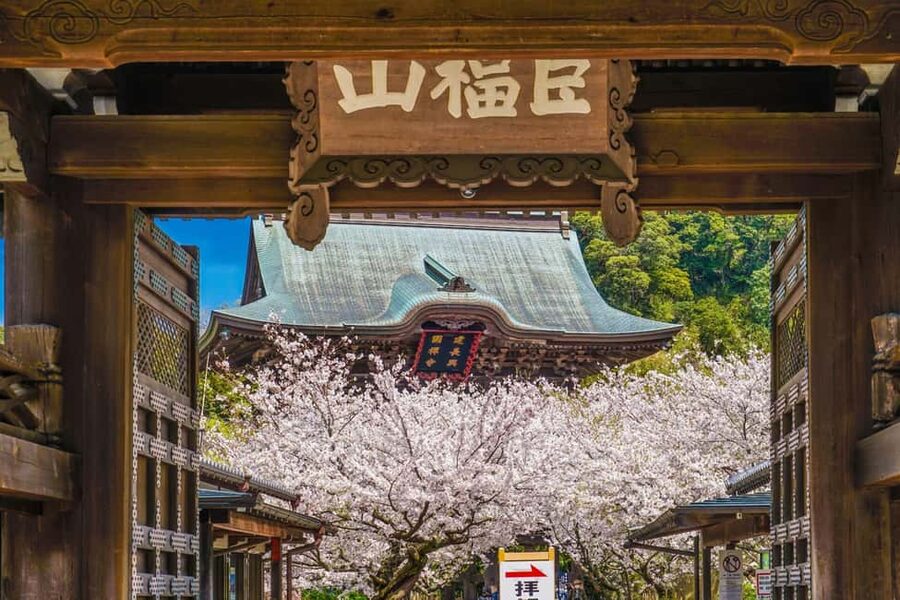
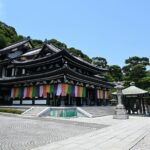
The tour begins in earnest with Engaku-ji, one of Japan’s most important Zen temples. You get about an hour guided here, which is long enough to understand the basics and still enjoy the place as a real environment, not just photo stops.
What I like about starting with Engaku-ji is that it gives you a framework for everything else. Zen is not just meditation cushions and incense. It also became tied to power and culture, influencing how people thought about discipline, aesthetics, and religious authority. When you understand that context, Kamakura’s samurai-era story starts to click.
Engaku-ji also helps you read the architecture and mood. Even if you are not a Japan-history specialist, you can appreciate how the space is built for quiet focus. It sets a tone that makes the later shrine visits feel less random and more like parts of one larger belief-and-power system.
Tip for your timing: arrive with a calm mindset. This is not the fastest stop on the route, and that is a plus. If you treat it like a slow station, you will get more out of the hour.
Tokei-ji: a short stop with a specific spiritual focus
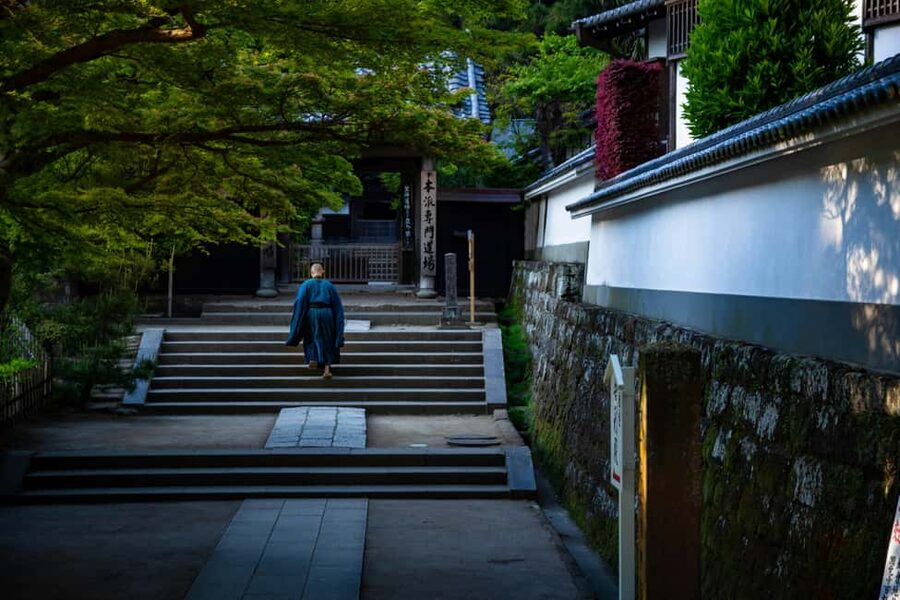
Next is Tokei-ji, a former nunnery that is also known as a pilgrimage spot for women from all over Japan. The guided time here is short, around 15 minutes, but it still matters because it adds a perspective you might miss if you only chase the biggest names.
This is the kind of stop that can change how you interpret the day. A tour that only shows the most famous temples can leave you thinking religion is one-note. Tokei-ji adds nuance, because it highlights the role of women and pilgrimage within the tradition.
It is also a good mental breather. After Engaku-ji’s deeper Zen focus, Tokei-ji feels like a quick, meaningful chapter rather than another long lesson.
Shojin-ryori lunch: monk-style food that keeps the day moving
Lunch is where the tour becomes especially memorable. You can enjoy shojin-ryori, the vegetarian meals Buddhist monks eat every day. The timing depends on the duration, and lunch is generally part of the 8-hour tour, but it is available upon request for the 4-hour option.
What makes this valuable is not just the novelty of trying a Buddhist meal. It is the way the food matches the philosophy you just learned about at the temples. You get a break that feels connected to the theme of the day, rather than a random restaurant stop.
The tour also flags that it is vegetarian and vegan-friendly, as long as you let the provider know beforehand. In practical terms, that means you are not stuck hunting for plain items while the group moves on.
One more note: lunch is not included in the base price. Budget around 1,000 yen per person for lunch, and plan on entry fees and transport costs too. If you are choosing the 8-hour version mainly for shojin-ryori, factor that in so you do not get surprised later.
Tsurugaoka Hachimangu: where Kamakura’s power shows up as shrine architecture
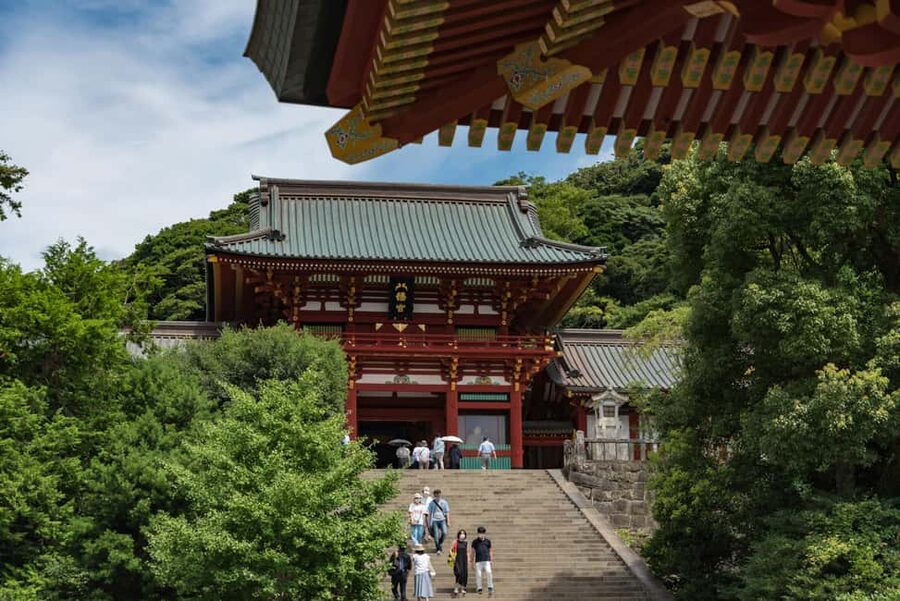
After lunch, you head to Tsurugaoka Hachimangu, one of the most popular shrines in the region and a major downtown landmark. You get about 30 minutes guided time, which is enough to understand why it is such a magnet for worship and tourism.
This stop is where Kamakura shifts gears. Engaku-ji and Tokei-ji connect you to Zen practice and pilgrimage. Tsurugaoka Hachimangu connects you to the public face of authority, because it sits at the center of Kamakura-period political life.
The shrine is huge, and it can feel like it has its own weather system of foot traffic. A strong guide helps you find the best moments for photos and explanations, so you are not constantly fighting people to see the details. In some versions of the route planning, John also aims for smart photo timing and less chaotic angles.
If you only know Kamakura for beaches, this is the cultural anchor that makes the day feel like a journey through medieval Japan.
The Great Buddha at Kōtoku-in: the wow moment in open air
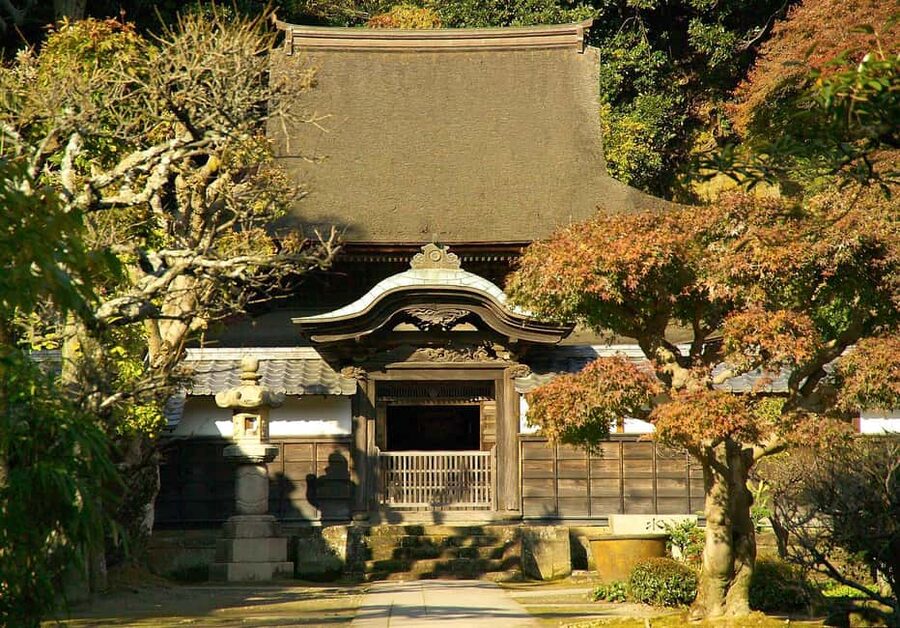
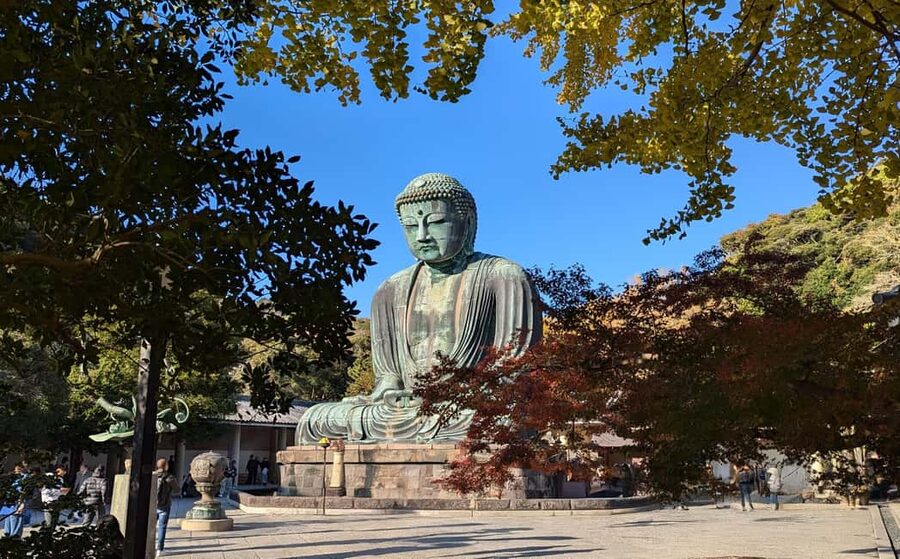
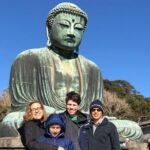
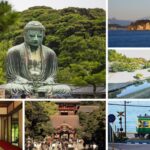
Then comes one of the most iconic sights in Japan, the Great Buddha of Kamakura at Kōtoku-in. You spend about 30 minutes here, and the point is simple: scale.
This Buddha statue is one of the largest in Japan, and it can be hard to appreciate size from pictures. Seeing it in person changes the math. It looks like it is meant to be approached slowly, not glanced at while you check your phone.
What I like most is the calm that surrounds it. Even with crowds nearby, the setting encourages you to slow down. It also acts as a visual summary of the day’s theme. Zen practice, pilgrimage traditions, and shrine worship all point to ideas of discipline and devotion. The Great Buddha gives those ideas a physical form.
Practical note: there is some transport on the way between stops, including bus and train segments. That matters because the route is not only long, it is also distributed. You are not spending your entire time walking between everything.
Enoshima for the private 8-hour option: holiness, kitsch, and seaside drama
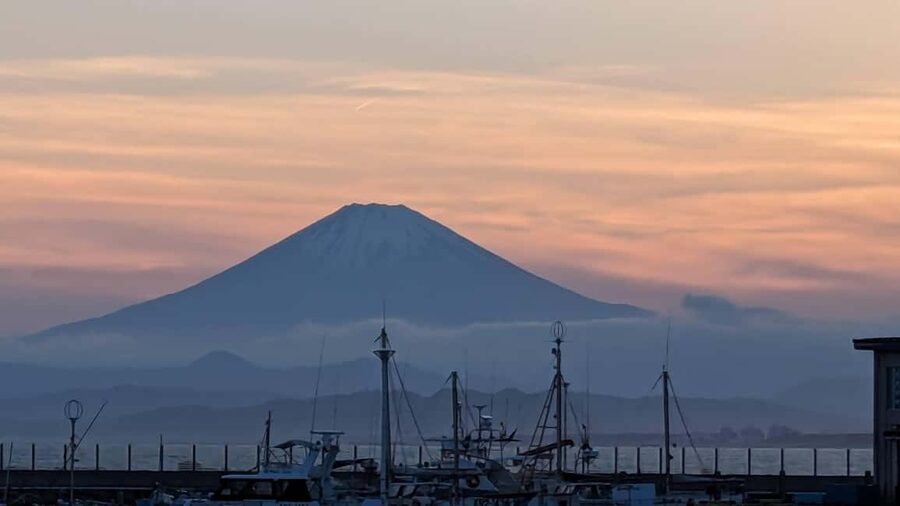
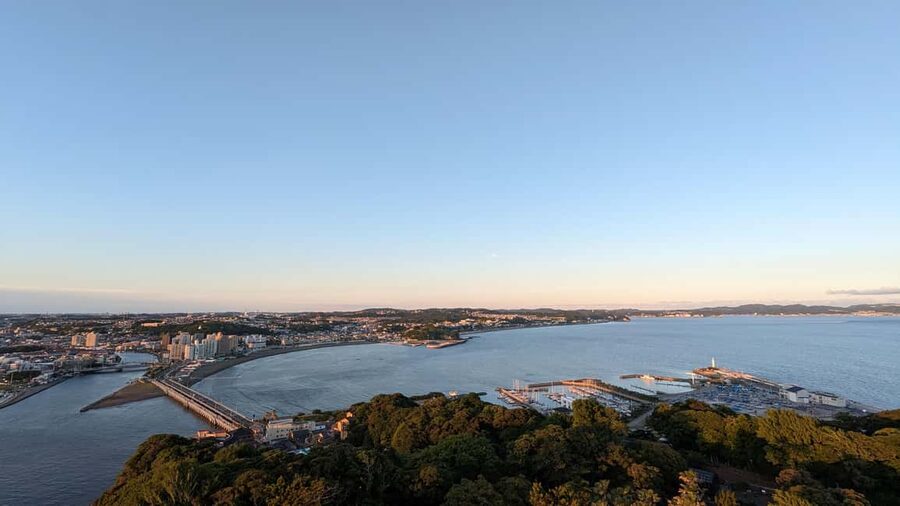
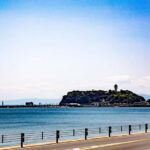
For the private 8-hour tour, the route includes Enoshima, a holy island in ancient times and now a popular seaside spot for couples and families. You get about two hours guided time, which is enough to enjoy the island feel without feeling trapped by it.
Enoshima is described as a mix of holiness, kitsch, and natural wonder, and that balance is why it works at the end of a temple-heavy day. After a morning of sacred sites, you get a different kind of atmosphere, one shaped by the sea, views, and casual visitor energy.
One highlight from the experience is the way the route can build toward sunset. John is known for timing the walk so you see the nicest scenes during golden hour. Even if you are not a strict sunset person, the combination of coastline, sky, and sacred space makes this stop memorable.
If you love a day that finishes with open air and a bit of fun, choose the longer option. If you prefer staying focused on Kamakura’s temples and shrines, the shorter route can feel more streamlined.
Price and value: what you really pay for the $35 tour
The base price is $35 per person for a 4 to 8 hour experience with an English live guide. For what you get, it is strong value if your priority is a structured route and clear explanations.
But do not treat $35 as your full budget. You should also plan for:
- Entry fees, roughly 800 to 1,500 yen per person
- Transportation fees, roughly 400 yen per person
- Lunch, roughly 1,000 yen per person
So yes, you will pay more than the headline price. Still, this is one of those cases where the guide cost is doing real work. It is connecting sites that are culturally and historically linked, and it is saving you from the hassle of building a sensible route yourself.
If you are comparing options, think about the trade-off: a self-guided plan can be cheaper, but it is harder to get the context right. With this tour, you get the story behind the buildings, and that changes how you experience the sights.
Who should book this Kamakura temple tour, and who should skip it
This tour is a great fit if you want:
- A day trip feel from Tokyo that still feels focused
- Zen temples plus major shrines, not just one religion-themed stop
- A guide who explains in English without making you feel lost
- Vegetarian or vegan-friendly food options, including shojin-ryori
It is not a fit if you need wheelchair access or you have mobility limitations. The tour is described as a walking experience and is not suitable for wheelchair users, even though it uses public transport and offers places to sit.
Also, if you dislike guided structure, you might find you want more time at fewer places. That is not the tour’s style. The pacing is built to cover the main Kamakura hits in one half-day to full-day window.
Final verdict: should you book Temples and Trails Tours Japan?
If your goal is to understand Kamakura, not just visit it, I think this is a smart booking. Starting at Kita-Kamakura Station, hitting Engaku-ji, and ending with the Great Buddha gives you a clean arc through the medieval story of the city. Then Enoshima adds a bonus if you pick the longer private option.
I would book if you value context, good timing for photos, and a guide who can explain how religion connected to politics and culture in Kamakura. I would also book if you want shojin-ryori and you like your experiences themed end to end.
I would skip if mobility is a concern, or if you want a totally relaxed day with no walking at all. For the right traveler, this tour is one of the best ways to get a lot out of limited time.
FAQ
Where do I meet the guide?
Meet outside the East Exit of Kita-Kamakura Station.
What is the tour duration?
The tour runs 4 to 8 hours, depending on the option you choose and the route.
Is it a walking tour?
Yes, it is a walking tour. The tour also uses public transport and includes places to sit, so it is not described as too hard on your feet, but it still involves walking.
Is there an option for private tours or small groups?
Yes. Private or small groups are available, and private options can be customized.
What language is the tour guide?
The tour guide is English-speaking.
What is included in the price?
Included items are the guide fee, the guide itself, and vegetarian and vegan-friendly options (tell the provider ahead of time).
Are entry fees included?
No. Entry fees are not included and are estimated at about 800 to 1,500 yen per person.
Is lunch included?
Lunch is not included in the base price. Lunch is estimated at about 1,000 yen per person, and the shojin-ryori option is generally for the 8-hour tour, with shojin-ryori available upon request for the 4-hour tour.
What about transportation costs?
Transportation fees are not included and are estimated at about 400 yen per person.
Is this tour suitable for wheelchair users?
No. It is not suitable for people with mobility impairments or wheelchair users.
More Tour Reviews in Kamakura
Not for you? Here's more nearby things to do in Kamakura we have reviewed

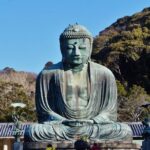

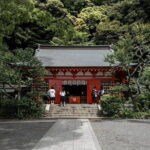
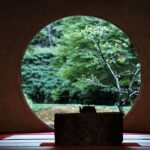
Kamakura Day Trips, side by side.
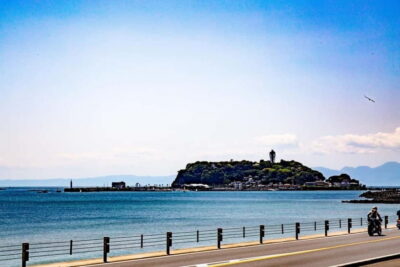 ★ 4.5Kamakura & Enoshima Day Trip including Temple TicketsFrom $581,375 reviews
 ★ 4.5Mt. Fuji, Kamakura, Big Buddha, & Lake Ashi Day TripFrom $49867 reviews
 ★ 4.5From Tokyo: Kamakura & Enoshima 1-Day Bus TourFrom $66189 reviews
 ★ 5.0Kamakura Historical Walking Tour with the Great BuddhaFrom $98129 reviews
 ★ 5.0Kamakura Private Tour: Temples, Nature, and the Great BuddhaFrom $98121 reviews
 ★ 5.0Kamakura Walking Tour – The City of ShogunFrom $35100 reviews
 ★ 5.0Kamakura 8 hr Private Walking Tour with Licensed Guide from TokyoFrom $20180 reviews
 ★ 4.1Kamakura & Enoshima Day Tour with Pickup & Train RideFrom $1361 reviews
This tour also belongs to