
Review · COOKING CLASSES
Mochi and Nerikiri Wagashi Combination Cooking Class
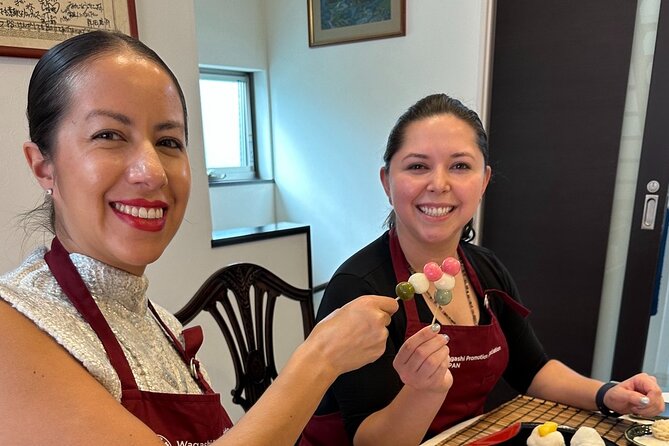
Mochi-making feels like magic, not mystery. In this in-home Tokyo class, you learn mochi and nerikiri wagashi step by step, with matcha and mochi history woven in as you work. It is hands-on, beginner-friendly, and you get a quieter slice of Tokyo about 15 minutes from the city.
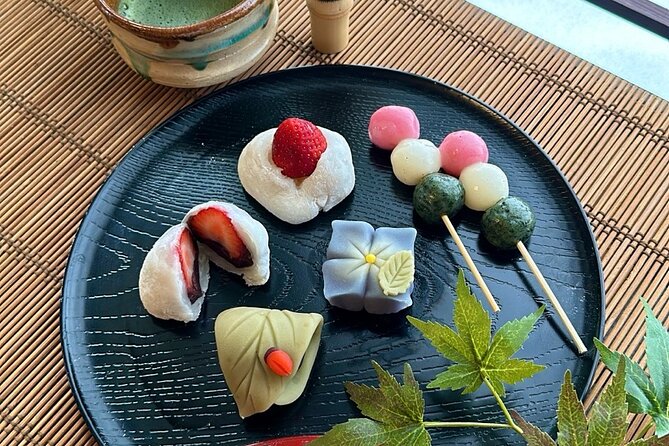
I love the personal pace you get in a private setting, where you shape dough and follow clear guidance. I also love that you make several sweet types in one lesson, including strawberry Daifuku (with pineapple or kiwi when strawberries are out of season) plus dango skewers and two seasonal nerikiri sweets.
One thing to consider is logistics and allergies: transportation to the home is not included, and the host has two short-haired cats that stay in the bedroom during the lesson.
Key things I’d plan around
- Private in-home teaching from Satoko-san, so you are not rushed
- Three mochi-based sweets plus nerikiri wagashi, all in about 2.5 hours
- Seasonal nerikiri motifs, with dough already made and colored and a tutorial video you can reference
- Matcha you make with guidance, then taste on the spot or take away
- Takeaway box plus simple ingredients, designed for you to recreate at home
- Cat presence in the home, even though they stay in the bedroom during class
Why this mochi and nerikiri class feels different in Tokyo
Tokyo cooking classes can be “hands-on” in name only. This one is hands-on in a real way. You are in a local home setting, and the structure of the lesson is built around doing: mochi basics, shaping sweets, and learning the seasonal nerikiri design approach while you are still in the learning mode.
Two things make the experience feel especially grounded. First, you get focused attention as you work, since it is a private activity for your group. Second, the lesson connects technique to culture, so mochi history and the ways mochi is eaten do not feel like a random lecture. They help you understand why the shapes, textures, and serving styles matter.
You can also read our reviews of more cooking classes in Tokyo



Your $85.66 value: private teaching and several sweets
At $85.66 per person for about 2 hours 30 minutes, this is not the cheapest way to “try Japanese sweets.” But it is also not a pricey splurge with vague outcomes. You are paying for: private instruction, multiple finished items, tools and an apron provided, and a matcha drink you can make yourself.
Here is what you realistically leave with from the class content:
- Mochi made with glutinous rice flour
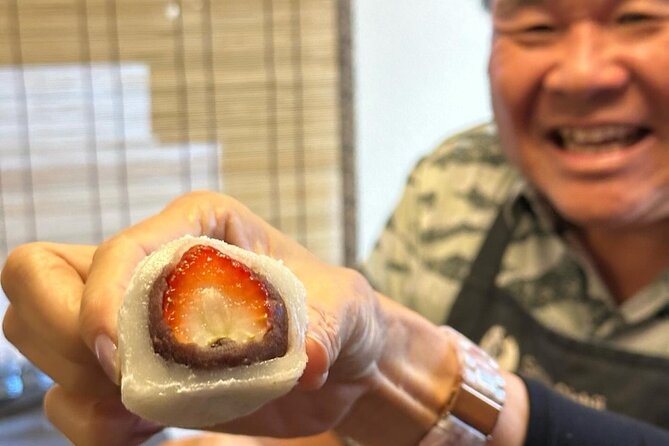
- Strawberry Daifuku, with pineapple or kiwi used when strawberries are out of season
- Dango, made as mochi balls on skewers
- Two types of Nerikiri wagashi, shaped into seasonal motifs
On top of that, the lesson includes matcha with your host, plus a history segment and guidance on how mochi is eaten. You can also take your sweets in a special box, which is a big deal if you want a calm end to the class instead of rushing to eat everything before it hardens.
If you are the kind of traveler who likes one class that actually produces multiple things you can show (and eat), this is good value. If you only want a quick bite-sized tasting, you might find this more work than you planned for.
Getting to Kitaminemachi: simple, but plan for transport
You meet at 20-15 Kitaminemachi, Ota City, Tokyo. The activity ends back at the same meeting point.
Public transportation is mentioned as nearby, so you should be able to get there without a car. Just be aware: private transportation is not included, so you need to handle your own commute to this home in Ota City.
Two practical tips help here:
- Build in a little buffer time. Even with good transit access, home-based meet points can take a minute to find.
- If you want a smooth day, pair this class with a quieter area activity before or after. The whole pitch is to trade Tokyo bustle for a more peaceful neighborhood experience.
Inside the lesson: mochi basics you can actually repeat
The class starts with mochi technique, using glutinous rice flour. Even if you have never made anything like this before, the lesson is set up for beginners. You are guided through the steps, and you learn not just what to do, but how the dough changes as you handle it.
You also get a short history component on mochi and how it is prepared and eaten. I like this part because it turns your work from “follow the steps” into “understand the why.” When you later shape each sweet, you feel less like you are copying and more like you are participating in a tradition.
Making Daifuku and dango: strawberries, then smart swaps
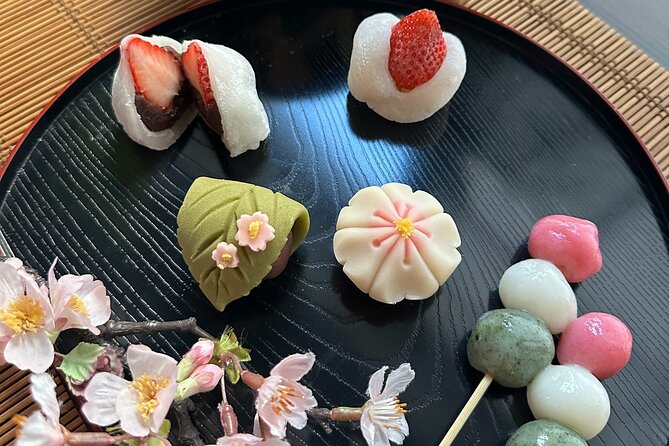
Once you have your mochi base technique, the class turns into specific sweet builds. The first big win is Daifuku.
- If strawberries are in season, you make strawberry Daifuku.
- If they are not, you use pineapple or kiwi instead.
That substitution matters. It means the class is not stuck waiting for perfect ingredients. It also gives you a real-world example of how Japanese sweet-making adapts with seasons, and how flavors still work even when one fruit changes.
Next comes dango. You will make mochi balls on skewers, learning the shaping and handling needed for the right size and texture. Dango is one of those desserts that looks simple but can turn frustrating fast if the dough handling is off. Having guided instruction during the creation helps you avoid the most common mistakes.
A helpful bonus: the class describes recipes as simple and easy to recreate later, and notes that ingredients are plant-based and available. That is your clue that this is not meant to be a once-only workshop.
More Tokyo tours and experiences for the shortlist




Nerikiri wagashi: how the seasonal motif actually gets built
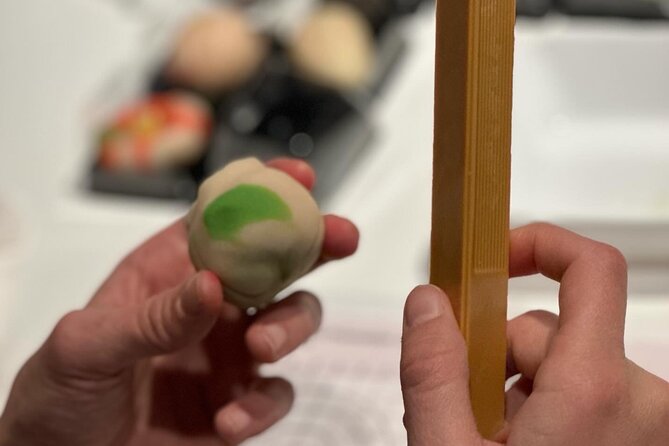
Nerikiri is the part that intimidates many first-timers. The good news is that this class removes the biggest pressure point.
The dough is made and colored in advance, so you do not start from scratch. What you do in the lesson is the important part: learning how to shape the dough into a seasonal motif. Motifs change by season, so your designs depend on when you take the class.
You also get access to a tutorial video for the shaping approach. Even if you forget a detail mid-process, you have a reference you can return to later. That is especially useful for nerikiri, where timing and technique are subtle but important.
You make two kinds of Nerikiri wagashi. This gives you more than one practice opportunity, and it also helps you see how different shapes can still share the same core method. If you like having variety and you want a “wow” result in a limited time, nerikiri is where that happens.
Matcha time: taste it there, take it with you if you prefer
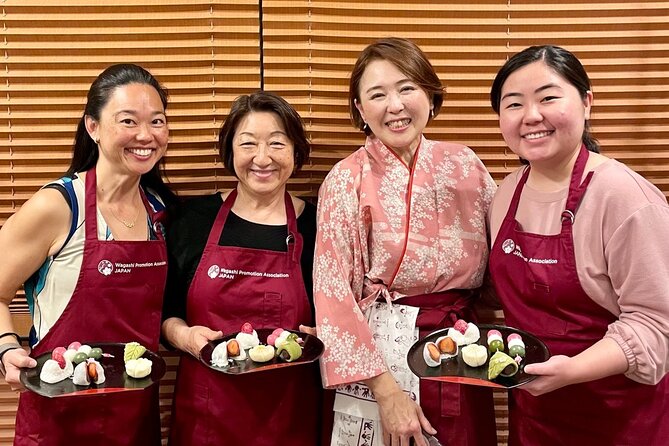
After (and alongside) the sweet-making, you have matcha green tea with guidance. The class includes making the matcha, not just drinking it. That keeps the experience connected to Japanese tea culture in a practical way.
Then you get a choice:
- Taste your creations during the class, right after you make the matcha.
- Or take them with you in the special box.
I like that flexibility. If you are worried about texture changes, packing the sweets is a smart option. If you want the immediate satisfaction of eating what you just made, tasting on site is the payoff moment.
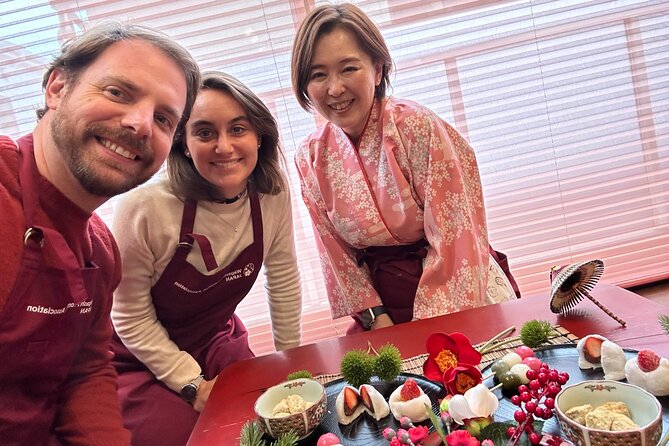
The class also includes a mention of photos and souvenir touches. In my experience with host-led home classes like this, the best moments are the ones you can actually remember visually. Here, Satoko-san takes great pictures during the process and helps with plating so your sweets look the way they are meant to look.
What’s included, what’s provided, and what you should bring
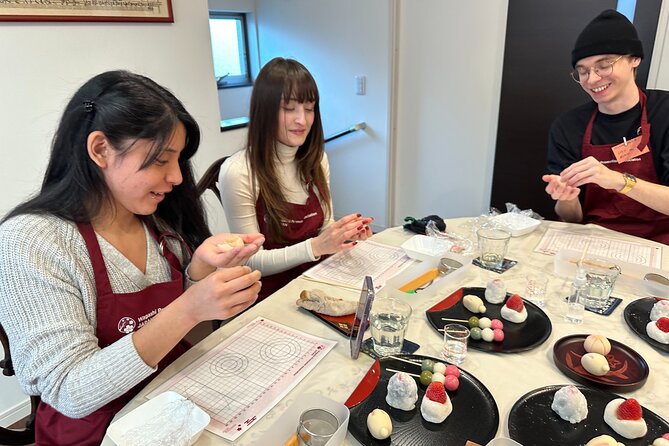
You receive a set of helpful support items:
- Apron (free rental)
- Hand towel
- Special tools for wagashi making
- Special box for takeaway
- Drinking water
That is a good value because you do not need to hunt for tools or worry about what is provided. Tools are a big deal for wagashi, since shape and texture depend on the right equipment.
What you should bring is mostly about readiness, not gear. Come with the mindset to get a bit hands-on. If you are sensitive to mess, you might want to wear comfortable clothes you can move in easily, since you will handle dough.
Vegetarian-friendly ingredients and who should book
The class notes that the ingredients are plant-based, which makes it appropriate for vegetarians. If that is a factor in your planning, this is one of the cleaner matches you will find.
This class is also a strong choice if you:
- Want multiple finished wagashi in one afternoon
- Prefer private attention over a busy group format
- Like learning more than eating, meaning you enjoy history and context as you make sweets
- Want something you can recreate at home with ingredients that are said to be easy to find
Two considerations for fit:
- If you have a strong allergy to cats, you should think twice. The host has two short hair cats and they stay in the bedroom during the lesson.
- If you hate hands-on work, or you want only a quick snack without shaping anything, this may feel like too much effort for the time.
The souvenir layer: gift and photos you can keep
Beyond the sweets, you may receive a Japanese gift as souvenir. That is a nice touch, especially if you want a small token that feels connected to what you learned.
You also get process photos from Satoko-san and plating help. That matters because wagashi is judged by detail, not just flavor. Seeing your steps later can help you recreate more accurately at home, since you remember the shapes you aimed for.
How to recreate this at home without getting stuck
The class is designed for you to continue after you go back. It states that recipes are simple and easy to recreate, and that ingredients are available in your home country.
Here is how to use that promise wisely:
- Recreate the mochi base technique first, since both Daifuku and dango depend on it.
- When you practice nerikiri, lean on the tutorial video logic. Nerikiri is more about technique than ingredient novelty.
- If you are reproducing seasonally, plan to swap fruit for Daifuku the way the class does: strawberries when available, and pineapple or kiwi when they are not.
If you are cooking for friends or family, this class gives you a nice structure. You can build a mini wagashi menu from your own batch, then serve matcha as the pairing.
Should you book Mochi and Nerikiri Wagashi Combination Cooking Class?
Book it if you want a private, calm Tokyo experience that produces real results: three mochi-based items plus two nerikiri sweets, plus matcha you make yourself. The best reason to book is not just the dessert. It is the teaching style: hands-on, beginner-friendly, and tied to technique and context.
Skip it if you cannot do cats at all, or if you do not want to handle dough and shape desserts for most of the 2.5 hours. Also, make sure you can handle the commute, since private transportation is not included.
Bottom line: if you like learning by doing and you want to leave with sweets that look like they belong in Japan, this is a smart way to spend a Tokyo afternoon.
FAQ
How long is the Mochi and Nerikiri Wagashi combination cooking class?
It lasts about 2 hours 30 minutes.
Where does the class take place in Tokyo?
The meeting point is 20-15 Kitaminemachi, Ota City, Tokyo 145-0073, Japan, and the activity ends back at the meeting point.
Is this class private or shared with other people?
It is a private tour/activity, so only your group participates.
What sweets will I make during the lesson?
You will make three types of mochi and wagashi including mochi-based Daifuku (strawberry or, if out of season, pineapple or kiwi), dango (mochi balls on skewers), and two kinds of Nerikiri wagashi.
Can I take the sweets home?
Yes. You can either eat them after making them with matcha, or take them in a special box.
Is the class vegetarian-friendly?
Yes. The class states the ingredients are plant-based, and it is appropriate for vegetarians.
Are there cats in the home during the class?
Yes. There are two short hair cats that stay in the bedroom during the lesson. If you have strong cat allergies, the class is not recommended.
Is transportation included in the price?
No. Private transportation is not included, though the meeting point is near public transportation.
Can I cancel for free?
Yes. You can cancel up to 24 hours in advance for a full refund.
More Workshops & Classes in Tokyo
More Cooking Classes in Tokyo
More Tour Reviews in Tokyo






Not for you? Here's more nearby things to do in Tokyo we have reviewed












Cooking Classes, side by side.
 ★ 5.0Ramen & Gyoza Cooking Class in Tokyo with Local Supermarket VisitFrom $122823 reviews
 ★ 4.6Easy Ramen Cooking Experience in Kabukicho, ShinjukuFrom $29321 reviews
 ★ 5.0Ramen and Sushi Cooking Class with Sake Pairing Set in TokyoFrom $79291 reviews
 ★ 4.9Wagyu and 7 Japanese Dishes Cooking ClassFrom $67273 reviews
 ★ 5.0Tokyo Washoku 4-hour Cooking Class: From Market to TableFrom $79253 reviews
 ★ 5.0Small-Group Wagyu Beef and 7 Japanese Dishes Tokyo Cooking ClassFrom $72190 reviews
 ★ 5.0Private Home Cooking in Yanaka – Local Flavors in a Warm SettingFrom $122173 reviews
 ★ 5.0Tokyo Sushi Making Experience & Japanese Cooking ClassFrom $59150 reviews
This tour also belongs to