
Review · TOKYO SUSHI CLASSES
[NEW]JPN CULTURE – Buy@Toyosu Market SUSHI Making +TEA +Maid Cafe
Sushi, tea, and a fish-market walk in one morning. This hands-on Tokyo experience takes you from Toyosu stalls to a studio where you make lunch and finish with a real tea ceremony run by a tea master. The class is capped at eight people, so you get time to ask questions and actually cook, not just watch.
I especially like that you start by shopping for your own ingredients, including high-quality neta, then eat what you make. One thing to consider: this is more food-and-culture workshop than sightseeing. If your goal is to tick off Tokyo landmarks all day, you may feel like you spent most of the time inside market aisles and then at the craft stations.
Why This Toyosu-to-Studio Sushi and Tea Combo Feels Different
Most Japan food tours let you peek, then hand you a finished plate. This one flips the script. You get access to browse and shop at Tokyo’s famous Toyosu Fish Market, where most people normally only see the action from narrow observation windows. Here, your guide brings you into the experience in a more hands-on way, with a plan that ends in a sushi lunch you helped make.
The pace also helps. The day is built like a loop: ingredients first, then technique, then ceremony sweets. That structure matters because it connects the flavors you choose at the market with the food you prepare later. You leave with more than “I ate sushi in Tokyo.” You leave with repeatable steps you can use back home.
Toyosu Market Shopping: Choose Ingredients, Learn the Language of Sushi
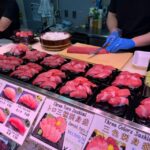
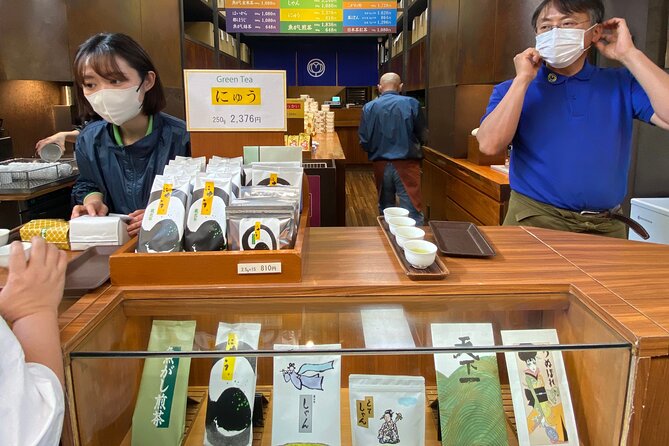
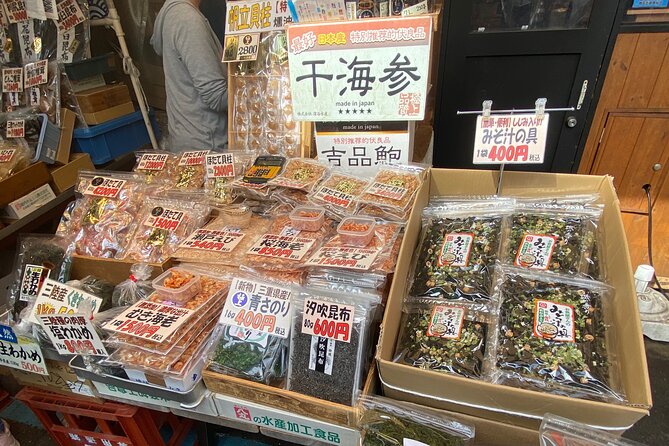
The day starts at Shijō-mae Sta. (Station Exit), then you head into Toyosu with your guide. The key idea is access and context. You can’t enter the market like you have a special backstage pass, so your group’s opportunity to shop and learn is the point. Most people only observe from a distance. You get to walk the lanes, look at the displays, and pick ingredients that match what you’ll cook.
You’ll also do the practical part that makes sushi feel real: your guide helps you buy quality neta (the topping ingredients). That matters because sushi is not just technique. Ingredients drive the outcome. A good lesson depends on good fish, and this format is designed so you can’t fake the results with random supermarket substitutes.
From the reviews, I like that the market walk is not purely transactional. You also get small tastes along the way, like dashi soup while strolling the area. Those little moments help you understand what goes with what, even before you touch the knife or rice.
What might catch you off guard: Toyosu is active and focused. If you want quiet, photo-only browsing, this will feel more like you are working your way through a lively food system. But if you like markets, this is exactly the right kind of day.
You can also read our reviews of more shopping tours in Tokyo

The Sushi Making Studio: Temari, Maki, Chirashi, and Oshi (With Lunch You Actually Make)
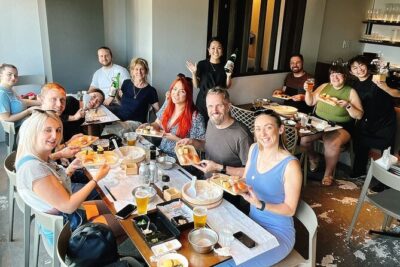
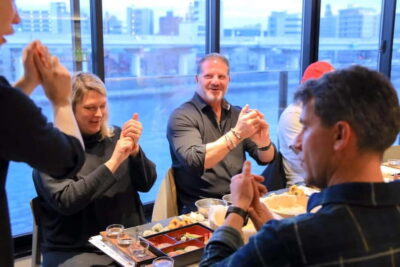
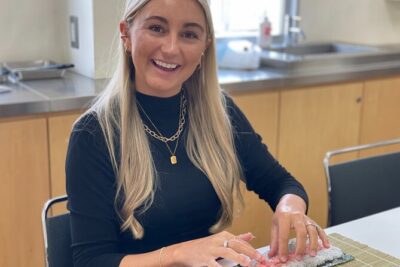
After the market, you relocate to the studio. This is where the workshop part kicks in, and where the small group size really earns its keep. With up to eight people, you’re not stuck waiting for someone to notice your questions.
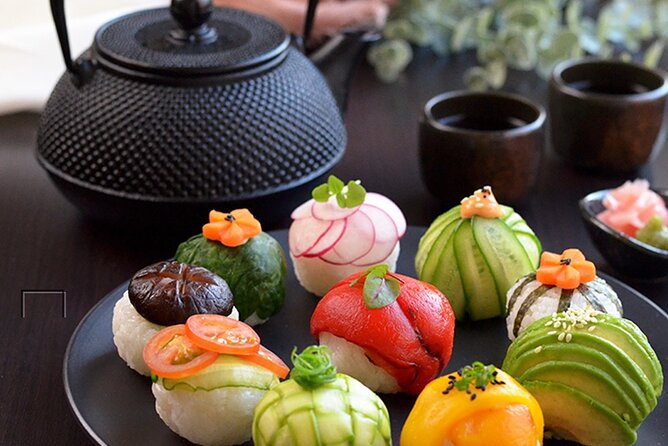
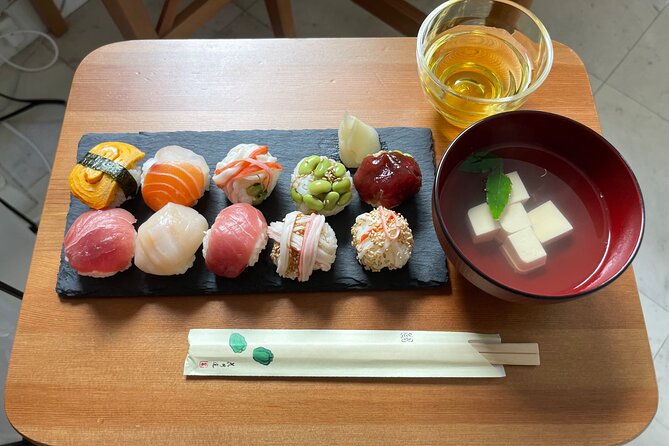
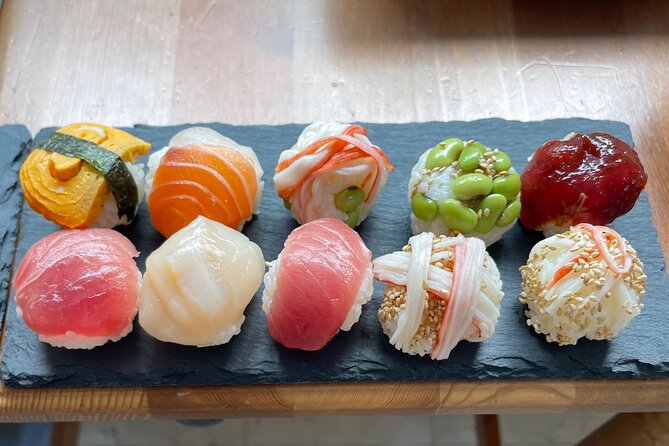
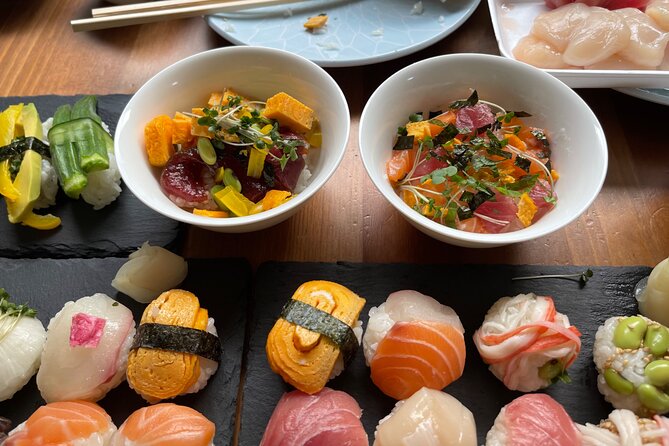
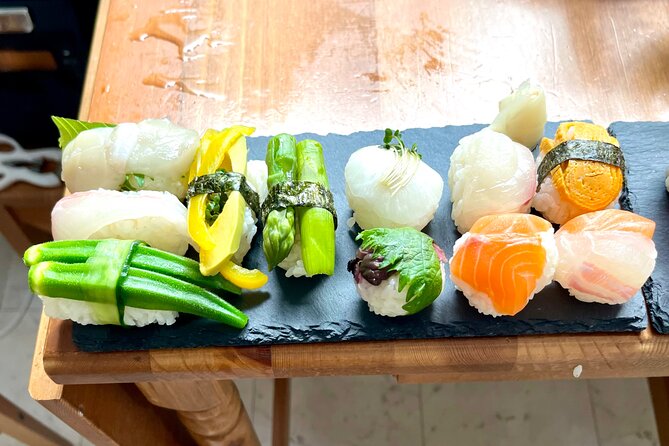
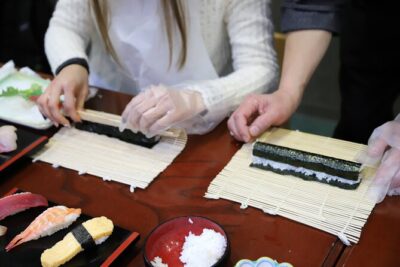
You’ll learn the basics of Japanese sushi lunch prep and make multiple styles. Based on the class materials and what participants describe, you can expect techniques covering styles such as:
- Temari sushi (often made into neat bite-size forms)
- Maki sushi (rolled sushi)
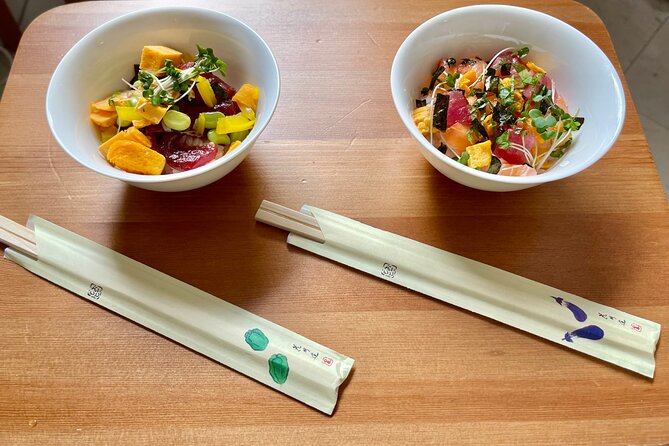
- Chirashi sushi (sushi served over rice with toppings)
- Oshi sushi (pressed sushi style)
- Plus, in some sessions, styles described as thick roll sushi and tamari-style preparations
The important detail is that you’re not only watching. You get a menu and instructions so you can replicate the process later. That’s the difference between a “demo” and a skill you can bring home.
What lunch tastes like here
Your lunch is built from what you make during the session. That means the sushi you eat is connected to the ingredients you selected at the market. It also changes how you pay attention. You start thinking in flavors and textures: rice seasoning, topping placement, and how each form changes the bite.
From the feedback people shared, the result is that lunch lands as both educational and genuinely delicious, not just a reward for completing the class. If you enjoy eating what you cook, you’ll probably enjoy this format more than most.
Tea Ceremony Sweets: A Dessert Lesson With a Real Matcha Angle
Next you shift from sushi technique to tea ceremony sweets. First, you make confectionaries designed for the ceremony experience. Think of this as your dessert prep, but with enough structure that it also feels ceremonial.
This is one of the most practical parts of the day because it teaches you how tea culture connects to seasonal sweets and presentation. You’re not only learning how matcha works as a flavor. You’re learning how the sweet side of the ritual is planned.
You then enjoy an actual tea ceremony session led by a qualified tea master. The tour description specifically notes that you use high-grade matcha worthy for tea ceremony standards, the kind available for tea ceremony masters. Even if you’re not a matcha expert, you’ll likely notice the difference because ceremony-grade matcha tends to taste cleaner and more balanced than the everyday versions many people try in cafes.
Why this section is more than a photo stop
Tea ceremonies can become performance-only on some tours. Here, you participate in the lead-up by making the sweets, then you experience the tea in a proper session. That makes the ritual feel earned. You also have something tangible to take home in your memory: the steps, the pacing, and how the sweet supports the tea.
One more consideration: if you dislike matcha flavors or you are not into tea culture, the final part may feel like a mismatch. But if you like trying something slightly formal and calm after a busy market, this pacing is a nice contrast.
More Tokyo tours and experiences for the shortlist
The Optional Akihabara Maid Café Add-On: Playful, but Not Required
There’s an optional upgrade that can take you to a maid café in Akihabara. You can add it if you want that pop-culture contrast to the older, calmer rhythm of the market and tea ceremony. The day is already a mix of old and new, and this add-on leans hard into the “new” side.
You can also skip it and go on with your own plans. I like that choice because it respects how different people travel. Some want one big organized block, others prefer flexibility after the main experience.
Price and Value: Is $78.04 a Good Deal for Six and a Half Hours?
At $78.04 per person for about 6 hours 30 minutes, you’re paying for more than a lesson. You are paying for access, guided ingredient shopping at Toyosu, sushi instruction, materials, lunch, and a full tea ceremony experience with sweets you helped make.
Here’s how I see the value:
- Small group format (max 8): You generally spend more time actively doing, not waiting.
- Market-to-table logic: You don’t just learn sushi, you buy the neta first.
- Multiple taught components: Sushi plus tea ceremony sweets plus an actual ceremony is a lot packed into one half-day block.
- Lunch included: You’re not buying separate meals after shopping and learning.
If your travel style is hands-on, this price is easier to justify. If you prefer broad sightseeing with minimal cooking, it may feel like you are paying to focus on food and ceremony instead of landmarks. But as a “taste and learn” Tokyo experience, it’s well-aligned.
One practical note: this is an activity that tends to sell ahead. The average booking window mentioned is about 160 days in advance. If you’re traveling during peak times, plan early so you can lock in the date that works for your schedule.
Time Plan and What to Do With the Rest of Your Day
The tour runs roughly 6 hours 30 minutes and ends back at the meeting point. Since the ending is back near where you started, you can either head out for a full afternoon plan or add the optional maid café detour if you chose it.
If you’re mapping your Tokyo day, I’d treat this as a centerpiece activity rather than a side quest. Start earlier in your itinerary and then build the rest around it. You’ll likely eat a satisfying lunch, then have tea sweets, so you probably won’t need a big dinner immediately afterward unless you’re hungry from more walking.
The Most Praised Parts, and Why They Matter for Your Experience
The strongest compliments in the feedback share a pattern: people love the combination of careful guidance, fresh ingredients, and the feeling that they left with skills.
Here are the aspects that drive that praise:
- A guide-led market walk that helps you shop for sushi ingredients you’d struggle to select on your own.
- Fresh neta handling, with the sushi made from ingredients bought the same day.
- Clear English explanations and a small group size that supports actual questions.
- Hands-on sushi work, including several sushi types rather than one simple roll.
- Tea ceremony sweets plus a proper tea master session, so dessert becomes part of the learning, not an afterthought.
In other words, the day isn’t just about eating. It’s about getting the “how” and “why” in a way you can repeat.
Who Should Book This (and Who Might Skip It)
This tour fits best if you:
- Like markets and want to learn how ingredients become sushi
- Want a sushi class that feels connected to what you buy, not just prepped materials
- Enjoy Japanese culture that includes food rituals, not only street snacks
- Prefer small group experiences where instruction time stays personal
You might consider skipping it if you:
- Primarily want landmark sightseeing and not hands-on workshop time
- Dislike fish or matcha flavors
- Prefer a loose, wander-your-own-way itinerary instead of structured steps
Should You Book This Toyosu Sushi and Tea Tour?
If you want a Tokyo experience where you actively shop, cook, and learn tea ceremony sweets in one smooth arc, this is an easy yes. The strongest reasons to book are the small group cap, the ingredient-first approach at Toyosu, and the fact that you eat what you make with a real tea master session afterward.
It’s especially worth booking if you’re the kind of traveler who likes to come home with skills, not just photos. Plan ahead since it books up, and if you’re interested in the optional Akihabara maid café, decide early so your afternoon stays stress-free.
FAQ
Where does the tour start?
It starts at Shijō-mae Sta. 6 Chome-3, Toyosu, Koto City, Tokyo 135-0061, Japan.
How long is the experience?
The duration is about 6 hours 30 minutes.
How many people are in the group?
The tour/activity has a maximum of 8 travelers.
What’s included in the session?
You’ll visit Toyosu to buy ingredients, learn to make several types of sushi and eat them for lunch, then learn and experience a tea ceremony while making tea ceremony sweets.
Is the maid café visit included?
It’s an optional upgrade. You can choose to add a maid café visit in Akihabara or skip it.
How much does it cost?
The price is $78.04 per person.
What is the cancellation policy?
You can cancel for a full refund up to 24 hours before the experience starts. If you cancel less than 24 hours before, the amount paid is not refunded.
More Markets in Tokyo
More Shopping Tours in Tokyo
More Tour Reviews in Tokyo






Not for you? Here's more nearby things to do in Tokyo we have reviewed












Tokyo Sushi Classes, side by side.
 ★ 5.0Sushi Making Tokyo Roll and Authentic Japanese Sushi ClassFrom $593,971 reviews
 ★ 4.9Roll and Authentic Sushi Making Class in AsakusaFrom $581,957 reviews
 ★ 4.9Sushi Making Class in a Happi Coat near a Famous SpotFrom $421,377 reviews
 ★ 5.0Tokyo Sushi Making Class in Tsukiji with Professional ChefFrom $491,177 reviews
 ★ 5.0Tsukiji Fish Market Guided Tour and Sushi Making with Pro ChefFrom $104775 reviews
 ★ 4.9Tsukiji Fish Market Sushi Making Class with Pro ChefFrom $63506 reviews
 ★ 5.0Tokyo Tsukiji Fish Market Tour and Sushi Making LessonFrom $99390 reviews
 ★ 4.9Sushi Making ClassFrom $67390 reviews
This tour also belongs to