
Review · TOKYO FOOD TOURS
Ramen Making from Scratch – Tokyo Ultimate Cooking Class
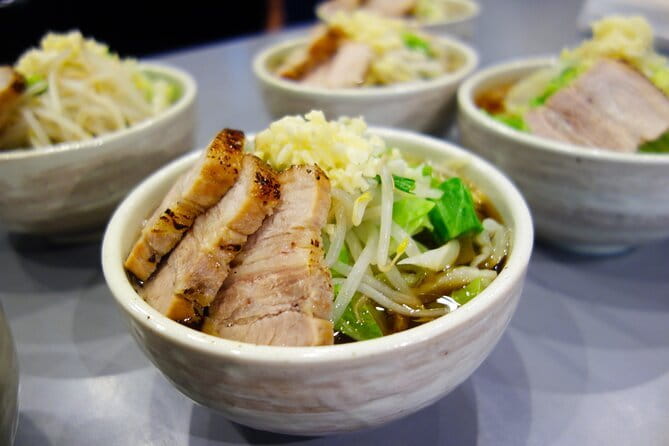
Tokyo ramen gets real fast when you make it yourself. This class has you create Jiro-style ramen from scratch, including thick noodles, a garlic-infused soup, and chashu for an end-to-end bowl you can repeat later. I love getting hands-on with the full process, from dough to the final assembly, and I like that you leave with a recipe you can use at home. One thing to think about first, there are no vegan or vegetarian options.
You’ll fit it into the day easily. The experience runs about 2 hours, starting with a 12:20 meeting and then 12:30 to 13:30 cooking, followed by tasting. Small groups help, with a max of 12 travelers and it’s near public transportation, so you are not wasting time in transit.
Food choice is the main consideration. Chashu is typically made with pork, but if you tell the provider more than 48 hours in advance, you can switch it to chicken. Lunch is included, so you get a real meal, not a snack.
Highlights at a glance
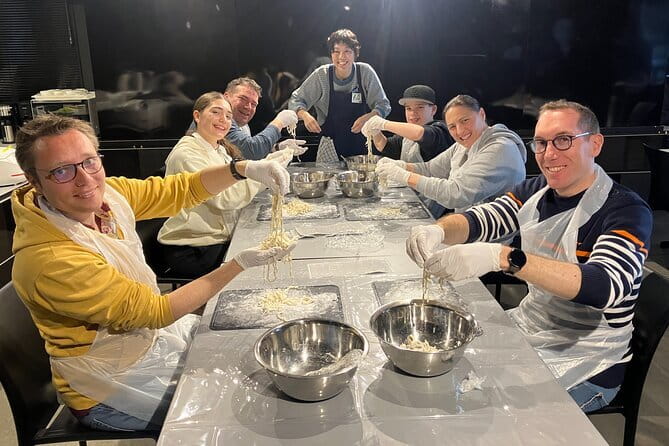
- Make thick Jiro-style noodles from flour, not dry packs
- Garlic-infused broth as a core lesson, not an afterthought
- Cook and prepare chashu, with a pork-to-chicken swap if requested
- Lunch included, since you taste what you make
- Later-downloadable photos from the experience
- Small group size (max 12) for more hands-on time
Tokyo Jiro-Style Ramen, From Flour to Finished Bowl
This is not a ramen demo where you watch and clap. You learn the real building blocks of Jiro-style ramen, a style known for thick noodles, a bold, garlic-leaning soup, and a heavy topping game with chashu and plenty of vegetables. The key value here is that you do the work yourself, so you understand what changes the flavor and texture.
I like that the class is structured around the components that matter most. Noodles affect the chew. Soup affects the body and depth. Chashu affects the richness. When you make all three, you stop guessing at home.
And because the class is hands-on, it makes ramen feel less like a locked-up restaurant secret. You leave with a recipe and the method in your head, which is what turns ramen from an order-in habit into a home project.
You can also read our reviews of more cooking classes in Tokyo



Timing and Where This Fits in Your Tokyo Day
Plan for about 2 hours total. You meet at 12:20, then the cooking class runs from 12:30 to 13:30. After that, tasting and eating happens at 13:30.
That schedule is friendly if you are already doing Tokyo morning plans. It’s late enough that you can sleep in, but early enough that you still get a full afternoon afterward. It also makes sense that lunch is included, since tasting is part of the flow.
There is no hotel pickup or drop-off. You’ll want to use public transit to get to the meeting point. The class ends back at the same meeting location, so you do not have to plan extra timing to get yourself home.
One practical note: the provider requires good weather for this experience. If weather turns poor and the class gets canceled, you should expect either a date change or a full refund.
Getting Started: What Happens When You Arrive
Expect a straightforward start and quick orientation. Since this is a cooking class with a limited group size, you will likely get organized fast so you can get your hands on the ingredients early.
A big part of making ramen at home is knowing what comes next. Here, the timing is tight, with cooking and tasting built into the same block of time. That means you are less likely to get lost in the process.
Also, you get a mobile ticket, which is usually easier than printing. Just make sure your phone battery is healthy. It sounds basic, but in Japan it saves stress at the meeting point.
From Flour to Noodles: The Hands-On Lesson Part
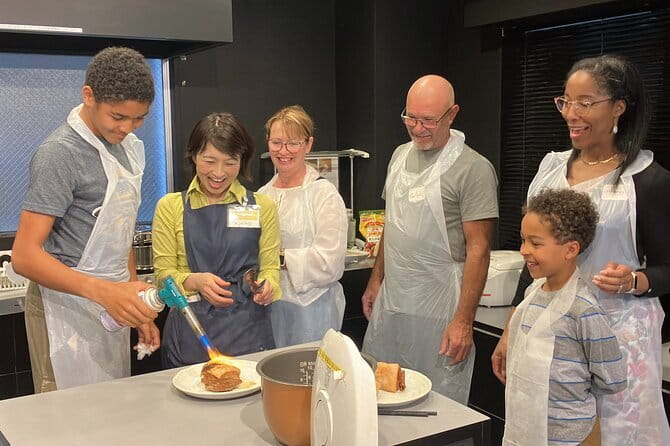
This is the centerpiece of the experience. You learn to make the noodles from flour, and for a lot of people, that is the moment ramen turns from food to skill.
What you are really practicing is control. Dough handling and noodle texture matter, especially for Jiro-style ramen, which is all about thick, satisfying noodles. When you roll and shape them yourself, you start to feel how thickness, consistency, and cutting affect the final bite.
Why this matters for your life after the class: most people who try ramen at home fail at noodles, not soup. When you learn the noodle step, you can make the rest easier to nail. Even if you tweak flavors at home later, having the right noodle method makes a huge difference.
You also get a full workflow view. Instead of treating ramen as one recipe, you learn it as a sequence of tasks that have to line up. That is what real ramen kitchens do, and it is exactly what helps you replicate it later.
Garlic-Infused Soup and Chashu: Building the Bowl Core
Once the noodles are underway, the class shifts into the flavors that make Jiro-style ramen feel so heavy and comforting.
The soup is described as rich with garlic, so you are not just learning how to heat broth. You are learning how to develop that style of taste that can’t be faked with a quick seasoning packet. Garlic is intense, and getting it right means you understand how it blends into the broth rather than simply sitting on top.
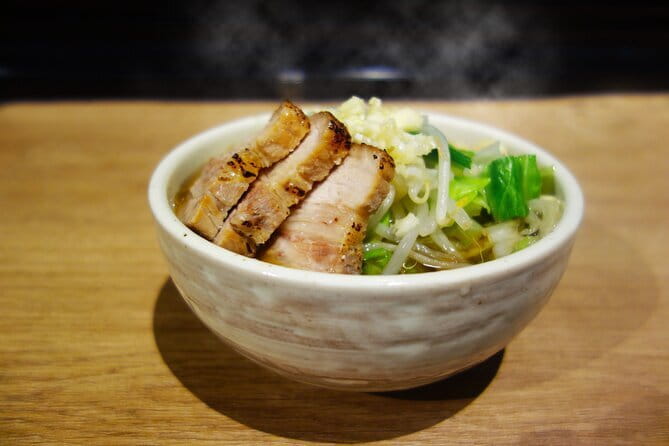
Then comes the chashu pork. Chashu is more than a topping. In this class, you cook and prepare it, so you learn the approach needed for tender, rich pork slices that work with thick noodles and a robust soup.
Diet swap tip: by default, it is made with pork. If you want chicken instead, you must notify the provider more than 48 hours in advance. That is a useful option for flexible diets, but it also means you should plan ahead rather than ask last minute.
And yes, the ramen is topped with generous slices of chashu and an abundance of vegetables. That matters because vegetables balance the heavy parts of the bowl. It also gives you a more complete model for assembly when you make your own ramen later.
More Tokyo tours and experiences for the shortlist





Tasting Time: Lunch That Proves You Can Do It
The tasting portion is where the whole class clicks. Cooking is one thing, but eating what you made is the reality check. Since lunch is included, tasting is not an extra add-on, it’s part of the planned program.
You get a finished bowl at the end, so you can compare your instincts to the method you followed. If something feels off, you usually remember the step that created it: noodles too thick or too soft, soup too light, chashu too firm. That is how you improve next time.
It also helps that there are later-downloadable photographs during the experience. That sounds small, but it’s actually practical. You can refer back to your own bowl structure later when you cook at home. Plus, it’s a nice keepsake from a hands-on moment.
Price and Value: Is $91.45 Fair for a Tokyo Ramen Class?
At $91.45 per person for about two hours, the price is about what you’d expect for a small-group, hands-on cooking class in Tokyo. The real value comes from what you get to do, not just what you get to eat.
Here’s what you are paying for, in plain terms:
- You make noodles from scratch, so you are learning a core skill.
- You prepare the garlic-infused soup and cook chashu as part of the learning flow.
- You eat lunch as part of tasting, so you are not leaving hungry.
- You get a recipe you can use at home, plus later-downloadable photos.
If you’ve done classes before, you know some are heavy on theory and light on production. This one is built around making the full ramen dish. That makes the value easier to justify, because you leave with something tangible: a method.
Who Should Book This, and Who Might Skip It

This class is a great match for food lovers who want a real skill. If you like ramen, but you also enjoy cooking and want to learn how dishes are built, you’ll probably feel rewarded quickly. The small group size also helps, since you are not lost in a crowd.
It’s also a good fit for couples and families who want something interactive. The tone from past experiences around the class has been fun and family-friendly, with staff who keep things moving and flexible.
The main reason to skip is dietary. Vegan and vegetarian options are not available. And if you dislike pork and did not plan for the chicken swap, you’ll be disappointed. The chicken change requires you to notify them more than 48 hours in advance.
Also, it’s capped at a maximum of 12 travelers. If you prefer very large social groups, this might feel calmer than you expect, but for learning, smaller usually means better.
Practical Tips for a Smooth, Stress-Free Class
A little prep makes the two hours feel effortless.
First, arrive on time for the 12:20 meeting. Cooking classes run on schedules because ingredients and timing have to line up. Being late can put you behind immediately.
Second, plan your chashu choice early. If you want chicken instead of pork, message them with more than 48 hours lead time. Waiting until the last day can limit options.
Third, use public transport and give yourself a cushion. The meeting area is near public transportation, but Tokyo streets and train exits can still take time. You do not want to rush during a kitchen-focused session.
Finally, check the weather. The provider requires good weather for the experience. If poor weather cancels your class, you’ll likely get a different date option or a full refund.
Should You Book This Tokyo Ramen Making Class?
Book it if you want a skill, not just a meal. You are learning thick Jiro-style noodles, garlic-rich soup, and chashu, then tasting the finished bowl. The fact that lunch is included, the group is small, and you can switch chashu to chicken with advance notice adds real value.
Consider skipping if you need vegetarian or vegan food. There are no such options here. Also, if you are simply looking for a casual ramen lunch with no cooking involvement, this may feel more hands-on than you want.
If you want to add more Tokyo variety, note that this class does not include an Akihabara walking tour. If you want both, look for a combined option that pairs the class with an area walk and shopping. For a focused, skill-first experience, though, this one is a strong pick.
FAQ
How long is the ramen making class?
It runs for about 2 hours. The schedule lists a 12:20 meeting time, cooking from 12:30 to 13:30, and tasting starting at 13:30.
What does the price include?
The price includes the cooking experience, later-downloadable photographs during the experience, and lunch.
Does this class include hotel pickup and drop-off?
No, hotel pickup and drop-off are not included.
Is there a vegetarian or vegan option?
No. Vegan and vegetarian options are not available.
Can I change chashu from pork to chicken?
Yes, if you let them know more than 48 hours in advance, they can change the chashu from pork to chicken.
How big is the group?
The class has a maximum of 12 travelers.
Where does the experience start and end?
It starts in Tokyo, Japan and ends back at the meeting point.
Is the meeting point near public transportation?
Yes, the meeting point is near public transportation.
What is the cancellation policy?
You can cancel for a full refund up to 24 hours before the experience’s start time. If the experience is canceled due to poor weather, you’ll be offered a different date or a full refund.
More Workshops & Classes in Tokyo
More Cooking Classes in Tokyo
More Tour Reviews in Tokyo






Not for you? Here's more nearby things to do in Tokyo we have reviewed












Tokyo Food Tours, side by side.
 ★ 5.0Shinjuku Food Tour (13 Dishes at 4 Local Eateries)From $866,603 reviews
 ★ 5.0Tokyo Bar Hopping Tour in Shinjuku (All-You-Can-Drink + Dinner)From $1063,587 reviews
 ★ 4.9Shinjuku Food Tour (15 Dishes and 4 Eateries)From $852,033 reviews
 ★ 5.0Best of Shinjuku: Izakaya Food Tour (4 Stops, 14+ Tastings)From $921,863 reviews
 ★ 5.0Shibuya Meltdown Nightlife Tour: All-You-Can-Drink Bar HoppingFrom $1061,058 reviews
 ★ 5.0Eat and Drink Like a Local: Tokyo Ueno Food Tour-Taverns&RamenFrom $95957 reviews
 ★ 5.0Ramen & Gyoza Cooking Class in Tokyo with Local Supermarket VisitFrom $122823 reviews
 ★ 5.0Shibuya Food Tour (13 dishes and 4 Eateries)From $77770 reviews
This tour also belongs to