
Review · COOKING CLASSES
Small-Group Osaka-Style Okonomiyaki Cooking Class
Cooking in someone’s actual home changes the whole feel. This small-group Osaka-style okonomiyaki class in Asagaya (max 5 people) is built around hands-on technique, not a generic demo, so you end up with food you can repeat at home. I especially like how Eri teaches the “why” behind fluffy texture and the sauces and dashi that make Japanese flavors click.
You Get Real Technique, Plus Substitutes
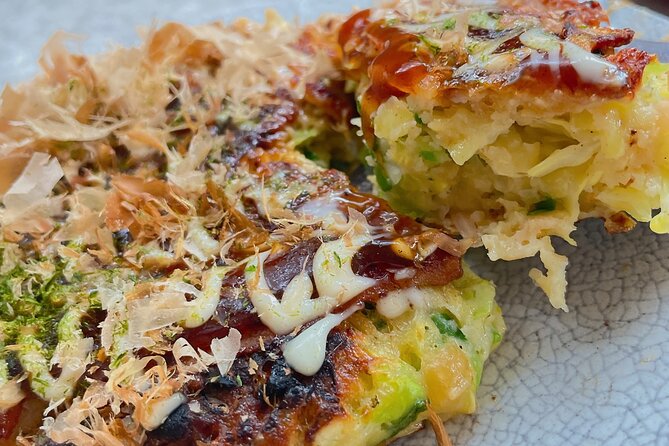
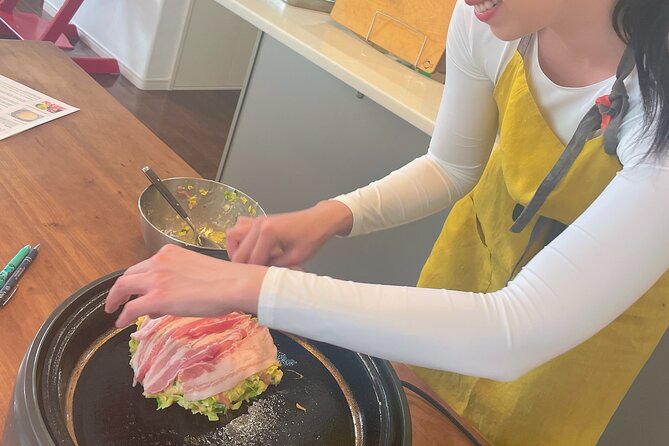
What I like most is the practical ingredient support. You’ll learn how to pick fillings for your taste, how to layer them, and how to flip with confidence, plus you get substitute ideas for ingredients you can’t easily find back home. It also stands out that the class accommodates vegetarian and vegan diets, so you are not forced into a compromise version.
One Catch: It’s a Quick, Hands-On 2 Hours
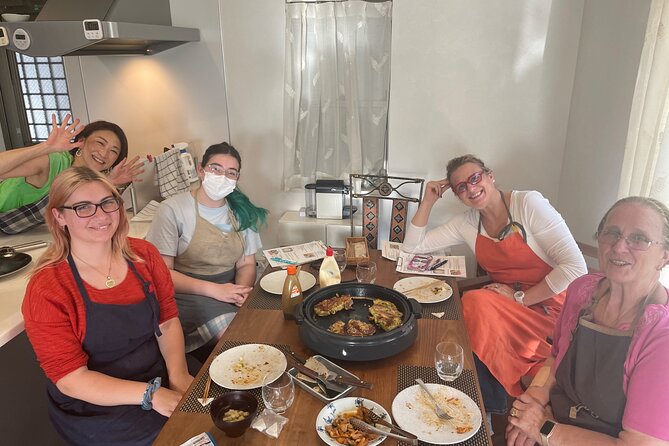
The only drawback to keep in mind is time. This runs about 2 hours, so if you want a slow, leisurely meal with lots of extra restaurant-style storytelling, this is still hands-on cooking first, chatting second.
You can also read our reviews of more cooking classes in Tokyo


Key Highlights You Should Know
- Small group size (5 max) means you actually get time and attention while you cook
- Homestay-style kitchen instead of a studio, with a more everyday rhythm
- Fluffy okonomiyaki tips like how to manage the batter texture and cook timing
- Make-it-yourself ingredient strategy with substitutions for dashi, sauce, and hard-to-find items
- Diet-friendly options including vegetarian and vegan adjustments
- While you wait, you also make savory sides like stir-fried pork and kimuchi
A Homestay-Style Okonomiyaki Lesson in Asagaya
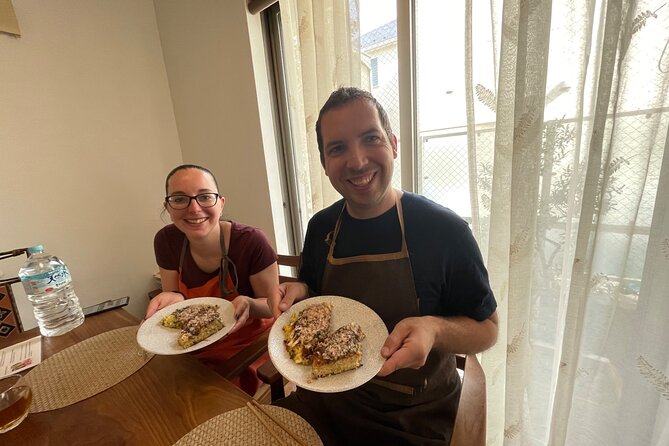
Osaka-style okonomiyaki has a certain swagger. It is not just a pancake, it is a layered build that turns into something more like a savory stack. In this class, you learn that approach in a real Tokyo neighborhood home, not a showroom kitchen meant for tourists.
The atmosphere is part of the value. Eri’s class is set up as a homestay-like experience, so you are moving through a normal daily flow, cooking while you talk, asking questions as they come up. Several small details reinforce this: you meet near Asagaya Station, then head to the home, and the session ends back where you started. It feels self-contained, and it keeps logistics simple.
The guide also matters. In the reviews, Eri comes through as patient and friendly, including with guests who were cooking for a loved one. One person even described the experience as cooking with grandmother energy, the kind of calm, reassuring teaching that makes you want to try again when your first attempt is not perfect.
Price and Logistics: What $150 Buys You
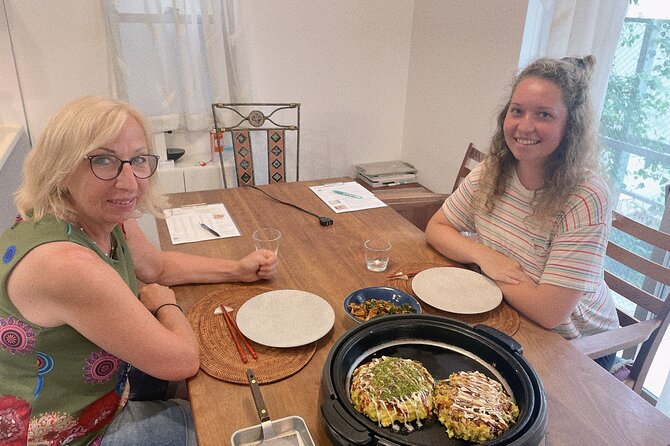
At $150 per person, this is not a bargain-basement activity. But for what you get, it is closer to a private-feeling lesson than a typical group workshop.
Here is what you are paying for:
- A max-5 group that keeps you from blending into the background
- A hands-on format where you build, flip, and top your own okonomiyaki
- Instruction on Japanese ingredients like dashi and sauce, including substitutes
- Time-efficient cooking so you get multiple dishes in about 2 hours
If you are the type who wants to bring skills home, this price makes more sense than paying for one meal at a restaurant. You are leaving with a repeatable method, not just a full stomach.
Also, booking tends to happen about a week out on average. If you can, lock it in sooner rather than waiting for last-minute “maybe” plans.
What You Actually Cook in 2 Hours
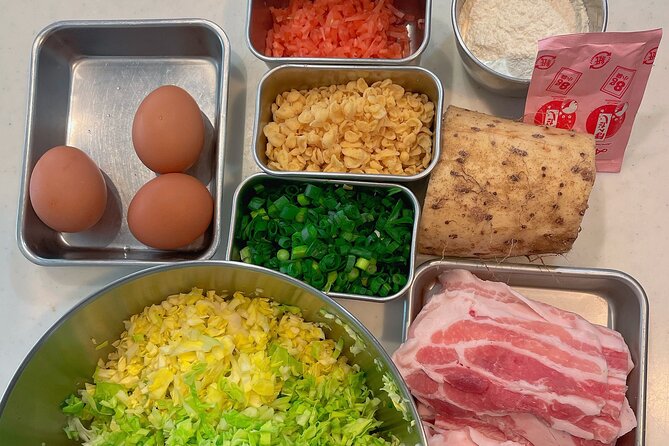
This is a short class, and it moves. You start with an ingredient and technique explanation, then you get to cooking your okonomiyaki, and while it cooks you make another savory dish.
You will learn:
- How to build fluffy okonomiyaki (not thin, not dense)
- How to choose fillings and layer them
- How to flip so it holds together
- How to top it and season it properly
- How to handle vegetarian or vegan adjustments
Even if you have cooked Japanese food before, the flip-and-layer technique is worth doing with a teacher watching. Small changes in batter consistency, heat, and timing can make a huge difference, and this class is focused on those exact points.
More Tokyo tours and experiences for the shortlist




Fluffy Osaka-Style Okonomiyaki: The Technique That Transfers
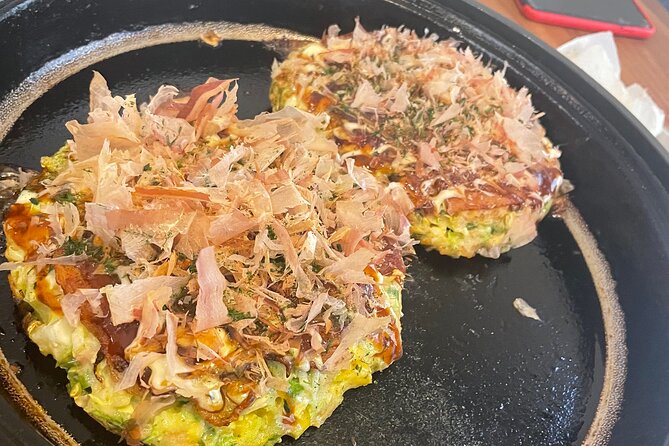
Okonomiyaki sounds simple until you try to make it. That is why the “fluffy” focus is a big deal. In class, Eri explains key elements behind the flavor base and texture, including dashi and sauce. You learn how these pieces interact, so your finished pancake tastes like what you are aiming for, not like “some savory pancake.”
You also learn technique that you can reproduce:
- How to layer ingredients so it cooks evenly instead of turning into a pile of toppings
- Tips on making it fluffy, which often comes down to batter handling and timing
- How to flip after the right cooking moment, so you do not end up with a mess on the hot surface
A practical bonus here is that the class is not ingredient-dependent in a rigid way. Eri includes substitutes for ingredients you might not find in your country. That one detail changes the whole post-trip value, because you can keep cooking after the novelty wears off.
Choose Your Fillings, Then Make It Yours
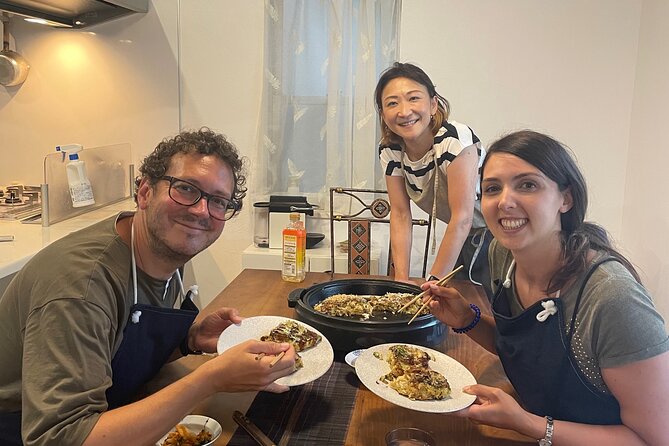
One of the most fun parts is that okonomiyaki can be customized. You are not stuck with a single filling set. You get to choose your ingredients based on what you like, and Eri supports you as you build it.
That matters because okonomiyaki is a platform. Your filling choices affect:
- Texture (how much moisture your fillings add)
- Flavor balance (savory vs. spicy vs. tangy)
- How cleanly it flips and holds
This is also where the dietary flexibility shines. Adjustments can be made for vegetarian and other dietary restrictions, so you are cooking something that still feels like okonomiyaki, not just “something similar.”
If you are traveling with a dietary need, this is one of the healthier ways to handle it: you are taught substitutions and method, not only told what you cannot eat.
The Cook-While-You-Wait Course: Pork and Kimuchi
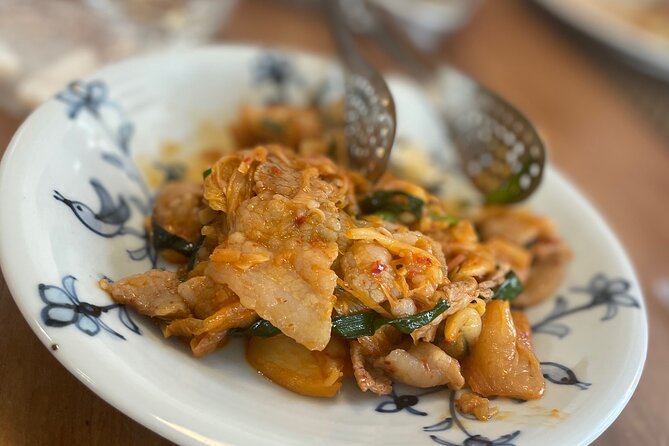
While your okonomiyaki cooks, you make stir-fried pork and kimuchi. That timing piece is clever. Instead of waiting in silence, you are doing something savory and fast, which keeps the lesson moving and your appetite climbing.
Stir-fried pork brings that familiar Japanese comfort-food depth, and the kimuchi adds tang and heat. The result is a small side that complements the main pancake, so you end up tasting more than one flavor profile in a single session.
Even if you are mainly there for the okonomiyaki, I recommend eating the side as part of the “learn the balance” lesson. Not every class covers the pairing, and pairing is half of why Japanese food feels so deliberate.
Meeting Point at Asagaya: Easy to Find, Easy to Exit
The meeting point is at NewDaysJapan, 166-0004 Tokyo, Suginami City, Asagayakita, 3-chōme, JR Asagaya Station, 2F outside the ticket gate concourse. The activity ends back at the meeting point, which is a nice endcap when you are tired and hungry.
This also helps you avoid a common travel-class headache. You do not have to worry about how to get home after you eat. You walk out, you are basically at where you started, and your evening stays intact.
In the reviews, Eri also appears to offer pickup and drop-off support since her home is not directly next door to the station. So if you are worried about the last stretch, ask in advance and plan to keep it easy on yourself.
Language and Questions: What to Ask
The class is conducted in English that is good enough to ask questions. That is important because cooking classes often fail at the explanation step. Here, you can ask about:
- What a Japanese ingredient is actually doing in the dish
- How to swap one item for another without wrecking the flavor
- What to do differently if your texture seems off while cooking
If you are the kind of person who likes to understand food, you will like this. The lesson is not only “do this, then that.” It is also “here is why,” plus “here is how you fix it.”
And yes, you can just talk food and daily life too. Eri clearly enjoys meeting foreigners, and that comes through as part of the experience rather than a forced script.
What I’d Watch For If You Want the Best Results
You can get a great outcome on your first attempt here, but a few habits will help.
First, pay attention to texture during mixing and cooking. Fluffiness comes from small moves, not luck. When Eri points out what to watch, treat it like a checklist.
Second, be ready to adjust fillings. If you choose very wet ingredients, you may change how the pancake cooks. The advantage in this class is that you can ask and get direction in real time.
Third, don’t treat the flip as a moment to rush. Flipping is timing. Wait for the right cooking stage, then flip. It is safer for your pancake and it is how you get that layered look.
If you leave thinking, I can replicate this, that is the win.
Who Should Book This Class (And Who Might Skip It)
This class is a strong fit for:
- Couples or small friend groups who want personal instruction
- Food lovers who want to learn a Japanese staple beyond eating it once
- Vegetarians or vegans looking for a class that can adapt, not just a token option
- Anyone who wants a cooking skill they can use after the trip
It might not be the best choice if:
- You want a long sit-down meal with no cooking pressure
- You dislike hands-on cooking in a home-kitchen setting
- You prefer restaurant-only experiences where someone else does all the work
If you like to learn by doing, this is exactly that.
Should You Book Small-Group Osaka-Style Okonomiyaki?
Yes, you should book if your goal is practical skill. This class gives you fluffy okonomiyaki technique, teaches ingredient roles like dashi and sauce, and includes substitutes so you can cook later. The small group size plus the homestay feel means you are not just watching, you are making.
If you are on the fence because of the price, think of it this way: a single fancy meal will not teach you how to cook. Here, you pay for a short, focused lesson, then you leave with a repeatable method and a couple savory dishes to remember how it all fits together.
FAQ
FAQ
How long is the small-group okonomiyaki cooking class?
It runs for about 2 hours.
How many people are in the class?
The class has a maximum of 5 travelers.
Where do I meet for the tour?
You meet at NewDaysJapan at JR Asagaya Station (Suginami City), 2F outside the ticket gate concourse.
Is the class run like a restaurant cooking demo?
No. It is described as homestay-like, in a local home setting rather than a studio-style setup.
Can I choose my own fillings for okonomiyaki?
Yes. You can choose different kinds of ingredients, and the guide supports you while you build it.
Are vegetarian or vegan options available?
Yes. Vegetarian and vegan options are available, and adjustments can be made for dietary restrictions.
What do we cook besides okonomiyaki?
During the waiting time while your okonomiyaki cooks, you also make stir-fried pork and kimuchi.
Is the class taught in English?
Yes. The guide speaks English well enough for questions.
What is the cancellation policy?
Free cancellation is available up to 24 hours in advance for a full refund.
Is the tour mobile-ticket friendly and near public transportation?
Yes. It includes a mobile ticket, and the meeting point is near public transportation.
More Workshops & Classes in Tokyo
More Cooking Classes in Tokyo
More Tour Reviews in Tokyo





Not for you? Here's more nearby things to do in Tokyo we have reviewed








Cooking Classes, side by side.
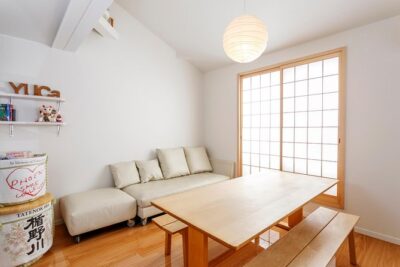 ★ 5.0Ramen & Gyoza Cooking Class in Tokyo with Local Supermarket VisitFrom $122823 reviews
 ★ 4.6Easy Ramen Cooking Experience in Kabukicho, ShinjukuFrom $29321 reviews
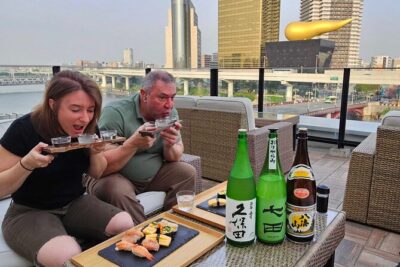 ★ 5.0Ramen and Sushi Cooking Class with Sake Pairing Set in TokyoFrom $79291 reviews
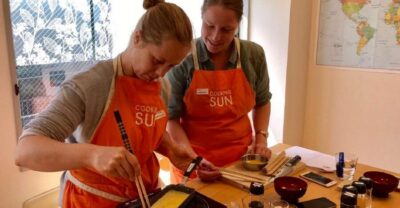 ★ 4.9Wagyu and 7 Japanese Dishes Cooking ClassFrom $67273 reviews
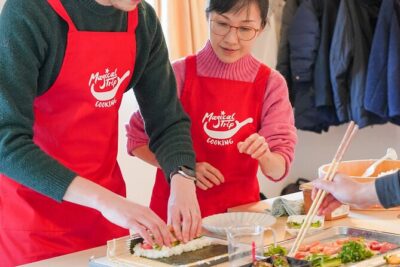 ★ 5.0Tokyo Washoku 4-hour Cooking Class: From Market to TableFrom $79253 reviews
 ★ 5.0Small-Group Wagyu Beef and 7 Japanese Dishes Tokyo Cooking ClassFrom $72190 reviews
 ★ 5.0Private Home Cooking in Yanaka – Local Flavors in a Warm SettingFrom $122173 reviews
 ★ 5.0Tokyo Sushi Making Experience & Japanese Cooking ClassFrom $59150 reviews
This tour also belongs to