
Review · TSUKIJI MARKET TOURS
Tokyo Tsukiji Fish Market Food&Culture Walking Tour With a LOCAL!
Tsukiji can overwhelm you fast. This tour keeps it organized with a six-person cap and a survival Japanese lesson, plus temple stops so you get more than just a food hunt.
I like that you also get free luggage storage, which makes walking through the market much less stressful.
The trade-off: there are no preset food inclusions, so you will pay for the bites you actually want to try.
Key things I’d focus on before you go
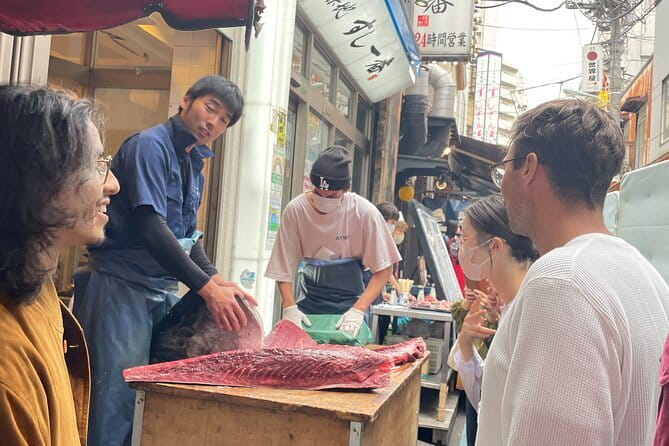
- Six people max means you actually hear the guide and keep your bearings
- Quick Japanese lesson helps with basic requests and respectful behavior
- Temple and shrine entry adds culture and etiquette beyond eating
- Free luggage storage lets you bring small suitcases without dragging them through tight lanes
- Pay-as-you-go food keeps choices flexible, but you should budget extra
Why this six-person Tsukiji walk beats wandering alone
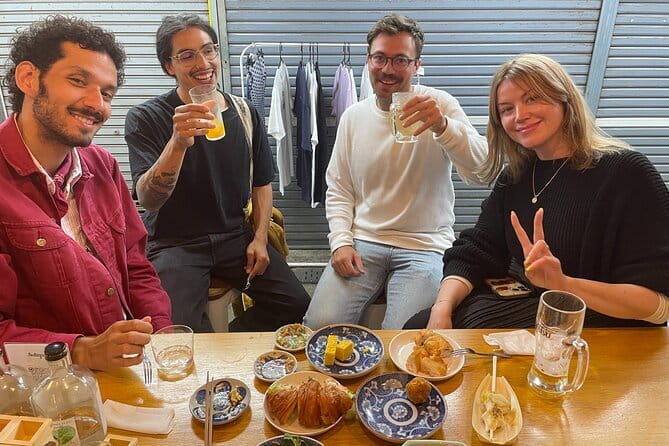
Tsukiji is famous, but it is also a maze. You can easily lose time, miss the best spots for a particular craving, or order in a way that creates more friction than it needs. This kind of guided walk is built for people who want the market energy without the guesswork.
What you gain with a small group is simple: less waiting and more momentum. With only up to six travelers, your guide can adjust to your pace, point out where to stand so you do not block others, and explain which stall or tool matters for the type of ingredient you are seeing.
I also like the structure around breaks and regrouping. The tour is about 3 hours, but it is paced with short stops and a mid-route lunch base at 38KIOSK, so you do not feel like you are sprinting for the whole time.
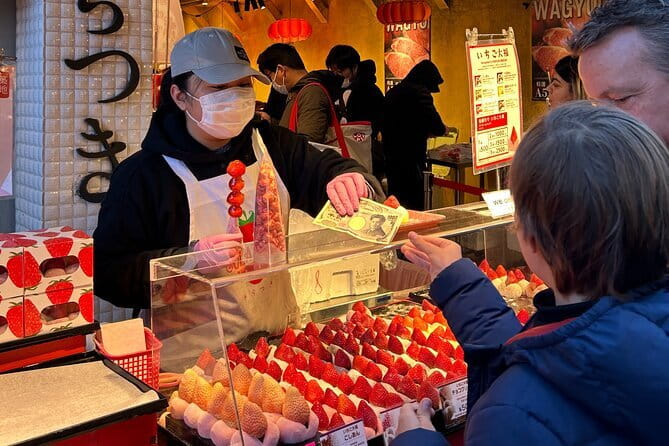
The biggest consideration is how you handle food spending. Because tastings are not bundled in advance, the experience can land anywhere from pleasantly controlled to slightly hungry-budget chaos, depending on what you choose.
You can also read our reviews of more walking tours in Tokyo
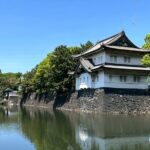

Temple start, survival Japanese, and free luggage storage
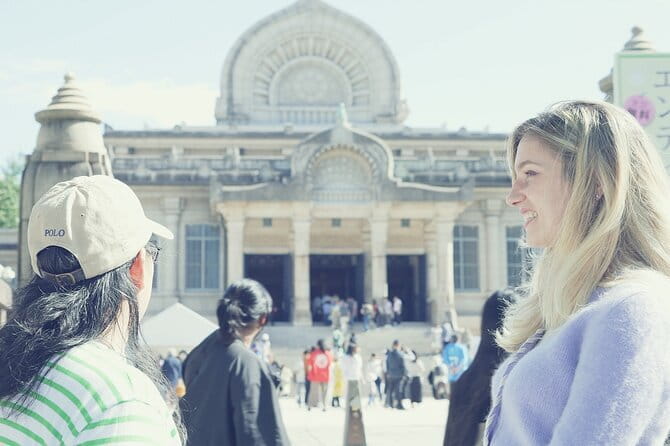
The morning begins at Tsukiji Hongan-ji Temple at 10:00 am. This is the meeting point, and you start with a brief guide-led look at basic Buddhist rituals. Even if you are not an expert in temples, you learn what to do and how to behave respectfully so your visit feels less like you are hovering and more like you are participating in the space.
One practical win: you get a survival Japanese lesson early on. The goal is not fluency. It is the kind of quick, usable language that helps when you are pointing, asking, or confirming what you are about to eat. I find that even a few prepared phrases reduce the stress of ordering in crowded areas.
Then comes the logistics that makes Tokyo easier: free luggage storage during the tour. The tour includes this for small suitcases and similar bags. That matters because Tsukiji is tight, and carrying bags around makes every turn slower. You also avoid the awkward process of trying to wedge luggage into corners or keep it close while looking for food.
There is a brief stop at 38KIOSK early as your hub and intro point. It is a short moment, but it gives you a clean place to re-orient, especially if you arrived with a train connection and need a minute to settle your route plan.
Finally, you do not just eat. You also visit Namiyoke Shrine as part of the walk. The practical value here is etiquette. A shrine visit on a food tour is a reminder that these are living places, not photo backdrops, and the guide helps you understand the basic do and do nots so you can move through calmly.
Tsukiji Jogai Market stop: knives, tools, and food culture
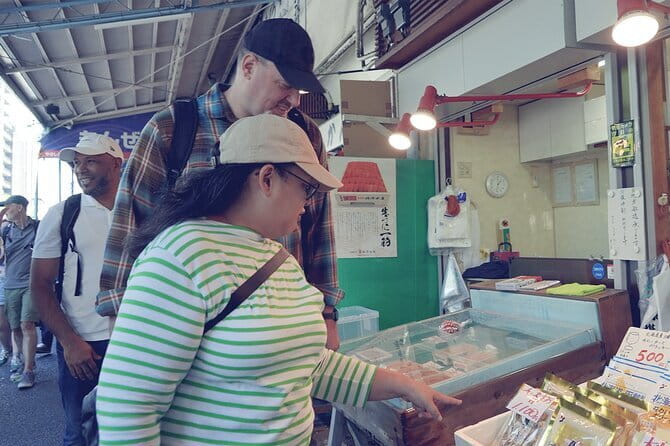
Your main market time centers on Tsukiji Jogai Market, where the focus is on ingredients and the culture around them. This stop runs about 1 hour and 20 minutes, which is long enough to feel you have actually learned the layout and short enough to avoid fatigue.
Here is what I find most useful: your guide does not treat the market as one big generic blur. Instead, the walk is designed around what you are seeing and what it means. You get time to explore fresh ingredients and learn about Japanese food culture in a way that is grounded in what the stalls sell and what the vendors use.
A standout element is the attention to handcrafted tools. The market includes shops and displays tied to knives and related tools that have been passed down through generations. Even if you never buy anything, it changes how you look at the cooking. You stop thinking only about food as a product and start noticing food as a process, with craftsmanship built into preparation.
The other big benefit is pacing and navigation. Tsukiji is described as maze-like for a reason, and it does get confusing fast when you are alone. A guide helps you pick an efficient route so you spend less time backtracking and more time actually sampling, asking questions, and understanding what is fresh right now.
One more thing I like from the experience style: you can ask for help without feeling rushed. The group size keeps the guide from spending the entire time herding people forward. You get the chance to slow down at the stalls that grab your attention.
38KIOSK hub and the lunch plan built around what you find
Lunch is where this tour shows its thinking. Instead of handing you a fixed set menu, the tour uses 38KIOSK as a consistent base while you choose how to translate what you found into a meal.
You get a second visit to 38KIOSK for lunch, about 1 hour long. The venue is described as tucked away in a quiet alley, and it is a place locals like for a calm spot after work. Even if your schedule is travel-packed, having a calmer lunch location matters. Market lunches are usually chaotic, but this one has a calmer feel built in.
The tour is also designed so lunch connects to the market earlier. The idea is that you will use fresh ingredients you discovered on the market walk to build your meal. Since there are no preset food inclusions, your guide is there to point you toward dishes that match what you saw and what you are in the mood for.
You should expect to pay for lunch. The tour does not include a meal plan, and that is both a drawback and a benefit. It can cost more, but it also means you can keep your choices aligned with your tastes, dietary needs, and hunger level.
A nice extra: 38KIOSK stays open after the tour. If you want to keep eating slowly, you can relax there until closing time. That helps if you want a gentler finish rather than racing back out into Tokyo streets right away.
Food rules, etiquette, and budgeting when tastings are pay-as-you-go
This is a food tour, but it is not a buffet package. There are no preset food inclusions. That means you should treat this as a guided plan for finding the right stalls and ordering the right things, not a guaranteed lineup of exact dishes.
The upside is control. You pay for the dishes you actually want to try, which is great if you have strong preferences like sushi, beef skewers, or specific snacks you have been craving. It is also more flexible if your stomach needs gentler options that day.
The downside is budgeting. At $75 per person, the tour price is really paying for the guide, the market navigation, the language basics, and included entry fees. You are still responsible for the food and drinks you order. If you are the type who usually wants to sample a lot, you may end up spending more than you expected. If you prefer a couple of well-chosen bites, you can keep it lean.
Alcohol is not included, but your guide can recommend pairings. If you like drinks with your food, this is where the local input can be useful. If you do not drink, you can still rely on the guide for order help and best-dish suggestions based on what is fresh right then.
Etiquette is another reason this style works. In a market with constant movement, it is easy to accidentally stand in someone’s way or ask questions without understanding flow. The temple and shrine elements are part of the same theme: you learn how to be respectful in public spaces, and that carries over into ordering and moving through stalls.
One last practical tip from what I would do in your shoes: go in expecting a crowd curve. A Saturday morning start can be busy but manageable early, then it gets more intense later. If you can, a morning slot like this helps you catch the market before it peaks.
You can also read our reviews of more food & drink experiences in Tokyo

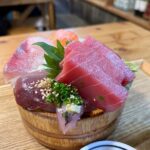

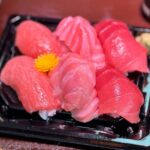


Should you book this Tsukiji fish market food tour
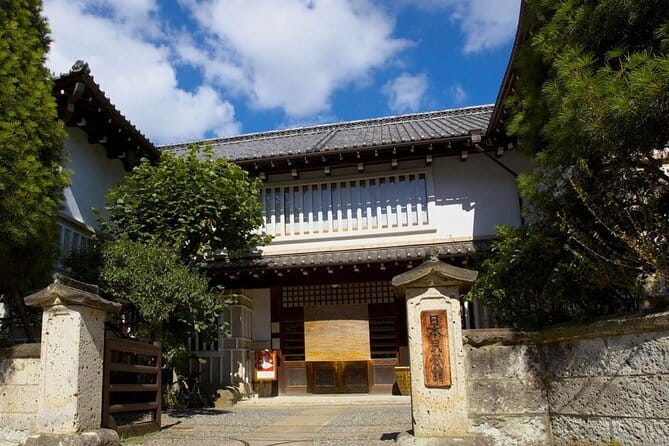
I would book this if you want Tsukiji food and culture but you do not want to wrestle the maze alone. The experience fits best when you care about two things: learning how to navigate and ordering with confidence. The small group limit and the guided format are the big value drivers.
You should also consider it if you like structure but still want choice. Since you are not locked into a preset tasting menu, your guide can steer you toward what you actually want, and lunch at 38KIOSK gives you a calm place to settle.
Skip it if you want a fixed, all-inclusive tasting schedule with no extra decisions. Also be honest about walking ability. This tour is not suitable for people who may have difficulty walking for extended periods, since the market route involves sustained walking.
If you are traveling with the right attitude, this tour is a smart way to experience Tsukiji without wasting energy getting lost or feeling unsure about what to do next.
FAQ
How long is the Tsukiji Fish Market Food and Culture Walking Tour?
The tour lasts about 3 hours.
Where does the tour start, and what time does it begin?
It starts at Tsukiji Hongan-ji Temple, 3-chōme-15-1 Tsukiji, Chuo City, Tokyo 104-8435, Japan. The start time is 10:00 am.
What’s included in the tour price?
The tour includes local professional guides, free luggage storage during the tour (small suit cases etc), a survival Japanese lesson, and entrance fees for Tsukiji Hongwanji Temple, Tsukiji Namiyoke Shrine, and Tsukiji Fish Market and Jogai market.
Do I have to pay for lunch and food?
Yes. There are no preset food inclusions, so you only pay for dishes you want to try, and lunch is not included in the price.
Can the tour handle dietary or religious needs?
Vegetarian, gluten-free, allergies, and religious needs can be accommodated if you specify them when making your reservation.
What if weather is bad or I need to cancel?
The experience requires good weather. If it is canceled due to poor weather, you are offered a different date or a full refund. Cancellation is free if you cancel up to 24 hours in advance for a full refund.
More Walking Tours in Tokyo
More Tours in Tokyo





More Tour Reviews in Tokyo


Not for you? Here's more nearby things to do in Tokyo we have reviewed












Tsukiji Market Tours, side by side.
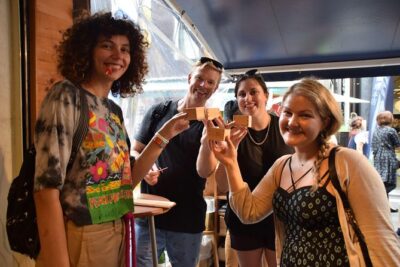 ★ 5.0Tokyo Tsukiji Fish Market Food and Culture Walking TourFrom $993,184 reviews
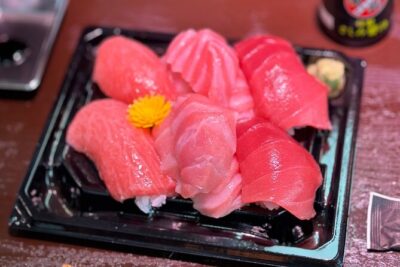 ★ 5.0Tsukiji Fish Market Food and Walking tourFrom $301,724 reviews
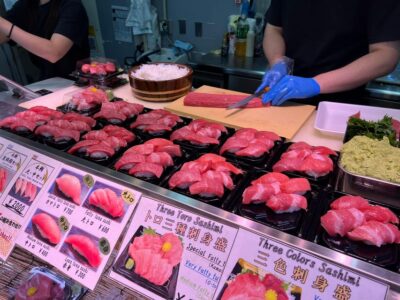 ★ 4.9Tsukiji Fish Market Guided Walking TourFrom $221,397 reviews
 ★ 5.0Tokyo Sushi Making Class in Tsukiji with Professional ChefFrom $491,177 reviews
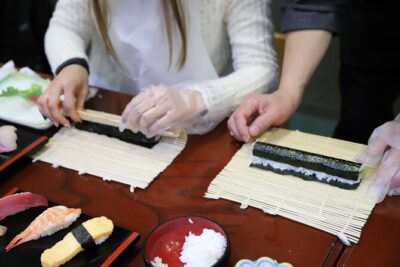 ★ 5.0Tsukiji Fish Market Guided Tour and Sushi Making with Pro ChefFrom $104775 reviews
★ 4.7Tsukiji Fish Market Food and Culture Walking TourFrom $96757 reviews
★ 5.0Tsukiji Fish Market Guided Tour and Sushi Making with Pro ChefFrom $104775 reviews
★ 4.7Tsukiji Fish Market Food and Culture Walking TourFrom $96757 reviews
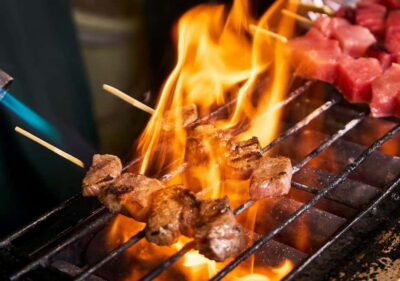 ★ 5.0Tsukiji Fish Market: Street Food & Culture Walking TourFrom $33669 reviews
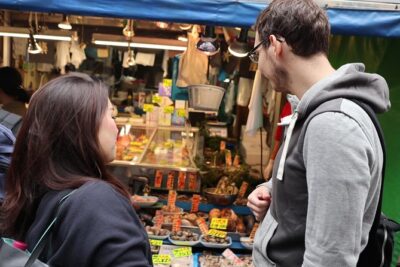 ★ 5.0Tsukiji Fish Market Small-Group Food Walking TourFrom $87621 reviews
This tour also belongs to