
Review · TSUKIJI MARKET TOURS
Tsukiji Fish Market: Street Food & Culture Walking Tour
Tsukiji is food shopping with a storyline. I loved how the guide set you up with a special wasabi flavor boost and helped you taste standout tuna, wagyu, and classic street bites without wasting time. One thing to keep in mind, though, is that on Wednesdays, Sundays, and national holidays about half the outer market shops may be closed, so the lineup of stalls can look different.
Key Points at a Glance
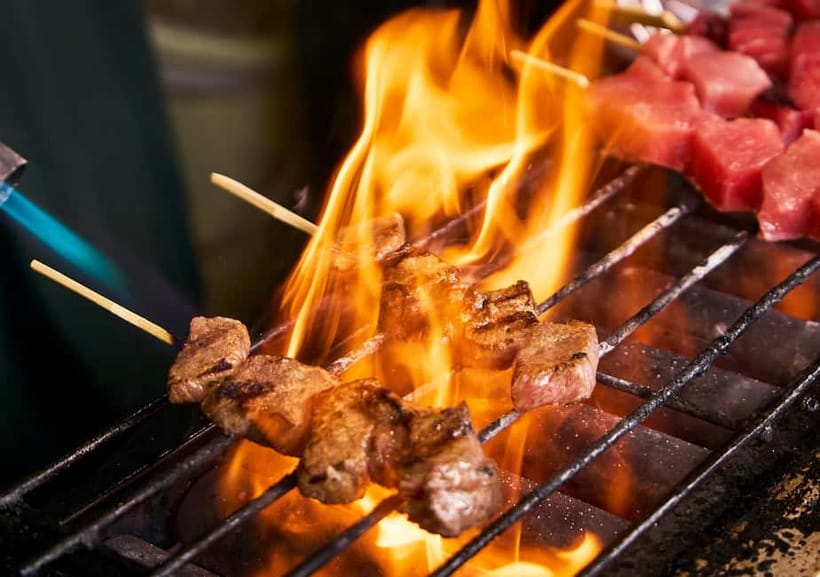
- Wasabi handled with intent: a guide-made set that adds real punch to your tastings
- Temple warm-up first: you start at Tsukiji Hongwanji Temple to get the food culture context before eating
- Outer market tastings that make sense: you sample, then learn how to spot quality as you walk
- Small-group pace: more attention from your guide and less aimless wandering in crowds
- Umami through tradition: the tour connects preservation methods to the flavors you taste
- English guidance from local insiders: guides like Kawa, George, Mao, and Kenny are repeatedly praised for clear, practical storytelling
Tsukiji Street Food, But With a Local Translation
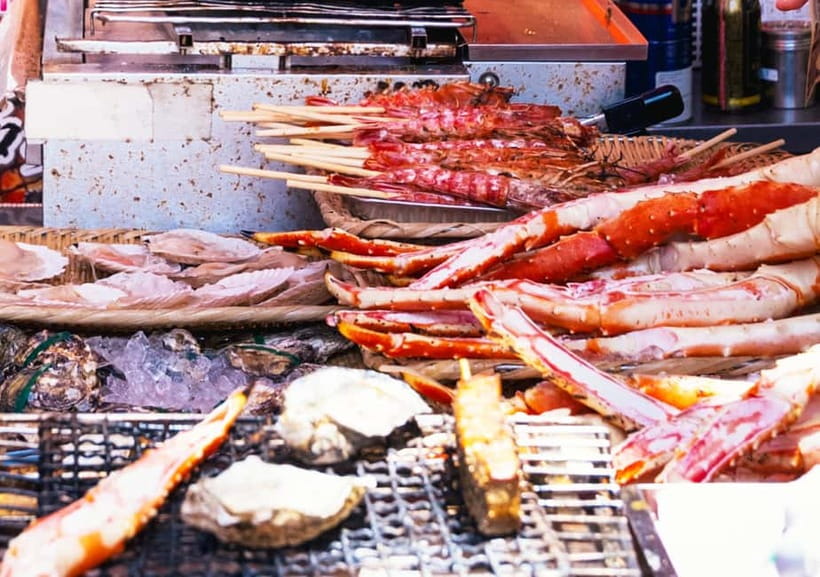
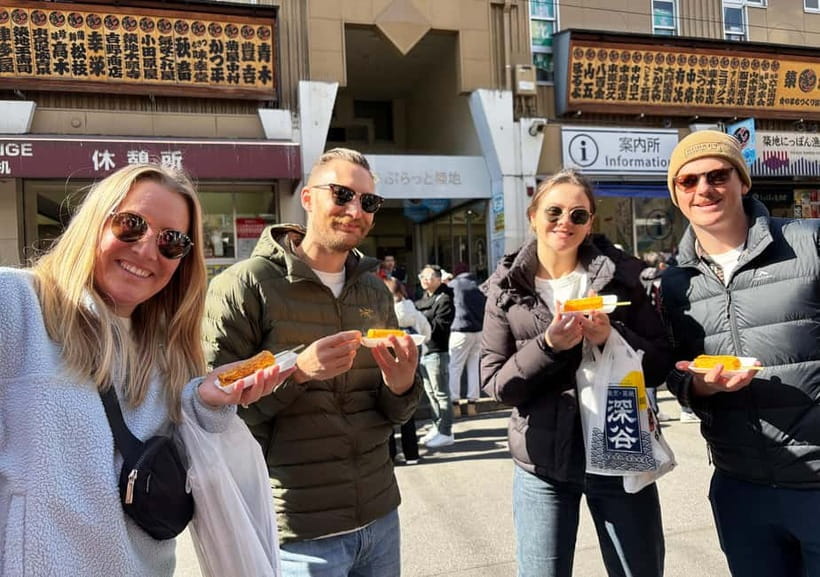
Tsukiji Fish Market is one of those Tokyo places where your senses do most of the work. Seafood smell hits first. Then you see rows of ingredients, tools, and people making fast decisions with practiced confidence. The reason I think a guided street food approach works so well is simple: you do not just watch the market, you learn how it works while you eat.
What you’re really paying for with a tour like this is translation. The market can feel chaotic if you arrive alone, especially if you do not know what’s worth tasting right now. On this tour, your guide guides you from the start, and you taste several items that you might not confidently pick on your own. Many guests specifically call out being taken to good vendors at fair prices, and guides like Kawa, George, and Mao are repeatedly mentioned for their calm, crowd-smart approach.
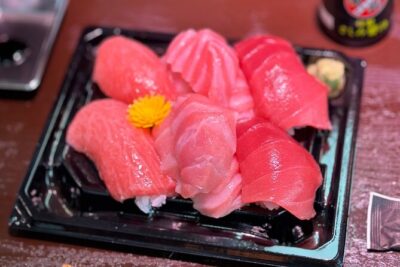
And yes, the food is the main event. People highlight fresh tuna, wagyu options, and a variety of traditional street foods. But the best part for me is that the guide ties those tastes back to Japanese cooking logic, not just random recommendations.
A possible drawback is still worth stating clearly: on Wednesdays, Sundays, and national holidays, you may see fewer shops open in the outer market. The tour can still run, but your route and tasting mix can change, because the market is not a theme park with constant opening hours.
You can also read our reviews of more walking tours in Tokyo


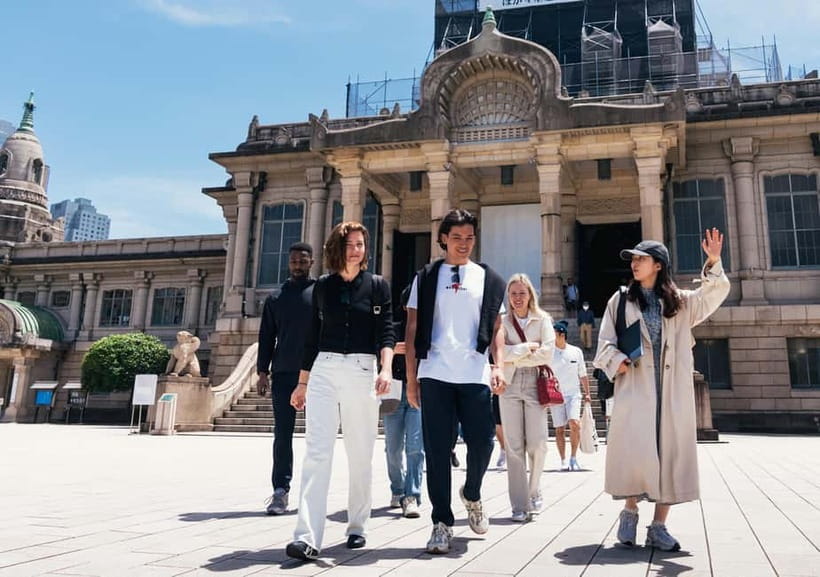
Start at Tsukiji Hongwanji Temple, Then You Understand the Place
Most food tours rush you straight into the noise. This one begins at Tsukiji Hongwanji Temple, and that small detour changes how you experience the market.
The temple stop is not just a photo break. Your guide uses it to set context, including what visitors can expect from the area’s spiritual traditions and the idea of purification before entering. One guest mentioned the guide explaining the purification procedure, which makes the whole neighborhood feel less like a commodity and more like a lived-in part of Tokyo.
You also get the chance to slow down for a minute. The temple interior is described as tranquil, and the building itself gets called out for architecture and carvings. When you transition from that calm space into the outer market, the contrast makes the food streets feel even more alive, without you feeling totally overwhelmed.
The Outer Market Walk: How to Taste Without Getting Lost
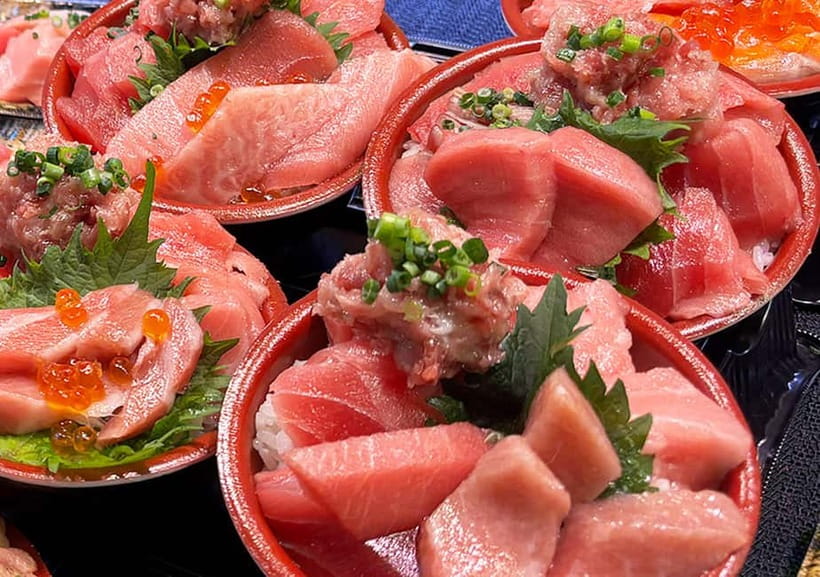
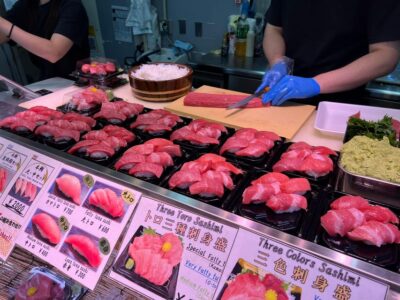
Once you hit the outer market, you’re in the portion most people can actually browse and snack in. This is where your guide’s job matters most: sorting through countless stalls quickly, choosing items that taste great, and explaining what makes each ingredient work.
I like this structure because it keeps you moving while still giving you time to taste properly. The tour includes guided time in the outer market, plus food tasting. That combo is smart. If you only wander, you may waste time guessing. If you only eat without guidance, you may leave with full stomachs and zero insight. This format tries to give you both.
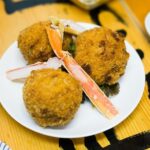
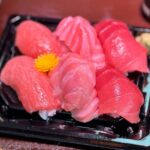
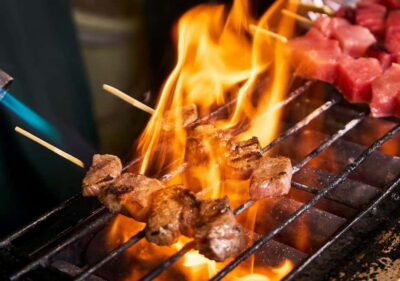
From the experiences people report, the tasting lineup often includes things like tuna sushi, wagyu, eel, grilled scallops, and skewers, plus other street-style bites such as fish cake, dumplings, and omelette-style items. You should expect a mix that reflects what’s available and what the guide thinks you’ll appreciate.
Two themes show up again and again in the feedback:
1) Guides stand with you in the right lines and help you avoid the hassle of figuring it out on your own.
2) You are encouraged to try new foods, not just eat the safest option.
That last point matters. One guest emphasized that the guide gave them confidence to try foods they would not have chosen alone. Another noted they got plenty of time to explore while the guide handled the queue logistics. If you’re visiting Tokyo for the first time, that kind of support can turn a stressful market crowd into a fun food mission.
The Wasabi Moment: Small Detail, Big Flavor Payoff
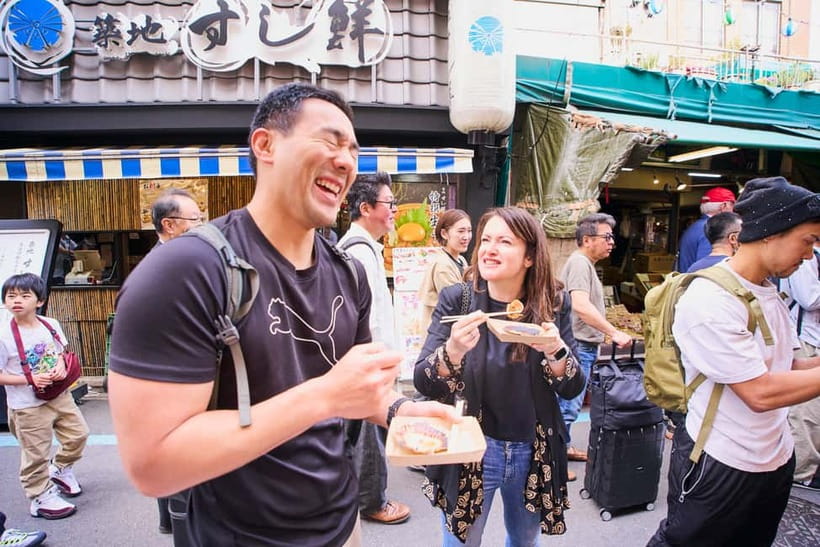
One highlight that keeps coming up is the special wasabi set your guide provides. It might sound like a minor add-on, but wasabi in Japan is not just a green paste. The flavor balance is a big deal, and fresh wasabi can change how seafood tastes in a way you will actually notice.
Some guests even call out grated fresh wasabi as an extra wow factor. The guide’s role here is practical: they set you up with the right way to use it, so you taste the difference instead of just tasting wasabi.
In other words, it’s not only about eating. It’s about tasting with guidance. If you enjoy learning why flavors work together, this moment does the job.
Artisans, Preservation, and the Umami Logic Behind the Bites
Tsukiji is famous for seafood. But the tour experience goes beyond that headline. The highlights mention traditional preservation techniques that enhance umami, and that kind of explanation is exactly why I think a good guide earns their fee.
You’ll hear how Japanese cooking relies on careful methods to build deep flavor before the ingredient ever hits your plate. Preservation can mean multiple things, like salting, aging, drying, or fermentation. The exact method varies by ingredient, but the takeaway is consistent: umami is not an accident. It’s the result of time, craft, and repeatable processes.
That context helps you taste better, even if you’re not a food nerd. When you know what’s going on behind the scenes, your brain stops treating each bite like a random snack and starts connecting flavors to craftsmanship. Guests specifically mention learning about cooking methods and ingredients, and that they appreciated insights they would not have picked up on their own.
It also makes shopping easier afterward. After the tour, you’ll walk through stalls with a clearer sense of what terms mean and why certain items seem to sell out or get attention from workers and regulars.
You can also read our reviews of more food & drink experiences in Tokyo



What You Actually Eat, and Why Variety Is Part of the Value
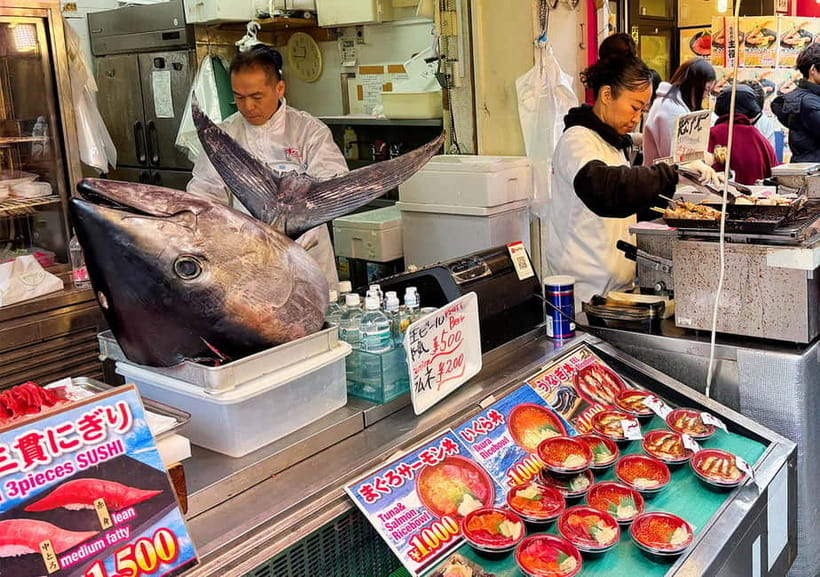
A lot of market tours are “x tastings included” without any real explanation. Here, the tasting choices are guided, and guests repeatedly mention a strong mix of items: seafood-focused bites plus beef options like wagyu, plus other traditional snack foods.
From the feedback you can safely use as a guide for your expectations, you might try combinations such as:
- tuna sushi
- wagyu skewers
- eel or other seafood specialties
- grilled scallops
- skewered octopus
- fish cake, dumplings, and omelette-style street foods
You will not necessarily get all of those on every departure, because availability changes. But the pattern is consistent: the tour aims for variety, not a single-note seafood parade.
That variety is a big part of the value at about $22 per person for roughly two hours. You are not just paying for walking. You’re paying for the guide selecting good vendors, keeping the pace manageable, and connecting what you eat to why it tastes the way it does. If you went alone, you could recreate it, but you’d spend more time figuring out where to go and which items are worth your money and your stomach space.
And yes, by the end you should expect to feel pretty full. Multiple reviews mention being stuffed, sometimes so full they were effectively done with eating for the rest of the day.
Logistics That Matter: Cash, Timing, and Getting There
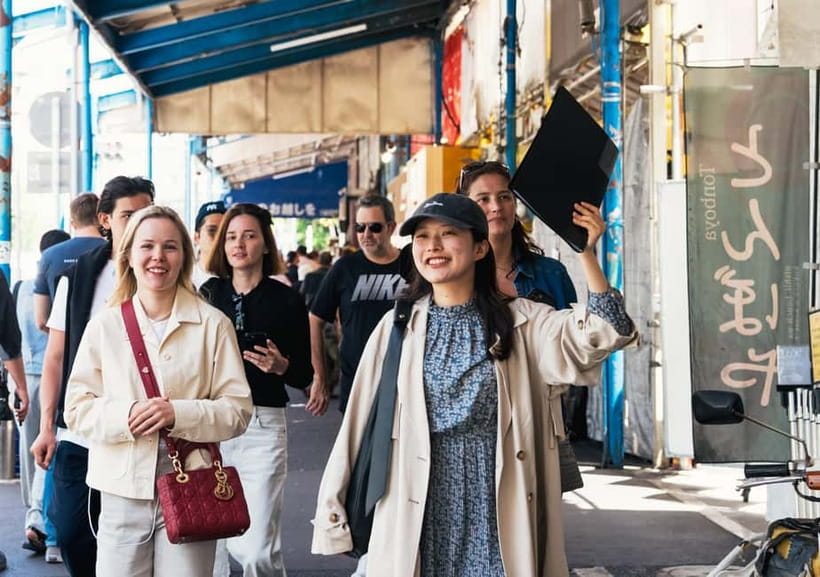
This tour is straightforward in concept: meet at the designated point, walk to the temple, then to the outer market for tastings and guided browsing. The practical stuff is what can make or break your experience, and here are the points you should actually plan around.
Bring cash. The tour information explicitly calls out cash, and market stalls often follow their own rhythm on payment options. Having cash ready also avoids last-minute stress when the best stall in front of you does not accept your card.
Duration is about 2 hours, which is a good length for people who want a focused taste experience without burning an entire morning. It’s enough time to eat, learn, and still have energy left afterward to wander on your own.
Wheelchair accessibility is listed, and small-group availability is included. That matters because smaller groups generally move better through crowded aisles and give your guide a better chance to respond to your preferences. Guests also mention that guides help with lines, shade, and pacing, which is especially useful in hot or busy periods.
Meeting point can vary depending on the option you choose, but the posted coordinates are around Tsukiji Hongwanji Temple. If you like to be exact, you can plug in 35.66661467955698, 139.77199430835137 to orient yourself.
Days When Shops Close: How to Still Make It a Win
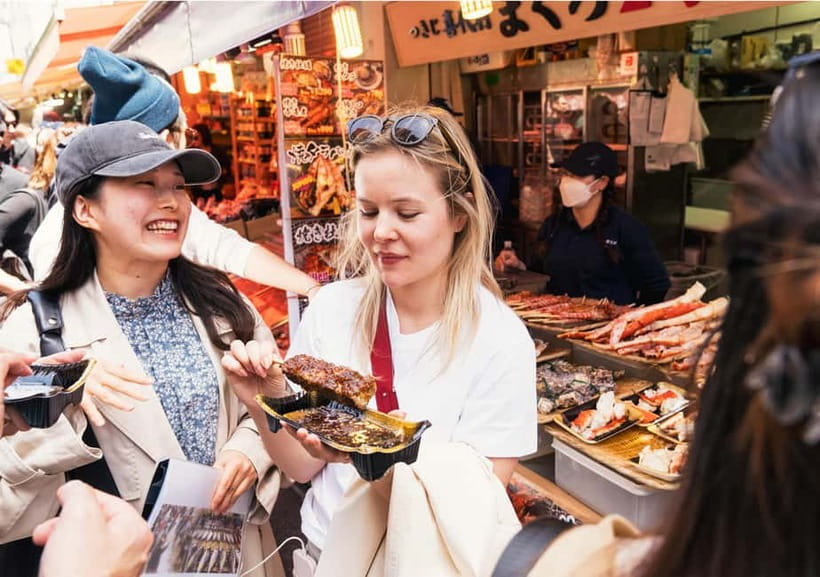
On Wednesdays, Sundays, and national holidays, about half the shops in the Tsukiji Outer Market may be closed. That’s not a deal-breaker, but it does affect what you’ll see and eat.
Here’s how I’d plan around it:
- If your goal is a maximum variety tasting, try for a day other than the closure-heavy ones.
- If you end up going on a closure day, go with the mindset of learning how the market still functions when it’s quieter. You may still hit good open stalls, and the guided portion still helps you focus on what’s available.
- Expect the experience to differ from what you’d see on a full-opening day. That is normal.
Some guests also recommend not doing it on Wednesday if you want more stalls open. So if you can be flexible with dates, you’ll likely get the fullest outer market feel.
Is It Worth Doing a Tour Instead of Going Solo?
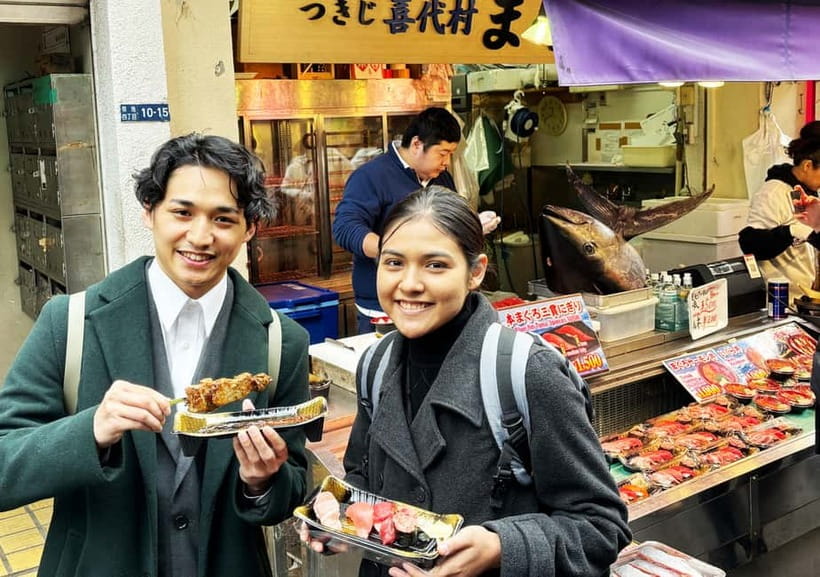
You can absolutely visit Tsukiji on your own. Many people do. But this kind of guided street food tour is especially valuable if you want the good stuff without the guesswork.
Going solo can feel like a scavenger hunt. That can be fun, but it also means:
- you may wait in lines longer than necessary
- you might miss vendors that are better for newcomers
- you might not know what to ask for, or how to order with confidence
- you might not understand why certain ingredients taste the way they do
The reviews repeatedly mention that guides like Kawa, George, Mao, Kenny, and Tomo are very good at vendor selection and line handling. Guests also comment on guides having excellent English and sharing helpful cultural context. One person noted the guide had the best English they heard in Japan. Another said the guide stood in lines so the group could explore while food prep and ordering happened.
That kind of structure is the difference between eating at Tsukiji and experiencing it.
Who Should Book This Tsukiji Walking Food Tour
This tour is a strong fit if you:
- want a short, high-impact Tokyo food experience
- like learning why food tastes good, not just what to order
- feel nervous about markets and prefer an organized guide
- enjoy sampling multiple items rather than committing to one big meal
- want a small-group pace with real interaction
It also suits couples and first-timers. Many guests describe it as intimate or relaxed, with guides tailoring recommendations. If you’re traveling with dietary restrictions, you’ll want to ask directly what the guide can accommodate, since specific allergy handling is not spelled out in the tour details provided.
If you’re the type who loves planning every minute and doing everything independently, you might still choose to go solo. But if you want the easiest path to great tastings and market know-how in about two hours, this is an efficient way to get there.
Should You Book It?
My take: yes, you should book it if your goal is to eat well and understand what you’re eating. At about $22 for a roughly two-hour guided walk with temple context, tastings, and a guide-led wasabi touch, it offers strong value compared to doing it piecemeal. The standout reason is the guidance, because it helps you make smart choices quickly in a market that can overwhelm you at first glance.
Book with a date in mind that gives you the best outer market options if you can. And bring cash so you can follow the guide’s lead without friction.
If your schedule lands on a closure day, don’t cancel automatically. You’ll still get the structure, the explanations, and a good tasting experience, just with fewer open stalls and a slightly different feel.
More Walking Tours in Tokyo
More Tours in Tokyo





More Tour Reviews in Tokyo


Not for you? Here's more nearby things to do in Tokyo we have reviewed












Tsukiji Market Tours, side by side.
 ★ 5.0Tokyo Tsukiji Fish Market Food and Culture Walking TourFrom $993,184 reviews
 ★ 5.0Tsukiji Fish Market Food and Walking tourFrom $301,724 reviews
 ★ 4.9Tsukiji Fish Market Guided Walking TourFrom $221,397 reviews
 ★ 5.0Tokyo Sushi Making Class in Tsukiji with Professional ChefFrom $491,177 reviews
 ★ 5.0Tsukiji Fish Market Guided Tour and Sushi Making with Pro ChefFrom $104775 reviews
★ 4.7Tsukiji Fish Market Food and Culture Walking TourFrom $96757 reviews
★ 5.0Tsukiji Fish Market Guided Tour and Sushi Making with Pro ChefFrom $104775 reviews
★ 4.7Tsukiji Fish Market Food and Culture Walking TourFrom $96757 reviews
 ★ 5.0Tsukiji Fish Market: Street Food & Culture Walking TourFrom $33669 reviews
 ★ 5.0Tsukiji Fish Market Small-Group Food Walking TourFrom $87621 reviews
This tour also belongs to