
Review · TOKYO CITY TOURS
Yanaka District: Historical Walking Tour in Tokyo’s Old Town
Tokyo gets quieter in Yanaka. This small-group walk, limited to fewer than 7 people, takes you to Nezu Shrine for iconic red torii gate photos and finishes with Yanaka Ginza for local snack and sweet tastings, plus a relaxing break to paint a maneki neko cat with a raised paw. The tradeoff is simple: it is a walking tour on uneven older streets, and some stops are not stroller or wheelchair friendly, so comfortable shoes matter.
I like that Yanaka feels like it survived by sheer stubborn resilience. The district endured World War II attacks and major earthquakes, so you get an old-neighborhood rhythm that feels closer to decades ago than the newer, flashier parts of Tokyo. On my way through, I found the atmosphere is calm, local, and built around everyday routines, not big ticket sights.
Key things to know before you go
- Nezu Shrine for torii gate photos and Shinto context in a short, focused stop
- A small group under 7 people with an English guide who answers real questions
- Hebimichi walking time built into the route, not rushed between stops
- Maneki neko painting during a cafe break with included tea and a sweet treat
- Yanaka Ginza tastings for old-school Tokyo flavors and small snack purchases
- Cash is important since many older shops do not take credit cards
Starting at Nezu Station, the tour sets a calm pace
You meet outside Tokyo Metro Nezu Station, Exit 1. Go up the stairs to street level, then look for your guide holding a red or orange MagicalTrip sign. If you are early, do not stress, just take a moment to get your bearings, then wait near the entrance by the guide.
This tour is built around a roughly 3.5-hour block, with time planned for walking, shrine views, a cafe workshop, and food sampling. The key point for you is pace: because the group is small, you move as a unit and you can actually hear the guide while you walk.
You can also read our reviews of more walking tours in Tokyo


Nezu Shrine and the red torii gate photo moment
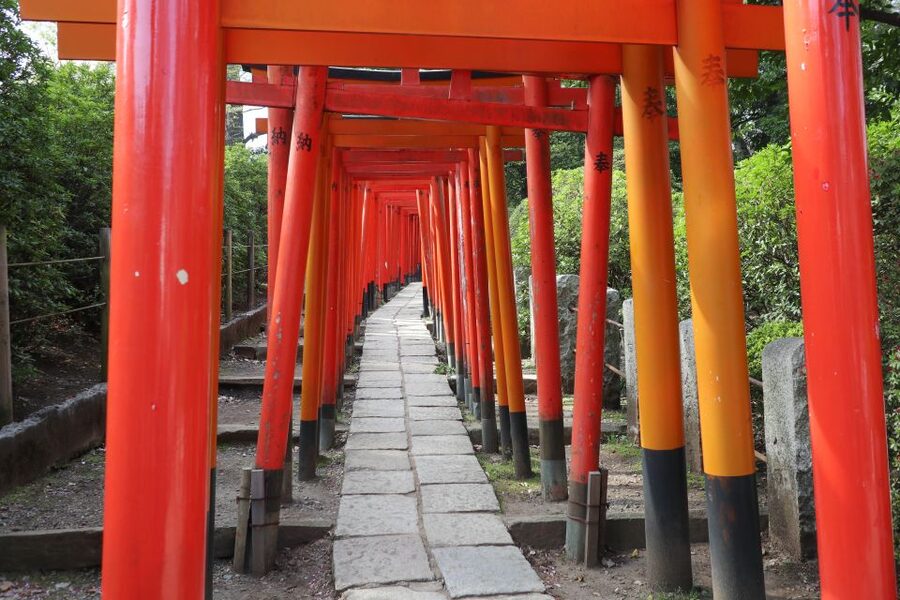
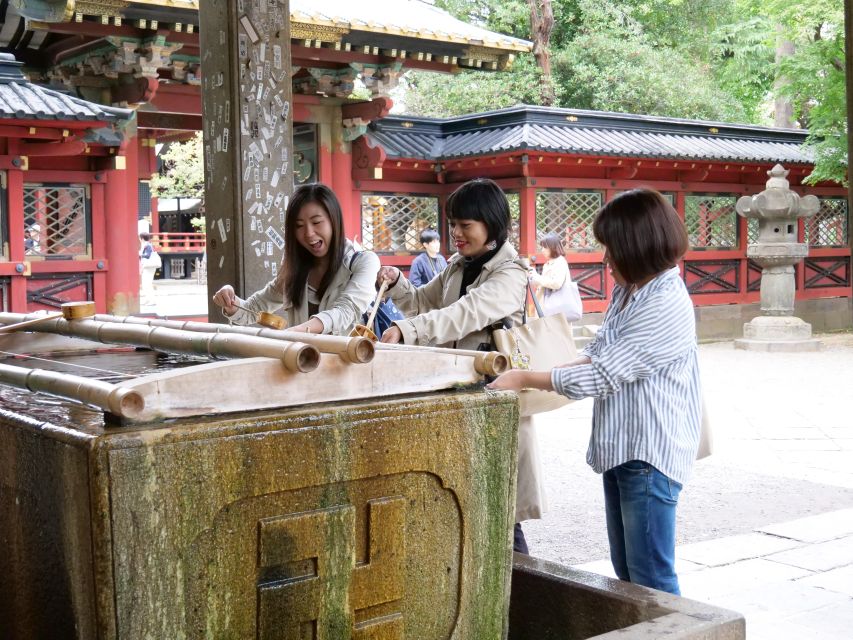
Nezu Shrine is the first big anchor of the experience, with about 20 minutes there. You walk in expecting a “photo stop,” but it is more useful than that because the guide frames what you are seeing in a practical way: traditional Shinto ideas and why this shrine is famous.
The torii gates are the headline. You get the chance to stand, look up, and take photos without feeling like you are getting yanked along by a crowd. In the groups I read about, guides such as Masae and Hina made the shrine feel understandable by sharing the kinds of details that turn a pretty scene into something you can place in context.
Practical tip: go slow the moment you arrive. Nezu can look deceptively simple, then you realize the structure and layers of space are what make it work. If you take your time at the first photo spot, the rest of the shrine walk feels easier.
Hebimichi: the Old Tokyo walk between the landmarks
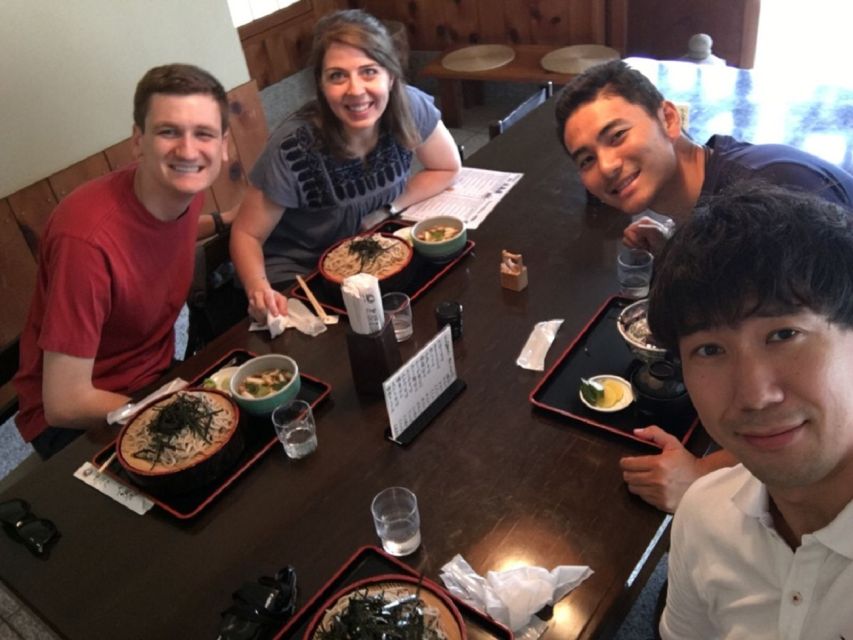
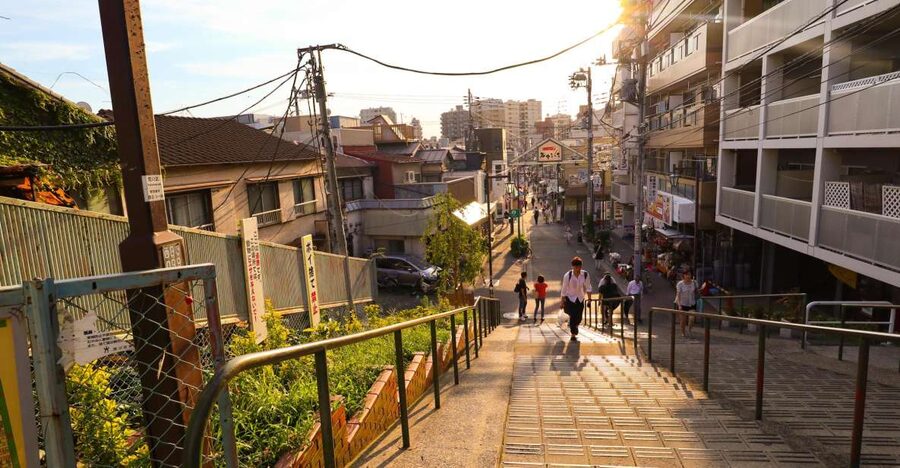
After Nezu Shrine, the route shifts into neighborhood mode, including about 45 minutes at Hebimichi. This section is where you stop treating Tokyo like a set of famous points and start experiencing it like a place people live in.
Hebimichi is valuable because it is not a museum corridor. It is the in-between world, where you can notice small details like shop signage, residential textures, and the way people move through narrow lanes. In some afternoons, the best part is that the guide helps you see what you would miss if you were just scanning for the next postcard view.
What to watch for: the tour is still walking focused in this segment. If you tend to want to stop often for photos, bring that energy early, not at the end when everyone is tired.
The cafe break: painting a maneki neko cat statue
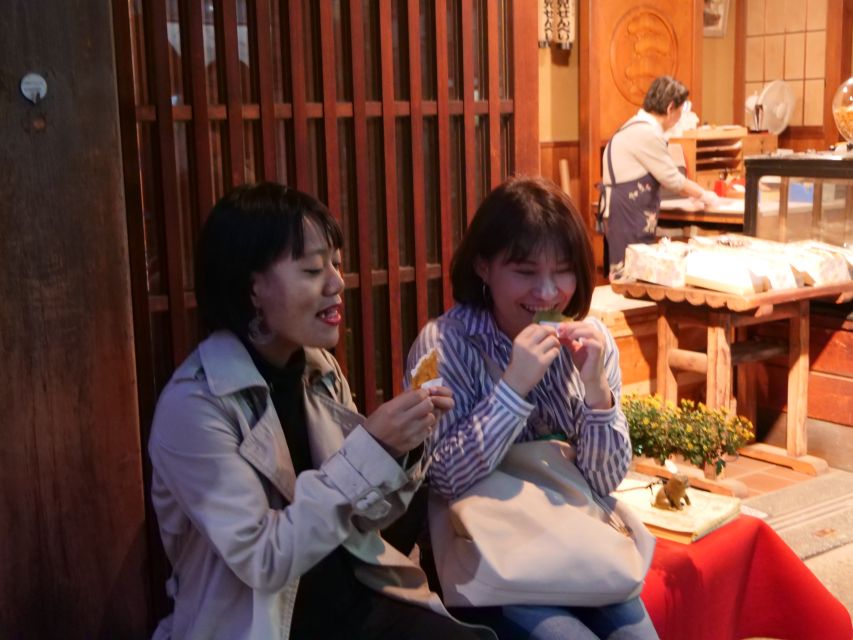
One of the best reasons to book this tour is the built-in rest. You get about 75 minutes at a local cafe, with an included drink and a sweet treat. Then comes the craft: painting a lucky cat statue, the maneki neko with a raised paw.
This is more than a souvenir activity. For you, it is a structured way to slow down and switch gears from walking and street noise into something hands-on and calming. Several guides were praised for making the session relaxed and fun, including Masae and Yoko. People also described it as a nice mid-tour reset on hot days, and a welcome change from constant motion.
Note what is included: you get the materials and the guided activity, and the cafe portion comes with a drink and a sweet treat. If you want to buy extra snacks or drinks, you can, but you will need cash.
Practical tip: if you care about getting a craft done neatly, go in with a calm mindset. The goal is not perfect art. The goal is enjoying the moment and bringing home something you made yourself.
Yanaka District: quiet streets that survived the big shocks
Once you enter Yanaka proper, the tour leans into what makes this district special: it feels preserved. Yanaka endured major disruptions, including World War II damage and repeated earthquake history, and the neighborhood’s everyday streets survived. That is why you experience an old Tokyo mood that is harder to find in faster-growing areas.
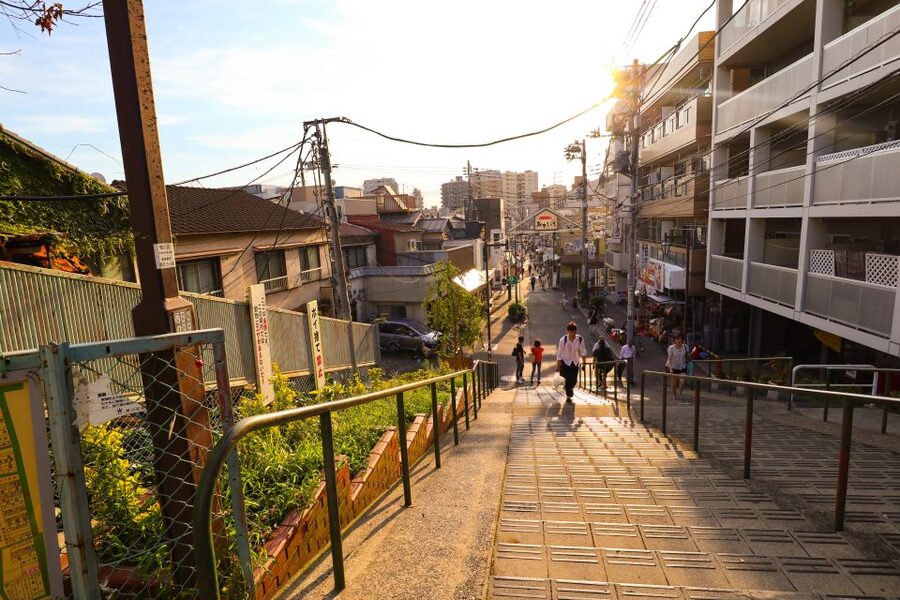
You will spend about 100 minutes exploring Yanaka District. This is where you feel the shape of daily life, from residential calm to small local storefront energy. Several people mentioned that the streets feel peaceful compared with the main city hubs, and that is exactly the point.
If you want to shop later, keep your eyes open during the walk. Your guide will steer you toward the right places, but seeing things first helps you decide what you want without panic-buying.
You can also read our reviews of more historical tours in Tokyo

Yanaka Ginza and food tastings for real old-school flavor
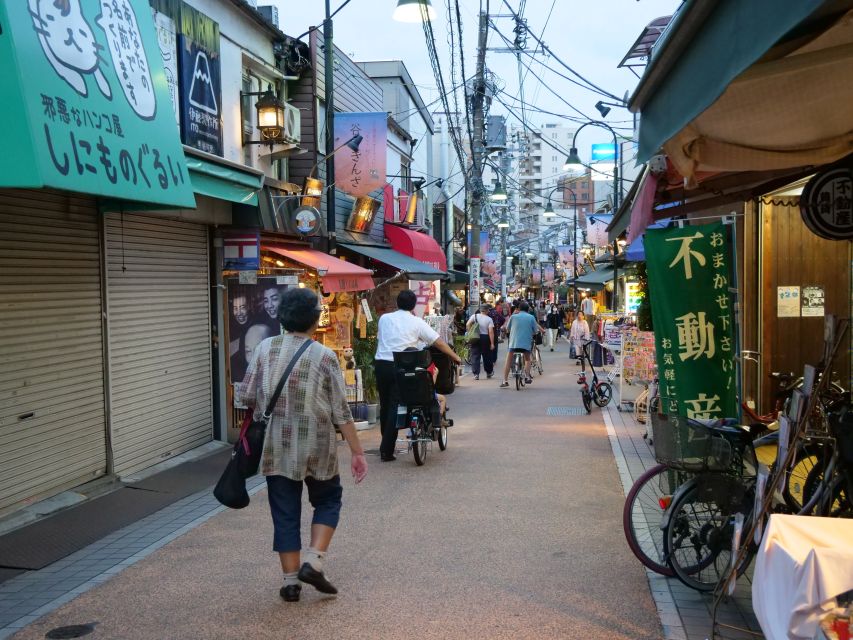
Yanaka Ginza is the shopping street portion that rounds out the afternoon. Think of it as a concentrated slice of old Tokyo flavors, with shops selling snacks and small treats. This is also where your guide’s taste matters, because the included tastings are chosen to give you variety without turning the tour into a sugar overload.
Your tour includes local snack and sweet food samples during this part, plus what is included in the cafe earlier. Many reviews praised the tastings and the way the guide helped them pick and understand what they were eating.
A smart strategy for you: treat tastings as direction, then save bigger purchases for later in the same day. One piece of advice that came up clearly is to do souvenir shopping during the tour’s Yanaka shopping time, rather than trying to shop first in a rushed way.
Cash matters here, too. The reason is simple: many older shops do not accept credit cards, and your budget will thank you for carrying some.
The locals-only market dating back to the 1940s
A highlight of this experience is the chance to see a major locals-only market that dates back to the 1940s. Even if you do not shop much, it is one of the best ways to understand Yanaka as a living neighborhood.
For you, that means you are watching how people buy and eat like they are running an errand, not like they are chasing a trend. This matters because Tokyo’s “local” side is not always loud. Sometimes it is quiet. Sometimes it is a counter conversation. Sometimes it is just the flow of hands passing small items from person to person.
What to do in the market area: slow down just enough to look, then follow your guide’s pace. You will get both the photos and the meaning, without getting stuck watching from far away.
Why the guide matters, and how small groups change everything
The best praise in the reviews centers on the guides and how personal the tour feels. People talked about guides such as Ramesh, Mark, Kenji, Hina, Masae, and Yoko for being friendly, answering questions, and explaining what they saw in plain English.
In a bigger group, you might only catch fragments. With fewer than 7 people, you get real Q and A time. That is huge when you are curious about Shinto practices at Nezu Shrine, or when you want to know what you are looking at in the back streets of Yanaka.
One other thing I like about this style: some guides helped with practical extras beyond the route, such as connecting someone to buy local art, or offering small kindnesses like shade support on a very hot day. Those details are not guaranteed, but they explain why the experience can feel less like a scripted walk and more like a smart friend showing you their neighborhood.
Price and value: what $79 actually buys you
At $79 per person, this tour is not the cheapest way to spend an afternoon in Tokyo. But the value stacks up because you are paying for more than walking.
You get:
- a local English guide for the full 210 minutes
- included cafe refreshments (a drink and a sweet treat)
- the maneki neko painting craft experience
- local snack and sweet tastings
- tour photos
That craft and the cafe time alone can make a $79 tour feel reasonable, because you are not just being shown Tokyo, you are also doing something and getting guided help. Add to that the shrine context and the food tastings, and the price starts to make sense for a traveler who wants variety in a single afternoon.
If you already plan to spend time crafting or doing shrine visits, this tour can save you effort. If you just want to wander freely with zero structure, you could recreate parts of it on your own, but you would miss the “what you are looking at and why it matters” part that guides consistently get praised for.
What you should bring, and what to plan for
Bring cash. It is not optional in practice because many older shops do not accept credit cards, and you may want extra snacks or small purchases.
Wear comfortable shoes and clothes. The route includes some parts that are not wheelchair or stroller accessible, and there is walking on older streets. If you have mobility issues, this tour is not suitable.
Japan weather can also swing hard. The data points to summer highs around 40°C (110°F) and winter lows around -5°C (20°F). If you are going in shoulder season, you might still get sudden changes, so pack a light layer and plan for sun or cold depending on the month.
Also keep expectations realistic about food needs. The tour does not guarantee allergy-free options, and substitutions are not guaranteed at every stop. If you have dietary restrictions, it is worth discussing your needs directly when you book, so you can manage risk.
Who should book this Yanaka old town walk
This is a great fit if you want Tokyo that feels lived-in. You will likely enjoy it if you like:
- shrines and neighborhood structure more than giant city landmarks
- small-group walking where you can ask questions
- a break that includes a craft, not just more sightseeing
- eating your way through old shopping streets
It is also a strong option for solo travelers because the small group and guide interaction can make you feel supported, not lost. For families, several reviews mentioned it worked well, especially because the craft and the cafe break break up the walking rhythm.
Should you book the Yanaka Historical Walking Tour?
If you want a Tokyo afternoon that mixes Nezu Shrine, quiet Yanaka streets, a market with deep roots, and an included maneki neko painting workshop, this tour is a solid choice. The small group size and the strong guide focus are the big reasons to pick it, especially if you like understanding what you see instead of just photographing it.
Only book if you are comfortable with a lot of walking on older streets and you are fine bringing cash for purchases. If that fits your style, you should book this one and spend the rest of your trip feeling like you saw a different Tokyo than the usual main-city blur.
FAQ
Where is the meeting point?
You meet outside Tokyo Metro Nezu Station, Exit 1. Go up the stairs to street level, and your guide will be standing right in front of the upstairs area holding a red or orange MagicalTrip sign.
How long is the tour?
The tour duration is 210 minutes, about 3.5 hours.
What is the price per person?
The price is $79 per person.
What languages are available for the tour?
The tour guide speaks English.
How big is the group?
The group is limited to 7 participants or fewer.
What is included in the price?
Included items are the walking tour, a local guide, 1 drink and sweet treat at the cafe, the lucky cat craft experience (painting), local snack and sweet food samples, and tour photos.
Do I need cash?
Yes. Most old shops do not accept credit cards, and you may want to buy additional snacks and drinks. Cash is recommended.
Is the tour suitable for wheelchairs or strollers?
No. The tour is not suitable for people with mobility impairments, and some included locations are not accessible by wheelchair or stroller.
What is the cancellation policy?
You can cancel up to 24 hours in advance for a full refund.
More Walking Tours in Tokyo

More Tours in Tokyo






More Tour Reviews in Tokyo


Not for you? Here's more nearby things to do in Tokyo we have reviewed












Tokyo City Tours, side by side.
 ★ 5.01-Day Tokyo Bus TourFrom $12914,250 reviews
 ★ 4.5TOKYO SKYTREE® Admission ticketFrom $1311,192 reviews
 ★ 4.6teamLab Planets TOKYO Digital Art Museum Entry TicketFrom $259,779 reviews
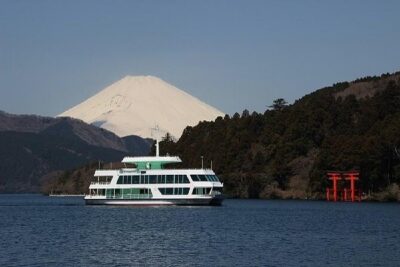 ★ 4.0Mt Fuji & Hakone Cruise, Drum Show Bullet Train 1 Day from TokyoFrom $1497,413 reviews
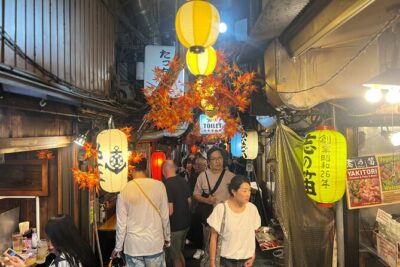 ★ 5.0Shinjuku Food Tour (13 Dishes at 4 Local Eateries)From $866,603 reviews
 ★ 4.4Tokyo Mt Fuji 5th St & Hakone Cruise Bus Tour w/Bullet TrainFrom $1545,024 reviews
 ★ 5.0Flagship 2-Hours Official Street Go-Kart Tour – Tokyo Bay ShopFrom $644,974 reviews
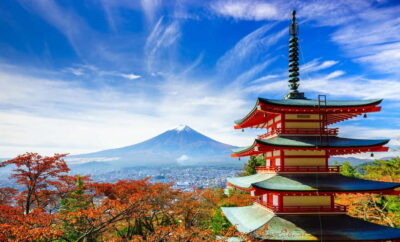 ★ 4.5From Tokyo: Mount Fuji Full-Day Sightseeing TripFrom $684,970 reviews
This tour also belongs to