
Review · TOKYO TEA & SAKE EXPERIENCES
Yokohama : Tea Ceremony with Sweets and Souvenir
Matcha beats a museum ticket. In Yokohama, this casual, English-led tea ceremony gives you a real slice of daily Japanese culture without the stuffy feel. It runs about an hour, keeps the group small, and turns a traditional ritual into a conversation you can actually join.
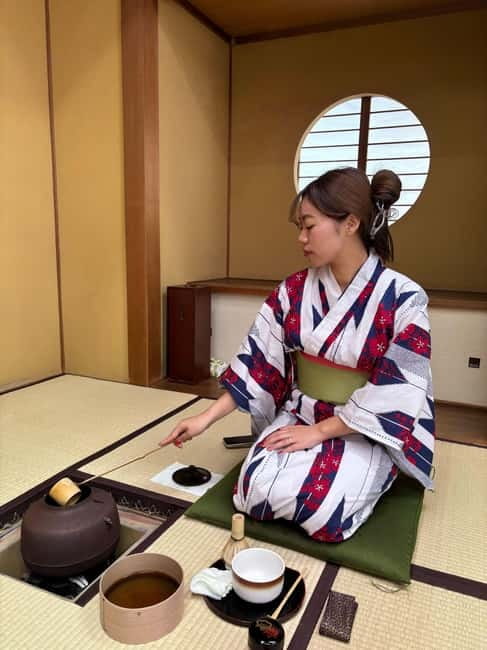
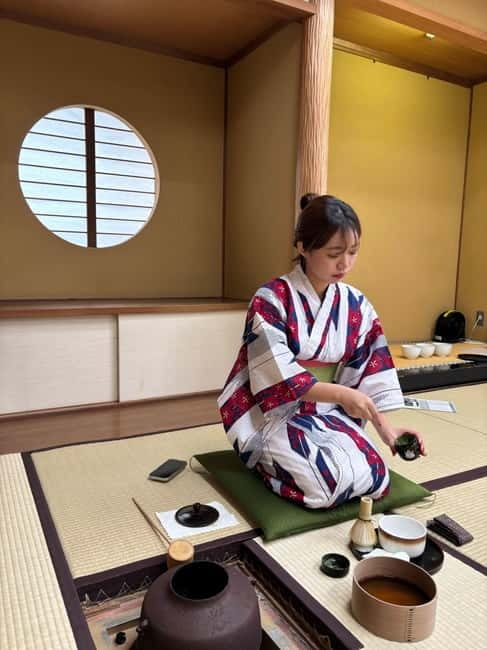
I especially like the chance to brew your own tea with help from Ryota and Sarina, step by step. You are not just watching, you are doing, and that makes the whole thing easier to remember later.
One consideration: it is only 1 hour, so if you are hoping for a deep, multi-course ceremony experience, you might feel a bit more “taster” than “expert.”
Key things that make this tea ceremony worth your time
- Brew-your-own experience with an English-speaking guide
- Matcha-style tea focus paired with traditional sweets
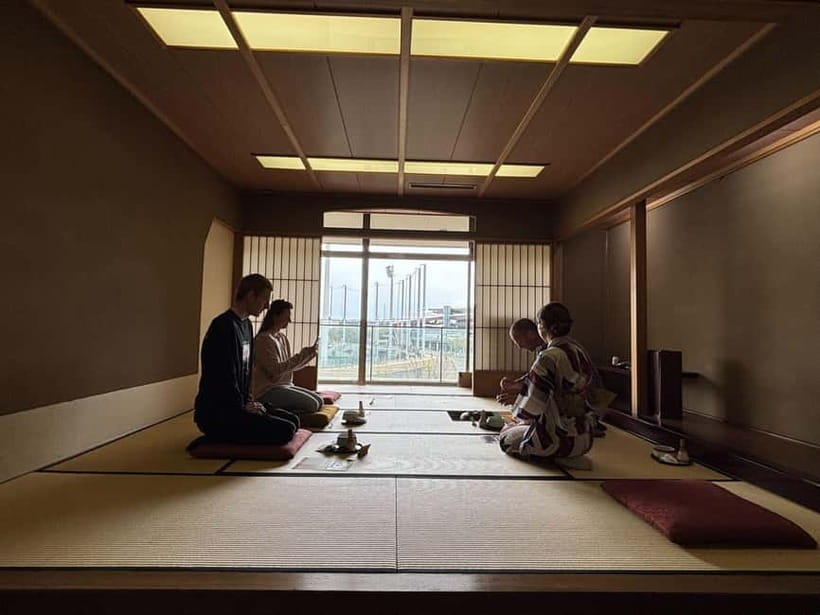
- Small group setting capped at 10 participants
- Tea set souvenir included to take home
- Friendly host energy with time for chat and photos
A casual tea ceremony in Yokohama, with Ryota and Sarina running the show
If Japan feels a little intimidating at first, this kind of experience is a smart bridge. You get a structured activity, but the mood stays relaxed, and the guide keeps things clear in English. That matters in Yokohama, where you can easily spend your day hopping between sights and end up tired before you learn anything.
I like that this is framed as an approachable introduction, not a test. The focus is on the basics of tea, how to handle it, and what you are supposed to notice as the aroma, warmth, and flavor come together. You also get the social side of the tradition, since the whole point is sharing time with other people.
The hosts, Ryota and Sarina, are the reason this feels welcoming. In the better moments of the ceremony, you can ask questions that go beyond tea, like what people do in their day, what they love about Japan, or how to plan the rest of your Yokohama time. That little human connection is what turns a “class” into an experience.
More Tokyo tours and experiences for the shortlist
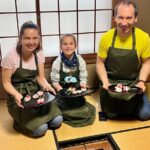
The 1-hour flow, what you do and what you learn
This is a simple schedule on purpose. A 1-hour session is long enough to teach, taste, and let you try the motions, but short enough that you can fit it into a busy sightseeing day.
Here is how it typically unfolds in a way that makes sense once you are there:
1) You start with a clear explanation in English
Before you touch anything, the guide walks you through what you are about to do. The goal is to remove mystery, so you do not stand there thinking you must memorize every detail. With English instruction, you can follow along with confidence and avoid the classic feeling of being lost in a quiet room.
2) You watch the key steps once, then you repeat them yourself
After the demonstration, you get hands-on practice. That is the part I think most people enjoy, because you can actually feel the rhythm of the process. Brewing technique is not about perfection, it is about attention.
3) You taste your tea and adjust your idea of what good tea means
You will taste the tea alongside sweets that match it. This is not just “here is a sweet, enjoy.” The pairing is meant to help you understand how flavor changes as you go from tea to bite to tea again. You start noticing texture and bitterness, and you learn which sweets bring out certain notes.






4) You chat, take photos, and end with a souvenir
At the end, the mood stays friendly. Some ceremonies include extra help with photos, so you do not worry about awkward self-timing. You also get a souvenir, which turns the experience into something tangible, not just a memory.
Brewing your own tea: why that hands-on part matters
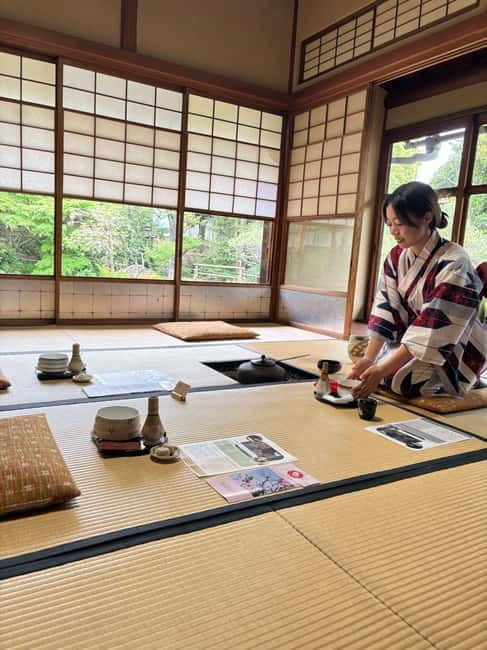
A lot of cultural activities put you in the “watch and clap” role. This one flips the script. When you brew your own tea, you learn the process through movement, not just explanation.
That is what makes it work for different personalities. If you like structure, the guide gives it. If you are more relaxed and conversational, you can still enjoy the experience without feeling like you are being graded. And if you are the type who needs to understand how something works before you appreciate it, this ceremony naturally satisfies that urge.
One practical point: come with a mindset of doing. If you keep checking your phone or rushing through steps, you will miss the small shifts in smell and taste that the guide is trying to point out. Stay present for the brewing, and the tea will land better when you sip.
Sweets with your tea, and how pairing teaches flavor
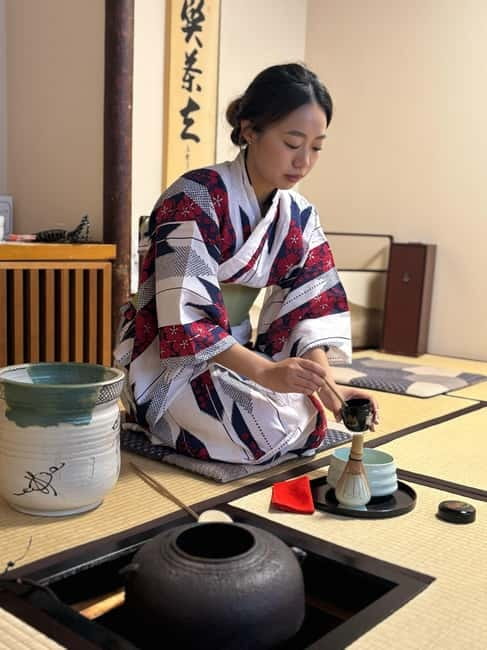
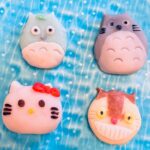
The sweets are not an afterthought. You get traditional Japanese sweets designed to pair with the tea you brew. Even if you do not know the names of everything on the plate, the pairing teaches you something important: tea flavor is not meant to exist alone.
In practical terms, good pairings do three things:
1) They balance bitterness or intensity
2) They contrast with texture, like chew versus melt
3) They refresh your palate so each sip feels distinct
That is why tasting feels more rewarding here than it would in a simple “tea only” activity. You get a small, guided lesson in how Japanese sweets often behave like a second instrument, not a separate dessert course.
The tea set souvenir, why it is more than a cheap memento
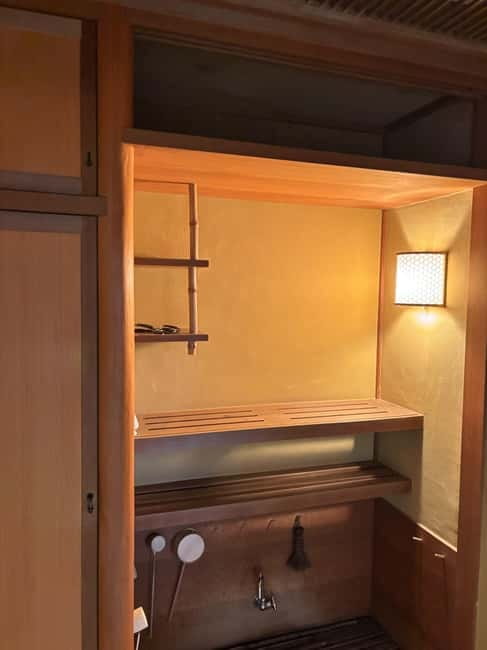
You take home an original Japanese souvenir, and the highlight is a beautifully crafted tea set. This matters because a souvenir that you use at home is a better memory device than a photo alone.
A tea set gives you a reason to re-create the moment later, even in a simple way. On a long trip day, it can also feel comforting to know you are going home with something useful, not just something decorative that sits in a drawer.
Also, the ceremony has a strong “end feel.” People tend to remember the moment they leave, not only the moment they arrived. Getting the tea set right after the tasting helps the experience close cleanly, and it keeps the whole thing from feeling unfinished.
Price and value at $45 per person
Let’s talk money in a plain way. At $45 per person, you are not paying for a multi-hour private workshop. You are paying for:
- An English-speaking guide
- Small group instruction (limited to 10 participants)
- A hands-on brewing session
- Traditional sweets
- A take-home tea set souvenir
- Support from hosts who help make the experience smooth, including photos in many cases
So the value equation here is not just the time. You are paying for translation plus guided technique plus the included food plus the souvenir. If you tried to replicate this on your own in Japan, you would likely spend time figuring out the right place, the right tea tools, and the right way to pair sweets. That time is what you are buying back.
One thing to consider: because it is only 1 hour, you are getting an introduction, not a lifelong craft course. If you already know tea ceremony basics and want a deep technical training, you might want a longer class. If you want a confident, friendly taste of the tradition, the price makes more sense.
Logistics that actually affect your day
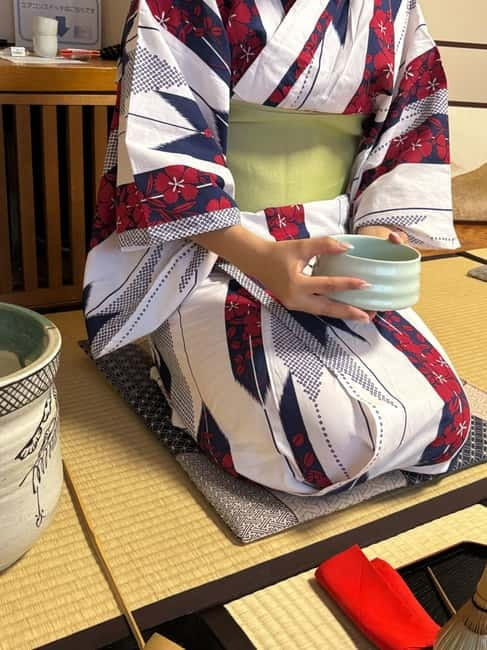
This experience is designed for overseas visitors, and that shows in the practical choices.
The meetup varies
Your meeting point depends on the tea room location, and you will be contacted with the details. That is normal for tours in big cities, so do not plan to arrive way too early at a vague spot. If your message lands late, give yourself a little buffer so you can find the tea room without stress.
Express security check helps you keep your schedule
You also get an express security check. That may not sound glamorous, but it can protect your day from small delays that add up. If you are trying to see multiple things in Yokohama, this kind of time savings matters.
Bring a camera, and leave the smoking for later
You should bring a camera if you want photos of the moment and the setup. Smoking is not allowed, so plan accordingly if you are sensitive to that kind of rule.
Who this is best for, and who might want another plan
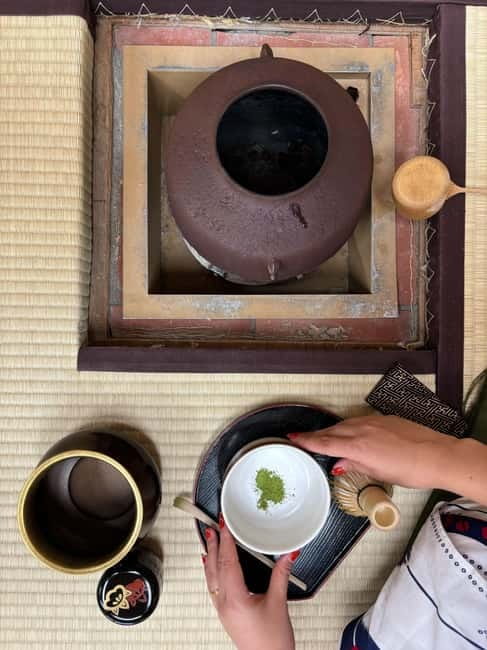
This is a great fit for:
- First-time visitors who want Japan culture without complicated language
- People who learn by doing, not by reading
- Travelers who want a calm activity in the middle of a busy day
- Couples, solo travelers, and small groups, since it is social without being loud
It might be less ideal if:
- You want a long, formal tea ceremony with multiple stages
- You are looking for a hardcore technical deep training
- You hate the idea of joining a group setting, even a small one
The key here is expectations. Think of this as a friendly entry point. You leave with a tea set, a better sense of what you tasted, and the satisfaction of having brewed the tea yourself.
Tips to get the most out of your tea ceremony session
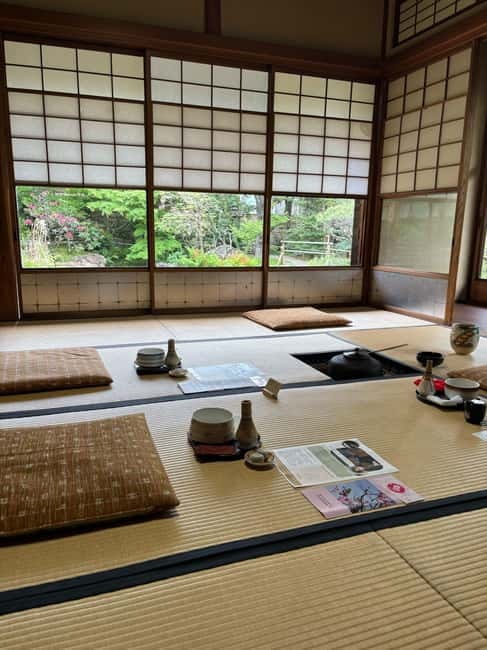
A little preparation can make the difference between a fun hour and a memorable one.
First, go with curiosity, not performance pressure. You will be learning and trying. If you treat it like a game you can do, you will enjoy the process more.
Second, ask one or two questions beyond the ceremony. People love talking about daily life, what to do in Yokohama, and what the guide personally recommends. If the hosts offer suggestions for where to visit next, take them seriously. Their local tips are often the easiest way to build a good second half to your day.
Third, use your camera wisely. You will likely have time for photos, and in many cases the hosts can also take photos for you and share them after. Just be sure you also put the phone away for the actual tea. The ritual is in the focus.
Finally, be open to the sweet pairing. Even if you do not love desserts in general, the point here is to taste how the sweet interacts with the tea. One bite plus one sip can teach you more than ten minutes of explanation.
Should you book this Yokohama tea ceremony?
I think you should book it if you want a short, welcoming cultural experience that feels authentic and hands-on. The biggest wins are simple: you brew your own tea, you get traditional sweets, and you leave with a tea set souvenir. Add an English-speaking guide and a small group cap of 10, and the whole thing becomes a good value way to slow down for an hour in Yokohama.
Skip it if you are after a long, ultra-traditional, multi-hour ceremony or a serious course in tea craft. But for most visitors, this is the sweet spot: enough structure to learn, enough friendliness to relax, and enough included to make it feel worth the money.
FAQ
How long is the tea ceremony in Yokohama?
The tea ceremony lasts about 1 hour.
What is the price per person?
The price is $45 per person.
Is the guide available in English?
Yes. The instruction is in English.
How big is the group?
The group is small, limited to 10 participants.
What is included in the experience?
It includes an English-speaking guide, a Japanese tea brewing session, traditional Japanese sweets, and an original Japanese souvenir.
Where do I meet the guide?
The meeting point varies depending on the tea room location. You will be contacted with the exact details.
What should I bring, and what is not allowed?
Bring a camera. Smoking is not allowed.
More Dessert Tours in Tokyo
More Tour Reviews in Tokyo
Not for you? Here's more nearby things to do in Tokyo we have reviewed












Tokyo Tea & Sake Experiences, side by side.
 ★ 5.0Traditional Tea Ceremony with a Tea MasterFrom $38528 reviews
 ★ 5.0Sake Tasting Masterclass in Shinjuku (8+ Varieties with a Pro)From $72271 reviews
 ★ 5.0Tea Ceremony Workshop in Tokyo by the Experienced InstrucorFrom $38189 reviews
 ★ 4.9Asakusa: Kimono Tea Ceremony with Matcha and SweetFrom $66153 reviews
 ★ 4.9Tea Ceremony Experience in a Private Tea Room in ShibuyaFrom $30125 reviews
 ★ 4.7Practicing Zen with a Japanese Tea CeremonyFrom $63105 reviews
 ★ 5.0Matcha Kimono Tea Ceremony in TokyoFrom $59104 reviews
 ★ 4.9Tea ceremony experience in Japanese-style room 60minFrom $4586 reviews
This tour also belongs to