
Review · KAMAKURA DAY TRIPS
Your Own HANKO Name Seal Activity in Kamakura.
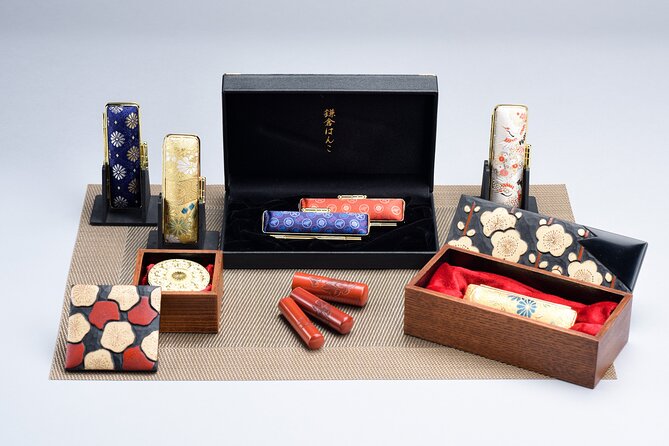
Your name becomes a carved keepsake in Japan. In Kamakura, this private morning workshop teaches the history and styles of Japanese name seals and then guides you through designing a stamp that actually looks like you. You also choose a katakana look and leave with an engraved hanko souvenir.
One thing to plan around, the session is morning-only and the base package includes a standard seal and pouch. If you want premium materials (horn, wood, gemstone), a separate case, or anything like ink, that can mean extra cost.
Key Hightlights You’ll Care About
- Private, hands-on time with the proprietor Tsukino, so you are not squeezed into a crowd
- Name-in-katakana guidance so your seal matches Japanese seal style, not just a random spelling
- Crisp craftsmanship details, starting with machine rough carving and finishing by hand
- Take-home value: you get an engraved seal plus an original pouch
- Choose your look with seal style, font, and (at least in the standard options) color choices for the material
Why a Kamakura Hanko Workshop Feels More Personal Than Buying a Souvenir
Kamakura is a great place to do this kind of craft because the whole town feels hands-on and tradition-forward. This hanko workshop is not just a ticket for a product. You spend the time learning how Japanese name seals work, why they mattered, and how they are styled.
What I like most is how practical the lesson is. You do not get stuck in vague culture talk. You learn enough to make real choices, then you design the seal yourself. And you walk out with something you can use, not only hang on a shelf.
You should also know this is a “small shop” experience. That means the pace is calm, the attention is personal, and the timing matters. The shop asks you to arrive punctually because they prepare the session for each group.
You can also read our reviews of more tours and experiences in Kamakura.
The Morning Session: How Your Workshop Time Actually Works
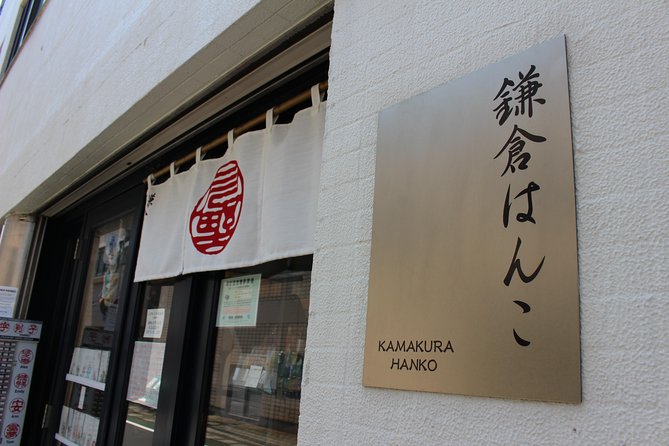
Your actual workshop runs about 45 minutes. It is scheduled in the morning, and it is designed for a private group, meaning it is just you and whoever you book with. If you are coming from Kamakura Station, you will be pleased that the shop is close, roughly a short walk south of the station.
In plain terms, the flow is:
- A quick start where the proprietor explains what a hanko is and how Japanese seals are traditionally written
- A guided step-by-step move into your name, in Japanese-style katakana for the seal
- Choice time, where you select seal style, font, and material options
- Then the carving process happens so your seal is ready later
One scheduling point that can catch people off guard: you choose a pickup time later in the afternoon on the day of your experience. So you are not waiting around all day, but you do need a plan for where you will be after the morning session.
Learning Hanko History and Styles Without the Museum Vibe
The workshop starts with the “why.” You learn the history and culture of hanko writing, plus the different styles of name seals. This matters because hanko is not just calligraphy. It has conventions about shape, readability, and how characters are carved so they stamp cleanly.
I found the style explanation especially helpful because it makes your design decisions feel grounded. When the proprietor talks about different types of seals and how characters are used, you start understanding what will look good as an engraved stamp, not just what looks pretty on paper.
One detail I really liked is that the proprietor explains the options, then helps you connect your name to Japanese characters. In other words, you are not just guessing how to write your name. You get guidance on how to write it in Japanese in a way that fits seal use.
Designing Your Name Seal in Katakana and Seal Fonts
Your seal is designed in katakana. Katakana is often used for foreign-sounding names in Japanese writing, which makes it a practical choice for visitors. You will choose the type of seal and the font style.
The shop recommends a katakana font suitable for official seals. That is a subtle but smart suggestion because seal fonts tend to prioritize stamp clarity over decorative flair. A font that looks right digitally can turn into a messy stamp once carved, so getting that recommendation up front saves you from an ugly end result.
From there, you work with the proprietor to set up your name so it reflects your personality. That line can sound fluffy, but in practice it usually means choosing a look that fits how you want the seal to feel, whether you prefer a calmer, more formal outline or something with more expressive character styling.
Also note this: typeface upgrades are not included in the base price. If you think you want a specific style beyond what is included, be ready for add-on choices.
Materials and Case Choices: What’s Included, What Costs Extra
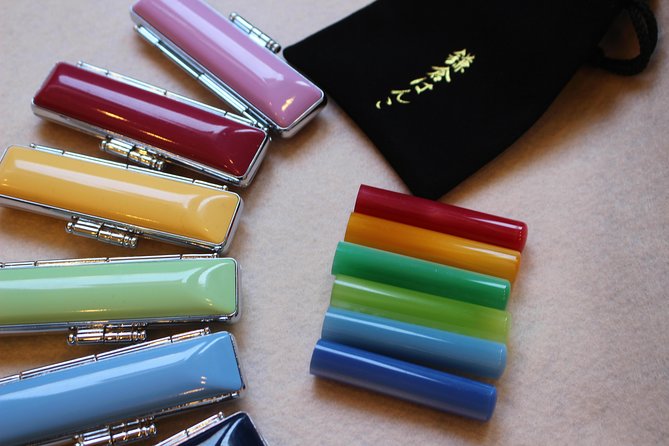
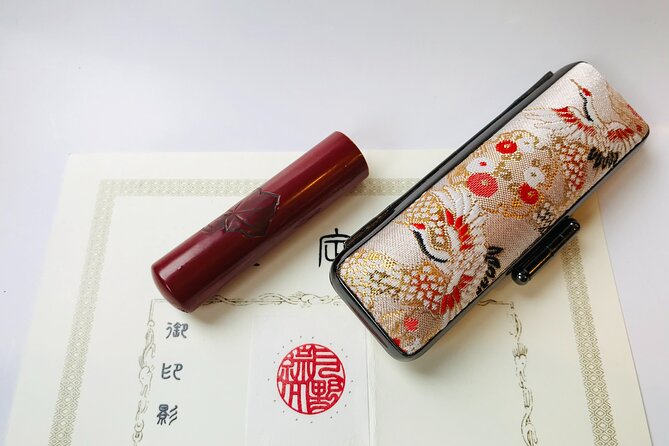
The standard experience includes a hanko seal listed as Japanese boxwood, plus an engraved seal fee (katakana) and an original pouch. That pouch is a nice inclusion because it makes the finished seal feel like a real craft item from a workshop, not like a disposable stamp.
Material choices are where you can start customizing the look. The experience describes engraving on acrylic with color options as part of the standard material path, then offers higher-end materials such as horn and wood for an additional fee. Horn, wood, and gemstone are listed as upgrade options, so if you want a more traditional or fancier feel, that is the lane.
The case is separate. The experience notes that the type and color of the case are sold separately, and red ink is not included. So if you plan to use your seal right away, you might want to ask at the shop what ink options they suggest or whether you should buy ink separately.
If you are the kind of traveler who likes to keep things simple, the included seal and pouch are already a solid souvenir. If you love crafting, you can spend time choosing the look, then upgrade materials and case to match.
What You Can Expect From the Engraving Process
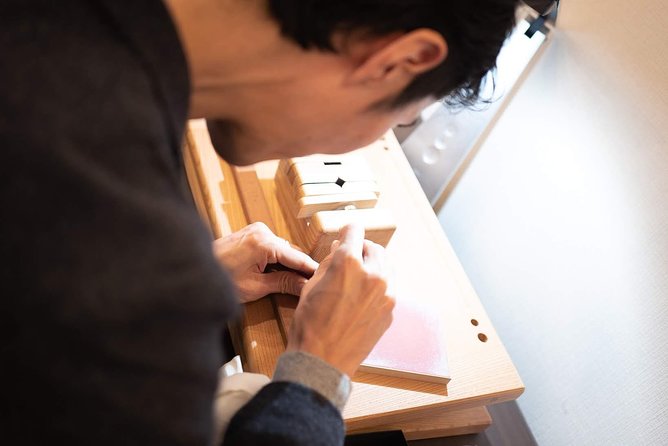
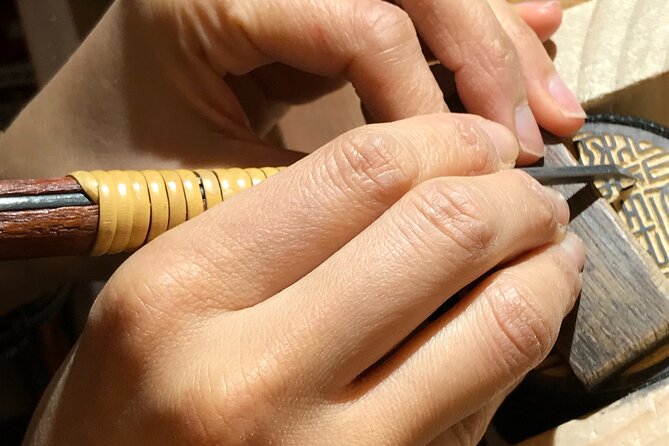
This workshop is not “pre-carved and painted.” The process blends tradition with modern precision. Your seal goes through a rough-carving step using an engraving machine, then skilled craftsmen add final hand touches.
That machine-plus-hand approach is practical. The machine helps keep lines accurate and consistent, while the hand finishing is what makes the seal feel crisp and intentional. It is also part of why the seal looks polished even though it is personalized.
You should also expect that every seal is hand-carved individually in Japan. That shows up in the final texture and depth. Even if two people choose similar styles, their seals won’t be identical.
One more detail that matters for pickup: the workshop ends back at the meeting point, and your seal is prepared for later pickup in the afternoon. So you design in the morning, and you come back when the finished seal is ready.
Pickup in the Afternoon, or Shipping If You Want
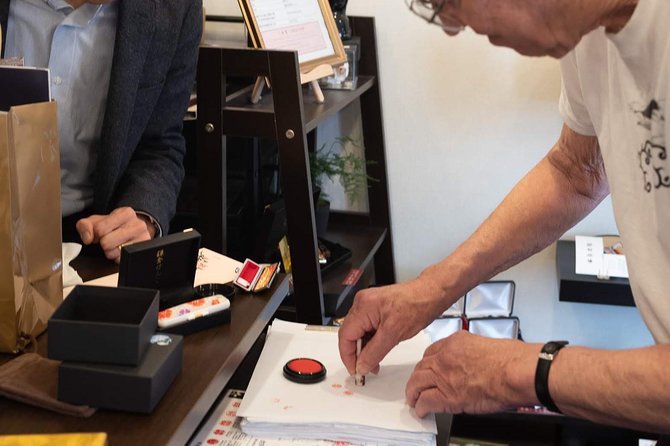
After your morning session, you pick up your finished hanko anytime in the afternoon of the day of the experience. That flexibility is helpful if you are doing other Kamakura sights after lunch.
If you do not want to carry it around, shipping is available by request. Shipping is not included in the base price, but you can arrange it instead of picking up. Some people report mailing takes about 1 to 2 days, but the exact timing is something the shop can confirm with you.
Either way, you will end up with a functional stamp you can use at home, plus a pouch that keeps it from getting scratched in your luggage.
Price and Value: Is $131.65 Actually Fair for This?
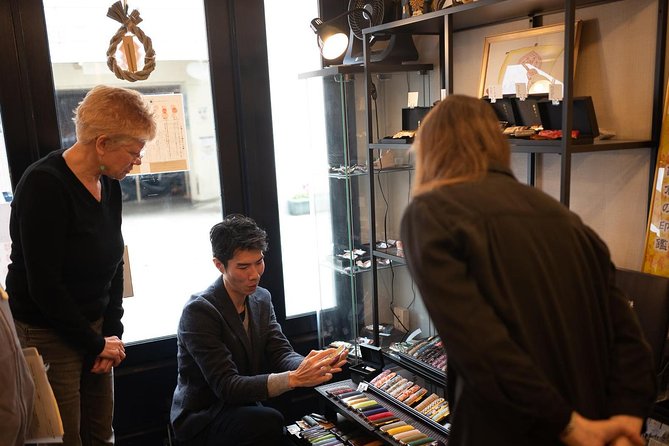
At $131.65 per person, this is not the cheapest souvenir class in Japan. But it is also not just a craft demo. You are paying for:
- A personalized seal design process
- Engraving work
- A take-home carved hanko (listed as Japanese boxwood in the inclusions)
- A pouch
- The katakana seal fee included in the base package
For many travelers, that makes the price feel more reasonable than it first appears. You are not just buying a small handmade item. You are buying the time and expertise to transform your name into a proper seal format, and you also get help with design choices.
Where the total can creep up is upgrades:
- Premium materials (horn, wood, gemstone) have extra fees
- Typeface upgrades can cost more
- The case costs extra
- Red ink is not included
- Shipping costs extra if you choose mailing
If you keep it to the base seal and pouch, the experience stays pretty straightforward. If you want the full “premium seal set” look, budget extra for upgrades.
One more practical note: this activity is typically booked about 59 days in advance on average. If you are visiting during a busy season, lock it in early.
Who This Workshop Suits Best (and Who Might Skip It)
Book this if you:
- Want a souvenir that is personal and usable, not just decorative
- Like crafts where you choose the design details yourself
- Enjoy Japanese culture explanations that connect directly to a real object
- Travel with a partner or friend and want a calm, private experience
You might skip or at least go in with eyes open if you:
- Only want photos and a quick stop, because the experience is focused and you will need to plan around the morning timing and afternoon pickup
- Hate add-ons, because materials, case, and ink are not all included in the base package
- Are expecting a long performance or lecture, because the session is about 45 minutes and then your seal work happens
Book It, If Your Goal Is a Real Keepsake
I think this is a strong choice when your goal is a meaningful, tactile souvenir. The setup is intimate, the proprietor Tsukino guides you through the rules and options, and the finished seal is a tangible memory you can actually use.
If you want an easy win, the base package already gives you a seal and pouch. If you want to go further, the upgrade options let you build a set that matches your taste. Just plan for the morning schedule and any add-ons you might want.
FAQ
How long is the Hanko name seal workshop in Kamakura?
It takes about 45 minutes.
Where does the activity start?
The meeting point is the Kamakura seal shop Souvenir shop at 5-6 Onarimachi, Kamakura, Kanagawa 248-0012, Japan.
Is this a private activity?
Yes, it is a private tour or activity, with only your group participating.
What is included in the price?
The package includes a HANKO seal (Japanese boxwood), an engraving fee for katakana, and an original pouch for your Hanko.
What is not included?
Shipping (unless you request shipping instead of pickup), upgrade material fees (such as horn, wood, or gemstone), character or typeface upgrades, the HANKO case, and red ink.
Can I pick up my seal the same day?
Yes. You choose a pickup time, anytime in the afternoon of the day of the experience.
Is the workshop only available in the morning?
Yes, this event is only available in the morning, and you should arrive punctually for preparation.
What is the cancellation policy?
You can cancel up to 24 hours in advance for a full refund. If you cancel less than 24 hours before the start time, the amount paid is not refunded.
More Tour Reviews in Kamakura
Not for you? Here's more nearby things to do in Kamakura we have reviewed


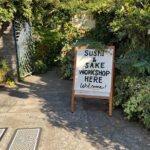
Kamakura Day Trips, side by side.
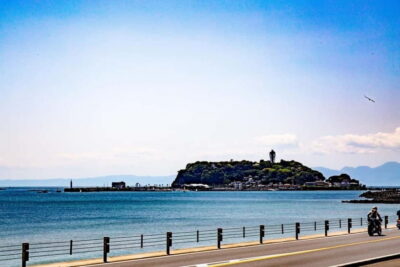 ★ 4.5Kamakura & Enoshima Day Trip including Temple TicketsFrom $581,375 reviews
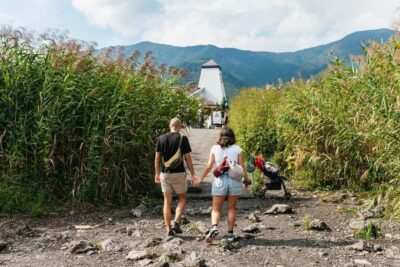 ★ 4.5Mt. Fuji, Kamakura, Big Buddha, & Lake Ashi Day TripFrom $49867 reviews
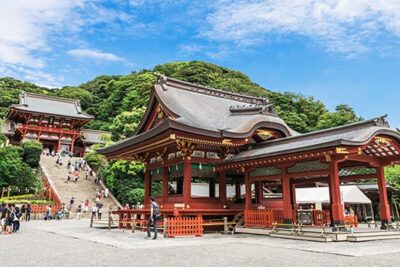 ★ 4.5From Tokyo: Kamakura & Enoshima 1-Day Bus TourFrom $66189 reviews
 ★ 5.0Kamakura Historical Walking Tour with the Great BuddhaFrom $98129 reviews
 ★ 5.0Kamakura Private Tour: Temples, Nature, and the Great BuddhaFrom $98121 reviews
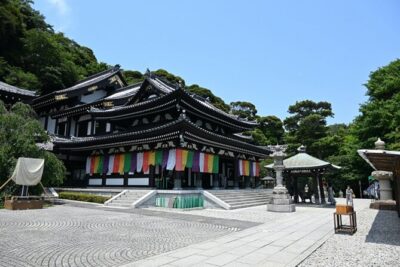 ★ 5.0Kamakura Walking Tour – The City of ShogunFrom $35100 reviews
 ★ 5.0Kamakura 8 hr Private Walking Tour with Licensed Guide from TokyoFrom $20180 reviews
 ★ 4.1Kamakura & Enoshima Day Tour with Pickup & Train RideFrom $1361 reviews
This tour also belongs to