
Review · TSUKIJI MARKET TOURS
Tokyo: Guided Walking Tour of Tsukiji Market with Lunch
Fish smells and prayers in one route. This small-group Tsukiji walk starts at Tsukiji Hongwanji Temple and then sends you through the Tsukiji Outer Market for 9 tastings that feel like lunch made by locals, not a checklist. I like that you do not just eat, you also connect what you see in the market to Japanese culture and religion through what your guide explains. One thing to keep in mind: it is a tasting tour, not a full food festival, so you should expect limited portions and a route that stays pretty compact.
I especially love the way the tour format helps you navigate: you get to observe expert wholesalers at work and still have a guide pointing out what matters while you move. I also love the temple start, because Tsukiji Hongwanji Temple has an exterior that feels ancient and Indian-inspired, and it gives you a calm, meaningful opening before the market energy takes over. If you want maximum time in the market itself, the schedule may feel tight, and a couple of people did not love every bite, so your food taste matters too.
If you come with realistic expectations, this is a fun, efficient way to understand Tsukiji beyond the Instagram shots. Expect comfortable walking, good variety across seafood and beef, and a guide who keeps the day organized, with help that can include things like food boxes and wipes (which one guide, Tomoko, was specifically praised for in prior experiences).
Key highlights you will actually care about
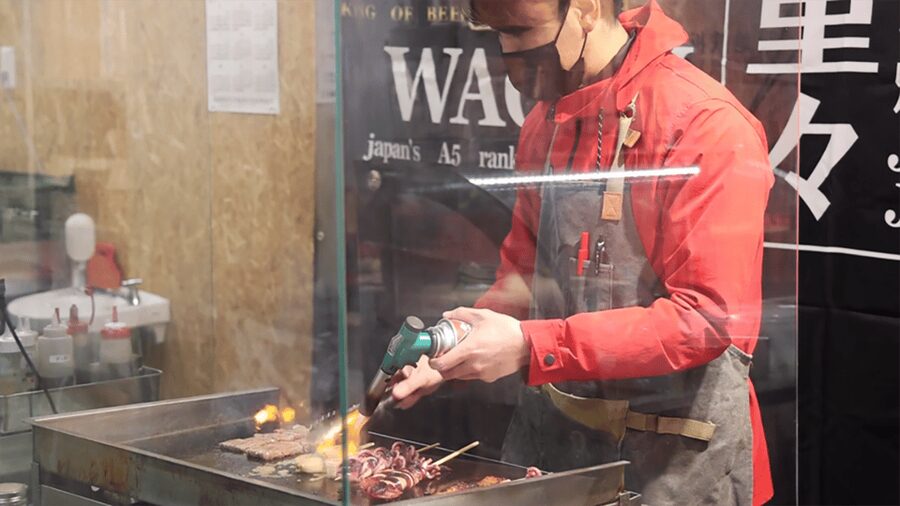
- 9 tastings packed into one 165-minute loop, including grilled seafood or beef skewers, Japanese-style omelette, and tuna sushi
- Temple-to-market flow, beginning at Tsukiji Hongwanji Temple, then turning toward the Outer Market’s wholesale action
- A guide who manages the lines, with queue support noted in experiences led by guides like Tomoko
- Food that spans styles, from fried fish paste skewers and filled rice balls to dessert, tea, and a sample of dashi soup stock
- Small group size (max 10), which usually means you can ask questions and keep moving without losing the group
Start at Tsukiji Hongwanji Temple, not the seafood counter
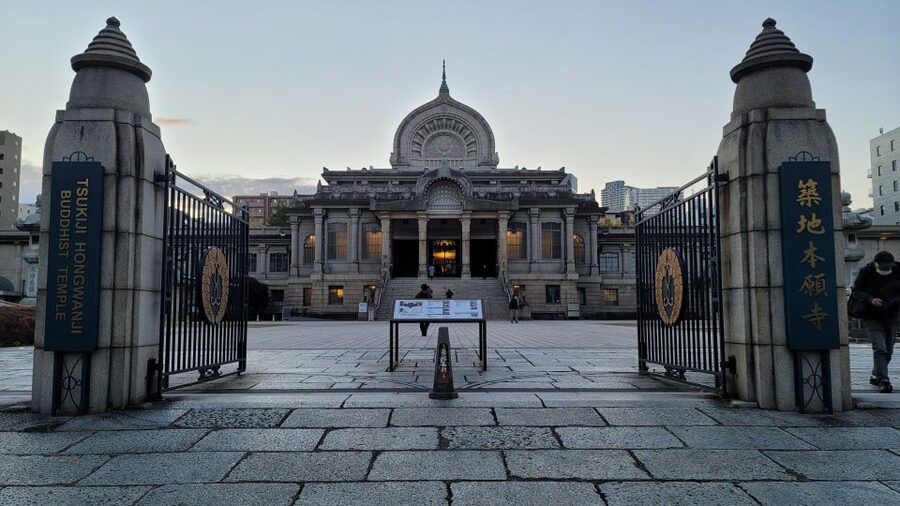
The meeting point sets the tone. You gather in front of Tsukiji Hongwanji Temple, right near Tsukiji Station on the Hibiya Line, Exit A1. Turn left and walk about 50 meters, and you will find the temple entrance. That simple walk to the start matters, because it helps you arrive calm, not already stressed by market crowds.
From there, you admire the temple exterior. It is described as ancient Buddhist-inspired architecture with an Indian-inspired look, and you can feel how the tour is trying to connect food with culture, not just flavors. The best part of this start is that it gives you context for why the Japanese food world feels tied to daily life and belief. Even if you do not read every sign, you will understand the vibe your guide is going for: respect, routine, and tradition.
Also, you will be walking on day one in a way that makes you pay attention. That means you notice details later at the market, like the way workers move with purpose and the way stalls are arranged around workflow. Without that first stop, Tsukiji can feel like one big food scramble. With it, you are ready to see the system.
You can also read our reviews of more walking tours in Tokyo
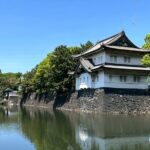

Tsukiji Outer Market on foot: watching the real workflow
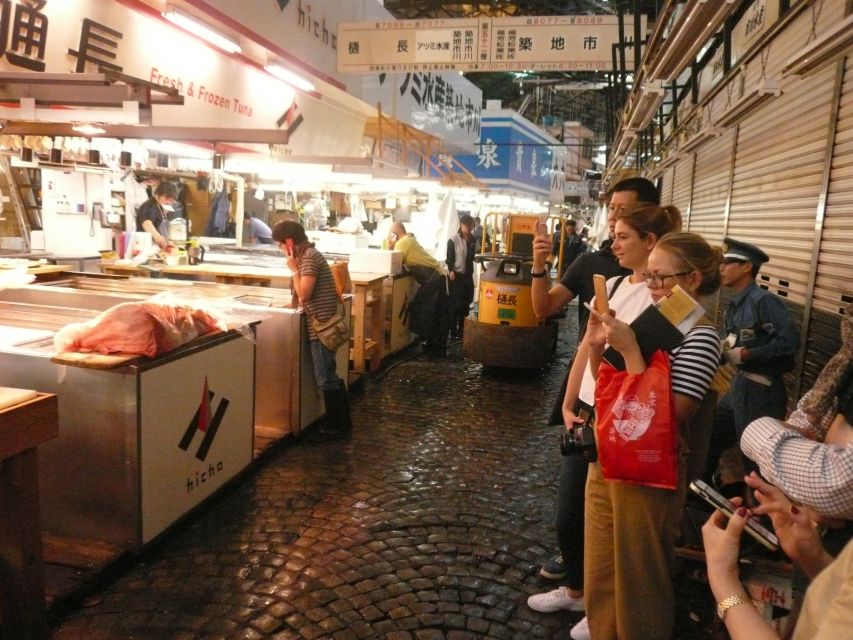
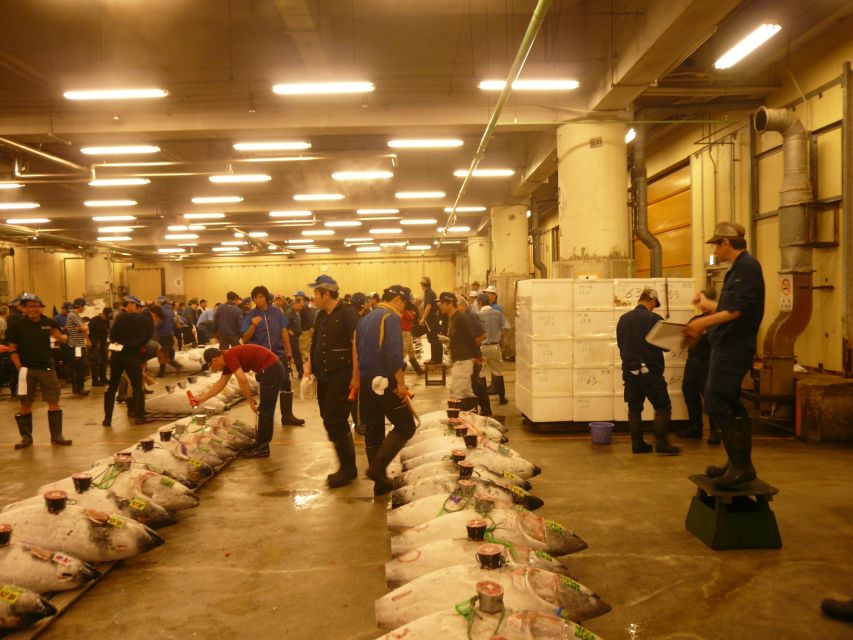
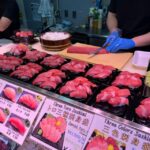
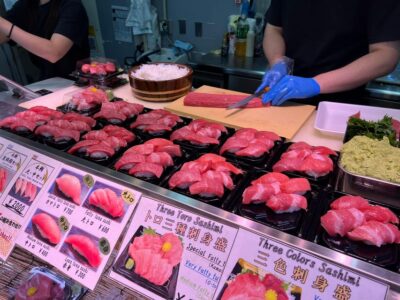
After the temple, you head into the Outer Market area, one of the largest wholesale fish markets in the world and a major draw for food lovers. On this tour, you are not just passing stalls while snapping photos. You are observing while moving: restaurants, shops, and stalls slide by as your guide directs your path.
One of the most useful things you get here is learning to watch how the market operates. Expert wholesalers are busy, and the pace can be intense if you are wandering alone. With a guide, you know where to look and when to stop, so you do not spend half your time trying to figure out what is going on.
This is also where the small group size helps. With a limit of 10 participants, you are less likely to feel like your guide is herding a crowd. In experiences led by guides like Yumiko and her assistant Sachiko, the navigation was praised as expertly handled, which makes sense: Tsukiji is not laid out for casual wandering. It rewards you when someone points the route.
Tip for you: wear shoes that can handle quick stops and starts. Even if the tour is only 165 minutes, you will cover ground, and you will stand close to vendors and other shoppers.
The tasting lineup: 9 local specialties for lunch

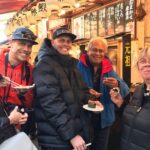
This is the heart of the tour. You get 9 tastings, with a mix of seafood, beef, and classic Japanese street-food style bites. The goal is variety, and the tour delivers a structured path so you do not end up chasing foods you like but missing other signature flavors.
Here is what is included, in the categories you will feel most during the walk:
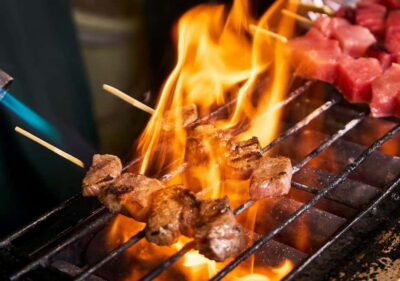
1) Grilled seafood or beef skewers
This is your first real taste-bite moment, and it sets the savory direction. Skewers are easy to eat while standing, and they make it simple to compare how different stalls handle seasoning and heat.
2) Japanese-style omelette
This adds softness and egg richness to the mix. It also balances the grilled, smoky flavors you tend to get at fish markets.
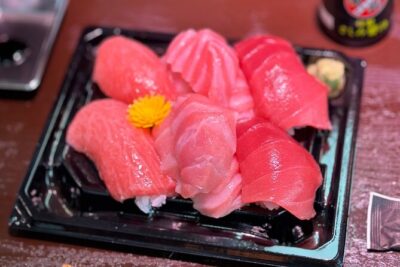
3) Tuna sushi
You get tuna sushi as part of the tastings. This is a classic market move, and it is helpful because it gives you one clean, bite-sized taste profile to anchor the rest of the tour.
4) Fried fish paste skewers
If you have never tried fish paste in a skewered, fried form, this is a good chance. It is different from whole-fish tastes, and it shows how Japanese street-food builds flavor with technique, not just ingredients.
5) Filled rice balls
You will try filled rice balls. These are satisfying and portable, and they also help you pace through the market without feeling stuffed too early.
6) Dessert
A sweet stop keeps you from overheating your palate on seafood and savory items.
7) Drink
You get a drink as part of the package, which is essential because market days can get dry or warm fast. You will want something to reset your mouth between tastings.
8) Sample of Japanese tea
Tea shows up in Japanese food experiences for a reason: it helps clean and soften flavors. Even if you are not a tea person, you might appreciate it as a palate tool here.
9) Sample of dashi soup stock
Dashi is foundational in Japanese cooking. Even a small sample can make you more aware of why so many dishes have that umami depth. Think of it as learning the flavor language behind the foods you just tasted.
Now, the balanced note. A couple of prior experiences mentioned that not every bite hit the mark, including concerns about average sushi quality or specific flavors like tuna mayo in a rice ball. Another critique said the tour felt like it was filling time. That is why I recommend you treat this as a guided tasting sampler, not a guaranteed top-tier tasting menu. If you love the idea of variety and guidance, you will likely have a good time.
How the guide changes the whole day
This tour lives or dies on the guide, and this one has strong signals. One experience credited Tomoko for a relaxed, informative, fuss-free approach. The praise went beyond talking, too. Tomoko even queued for people at food stalls, and she brought food boxes and cleaning wipes to keep things organized. That kind of practical help matters in a market environment, because spills and mess can ruin your focus fast.
Another experience praised Yumiko and Sachiko for navigating confidently and sharing information on the area and history. If you are the kind of person who likes knowing why you are eating something, this adds real value. You get not just a list of foods, but a sense of how culture and religion tie into what people eat and how daily food routines show up around temples and markets.
Also, note the language setup: English is the tour language, and you will have a live guide. One negative comment mentioned a potential language barrier at the start, which is worth flagging for you. If you are picky about communication timing, arrive a few minutes early so you can get oriented without rushing.
165 minutes in Tsukiji: fast, focused, and walk-heavy
The total duration is 165 minutes. That is just under 3 hours, which is a sweet spot if you are planning your Tokyo day. You get a temple start, enough market wandering to feel like Tsukiji, and 9 tastings that fill the lunch role.
But do not imagine it as a slow, long market stroll. This is structured. You pass restaurants, shops, stalls, and other businesses, and you stop for tastings along the way. If you want lots of free time to roam and compare stalls on your own, you will probably need to add extra time before or after the tour.
Weather-wise, you will likely be outside for most of it, so dress accordingly. If it is warm or sunny, bring something you would normally bring to a street-food crawl, like a small bottle of water in your day bag. The tour includes a drink, but having your own backup never hurts.
Finally, plan your lunch strategy. If you are easily overwhelmed by seafood smells, bring patience and expect it. That smell is part of the atmosphere. The guide helps you manage stops so you do not get stuck too long in one spot.
You can also read our reviews of more guided tours in Tokyo



Price and value: is $113 worth it?
The price is $113 per person. That sounds steep if you compare it to buying a snack off the street. But this tour is not just food. You are paying for three things:
- A guide for navigation and cultural context
Tsukiji is confusing if you go alone. The tour helps you interpret the flow, see what matters, and connect food to culture.
- 9 tastings included
Those tastings cover multiple categories: skewers, omelette, sushi, rice balls, dessert, tea, and dashi. You are not guessing where to eat or how much to order.
- Small-group pacing (max 10)
This matters when you are trying to get served, queue, and keep moving without getting separated.
Where value can drop is expectations. If you believe this will be an all-out food fest with consistently standout dishes, you might feel disappointed if a few tastings are just okay. That is the core risk for a paid tasting tour. On the flip side, you are buying variety plus guidance, which many people clearly found worthwhile.
My practical way to decide: if you want someone to point out what to try, and you are happy with a structured sampler lunch, it is likely a fair deal. If you are very picky about sushi quality or you want tons of freedom to roam, you might prefer building your own Tsukiji Outer Market meal plan.
Who this Tsukiji guided lunch suits best
This tour fits best if you are:
- A first-time Tsukiji visitor who wants help navigating the market layout and pace
- The kind of person who likes a combo of food and culture, not food only
- Traveling with a small group and want a guide who can keep you moving and organized
- Interested in Japanese flavor basics like dashi, not only raw fish and grilled items
It may feel less perfect if you:
- Want a long, unstructured market day
- Are expecting a high-end tasting where every bite is world class
- Have limited patience for language quirks at the start (you will want to be early and ready to listen)
Should you book this Tsukiji Market walking tour?
Book it if you want an efficient, guided Tsukiji Outer Market lunch that includes 9 tastings, plus a thoughtful start at Tsukiji Hongwanji Temple for context. You will likely enjoy the value of having someone manage the route and guide your food choices, especially with the small-group setup.
Skip or reconsider if you are mainly chasing the best possible sushi and grilled seafood at every stop, or if you want more free time than 165 minutes provides. In that case, you might do better with a self-guided approach and add a separate activity for temple or culture.
If your goal is practical, guided street-food sampling with context, this is a strong fit for a Tokyo day.
FAQ
How long is the Tsukiji Market guided walking tour with lunch?
The tour lasts 165 minutes.
Where does the tour start?
Meet in front of Tsukiji Hongwanji Temple.
How do I get to the meeting point from Tsukiji Station?
From Tsukiji Station on the Hibiya Line, take Exit A1, turn left, and walk about 50 meters to the temple entrance.
How many tastings are included?
You get tastings of 9 local specialties.
What kinds of food are included in the tastings?
The included tastings include grilled seafood or beef skewers, a Japanese-style omelette, tuna sushi, fried fish paste skewers, filled rice balls, dessert, a drink, a sample of Japanese tea, and a sample of dashi soup stock.
What is the price per person?
The price is $113 per person.
Is the tour guided in English?
Yes, the live tour guide offers English.
What is the group size limit?
It is a small group limited to 10 participants.
What should I bring?
Wear comfortable shoes.
More Walking Tours in Tokyo
More Tours in Tokyo






More Tour Reviews in Tokyo


Not for you? Here's more nearby things to do in Tokyo we have reviewed












Tsukiji Market Tours, side by side.
 ★ 5.0Tokyo Tsukiji Fish Market Food and Culture Walking TourFrom $993,184 reviews
 ★ 5.0Tsukiji Fish Market Food and Walking tourFrom $301,724 reviews
 ★ 4.9Tsukiji Fish Market Guided Walking TourFrom $221,397 reviews
 ★ 5.0Tokyo Sushi Making Class in Tsukiji with Professional ChefFrom $491,177 reviews
 ★ 5.0Tsukiji Fish Market Guided Tour and Sushi Making with Pro ChefFrom $104775 reviews
★ 4.7Tsukiji Fish Market Food and Culture Walking TourFrom $96757 reviews
★ 5.0Tsukiji Fish Market Guided Tour and Sushi Making with Pro ChefFrom $104775 reviews
★ 4.7Tsukiji Fish Market Food and Culture Walking TourFrom $96757 reviews
 ★ 5.0Tsukiji Fish Market: Street Food & Culture Walking TourFrom $33669 reviews
 ★ 5.0Tsukiji Fish Market Small-Group Food Walking TourFrom $87621 reviews
This tour also belongs to