
Review · IMPERIAL PALACE TOURS
Tokyo: Imperial Palace Japanese History Walking Tour
Tokyo’s palace gardens hide Shogun-level power stories. This Imperial Palace Eastern Gardens walk uses an English-speaking guide to connect the Shogun era to the palace that came afterward, starting at the Otemon Gate and turning Tokyo into a story you can follow step by step.
I especially like how the tour mixes clear explanations with great scenery, so you are not stuck reading plaques. You will also get classic Imperial garden moments like the royal koi area and a bamboo forest walk. One drawback to plan for: the Inner Palace is not included, so you cannot go inside that part of the complex.
Key Points Before You Go
- English-speaking guides who explain Japan in plain language (many guides are named in standout reviews, like Mika and Natsumi)
- Otemon Gate start and a walk that links the Shogun world to the Emperor’s palace era
- Miniature model of the vanished castle so you can picture what used to be there
- Old samurai house stops plus the ranking system: Farmer, Samurai, Daimyo, Shogun
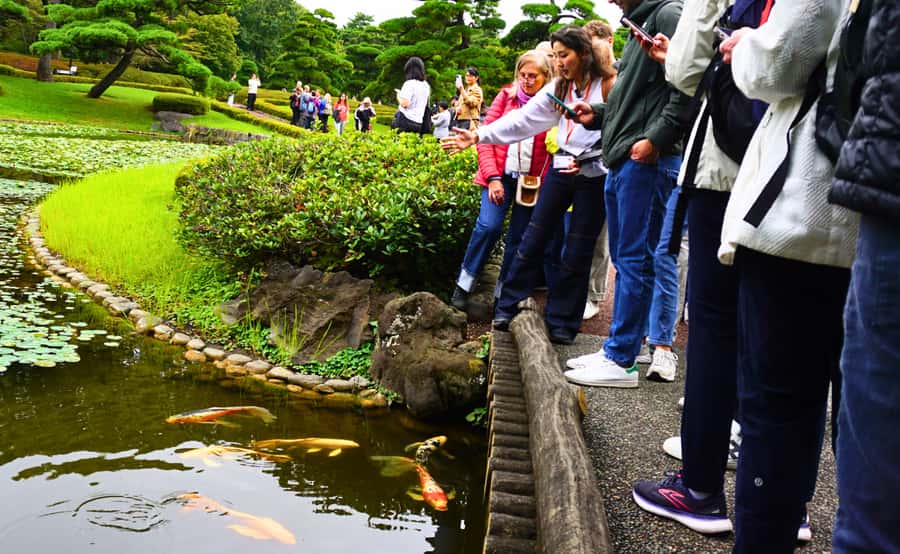
- Royal koi fish and bamboo forest for photo-worthy garden time
- Garden details that feel local, including trees gifted to the emperor from across Japan
Why Shogun Footsteps Matter in Tokyo’s Imperial Palace Grounds
If you only visit the Imperial Palace area as a sightseeing stop, you might miss the big idea: Japan’s power systems did not just change politics. They changed daily life, social rank, and even how spaces were built and used. This tour helps you understand that transformation while you are still in the gardens, walking from point to point and making connections as you go.
I like that the tour is not just about pretty landscaping. It is about how the Shogun’s ambitions shaped the foundations of modern Japan, and how the old castle world became an Emperor’s palace setting. You will hear what happened when the Shogun’s stronghold era faded, and the story is tied directly to where you are standing.
You also get an organized framework for what you see: the guide explains the old ranking system, from Farmer to Samurai to Daimyo to Shogun. That hierarchy can sound theoretical until someone connects it to the architecture and the way the palace grounds were organized.
You can also read our reviews of more walking tours in Tokyo


Starting at Wadakuramon Fountain Park Starbucks (Find the Sunrise Adventure Sign)
This tour starts in a very practical spot, not deep inside the palace gates. You meet your guide at a Starbucks close to the palace, in the area of Wadakuramon Fountain Park. Your guide will be holding a sign with the Sunrise Adventure logo.
Getting there is easy from the city rail hubs. Take the train to Tokyo Station or Otemachi Station, then walk about 5 to 10 minutes to reach the meeting area. Since the tour is on foot, starting near transit is a big value. You are not burning time with extra bus rides or complicated last-mile navigation.
One small comfort note: the walk is scheduled rain or shine, so you will want weather-appropriate clothes. A light rain layer helps. In summer, you will also appreciate shaded stretches under trees, since the gardens include lots of greenery and paths.
The tour ends back at the meeting point, so you do not get stuck wondering where you will be dropped off.
Otemon Gate and the Edo Castle Footprints You Can Actually See
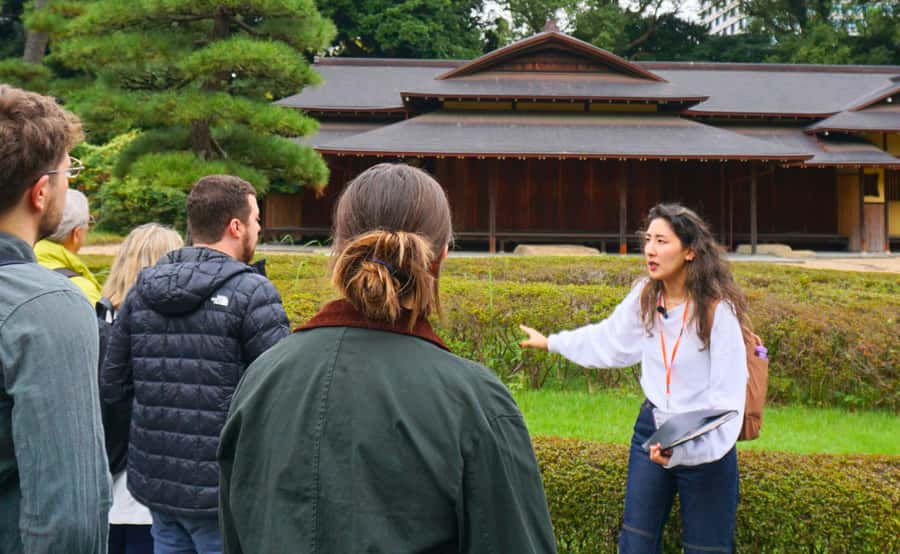
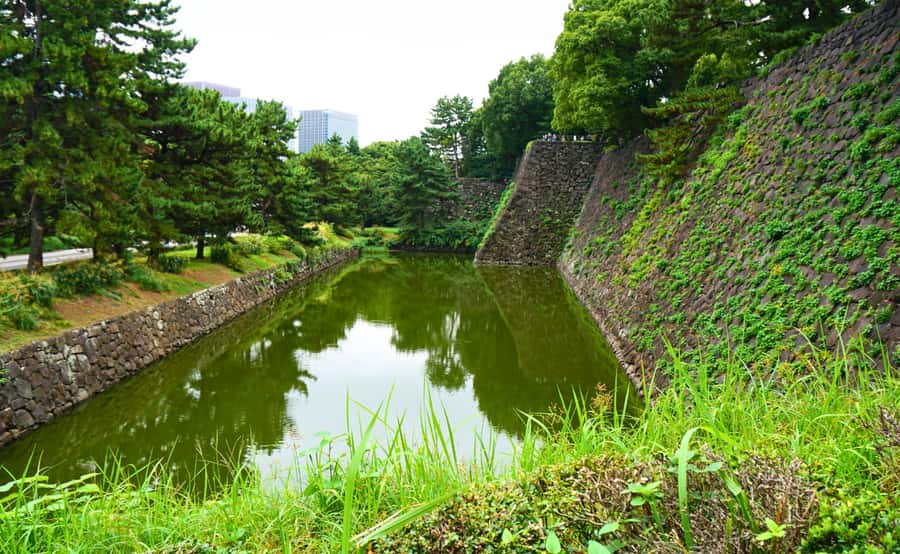
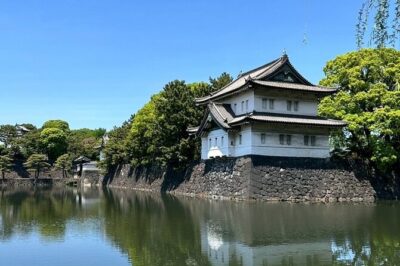
After meeting, you walk toward the grand Otemon Gate. This is the moment where the tour shifts from “palace grounds” to “where power used to be.” The original castle is not there anymore, and that could feel like a letdown if you expected the full structure. Instead, the guide explains what remains, and why the space still matters even when key buildings are gone.
A highlight here is the story behind the castle that transformed into the Emperor’s palace. The guide does not just name eras. You get a sense of what changed, and what stayed important.
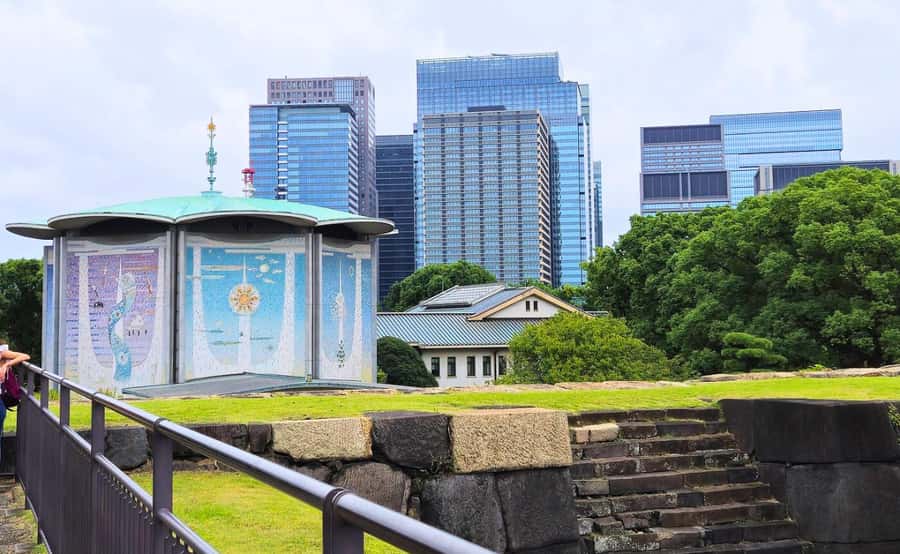
You will also see an important visual aid: a miniature model that shows what the castle looked like in the past. For anyone who struggles to imagine vanished landmarks, this helps your brain lock onto the layout. You start noticing sightlines, structures, and how the grounds are arranged.
The tour also includes the site where Edo Castle once stood over 350 years ago. That is not just trivia. Once you hear it, the walking feels different. You are reading the ground like a map.
Miniature Models, Old Samurai Houses, and the Farmer-to-Shogun Ladder
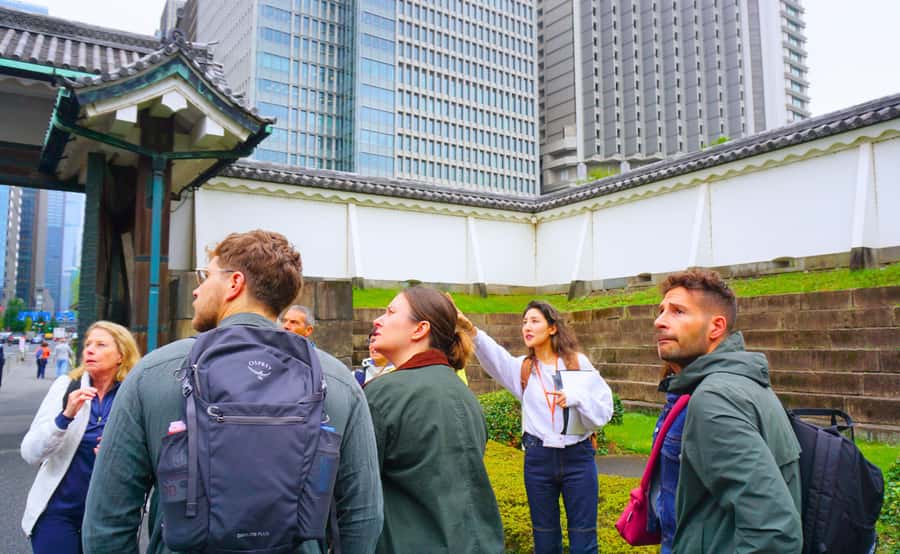
History tours often move too fast through story beats. This one keeps you grounded by tying social rank to physical places. As you walk, you will uncover how the old ranking system worked, with steps from Farmer to Samurai to Daimyo to Shogun.
That ladder matters because it explains why the Shogun era looked and operated the way it did. It is not just about who was in charge. It is about who had status, what occupations were valued or restricted, and how authority shaped the daily rhythms of the country.
Along the route, you will explore an old samurai house area. You will see it as more than a building. The guide’s narration helps you understand what that space represented in the broader system. And because the tour happens on foot across multiple garden zones, you can compare how the grounds feel when the story moves from one era to the next.
Another smart touch: the guide points out how the palace complex shifted over time. The result is that you leave with a clearer mental timeline, instead of just a list of facts.
Bamboo Forest and Royal Koi Fish, the Garden Stops That Make Photos Easier
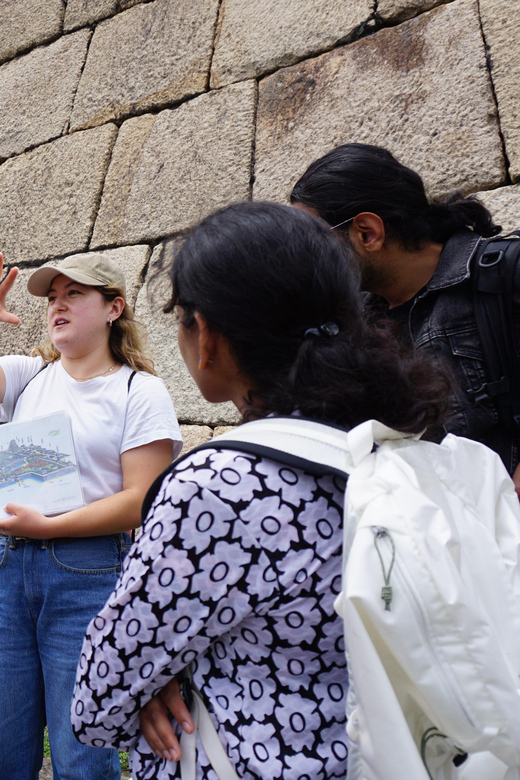
Let’s be honest: sometimes garden tours feel like a long stroll with a lecture stuck in your earbuds. Here, the scenery has built-in highlights that match the history lesson.
You are guided through garden areas that include a bamboo forest. Even if you are not a “bamboo person,” it is a good reset. The sound and feel change, and it gives the guide an opportunity to connect environment and culture instead of only architecture.
Then comes one of the most specific stops: the royal koi fish area. Koi are not just decorative here. Your guide frames what you are seeing inside the wider palace-ground story, so it feels earned rather than random.
If you are into photography, you will like this part of the tour because it gives you contrast. You get ordered palace geometry, soft garden paths, and bright movement in the water. Also, you tend to get photo moments that are not constantly blocked by people, since the tour guides you along a set flow.
You can also read our reviews of more historical tours in Tokyo




Gift Trees, Peaceful Paths, and How to Stay Comfortable on a Rain or Shine Walk

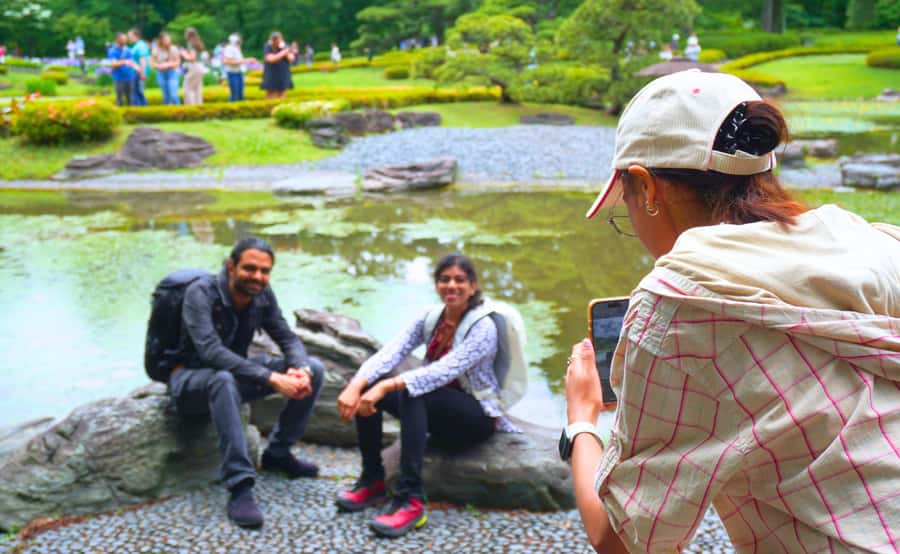
One reason the Imperial Palace Eastern Gardens work so well on a guided walk is that it is not one single scene. It is a series of calm zones with different textures. Along the route, you will admire trees gifted to the emperor from all over Japan. That detail helps the gardens feel less generic and more connected to the idea of national identity.
You will also see koi and garden ponds in the context of the overall grounds, including spots connected to the former Edo Castle area. The peaceful feel is real. You can almost forget you are in central Tokyo, until you remember the setting and the layers of history beneath your feet.
Comfort matters on this tour because it is a walking experience through garden paths. Bring clothes that fit the weather, since it runs rain or shine. If you are visiting in hot months, plan for heat and use the shaded parts when they are available. In practice, some guides have even provided small extras, like heat-related gifts, and in nature-heavy areas, you might find mosquito spray offered by the guide.
A quick practical tip: wear walking shoes you trust. The tour is not described as strenuous in the materials you have, but it is still a pace that expects you to walk comfortably for the duration.
How the Guide Turns Imperial Palace Walls Into a Story You Can Repeat
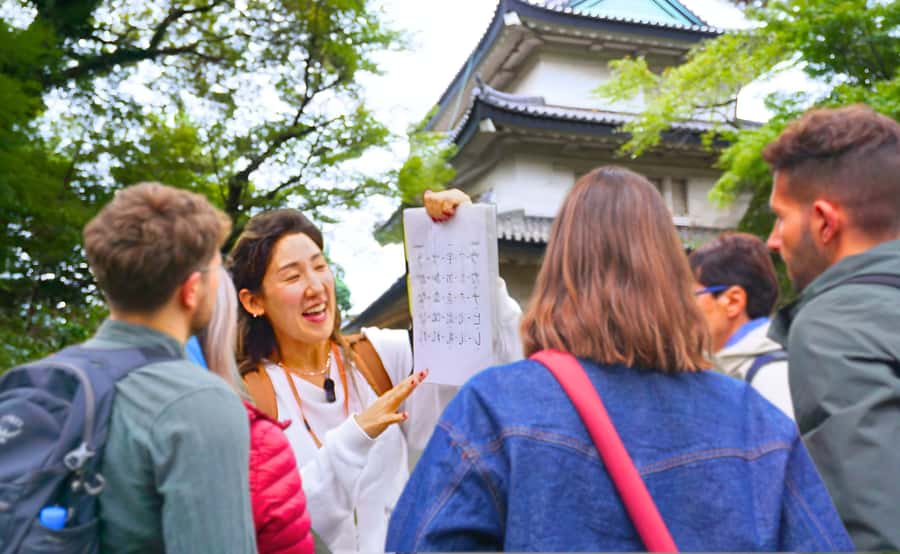
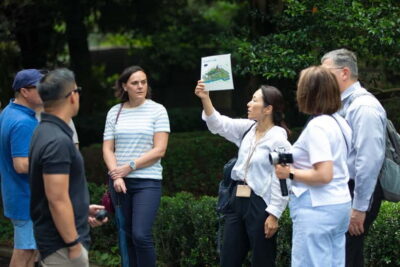
This tour lives and dies by the guide. The best experiences here are clearly the ones where the guide is interactive, clear, and willing to answer questions. That is exactly what repeatedly comes through, with guides such as Mika, Natsumi, Lakki, Alexandre, and Nico named in standout write-ups for being friendly, humorous, and able to explain the history without drowning you in jargon.
You should expect a lot of story structure. The guide explains why the original castle is no longer there, what you are looking at now, and how the palace grounds connect to the Edo Castle footprint. You will also get help with other travel tips if you want them, which is useful when you are planning the rest of your Tokyo days.
It also helps that the tour is offered in English and French. Clear language is the difference between seeing a gate and actually understanding what it symbolizes.
One more perk: the pacing tends to feel relaxed. You are not rushing from one photo stop to the next. You get time to absorb, ask questions, and keep the story moving without feeling like you are being marched.
Price Value at $32, Plus Who This $32 Walk Makes Sense For
At $32 per person, this is one of the more affordable ways to get a guided history lesson inside one of Tokyo’s best-known imperial sites. You are paying for the guide, the organized walk, and the focused route that hits major garden highlights without sending you on a scavenger hunt.
What you get for that price is also practical. Included are beautiful garden time, photo spots, a bamboo forest segment, and the royal koi fish area, all wrapped into an English-speaking narrative about Shoguns footsteps and Japan’s historical power shifts. The guide can also help with travel tips, and you are not on your own interpreting what you see.
What you do not get is equally important. The Inner Palace is not accessible, so do not book this expecting to wander inside the restricted areas. Think of it as an Eastern Gardens history walk, not a full Imperial Palace day pass.
This experience is also not recommended for everyone. It is specifically noted as not suitable for people with mobility impairments, wheelchair users, back problems, low fitness, heart problems, recent surgeries, or pregnancy. If any of those apply, it is worth skipping or finding a different option that matches your mobility needs.
If you are looking for a first-day activity that helps you understand Tokyo’s big eras before you go off on your own, this tour fits well. It also works for history lovers who want less museum time and more outdoor walking with context.
Should You Book This Imperial Palace Japanese History Walk
Book it if you want a guided route that connects imperial and Shogun eras to real places you can walk through, with specific highlights like the Otemon Gate approach, a miniature model of the past, an old samurai house, and the royal koi plus bamboo forest.
Skip it if your top priority is entering the Inner Palace, since access is not part of the experience. Also skip if your mobility or health needs make walking in weather conditions a challenge, since the tour runs rain or shine and is not intended for wheelchair users or people with certain medical limitations.
If you do book, do yourself a favor and show up ready to ask questions. This tour gets better when you treat it like a conversation, not a lecture.
FAQ
Where do I meet the guide?
Meet at a Starbucks close to the Imperial Palace area, in Wadakuramon Fountain Park. Your guide will be holding a sign with the Sunrise Adventure logo.
How do I get there from Tokyo Station or Otemachi Station?
Take the train to Tokyo Station or Otemachi Station, then walk about 5 to 10 minutes to Wadakuramon Fountain Park.
Is the Inner Palace included?
No. Access to the Inner Palace is not included because it is not open to the public.
What will I see during the tour?
You will walk around the Imperial Palace grounds, including stops such as the Otemon Gate area, a miniature model of the past castle, an old samurai house, royal koi fish, gifted trees from across Japan, and a bamboo forest segment.
Does the tour run in rain?
Yes. The tour takes place rain or shine.
What languages are available?
The tour is offered in English and French.
What is included in the $32 price?
The tour includes an English-speaking guide, guided walking history of Japan, beautiful garden time, bamboo forest, one-of-a-kind royal koi fish viewing, photo spots, and help with travel tips.
What items are not allowed during the tour?
Weapons or sharp objects, smoking, drones, alcohol and drugs, skateboards, and making fire are not allowed.
Can I reserve now and pay later?
Yes. You can reserve & pay later, which means you book your spot and pay nothing today.
Is it suitable for wheelchair users or people with mobility impairments?
No. The tour is not suitable for wheelchair users or people with mobility impairments, and it is also not suitable for certain health or fitness conditions listed by the provider.
More Walking Tours in Tokyo


More Tours in Tokyo

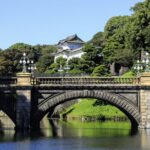




More Tour Reviews in Tokyo


Not for you? Here's more nearby things to do in Tokyo we have reviewed









Imperial Palace Tours, side by side.
 ★ 5.0Imperial Palace and Shogun Historical Walking TourFrom $222,251 reviews
 ★ 4.9Imperial Palace and Shogun Walking TourFrom $16935 reviews
 ★ 5.0Imperial Palace East Garden and Edo Castle Walking Tour in TokyoFrom $25510 reviews
 ★ 4.8Imperial Palace East Gardens Walking TourFrom $19353 reviews
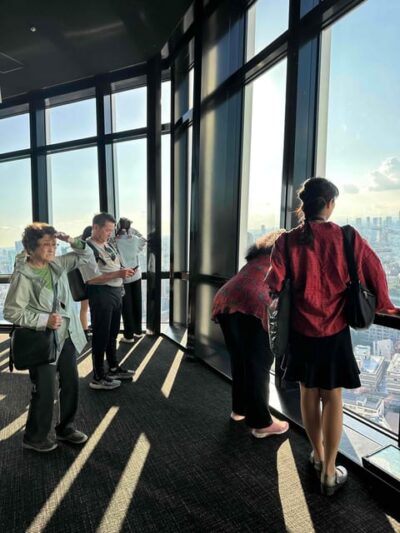 ★ 4.5Imperial Palace, Sensō-ji Temple, & Tokyo Tower TourFrom $40339 reviews
 ★ 5.0Tokyo Castle, Imperial Palace, Shogun & Garden Walking TourFrom $31211 reviews
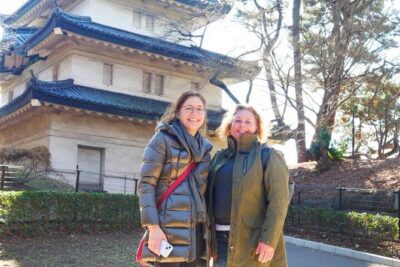 ★ 4.7Edo Castle & East Garden of the Imperial Palace TourFrom $42112 reviews
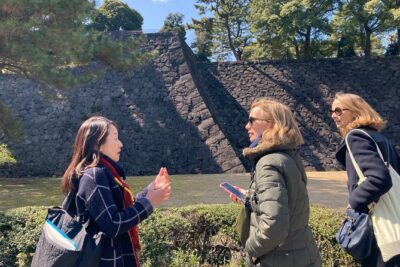 ★ 5.0Tokyo Private Tour! Edo Castle & Imperial Palace East GardensFrom $65105 reviews
This tour also belongs to