
Review · TOKYO SAMURAI EXPERIENCES
Tokyo: Samurai History Walking Tour
Samurai history in Tokyo comes with receipts. This 4 hour walking tour ties together key sites from the samurai era, with a guide who explains the big questions, were warriors honorable or more like street toughs, and why they changed so much over time. I really liked starting right near Tokyo Station and ending at Takanawa Gateway Station, which keeps the route feeling efficient.
Two things I like a lot: you spend real time at the places themselves, Edo Castle (Tokyo Imperial Palace East Gardens) and Sengaku-ji, and the guide stays focused on clear, honest explanations you can actually follow on foot. One drawback to plan around is that this is a fairly long walking stretch for a half day, and while you get public transport breaks, it is still not a sit-down experience.
Key Highlights You Will Actually Use
- Marunouchi Square start makes it simple to reach by train, especially if you are already in the Tokyo Station area
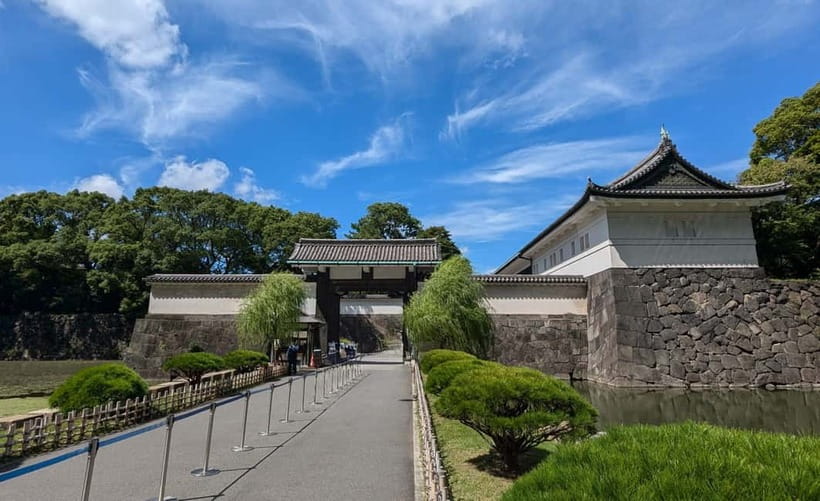
- Edo Castle ruins at Tokyo Imperial Palace East Gardens grounds the story in the heart of power
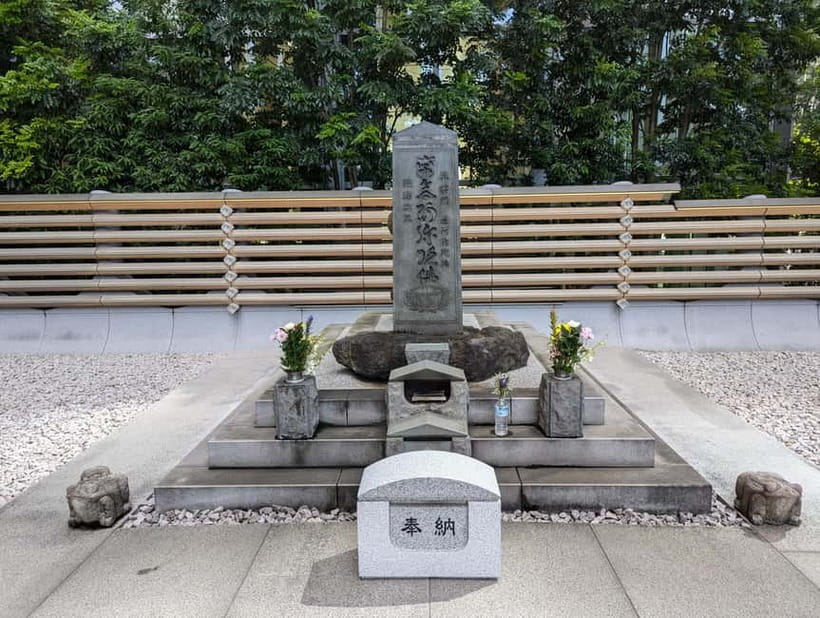
- Taira no Masakado’s Grave adds an early chapter to the samurai timeline, stretching back to the 900s
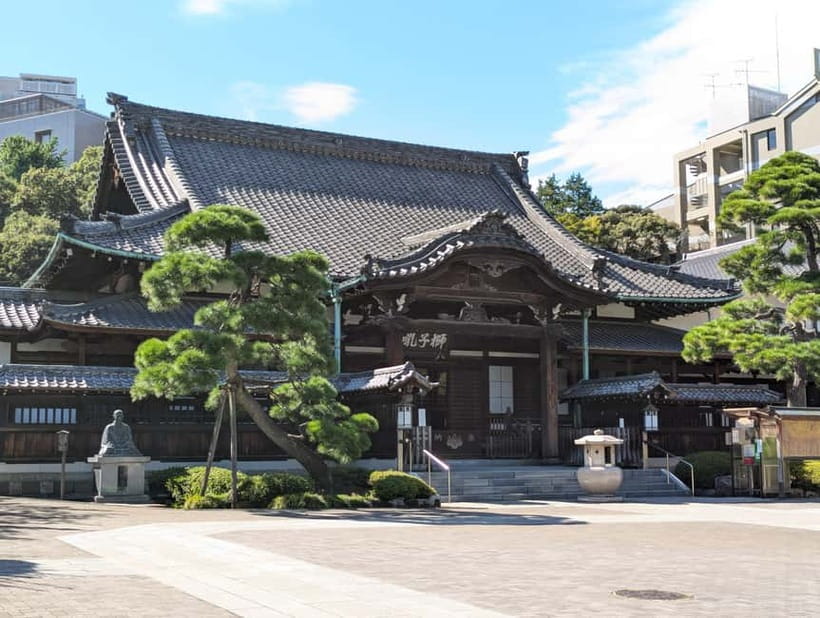
- Sengaku-ji and the 47 Ronin Gravesite connects legend to a physical place you can visit and sit with
- Short guided stops, 4 hours total means you can fit this around other Tokyo plans without losing a whole day
- John’s teaching style lands well with families too, including teenage kids, and he answers questions as you walk
Tokyo Station Area to Samurai Sites: Easy Start, Smart Route
I like tours that start where you already are, or where you can get without stress. This one meets just outside the Marunouchi Central Exit of JR Tokyo Station, in Marunouchi Square. That matters because Tokyo can be confusing when you arrive tired, and a clear start point helps you get your bearings fast.
You begin with a short guided introduction, then you move into the main sites. The pacing is built for a 4 hour block: you get a guided explanation, you see the place, you walk on, and you rest your legs when needed. It also helps that you sometimes take public transport during the tour, which is a practical compromise if your feet get sore.
At the end, you finish at Takanawa Gateway Station. I love finishing in a station area rather than in the middle of nowhere, because it makes your next move easy, whether you are heading back to your hotel, going to another neighborhood, or catching an onward train.
One more small thing I appreciate: the guide, a bald white male named John, uses English, and he is friendly in the way that makes questions feel normal. In the real world, that is the difference between hearing facts and understanding what you are looking at.
If you are visiting with kids, or you just want an approachable historical walk, this tour’s format is a good fit. It is not a slow museum day, but it is also not a rushed photo sprint.
You can also read our reviews of more walking tours in Tokyo


Edo Castle Ruins in Tokyo Imperial Palace East Gardens: Power, Then and Now
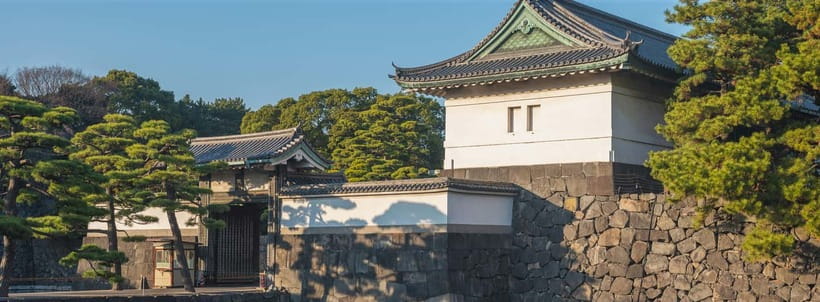
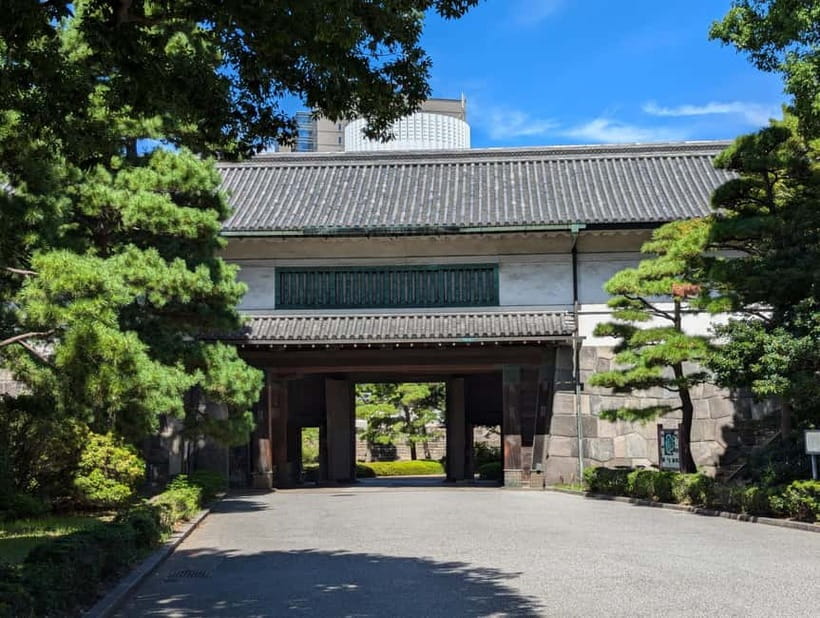
Edo Castle is one of those names that sounds like a textbook until you stand near it. Seeing the Edo Castle ruins in the Tokyo Imperial Palace East Gardens gives you a better sense of scale and importance. Even if you only remember one thing from the samurai era, you will feel why this place mattered.
On this part of the tour, John guides you for about 105 minutes. That longer block is key, because it signals that you are not just “passing through” a landmark. You are building the timeline you will use for the next stops, starting from the broader samurai world and working toward the later changes.
What makes this stop especially valuable is that the tour is not selling a single heroic storyline. The theme is more honest and more complicated: who the samurai were, whether they were honorable or not, how they formed, and how they fell. Edo Castle ruins are the perfect stage for that discussion, because castles and power centers are where legitimacy, control, and conflict collide.
Practical tip: wear shoes you can walk in for a while. This is a walking tour with real time on your feet. If you get tired quickly, the tour can include extra rests, but you should still come ready for steady movement.
Another practical reality: this stop helps you orient the big story, but it is not a shopping stop or a food stop. If you like to snack frequently, grab something at a convenience store before you start. You will be happier for it later.
Taira no Masakado’s Grave: A Direct Link to the Early Samurai Question
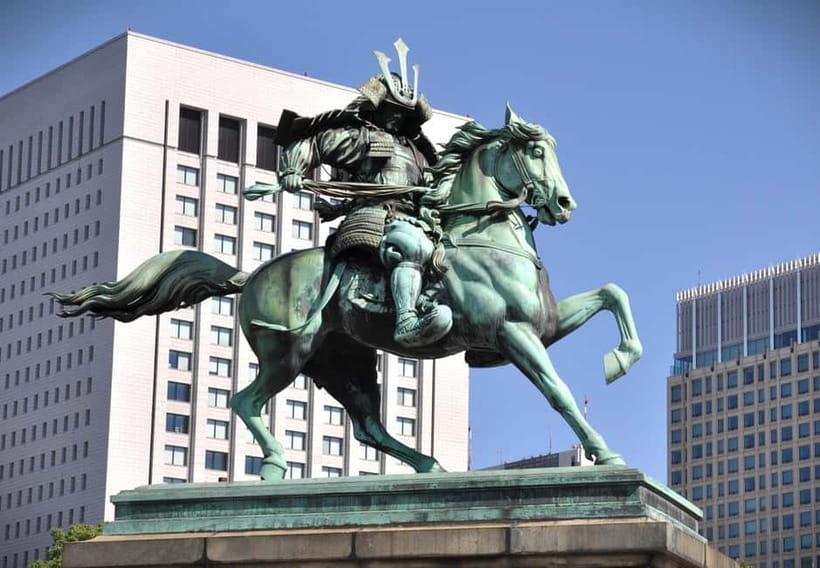
Not all samurai stories start with the most famous names. The tour includes Taira no Masakado’s grave, a stop that gives you an early anchor for the samurai timeline, the tour frames the beginning in the 900s.
I like graveside stops in walking tours when they are handled with respect, because they shift history from debate to place. Even if you do not know the background before you arrive, the act of visiting a gravesite connected to the narrative makes the story feel less abstract.
This stop also supports the bigger theme of the tour: the questions. Were samurai virtuous and honorable, or did the label cover people acting like thugs? How did the samurai idea appear, and how did it change? By including a site tied to an earlier chapter, the tour encourages you to see the samurai era as a process, not a single moment.
Time-wise, this is part of the guided flow between the big power site and the later, more famous temple stop. That sequencing matters. If you jump straight to later legend, early origins can feel fuzzy. Here, you get a chance to connect the dots while you are still fresh from the first major historical ground.
One caution: you might want to be mentally ready for a story that is not all glory. The tour is set up to be “honest,” which for history means you will hear nuance, not just applause.
If you are traveling with older teens or curious adults, this is a strong stop for questions. John has a reputation for answering them as you walk, instead of brushing them off for time.
Sengaku-ji and the 47 Ronin Gravesite: The Story Has a Location
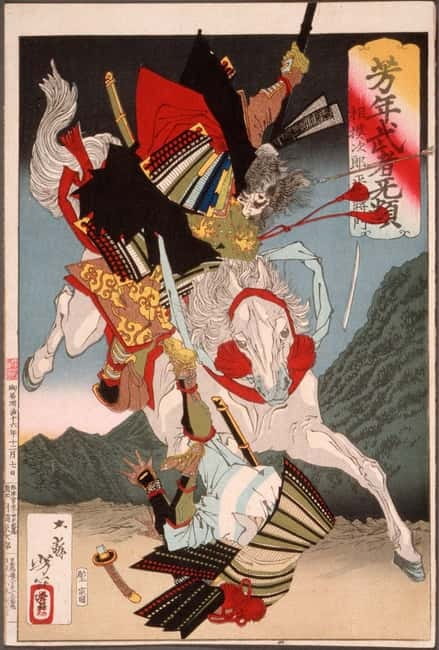
Sengaku-ji is the kind of place where you can feel the weight of reputation. Here, you visit the Sengaku-ji temple area connected to the 47 Ronin gravesite. This is a major highlight, and the tour spends about 1 hour here.
I like that the tour gives you time to actually experience the temple space, not just line up for a quick checkmark. Temple grounds are where you slow down naturally, even when you planned for a walking schedule. That hour feels like enough to take things in, then ask follow-up questions.
There is also a practical side to plan for: Sengaku-ji’s cemetery and museum areas can have separate entry fees. The cemetery and museum have charges listed as 300 yen and 500 yen respectively. You will want to budget for that if you plan to go into both.
Also plan for the pace. If you are not used to walking tours, this is the part where your feet may start to complain, but you are close to wrapping up. The combination of a historical story and a physical site makes it more memorable than reading the same summary later.
One more thing: the tour’s theme keeps you grounded. It is not only about the 47 Ronin as a famous tale. It also uses the site to talk about what samurai identity meant, and how the story of the samurai era comes to an end. The tour specifically frames the end in 1868, so you should leave Sengaku-ji with a clearer sense of why the era ends, not just what happens in the middle.
John’s approach helps here. Multiple stops build toward the same core idea, and the guide keeps it focused. If you like history that answers questions instead of just listing names, this part is likely to click for you.
How the Tour Makes Samurai History Make Sense: Honor, Power, Collapse
The tour sells itself with big questions, and it does not dodge them. It asks what samurai really were, how they emerged, and how they fell. It runs through the era from the 900s to the demise in 1868, using Tokyo sites as your timeline.
That structure is what you will feel in your head by the end. Instead of collecting random facts, you get a guided storyline anchored in visible places. Tokyo is perfect for this, because you can walk through chapters of Japanese history in one afternoon, without needing to jump between regions.
I also appreciate that the guide emphasizes an honest explanation. That matters when you are trying to separate polished myth from messy reality. Samurai history can sound like a costume drama, but the tour encourages you to ask what behavior and social systems produced the label “samurai,” and what conditions led to their decline.
How does that help you as a traveler? It makes the experience more than tourism. When you leave a castle site, then a gravesite, then a famous temple, you start to see how power works and how stories get built around it. Even if you came only for the 47 Ronin connection, you end up with a broader understanding of why that story fits into a longer rise-and-fall arc.
The pacing also helps. You get a short introduction, then a longer power-era stop, then additional key sites, then a final temple visit. It is a compact history arc that fits a day without ruining your evening plans.
If you like learning on the move, and you enjoy asking questions, this tour is built for you. If you hate any walking at all, you might find it tiring, even with public transport breaks.
You can also read our reviews of more historical tours in Tokyo




Price and Value: What $33 Buys You in Real Terms
The price is $33 per person, and the guide fee is included. In practice, that means you are paying for the guide and the 4 hour experience, not paying for every single site cost up front.
That is generally good value in Tokyo, where standalone museum time and guided services can add up. The tour also includes occasional public transport, and you should expect transport costs of around 400 yen per person. In addition, Sengaku-ji has separate entry fees for the cemetery and museum, 300 yen and 500 yen each.
When I judge value, I look at what you get for the money. Here, you get:
- A live English guide for about 4 hours
- Multiple key sites tied to samurai history
- A structured timeline you do not have to assemble yourself
- A finish at a major station area for an easy exit
If you were to do this alone, you would still pay some entry fees and spend time figuring out routes and how to connect the story. Paying for John’s explanations saves you that effort, especially if you want the “why” and not only the “what.”
One more value note: the reviews reflect that the guide is friendly, answers questions, and works well with families, including teenage kids. That consistency is hard to fake. When a guide can keep both adults and teens engaged, the tour tends to feel more worth it.
Who Should Book This Tokyo Samurai History Tour
This is best for you if you:
- Like history you can walk through, not history you only read
- Want an English guide who explains context and answers questions
- Prefer a half day plan that still feels meaningful
- Are traveling with older kids who can handle a longer walk
It might not be the right fit if:
- You tire easily and need frequent rest breaks
- You use a wheelchair, since the tour is not suitable for wheelchair users
- You are over 95, since it is not recommended for people over that age
If you want a low-effort start, the Marunouchi Square meeting point makes it easy. If you want an end that does not trap you, finishing at Takanawa Gateway Station keeps your options open.
Should You Book It?
I think you should book this tour if your idea of a great day in Tokyo includes a guided story, real sites, and a timeline that makes the samurai era feel understandable. The value is strong because you are paying mainly for John’s teaching, and you get multiple major locations without needing to plan the route like a project.
Book it now if you want the Edo Castle East Gardens connection, the Sengaku-ji 47 Ronin gravesite time, and a guide who stays friendly and responsive. Just come prepared for walking, and budget a little extra for the temple fees and transport.
If you are unsure, ask yourself one question: do you want samurai history as a guided narrative, or as isolated stops you piece together alone? If you want the guided narrative, this is a solid choice.
FAQ
Where does the tour start?
The tour meets outside the Marunouchi Central Exit of JR Tokyo Station, in Marunouchi Square.
What time and how long is the tour?
It runs for about 4 hours.
Where does the tour end?
The tour finishes at Takanawa Gateway Station.
Is the tour fully walkable?
It is a walking tour, but you will take public transport occasionally to rest your legs.
What does the price include?
The price includes the guide fee and one knowledgeable and friendly guide.
What extra costs should I expect?
You should expect public transport costs around 400 yen per person, plus Sengaku-ji entry fees for the cemetery and museum (300 yen and 500 yen each).
Who is this tour not suitable for?
It is not recommended for wheelchair users, and it is not suitable for people over 95 years.
More Walking Tours in Tokyo


More Tours in Tokyo






More Tour Reviews in Tokyo


Not for you? Here's more nearby things to do in Tokyo we have reviewed












Tokyo Samurai Experiences, side by side.
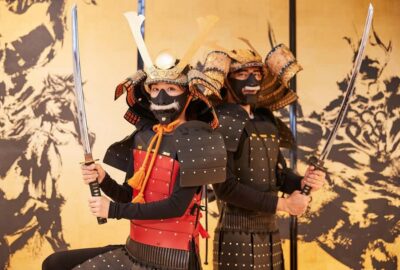 ★ 4.6Samurai Ninja Museum Guided tour and ExperienceFrom $271,010 reviews
 ★ 5.0Samurai Sword & Archery Class from Samurai DescendantFrom $193603 reviews
 ★ 5.0Best Samurai Experience in TokyoFrom $65458 reviews
 ★ 5.0Ninja Experience (Family Friendly) at Samurai Ninja Museum TOKYOFrom $47441 reviews
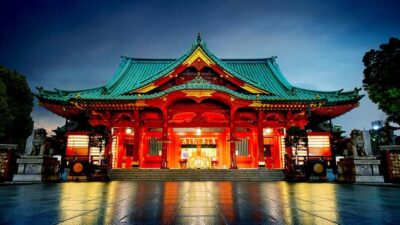 ★ 4.6Samurai Entertainment Night Show in Kanda ShrineFrom $41417 reviews
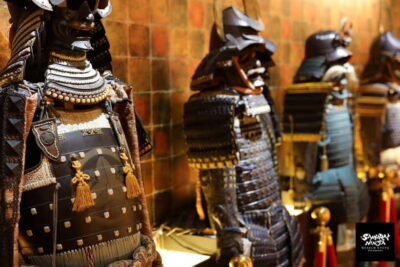 ★ 4.8Samurai Ninja Museum Asakusa: Samurai Sword Lesson & TourFrom $63306 reviews
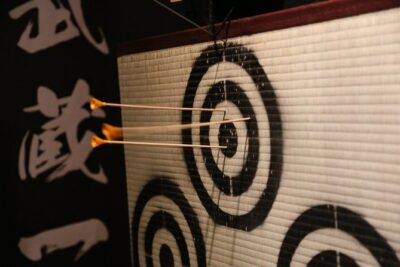 ★ 5.0Ninja Samurai 2-hour hands-on lesson by Japanese master in TokyoFrom $86194 reviews
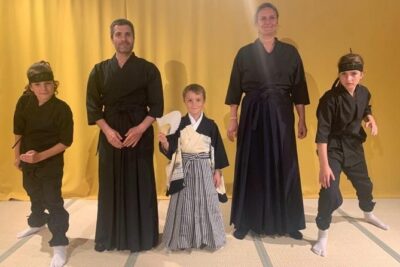 ★ 5.0Samurai Sword Experience (Family Friendly)at SAMURAI MUSEUM TOKYOFrom $65168 reviews
This tour also belongs to