
Review · TOKYO CITY TOURS
Tokyo: Wagyu and 7 Japanese Dishes Cooking Class
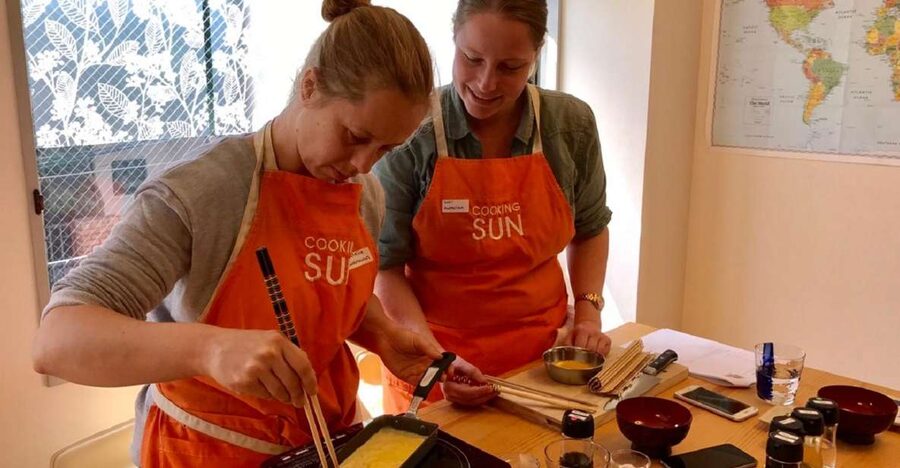
Wagyu meets home-style cooking. In this Tokyo class, you learn a full Japanese menu with a friendly English-speaking instructor and taste tender Wagyu hot off the stove. It’s the kind of experience that turns Japanese food from menu descriptions into real skills you can repeat.
I really like the teaching style: clear step-by-step guidance in a small group of up to 8, with explanations of why ingredients work the way they do. I also love the practical payoff, you end up eating everything you make, and you leave with recipes and sensible tips you can actually use later.
One possible drawback to plan for: the studio sits in a residential neighborhood, so the meeting point can take a minute to find, and the class does not include hotel transportation.
Key things to know before you go
- Small group, big hands-on time: limited to 8 participants, so you are not stuck watching.
- Wagyu is the star course: you cook a Japanese beef dish, then eat it as part of a full meal.
- Dashi and miso basics show up in the menu: you work with foundational flavors like dashi stock.
- You get more than cooking: instructors explain cultural context and ingredient choices while you cook.
- A clean, well-prepared studio: equipment and workspace are set up for smooth cooking.
- Residential location needs a plan: use the provided entrance and intercom instructions to avoid stress.
Why This Wagyu Cooking Class Feels Like Tokyo at Kitchen Level
If Tokyo feels overwhelming, cooking classes can cut through the noise fast. This one is set up as a hands-on, sit-and-eat experience where you go from chopping and mixing to tasting a complete Japanese meal in about 3 hours.
The biggest win is how the instruction stays practical. You are not just shown a dish and sent on your way. You are guided through each step, and instructors like Yuki, Yuko, Aya, Kaori, and Bifuka are mentioned across recent classes as friendly, patient, and encouraging presences.
You also get a real flavor education. Japanese cooking here is built around a few core ideas, like making dashi from scratch and using miso in a way that makes sense. That means you leave with more than dishes, you leave with a framework for Japanese home cooking.
You can also read our reviews of more cooking classes in Tokyo


Finding the Studio in Shinjuku: The One Detail That Can Trip You Up
The meeting point is in a residential area, and that is exactly why it feels local. It is also why you should plan for navigation instead of assuming it will be obvious.
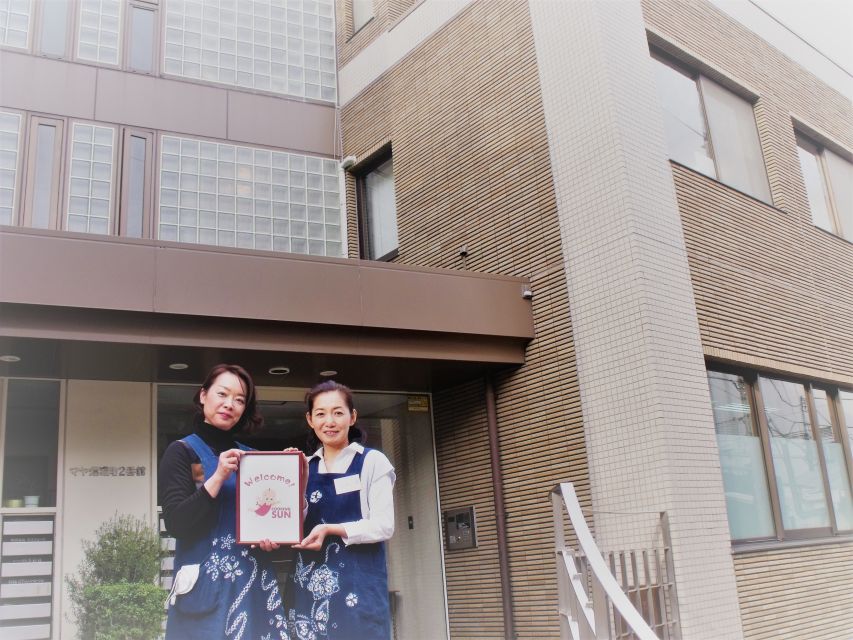
You meet on the 2nd floor of a beige residential building. At the entrance, look for two doors and use the right-side door that leads to the studio. If you need to call, you press 314 on the intercom.
If you have Wi-Fi, use Google Maps and search for Cooking Sun Tokyo (Shinanomachi 18-39, Shinjuku-ku, Tokyo). If you do not have Wi-Fi, do the directions prep in advance and check the detailed directions on the activity website before you head out.
Also note this: hotel pickup and transportation are not included. So you will want to arrive under your own steam, with enough buffer time to get settled.
What You Cook: A Full Menu of 7 Japanese Dishes Plus Sweet Finish
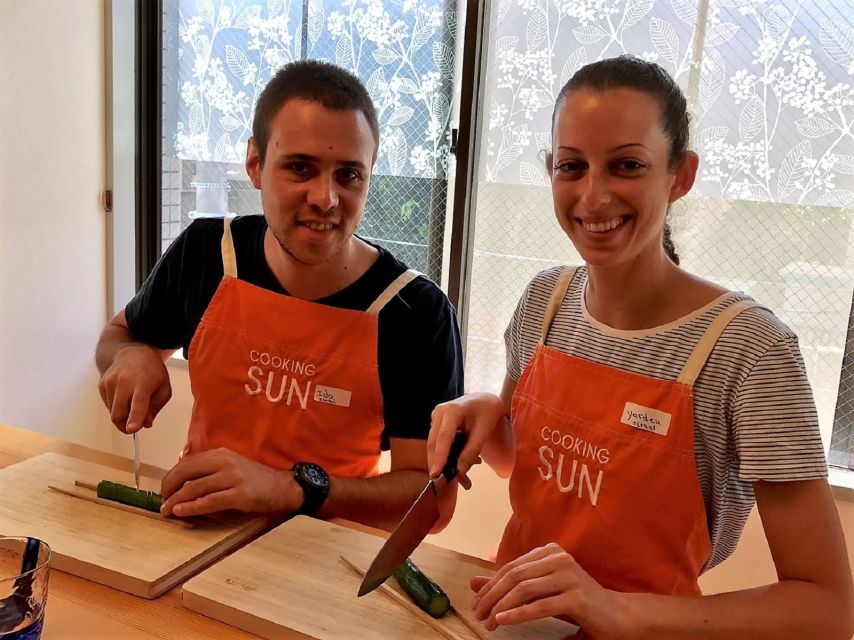
The class is described as cooking a full-course Japanese meal, covering about 2.5 hours of cooking plus time to eat. In total, you work through 8 dishes, with Wagyu as the headline ingredient.
Menus can vary, but the dishes you will likely cook in this format include a mix of savory starters, soups, vegetables, meat, tofu, and a dessert-style sweet. Based on recent class examples, here are some items you can expect to encounter:
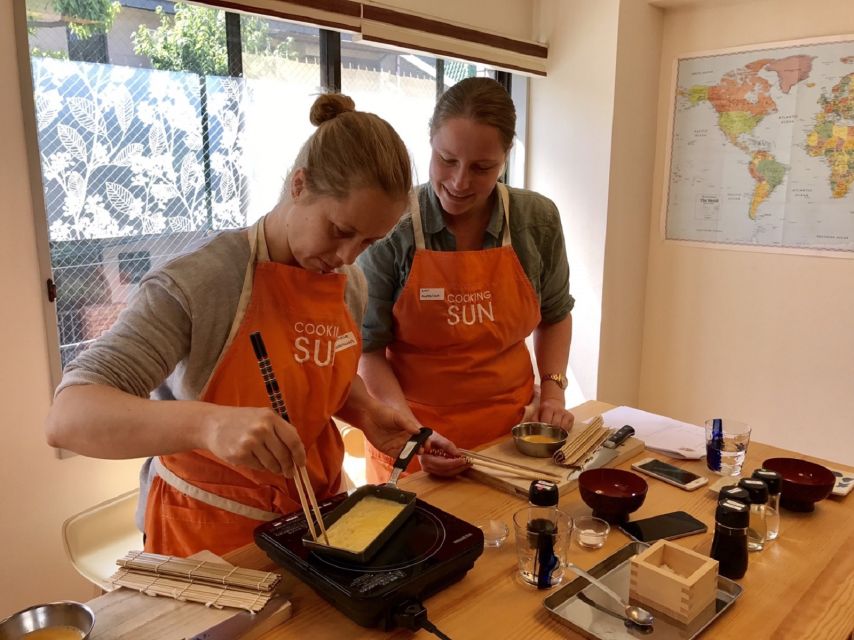
- Miso soup with dashi made from scratch: you learn how the stock base matters, and you get a hands-on feel for foundational Japanese flavor.
- Rolled egg omelette: a technique-forward dish where timing and texture matter.
- Accordion-cut cucumber salad: a simple method that looks smart and tastes fresh.
- Sesame potato salad: creamy, nutty, and comforting, with flavors that make sense once you see the mix.
- Stuffed tofu with ground chicken, ginger, and edamame: a hearty protein dish that teaches stuffing and seasoning balance.
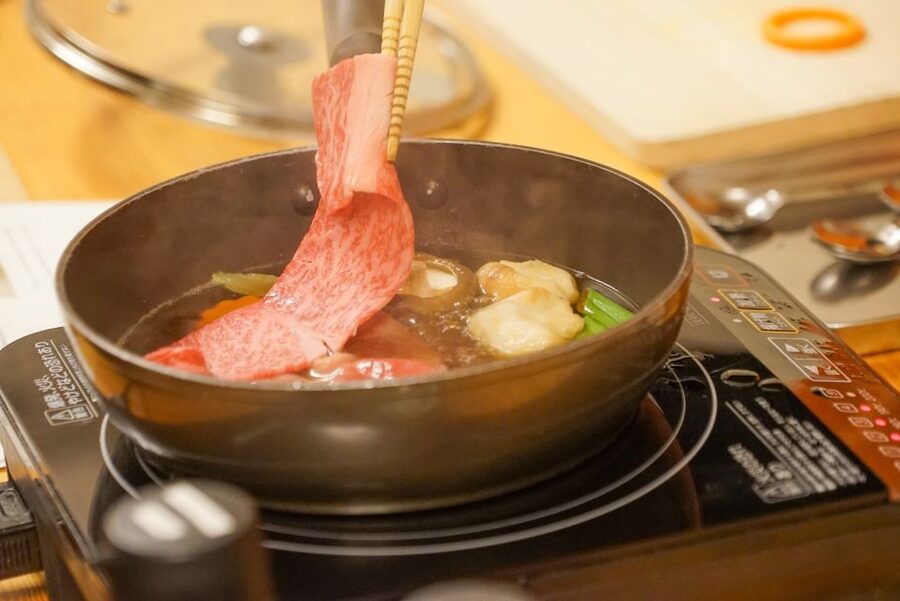
- Sukiyaki Wagyu hotpot: the signature course, where tender beef meets sweet-salty Japanese comfort food.
- Dorayaki-style pancakes: a Japanese sweet ending that helps the meal feel complete.
Why this mix is such a good idea: it covers several Japanese cooking approaches, not just one type of dish. You will touch dashi, miso, hotpot cooking, knife technique for presentation, and dessert-style batter work.
Wagyu and the Flavor Engine: Dashi, Miso, and Heat Control
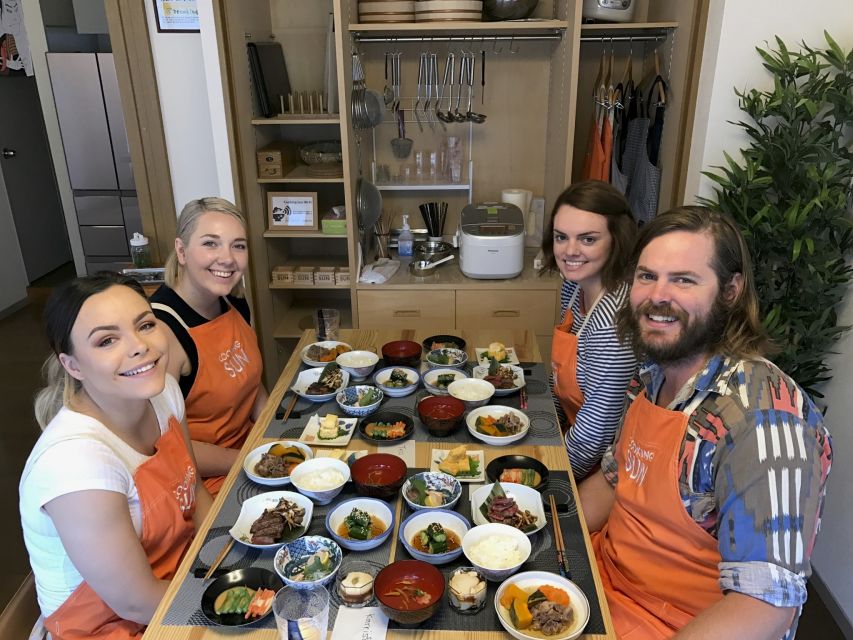
Wagyu is the obvious highlight, and it earns it. The whole point is that the beef tastes rich and juicy, especially when cooked in a Japanese-style hotpot format like sukiyaki.
But the more useful part is what surrounds the beef. Japanese food often feels subtle in restaurants, yet it is doing serious work underneath. In this class, you learn how flavors are built.
Dashi is a big theme. You make it from scratch for the miso soup, and that helps you understand why Japanese dishes taste layered instead of just salty. Then miso enters the story, and you even get clarity around differences like white versus red miso, which can change the final taste.
You also learn heat control. Hotpot cooking is not just about throwing ingredients in. It is about timing, simmering, and keeping the texture right so everything tastes intentional.
And yes, the food is supposed to be delicious at the end, not just educational. One repeated theme from recent participants is that everything turned out tasty, with fresh ingredients and well-executed recipes.
How the Lessons Work: Step-by-Step, Beginner-Friendly, Not Babying You
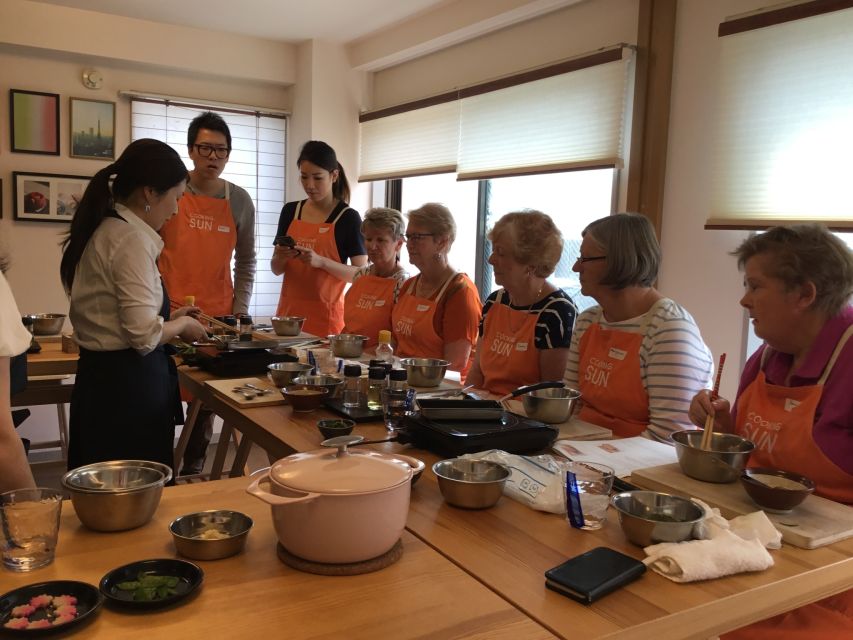
This is small-group instruction, limited to 8 participants. That matters more than people expect. With fewer people, instructors can correct hand positions, adjust seasoning, and help when a step goes off the rails.
The pace is hands-on but approachable. Recent feedback calls out that the class is suitable for beginners and not overly difficult. At the same time, you still learn real technique, like how to roll an egg omelette and how to cut cucumbers into a neat accordion style.
One useful reality check: if you are looking for intense advanced cutting drills or hardcore culinary training, you might find this class aims more at Japanese home cooking than professional-level mastery. The upside is that the dishes are designed to be replicable, even if your kitchen confidence is still building.
Instructors also add context as you cook. People mention history and cultural significance tied to dishes and ingredients. That is why the class does not feel like a cooking video where you only mimic steps. You learn what you are doing and why it tastes Japanese.
More Tokyo tours and experiences for the shortlist




Clean Studio, Real Tools, and Practical Tips for Taking It Home
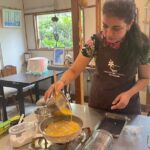
One of the most comforting parts is the setup. Participants repeatedly note a clean, bright studio space and well-prepared equipment, including quality knives and pans. You get the kind of workspace where you can focus on cooking instead of fighting chaos.
You also get supportive basics that make cooking feel lighter. Towels and aprons are provided, and a welcome tea is part of the start. Everything else needed for the dishes is included, including ingredients and utensils.
The recipes you take home are part of the value. You are not leaving with vague memories like I think it was sweet. You leave with written instructions and sensible tips, plus guidance on substitutions when needed.
Dietary needs can be accommodated too. If you have allergies, gluten-free needs, religious dietary restrictions, vegetarian preferences, or similar requirements, you should inform the team during booking. They are happy to substitute ingredients as needed.
That matters because it turns the class from a one-time experience into something you can repeat safely at home.
Lunch You Cook: Eating Together, Not Just Cooking for Cooking’s Sake
After cooking, you sit down and enjoy everything you prepared. This is not a token taste. You get a full meal feel, with multiple courses coming together in sequence.
That matters for motivation. The meal tastes better when you understand the work that built it. It also makes the whole 3 hours feel efficient, you are not waiting around for a later restaurant meal.
Another nice detail is the atmosphere. Recent feedback describes a warm, friendly homey vibe. Even if you are a solo traveler, you can feel comfortable in the group setting.
Small-group eating also means you get to compare notes with others. If you are curious how their version turned out, you will get easy conversation without forcing it.
Price and Value: Why $67 Can Make Sense in Tokyo
$67 for a 3-hour cooking class is not just a “cheap fun activity.” You are paying for several things at once:
- instructor-led hands-on training in English
- all ingredients and cooking tools
- a clean workspace designed for cooking
- towel and apron rental plus welcome tea
- recipes you take home
- and a full meal you cook and eat
In Tokyo, food is already a paid experience. This class swaps the usual approach of paying to taste for paying to learn and eat. If you are the type who buys cooking ingredients after travel anyway, this becomes even better value because you get the roadmap.
The Wagyu course is the standout. Even if you compare it to a restaurant, cooking it yourself with the surrounding techniques gives you a better mental model of what makes it taste right.
If your budget is tight, it still can be worth it because you get both the meal and the skill. If you already hate cooking, then the value drops. But if you are even mildly curious about Japanese food basics, it is a strong use of time.
Who This Class Suits Best in Tokyo
This works well if you fall into any of these buckets:
- You want a beginner-friendly entry into Japanese cooking that still feels legit.
- You like hands-on activities more than museum-style sightseeing.
- You want a cozy, local-feeling experience in a residential part of Tokyo.
- You are traveling as a couple or solo, because the group is small and the vibe is welcoming.
- You want recipes and techniques you can bring back to your own kitchen, especially basics like dashi and miso.
It is also a solid choice early in your trip. Learning Japanese cooking foundations early can make the rest of your food choices feel more intentional, not just random wandering.
Quick Practical Notes Before You Go
This class is English-taught and instructor-led. The group is limited to 8 participants, which helps keep the flow organized.
If you have dietary requirements, mention them when you book. Substitutions are offered, so communicate early.
Since transportation is not included, plan your arrival time based on the residential meeting point. Give yourself extra time to find the right door on the 2nd floor and to settle in.
Should You Book Cooking Sun Tokyo for Wagyu and 7 Dishes?
I would book this if you want real Japanese cooking skills with a tasty Wagyu payoff. The mix of dishes, the small-group attention, and the “cook, then eat everything” format make the class feel worth your time, not like a rushed checklist.
I would hesitate only if you strongly prefer sightseeing with no cooking involved, or if you expect high-level chef-style training with advanced knife drills. For most people who want a fun, practical Tokyo food experience, it is a smart bet.
FAQ
How long is the Wagyu and 7 Japanese Dishes cooking class?
The class is listed as 3 hours, and it includes about 2.5 hours of cooking plus time to sit down and enjoy what you made.
Is the class hands-on?
Yes. You prepare a full-course Japanese meal with step-by-step guidance, then eat everything you cook.
What dishes do we make in the class?
You cook a set of traditional dishes totaling 8 in total, with Wagyu as the highlight. Dishes mentioned include dashi-based miso soup, rolled omelette, cucumber salad, sesame potato salad, stuffed tofu, sukiyaki Wagyu hotpot, and a Japanese sweet like dorayaki.
What’s included in the price?
Recipes, all ingredients and utensils, towel and apron rental, and welcome tea are included.
Is hotel pickup or transportation included?
No. Hotel pickup and transportation are not included, so you will need to get to the studio on your own.
Is the instruction available in English?
Yes, the instructor speaks English.
How big is the group?
It is a small group limited to 8 participants.
Is it okay if I have dietary restrictions?
Yes. The team can substitute ingredients as needed for allergies, gluten-free diets, religious restrictions, vegetarian preferences, and more. Tell them when you book.
Where exactly is the meeting point?
The studio is on the 2nd floor of a beige residential building in a residential area. Use the right-side entrance door to access the studio, and if calling is needed, press 314 on the intercom. You can find it on Google Maps by searching Cooking Sun Tokyo (Shinanomachi 18-39, Shinjuku-ku, Tokyo).
More Workshops & Classes in Tokyo
More Cooking Classes in Tokyo
More Tour Reviews in Tokyo





Not for you? Here's more nearby things to do in Tokyo we have reviewed








Tokyo City Tours, side by side.
 ★ 5.01-Day Tokyo Bus TourFrom $12914,250 reviews
 ★ 4.5TOKYO SKYTREE® Admission ticketFrom $1311,192 reviews
 ★ 4.6teamLab Planets TOKYO Digital Art Museum Entry TicketFrom $259,779 reviews
 ★ 4.0Mt Fuji & Hakone Cruise, Drum Show Bullet Train 1 Day from TokyoFrom $1497,413 reviews
 ★ 5.0Shinjuku Food Tour (13 Dishes at 4 Local Eateries)From $866,603 reviews
 ★ 4.4Tokyo Mt Fuji 5th St & Hakone Cruise Bus Tour w/Bullet TrainFrom $1545,024 reviews
 ★ 5.0Flagship 2-Hours Official Street Go-Kart Tour – Tokyo Bay ShopFrom $644,974 reviews
 ★ 4.5From Tokyo: Mount Fuji Full-Day Sightseeing TripFrom $684,970 reviews
This tour also belongs to