
Review · KAMAKURA DAY TRIPS
Kamakura Full Day Tour with Licensed Guide and Vehicle from Tokyo
Kamakura is a fast getaway from Tokyo. This private full-day tour trades train transfers for a licensed local English-speaking guide and door-to-door time in and around Kamakura’s temples, shrines, and beach. You get that sea-air feeling, plus iconic sights like the Great Buddha and the walkable shopping stretch on Komachi Street.
What I like most is the private vehicle that keeps your day efficient, and the fact you can steer the day toward 3 to 4 of Kamakura’s best stops. A licensed guide also helps you see what matters, so you do not just wander temple grounds.
One thing to consider: the exact route is customizable, and the guide’s English experience can vary. This tour is sold as English speaking, but I’d still be clear about your expectations for communication.
Key points to know before you go
- Private car from Tokyo: travel time is about an hour each way, and the day runs about 8 hours total.
- Pick 3 to 4 stops: you can focus, instead of trying to cram everything in.
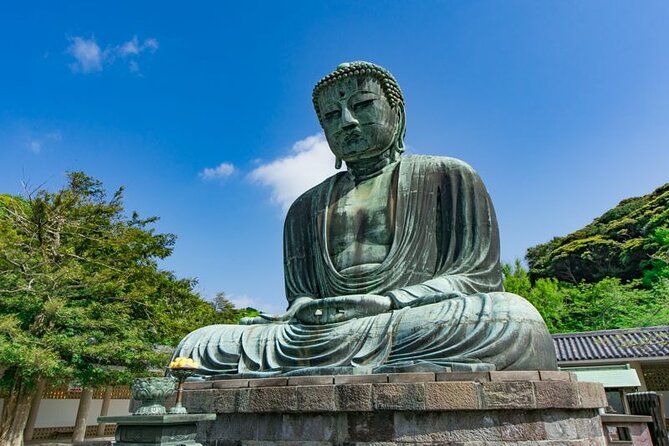
- Temples with big wow factors: Hasedera’s large wooden Kannon and Kotokuin’s towering Great Buddha.
- Zen gardens and quiet moments: Kencho-ji’s vast grounds and Hokoku-ji’s bamboo grove with a matcha tea option.
- Free time for the shore and shopping: Yuigahama Beach, plus Komachi Street near Tsurugaoka Hachimangu.
- Admission fees are mostly extra: plan on paying for temple entries and skip the mystery at the gate.
Price and logistics: what the money really buys
This is priced at $1,026.90 per group (up to 4 people). On paper, that sounds steep. In practice, you are paying for three things that matter in Japan: (1) a private vehicle, (2) a government-licensed guide, and (3) a plan that respects time.
Kamakura is close to Tokyo, but getting it “right” takes more than just showing up. If you want temple highlights in one day, the car helps a lot, especially when you are balancing walking, seasonal crowds, and the reality of traffic. The tour runs about 8 hours total, and that total includes the Tokyo to Kamakura travel time. So you are not wasting half your day commuting.
You also get a mobile ticket and pickup is offered. The vehicle details are not something you can choose in advance, and car seats are limited. Rear-facing car seats are not available, so if you need one, contact the operator directly. Service animals are allowed, which is worth noting if you travel with a companion animal.
Finally, keep in mind that tour details can change due to traffic conditions, and you should build your expectations around a smooth, guided day rather than a rigid minute-by-minute itinerary.
A temple-and-sea route, stop by stop
A solid Kamakura day mixes three textures: big icon temples, Zen calm, and a walkable human street like Komachi-dori. Your guide will match the route to your interests, but here is what each major stop gives you.
You can also read our reviews of more guided tours in Tokyo

Hasedera Temple for big Kannon vibes and garden views
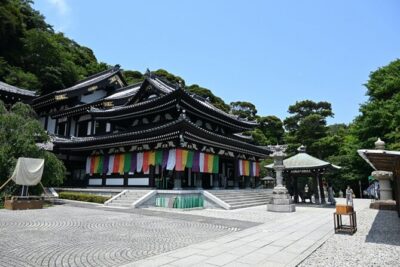
Hasedera (長谷寺) is known for its 11-headed Kannon statue (about 9.18 meters tall) housed in the Kannon-do Hall. The scale is the point. This is a temple where the main hall matters, and you can feel why it is a headline stop.
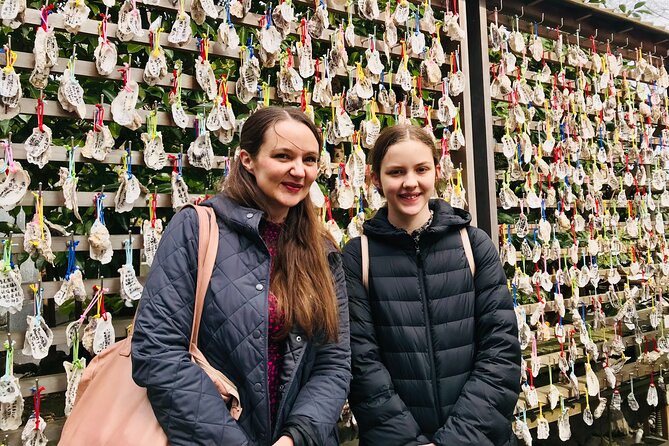
Expect about 1 hour here. Admission is not included, so plan to pay at the site. What makes this stop worth your energy is the combination of sculpture plus garden-style atmosphere, the kind that makes you slow down even if the schedule is tight. Also, the tour overview mentions an oyster-shell wish tradition, which you may encounter during one of these temple moments.
Kotoku-in Great Buddha for the sheer icon
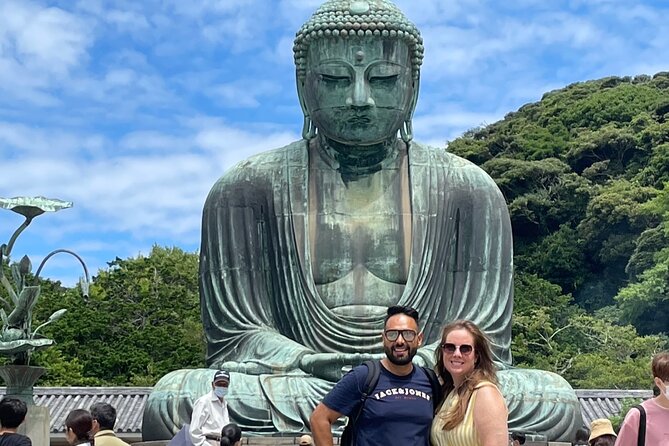
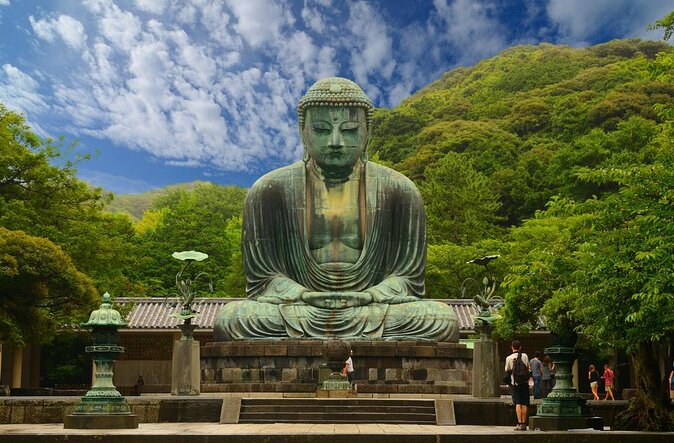
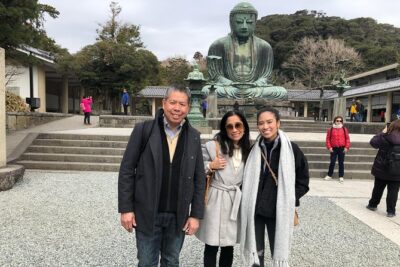
If you want one “wow, I get it now” landmark, it is the Great Buddha of Kamakura at Kotokuin Temple. The bronze Amida Buddha stands about 11.4 meters tall. It is an icon of the area, and it is famous enough that it can feel like a postcard until you see it in person.
Expect about 1 hour and note that admission is not included. The practical bonus here is that the stop is straightforward: you have a clear target, you get your photos, and you move on with the rest of your day intact.
Kencho-ji Temple for real Zen temple layout and a national treasure bell
Kenchō-ji (建長寺) is one of Kamakura’s major Zen temples, often described as the top among the five great Zen temples. It started in 1253, and the grounds spread from the valley entrance up into forested hills. That layout matters. You are not just touring one building, you are walking a temple complex.
Expect about 30 minutes. Admission is not included. One detail I appreciate here is the Bonsho bell, which is designated a national treasure and sits near the Sanmon main gate. Even if you are not a bell person, this gives you a “this is important” anchor point so your time feels purposeful.
Tsurugaoka Hachimangu Shrine for samurai-era meaning and easy atmosphere
Tsurugaoka Hachimangu is dedicated to Hachiman, the patron god of the Minamoto family and samurai tradition. The shrine connects multiple figures too, including deified spirits associated with Emperor Ojin and others identified with Hachiman traditions. If you want the samurai-story side of Kamakura, this is your stop.
Expect about 1 hour. Admission is free. Practically, this is a good anchor in the middle of the day because the time frame is comfortable and it links nicely to the nearby shopping areas.
More Tokyo tours and experiences for the shortlist
Hokoku-ji for the bamboo grove, matcha break, and quiet caves
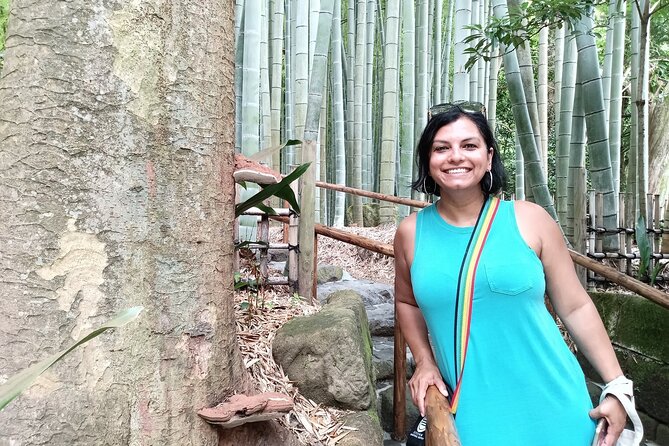
Hokoku-ji is famous for its bamboo grove behind the main hall, with over 2,000 bamboo stalks. Dark green, tight space, and narrow pathways create that unmistakable bamboo-garden mood.
Expect about 1 hour, and admission is not included. There is also a tea house where you can sit with views into the grove. The tour notes a small fee for matcha tea, which is a nice way to make this stop feel like more than a photo stop.
Behind the temple, there are shallow caves carved into the hillside, believed to hold ashes of later Ashikaga lords. That is the kind of detail a guide can help you understand without turning the day into a lecture.
Yuigahama Beach for the sea-air reset
After temples, you likely want a breathing space. Yuigahama Beach is one of Kamakura’s main beaches. The good part: it is big and flat. The practical part: it is a short walk from Kamakura Station. That makes it a convenient “reset” stop.
Expect about 30 minutes. Admission is free. The catch is obvious from the description: it can be very crowded, so treat it as a quick coastal pause rather than a peaceful beach day. If you go on a busy day, keep your expectations realistic and aim to enjoy the sea air, not solitude.
Komachi Street for food hits and souvenir browsing near the shrine
Komachi-dori runs from near Kamakura Station toward Tsurugaoka Hachimangu. It is one of the most practical places to combine snacks, small shopping, and people-watching without needing a big commute.
Expect about 1 hour. Admission is free. If you like trying local food, this is where you can look for hatobasabu (dove-shaped) biscuits and other quick bites. One of the nice things about pairing Komachi Street with temple time is that it gives your feet and stomach a break without wasting your sightseeing window.
Eishoji Temple for a short, calm capstone with a bamboo angle
Eishoji Temple (英勝寺) is described as the only surviving nunnery in Kamakura. It is also known as a flower temple and includes a peaceful bamboo grove, plus an Amida Buddha statue said to be associated with sculptor Unkei.
Expect about 10 minutes. Admission is not included. This stop works as a gentle finale if your feet are getting tired. It is short enough that it does not mess with the rest of your day, but it adds variety to the temple mix.
Timing, crowds, and how to keep the day from feeling rushed
Because the day runs about 8 hours including travel, your real experience depends on how long each stop takes on the ground. The durations listed for each site are helpful, but in practice you will feel whether you chose 3 stops or 4 stops.
Pick based on your vibe:
- If you like iconic landmarks and photos, balance Great Buddha with one or two garden or Zen stops.
- If you prefer atmosphere, lean into Hokoku-ji’s bamboo and one of the shrine or nunnery moments.
- If you want shopping and snacks, plan Komachi Street so you are not scrambling for food after a long temple walk.
Weather also matters. The tour is noted as requiring good weather. If it rains, you might get offered a different date or a refund, so check forecasts, but also do not assume every cloudy hour ruins the plan. Japan’s showers can pass fast, and your guide can often adjust your pacing within the same general area.
Finally, a small practical note about communication: this tour is built around a licensed English-speaking guide, and people often enjoy the way a guide keeps the day moving. But if you are traveling with someone who needs very clear English, consider confirming your comfort level before you arrive, and bring a few key interests you want explained.
Who this private Kamakura day suits best
This is a great fit if you want highlights without juggling trains, transfers, and multiple walking routes. A private vehicle plus a guide makes sense if you:
- hate feeling rushed through temples
- want to understand what you are seeing, not just snap pictures
- are traveling with parents or anyone who values smoother pacing
- have a tight schedule in Tokyo and want one “big day” outside the city
It is less ideal if you love DIY travel and prefer to hop on public transport with minimal cost. You will also want to think twice if admission fees and lunches being extra would feel annoying to your budget. This tour includes guiding and transport, but entrance fees and lunch are not included.
Should you book this Kamakura private day tour?
If your priority is seeing Kamakura’s top sights in one smooth day, this tour is a strong value for the right group size. Paying $1,026.90 per up to 4 can start to feel reasonable when you factor in private car time, a licensed guide, and the ability to choose 3 to 4 stops without wasting hours figuring it out.
I recommend booking if you want temple and shrine highlights plus a beach or shopping hour, and you like having a plan that protects your time. I’d be cautious if you are very specific about English clarity, or if you want a long, slow countryside-style day. This is built for smart efficiency, not wandering until you find yourself lost and happy.
FAQ
How many sites can we choose in Kamakura?
You choose 3 to 4 sites from the available What to expect list. Your licensed guide helps shape the day around those choices.
What is included in the tour price?
The price includes a licensed local English-speaking guide, a private vehicle, and a customizable tour for your selected stops. You also receive a mobile ticket.
Are entrance fees included?
No. Entrance fees are not included. Some sites are listed as free, such as Tsurugaoka Hachimangu Shrine, Yuigahama Beach, and Komachi Street, but many temple admissions are not included.
Is pickup from Tokyo included?
Yes, pickup is offered, and the tour duration includes travel time between Tokyo and Kamakura. Travel time is about 1 hour one way.
Is lunch included?
No. Lunch is not included, along with other personal expenses.
Do you provide car seats or boosters?
There are only limited car seats and booster seats. Rear-facing car seats are not available, so if you need special seating, you must contact the operator directly. Service animals are allowed.
If you tell me your travel dates and which 3 to 4 stops you’re leaning toward, I can help you choose a smart order that minimizes backtracking and keeps the day comfortable.
More Guided Tours in Tokyo

More Tours in Tokyo





More Tour Reviews in Tokyo


Not for you? Here's more nearby things to do in Tokyo we have reviewed












Kamakura Day Trips, side by side.
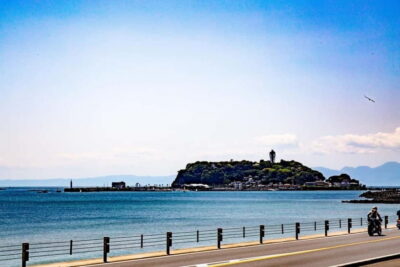 ★ 4.5Kamakura & Enoshima Day Trip including Temple TicketsFrom $581,375 reviews
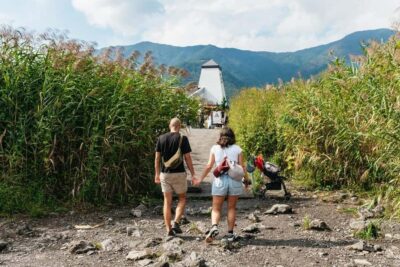 ★ 4.5Mt. Fuji, Kamakura, Big Buddha, & Lake Ashi Day TripFrom $49867 reviews
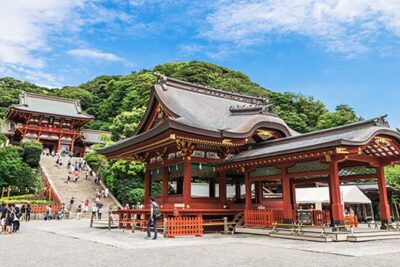 ★ 4.5From Tokyo: Kamakura & Enoshima 1-Day Bus TourFrom $66189 reviews
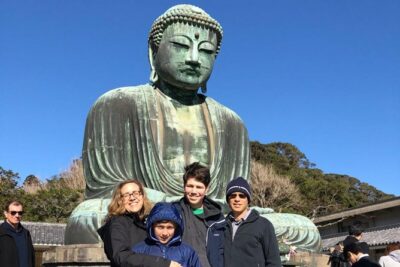 ★ 5.0Kamakura Historical Walking Tour with the Great BuddhaFrom $98129 reviews
 ★ 5.0Kamakura Private Tour: Temples, Nature, and the Great BuddhaFrom $98121 reviews
 ★ 5.0Kamakura Walking Tour – The City of ShogunFrom $35100 reviews
 ★ 5.0Kamakura 8 hr Private Walking Tour with Licensed Guide from TokyoFrom $20180 reviews
 ★ 4.1Kamakura & Enoshima Day Tour with Pickup & Train RideFrom $1361 reviews
This tour also belongs to