
Review · NIKKO DAY TRIPS
Nikko Full-Day Private Walking Tour with Government-Licensed Guide (Tokyo DEP.)
Nikko in one day is a lot, but it feels manageable here. You get a private government-licensed guide and a pick-your-own itinerary across classic shrines, waterfalls, lakes, and gardens. The result is a trip that fits your pace instead of marching you through someone else’s checklist.
What I like most is the way the guide builds your day around your interests, not a fixed route, and how the guide handles the navigation so you do not waste time figuring out what is where. One thing to consider is that this is a walking tour and the price does not include transportation to Nikko or most admission tickets, so you will want to budget for those basics.
Key highlights in plain terms
- Choose 3 to 4 Nikko stops from a menu of top sites, then let the guide stitch them into a logical route
- Licensed English-speaking guide who keeps you oriented and on time
- Hotel pickup and door-drop helps the Tokyo-to-Nikko day feel less stressful
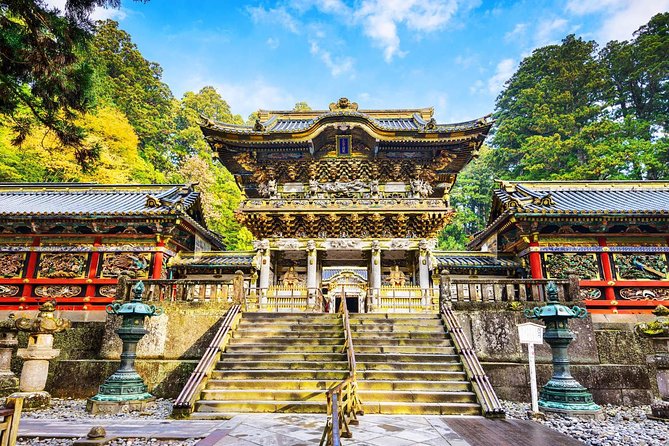
- Nature plus culture in one block of time, from Kegon Falls and Lake Chuzenji to Toshogu and Shinkyo Bridge
- Weather and access adapt on the fly, which matters in Nikko, even when conditions are tricky
Why this Nikko day feels smarter than a crowded bus tour
Nikko is famous for a reason, but it also has the kind of crowds that can make you feel rushed. This tour dodges that by giving you a private guide and a day plan that you help shape. In practice, that means you can spend more time on what actually interests you, instead of racing from one photo stop to the next.
I also like the calm logic of the pacing. Your day runs about 9 hours, but the structure is built around short visits (often around 30 minutes per site option). That is long enough to absorb the vibe and move thoughtfully, but short enough that you are not stuck in lines all day.
The last practical win is navigation. Nikko’s sites can feel spread out, and the tour removes that stress by having the guide take care of moving between them so you can focus on being in the moment.
You can also read our reviews of more walking tours in Tokyo

Price and logistics: what you pay for, and what you still need to cover
The tour price is listed at $224.02 per person for a private experience, booked about 96 days in advance on average, with an approximately 9-hour duration. What you are paying for is the guide time, the custom planning, and the on-the-ground logistics.
Here is the part to plan for early. The tour explicitly does not include:
- Transportation fees (and it does not include private transportation)
- Entrance fees and lunch
- A NIKKO PASS all area ticket priced at 4,520 JPY per person
- Guide entry fees for sights not listed in the selected What to expect sites
So, the value comes from avoiding time-wasting confusion and getting a plan that works for you. But your total trip cost will likely be higher once you add Nikko transit and ticket fees.
Meeting point, pickup, and the rhythm of a walking day
You meet your guide on foot in central Tokyo at Asakusa Station (1 Chome-4 Hanakawado, Taito City). From there, the experience includes pickup offered, and the guide will drop you off at your hotel or anywhere else you want.
A private walking tour does not mean you are walking every minute, but it does mean you should expect some walking between spots and along paths. That is why sturdy shoes matter more than people think, especially in mountain areas where conditions can change quickly.
One more detail I appreciate: the guide entry fees are only covered for the sights you choose from the provided site list. That keeps the day flexible, but it also means you should decide your must-sees clearly before the day runs away with you.
How your guide builds the route (and why it helps in real time)
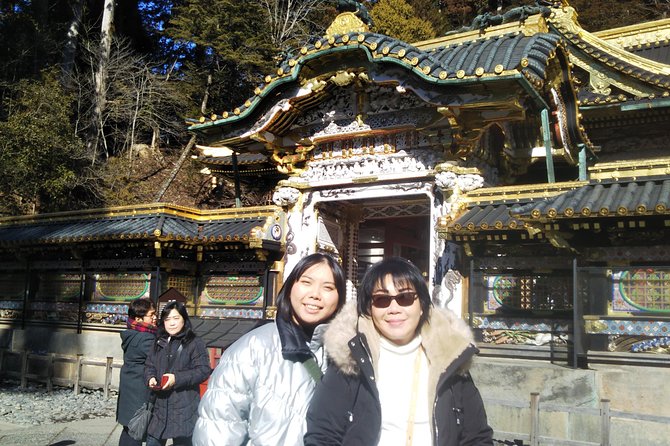
The best part is not that you visit famous sites. It is that you build the day around what you care about.
The tour is designed around selecting 3 to 4 sites from a list of options. Your guide then creates a personalized itinerary based on those choices. That is a big deal when you have limited time, because Nikko can easily swallow an entire day even if you only pick “one or two” big attractions.
It also helps that the guides in the reviews are consistently praised for being punctual, organized, and communicative. Names that show up again and again include Siezo, Yoshii, Kazu, Yusuke, Yuki, Nobu, Mari, and Kazu again. A couple reviews mention how the guide tailored the day in response to preferences, and one specifically noted the plan worked well for avoiding crowds during autumn leaf season.
In other words, the tour is not just a ticket with a walking route. It is guided decision-making.
Stop-by-stop Nikko options: what each place is like (and what to watch for)
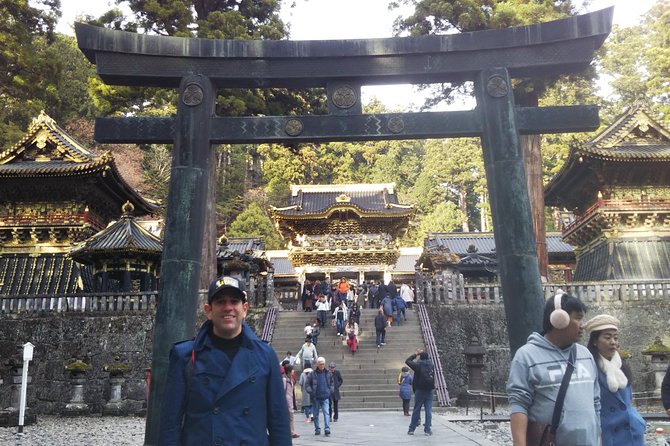
Below are the main sights you can choose from. You will not do all of these in one day unless your time and the guide’s pacing really line up, so think of this as a menu.
You can also read our reviews of more guided tours in Tokyo
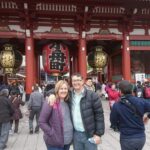

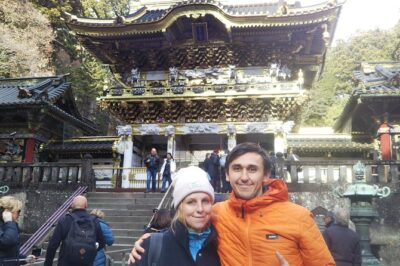
1) Nikko Tosho-gu: Tokugawa Ieyasu, up close
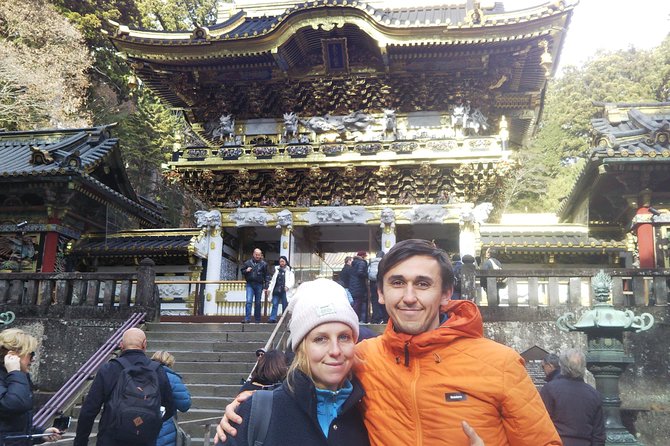
If you only pick one cultural anchor, this is the classic. Toshogu is tied to Tokugawa Ieyasu, the founder of the Tokugawa shogunate, and includes nearby shrines and temples. It is the kind of place where the setting matters as much as the details.
Practical note: plan on real walking inside the complex. Your 30-minute slot option is a good first look, but if you are detail-focused, you will want to give this more of your day by choosing it as one of your priority picks.
2) Rinno-ji Temple and 3) Rin’nōji Taiyū-in (Mausoleum of Iemitsu)
These are perfect if you like the Tokugawa layer beyond the most famous shrine.
- Rin’nōji Taiyū-in is the mausoleum of Iemitsu, the third Tokugawa shogun.
- Rinno-ji Temple is described as Nikko’s most important temple and was founded by Shodo Shonin, who introduced Buddhism to Nikko in the 8th century.
The thoughtful way to use these on your day is to pick one for a deeper cultural mood, or pick both if you like the idea of staying inside the Tokugawa story for the morning or afternoon.
4) Futarasan Shrine and 5) Shinkyo Bridge: older, quieter, and photogenic
These two connect central Nikko’s spiritual feel with an iconic visual.
- Futarasan Shrine is older than Toshogu’s neighbor, and it was founded in 782 by Shodo Shonin.
- Shinkyo Bridge is called the sacred bridge and technically belongs to Futarasan Shrine. It is ranked as one of Japan’s three finest bridges.
If you love taking photos but also want a sense of place, these work well as a mid-day reset. The bridge makes a strong short stop because you get the payoff quickly.
6) Tamozawa Imperial Villa Memorial Park: Edo meets Meiji
This is a smart pick if shrines and temples are your base, but you want variety.
Tamozawa Imperial Villa blends traditional Edo and early Meiji architecture, and it was erected in Nikko in 1899 using parts of a residence. The park is described as having 106 rooms across the villa history.
The drawback is simple: it can feel like a slower change of tone. So it works best if you want to cool down from the intense shrine energy for a bit.
7) Nikko Botanical Garden: University of Tokyo care
This one is for plant lovers and for anyone who wants a break from crowds and stone. The Nikko Botanical Garden is owned and maintained by the University of Tokyo, and it is described as a branch of the university’s main research garden in Koishikawa.
Because your day is short, it is worth choosing this only if you genuinely enjoy gardens, otherwise you may feel like you are swapping one “major highlight” for a quieter one.
8) Kanmangafuchi Abyss: a gorge you can walk along
This is nature that still feels manageable. Kanmangafuchi Abyss was formed by an eruption of nearby Mount Nantai. The tour notes it is only a few hundred meters long and enjoyable from a riverside walking trail.
It is a great option when you want scenery without a full hiking commitment. Your 30-minute slot makes it easy to pair with a nearby shrine area or a viewpoint stop.
9) Kanaya Hotel History House: history before the famous hotel
This is one of the more niche options, and that is why it can be fun. The Kanaya Hotel History House is described as the predecessor of the celebrated Kanaya Hotel, and it is open to the public for exploration.
If you like human-scale history buildings, this can add character. If you only want “big landmark hits,” it may not feel as essential.
Waterfalls, lakes, fields, and viewpoints: the nature half of Nikko
Nikko is not just temples. It is also a place where the mountain setting feels like part of the story. These picks help you see that.
10) Kegon Falls: 97 meters of drama
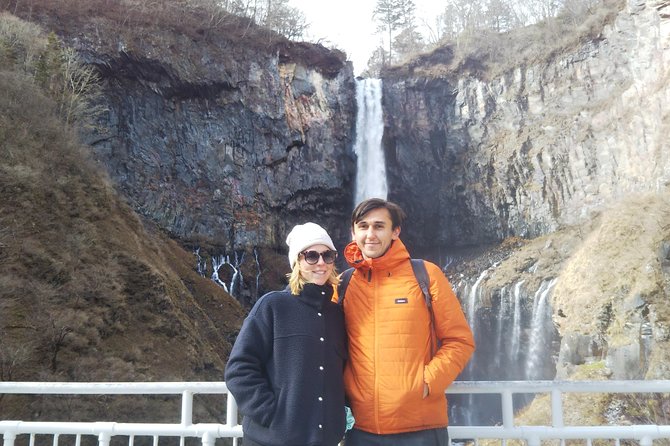
Kegon Waterfall is described as Nikko’s most famous of its 48 waterfalls. Water from Lake Chuzenji drops 97 meters straight down to the rocks below.
There is also a special lift mentioned for visitors, which suggests you will get the approach in a more convenient way than you might expect. The downside is timing. If you are choosing only a few stops, Kegon should be a priority because it is one of the biggest “wow-per-minute” sights.
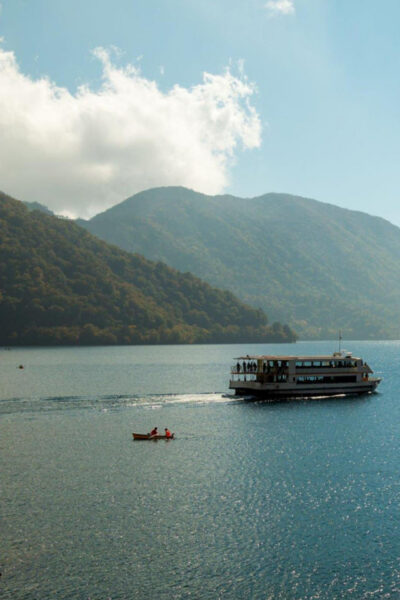
11) Lake Chuzenji: a big lake with an old resort vibe
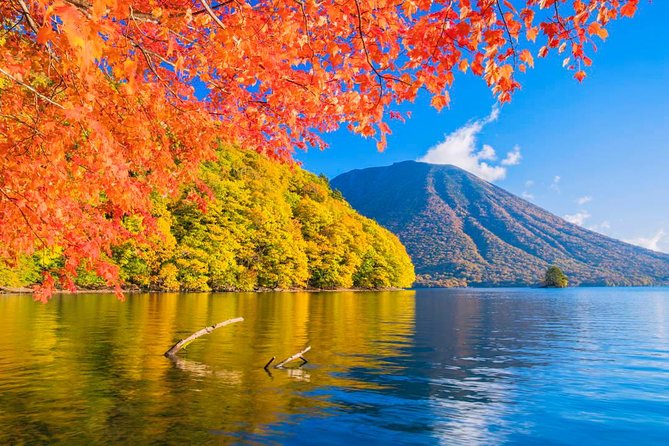
Lake Chuzenji is listed as Tochigi’s largest lake, framed by 25 kilometers of nature. The area is described as a summer resort for foreigners in the late 19th to early 20th century, and the tour even references villas of French ownership.
This works well as a gentle middle segment between harder cultural sights and other waterfalls. It is likely to feel like a breath of air in your itinerary.
12) Senjogahara Field: myth tied to the landscape
Senjogahara translates to battlefield, tied here to a mythical battle between the gods of Mount Nantai and Mount Akagi. It is a legend-driven stop that pairs well with the surrounding views.
You might enjoy this more if you like stories connected to geography. If you want only built landmarks, you may treat this as a short pause rather than a major highlight.
13) Kirifuri Waterfall: two tiers, 75 meters high
Kirifuri Waterfall is described as an impressive 75 meter high, two-tiered waterfall located below the Kirifuri Highlands. It is a few kilometers northeast of the temple and shrine areas.
Because it is out of the central core, it is a good choice if you want a second waterfall beyond Kegon. If you are trying to fit everything in one day, though, you may end up trading off time with other sites.
The big practical gotcha: Akechidaira Plateau ropeway closure
One stop option includes an important timing issue. The Akechidaira Observation Area near the top of Irohazaka Slope notes that the ropeway is closed for maintenance from January 16, 2026 until August 31, 2027.
If you are traveling in that window, do not plan your expectations around ropeway access. Instead, treat Akechidaira as a viewpoint backup that you confirm based on what is actually operating when you arrive.
What the best guides actually do for you in Nikko
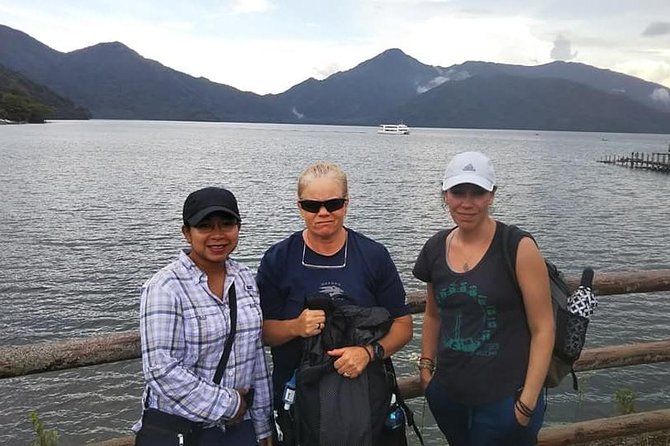
The reviews give you a strong sense of what separates an average guide day from a great one: crisp communication, smart pacing, and flexibility.
A few names show up with specific praise:
- Siezo: highlighted for excellent English and for building a great itinerary and arranging details, including time at Kanmangafuchi Abyss.
- Yoshii: picked out for punctuality, organization, and making a family feel comfortable from hotel pickup.
- Kazu: repeatedly described as very knowledgeable, with a focus on history and culture, plus fluency in English and French in at least one review.
- Yusuke: praised for helping avoid crowd pressure during autumn leaves season and for keeping contact about preferences before the trip.
- Nobu: praised for creating a full-day itinerary in advance around the sites the group named as interests.
- Mari: praised for making the best of limited time and for pairing nature and culture, including food mentioned as part of the day flow.
One review also mentions snow and snow footprints affecting road and walkway conditions, with the guide still staying helpful. That is what you want from a private guide: adjustments that keep your day moving.
Who should book this private Nikko walking tour
This is a good match if:
- You want a private government-licensed guide who handles navigation.
- You care about balancing nature and culture in one day.
- You want to avoid the stress of figuring out routes and timing between sites.
- Your group has preferences, such as being more interested in waterfalls, myths, architecture, or temples.
It may be less ideal if:
- You want a fully included package where you pay once and never think about tickets or transit. Transportation fees and most entrance fees are not included.
- You dislike walking even when the walking is likely manageable within a short stop structure.
Should you book it? My practical recommendation
Book this tour if your top priority is a day that feels planned for you. The private guide setup, the flexible site choice, and the repeated praise for punctual organization make it a strong way to spend limited time in Nikko.
If you are budget-strapped and want the fewest add-ons, you might compare against a cheaper group option and be ready to manage your own routing and ticket decisions. This experience is not about getting every cost baked in. It is about getting your day right.
Also, choose your 3 to 4 sites with intention. If you want maximum variety, a clean combo is something like Toshogu plus one waterfall plus one lake or garden stop. If you want a shrine-heavy day, prioritize Toshogu, Rinno-ji, Taiyu-in, and Shinkyo Bridge, then add a nature break like Kanmangafuchi Abyss.
FAQ
How long is the Nikko private walking tour?
It runs for about 9 hours.
Is pickup included?
Pickup is offered. You meet the guide in Tokyo on foot, and the guide can also drop you off at your hotel or another location you choose.
Is this tour private?
Yes. It is a private tour/activity, and only your group participates.
How many Nikko sites can I choose?
The tour is described as letting you customize your itinerary to choose 3 to 4 sites from the list of what to expect.
What’s included in the price?
A licensed local English-speaking guide, a customizable tour of your selected sites, and meeting on foot within the designated area of Tokyo.
What is not included?
Transportation fees, entrance fees, lunch, other personal expenses, private transportation, your own transportation fee, and the NIKKO PASS all area ticket.
Where do I meet the guide?
The meeting point is Asakusa Station (1 Chome-4 Hanakawado, Taito City, Tokyo 111-0033).
Is ropeway access available at Akechidaira Plateau?
The ropeway is closed for maintenance from January 16, 2026 until August 31, 2027.
More Walking Tours in Tokyo
More Tours in Tokyo





More Tour Reviews in Tokyo


Not for you? Here's more nearby things to do in Tokyo we have reviewed












Nikko Day Trips, side by side.
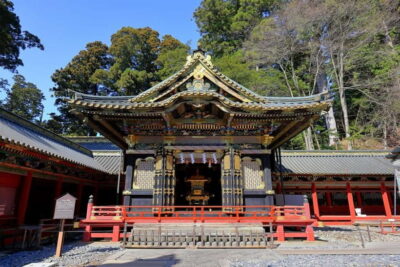 ★ 4.6Nikko: Kegon Falls, Lake Chuzenji & Toshogu TempleFrom $891,577 reviews
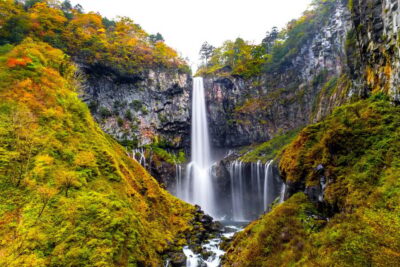 ★ 4.5Nikko Toshogu Shrine and Kegon Waterfall TourFrom $841,266 reviews
 ★ 5.0Nikko Full-Day Private Tour with Government-Licensed GuideFrom $155259 reviews
 ★ 4.9From Tokyo: Nikko World Heritage Site Private Full-Day TripFrom $483243 reviews
 ★ 4.3Nikko: Edo Wonderland Edomura Cultural Theme Park TicketFrom $35205 reviews
 ★ 4.8Nikko World Heritage Private Day Trip Hotel Pick-upFrom $390145 reviews
From Tokyo: Nikko World Heritage Sight Full Day Private TourFrom $362127 reviews
★ 4.8Nikko World Heritage Private Day Trip Hotel Pick-upFrom $390145 reviews
From Tokyo: Nikko World Heritage Sight Full Day Private TourFrom $362127 reviews
 ★ 4.9Nikko – Beautiful Full-Day Personal and Private TourFrom $364119 reviews
This tour also belongs to