
Review · TOKYO SUSHI CLASSES
Tokyo Sushi Making Experience & Japanese Cooking Class
Fresh sushi lessons in Tokyo.
In just 1 hour 30 minutes, you get hands-on help making maki, temari, and nigiri with fresh ingredients like tuna, salmon, and flying fish roe. I like how the class frames sushi as food plus culture, with etiquette tips and history explained in a straightforward way by English-speaking instructors who also support Traditional or Simplified Chinese. One thing to consider: the class is short, so you leave with solid basics, not a full restaurant-level skillset, and you will need to order drinks separately if you want sake or shochu.
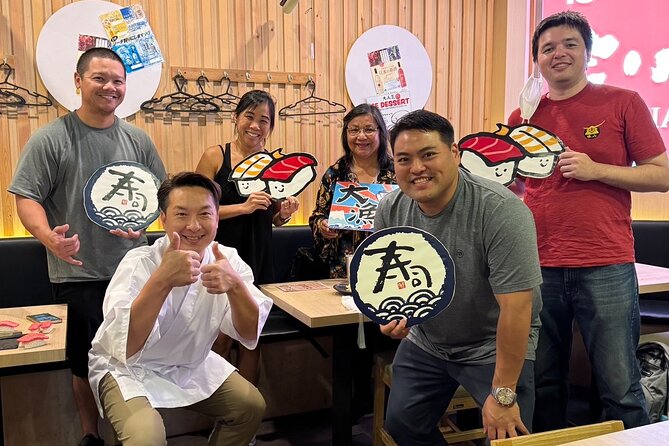
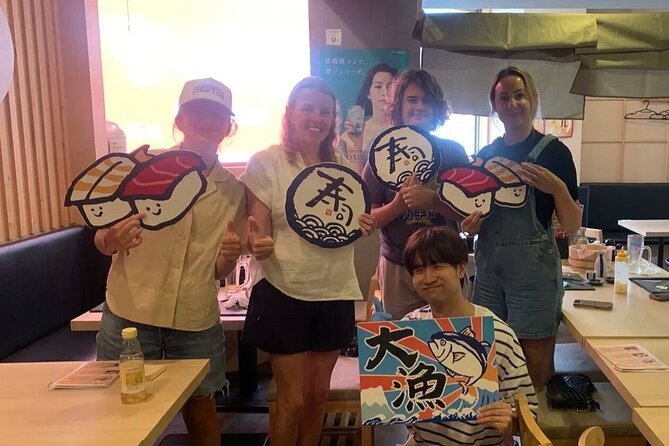
The format is built for learning without stress. You work in a small group (maximum 15), you eat what you make, and you even get commemorative photos to mark the day. It is also family-friendly, with the ability for kids age 4 and up to join, and the hosts are described as patient and friendly. The main drawback is practical, not emotional: bottled water and alcoholic options are not included, so plan for a little extra if you want them.
Key highlights to look forward to
- Small-group class (max 15), so you actually get hands-on coaching
- Make three styles of sushi: maki, temari, and nigiri
- Fresh seafood included such as tuna, salmon, squid, and flying fish roe
- Culture and etiquette coaching in English, with Traditional or Simplified Chinese support
- Optional sake or shochu, with the legal drinking age requirement (20 in Japan)
- Commemorative photos you can take home after class
Tokyo sushi class basics: what you are really paying for
At $59.46 per person for about 1.5 hours, this experience is priced like a true activity, not a quick demo. You are paying for two things that matter in Japan: time with an instructor who can correct your technique, and ingredients that let you practice at home right after you learn the steps.
The class does not ask you to bring gear. You show up, you learn, you make, and you snack on what you produce. And because the group is kept to a maximum of 15, the rhythm stays friendly instead of rushed.
The ingredient list is also a big part of the value. You will work with items like tuna, salmon, squid, and flying fish roe, which gives your sushi a real taste of what people order and talk about in Japan, not just filler ingredients.
You can also read our reviews of more cooking classes in Tokyo


Meeting at Shinbashi, then straight into cooking
Your meeting point is in Shinbashi, at 2-chōme1510 S-PLAZA弥生Ⅱ (Tokyo, Minato City, 105-0004). The good news for planning is that it is near public transportation, so you are not forced into a complicated “last train plus a long walk” situation.
From there, the experience runs and then ends back at the same meeting point. That keeps your schedule clean. You do not have to worry about getting yourself across town after you are done, or trying to coordinate dinner somewhere immediately after a cooking session.
Timing is also important. Because it lasts around 1 hour 30 minutes, it fits well into a day when you already have other Tokyo plans. It is long enough to learn and eat, short enough to avoid feeling like your whole afternoon evaporated.
What you learn: maki, temari, and nigiri in one session
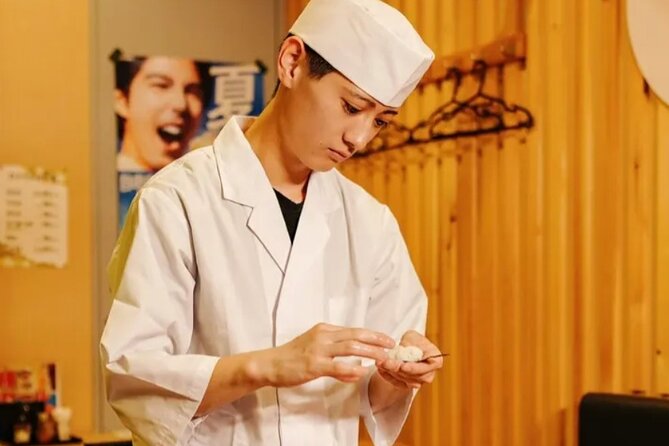
This is not a single-sushi craft. The class is built around three popular styles: maki, temari, and nigiri. That variety is one of the reasons it is so satisfying. You are not just repeating one form the whole time. You practice different shapes and different handling, so your skills transfer better if you try making sushi at home later.
Here is what each style means for your learning:
Maki: the roll that teaches you structure
Maki is the roll. It teaches you how to think in layers. You learn how to spread, place, and roll so the final piece holds together. Even if your first attempt looks imperfect, you are building the core idea: neat packing and controlled pressure.
Temari: bite-size sushi with a different feel
Temari sushi is often taught as a way to make sushi with a focus on shape. If you have only seen sushi rolls before, temari can be a pleasant surprise because it feels more like forming than rolling. It also tends to be easier for beginners to understand quickly, which is great in a short class.
More Tokyo tours and experiences for the shortlist




Nigiri: the touch of seafood on rice
Nigiri is where technique meets texture. You learn about how the seafood sits on the rice and why presentation matters. This is also where etiquette and “do this, not that” guidance becomes practical. Sushi is simple food, but the details are the whole point.
The etiquette and sushi history part you will actually remember
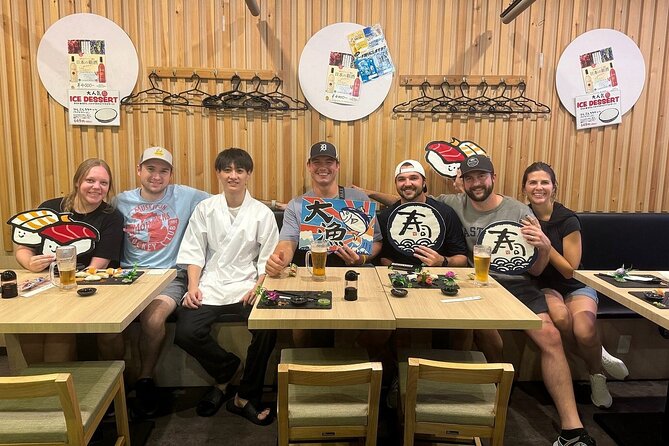
This class includes sushi history and culture, and it does not treat it like an academic lecture. You get explanations from instructors in English, and support in Traditional or Simplified Chinese too, so you can follow even if your Japanese is basic.
The most useful part for me is the etiquette angle. It helps you understand what you are supposed to do with chopsticks, soy sauce, and how people think about order and balance. You might not memorize every rule, but it changes how you eat sushi once you are back in restaurants.
If you plan to spend time in Tokyo eating sushi, this piece of the experience gives you a shortcut. Instead of guessing, you get a framework for what to look for and how to handle your meal respectfully.
Fresh seafood snacks: what you make is what you eat
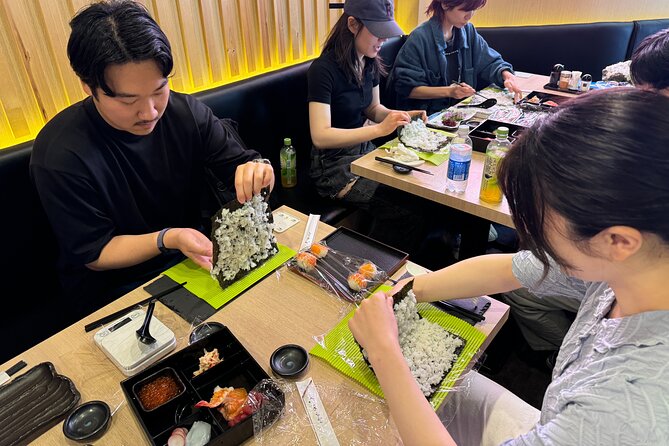
Included snacks cover maki sushi and temari sushi, with options that mention tuna, salmon, squid, and similar fillings. You also work with flying fish roe, which is a classic ingredient people seek out for its flavor and texture.
That matters because it means your class is not just instruction. It is also a tasting. You get to compare ingredients and feel how different toppings behave. When you do this at home later, you will remember what the class taught you because you already tasted it.
One small planning note: bottled water is not included. If you get thirsty, you will want to buy water on site or nearby, so check what is available when you arrive.
Optional sake or shochu, and the ID rule in Japan
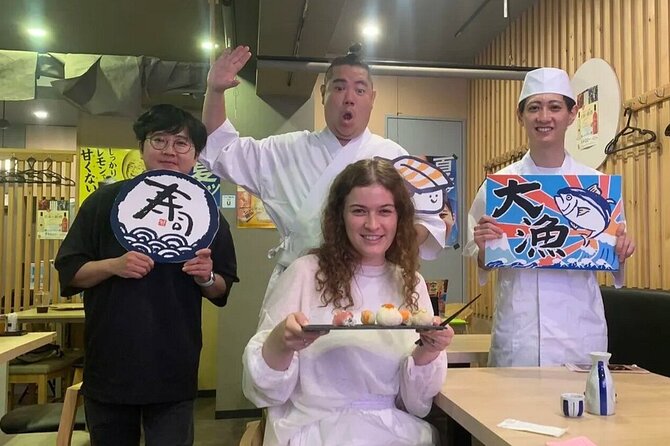
You can add sake or shochu for a more authentic Japanese experience. It is optional, but it is also a selling point. A warm cup of sake or a sip of shochu can make the meal feel more complete, especially when the instructors discuss pairing ideas.
Two important realities to plan for:
- Alcohol is not included. You will need to order it separately.
- Japan’s legal drinking age is 20. If you want alcoholic drinks, bring a valid form of ID that proves your age.
If you are traveling with kids, do not worry. The class is eligible for ages 4 and up, and the activities are centered on the cooking and the food you make.
Small-group instruction: why max 15 changes everything
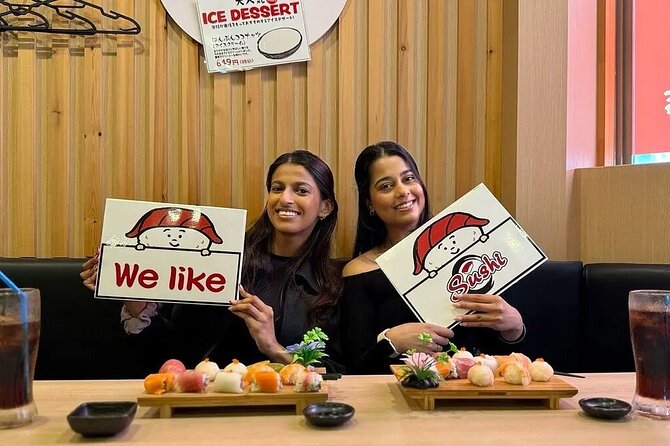
The class caps at 15 travelers. That might sound like a number detail, but it is a real quality factor. When you are learning how to roll, shape, and present sushi, you want someone close enough to notice what you are doing.
The feedback you can rely on here is about how supportive the hosts are. In particular, the hosts are described as friendly and patient, including for families traveling with children. That is exactly what you want from a cooking class. You are not just watching, you are practicing, and you will make mistakes. A patient instructor helps you fix them quickly.
If you are nervous about cooking skills, this format tends to work. You get coaching in the moment instead of after-the-fact explanations.
Photos you can take home, plus the fun social side
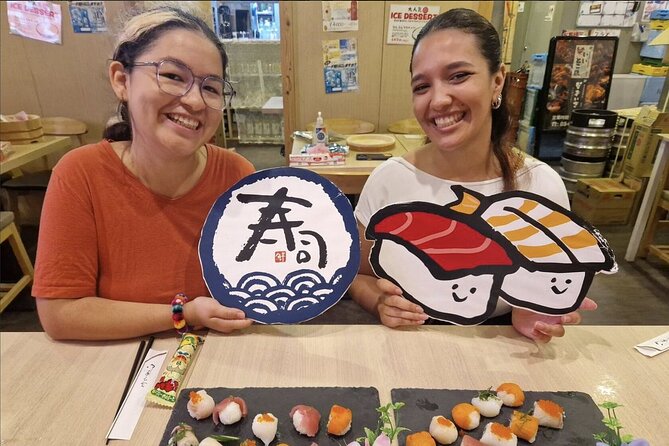
A nice extra is the commemorative photos. You are not just leaving with a full stomach. You have something to remember the day, which helps if you are sharing your trip with friends or building your own photo timeline.
Because the class also includes time to enjoy the food alongside other participants, it has a social energy without being chaotic. You end up talking, comparing how your sushi came out, and swapping quick impressions of Tokyo and food habits.
Price value check: is $59.46 worth it?
For many Tokyo food tours, you are either paying for a tasting (great, but limited skill) or paying for instruction (great, but sometimes you bring your own materials). This one sits in a good middle.
You get:
- A hands-on sushi-making session lasting about 1 hour 30 minutes
- Included snacks (maki and temari, with fresh ingredients listed)
- Instructor guidance in English, with Traditional or Simplified Chinese support
- Commemorative photos
What could raise your total cost?
- Juice and alcoholic beverages need to be ordered separately
- Bottled water is not included
Still, compared to the cost of trying to reproduce the full experience at home from scratch, the class feels like a straightforward deal. You are also buying the convenience of having everything set up, and you are buying the instruction you can’t easily DIY on your own.
Who this class suits best (and who should consider another option)
This fits best if you want a practical Tokyo food experience where you learn by doing. It is ideal for:
- Food lovers who also want context and etiquette, not just flavors
- Beginners who want a guided first try at sushi-making
- Travelers who like small groups and hands-on coaching
- Families traveling with kids 4 and up, especially when you want an activity that feels structured and friendly
Consider another option if:
- You expect a long, slow class with lots of repetition and advanced technique
- You do not want to deal with optional extras like alcohol ordering and separate drink costs
- You are looking for a full-day deep training session
Tips to make the most of the class
Here are a few practical moves that help you get more from the 1.5 hours:
- Show up on time. Sushi is quick work, and the class moves as a group.
- If you plan to drink sake or shochu, bring your ID in advance, not at the last minute.
- Go in with a beginner mindset. Your goal is technique and confidence, not perfection.
- Ask questions while you are working. That is when the instructor can correct your hand position and approach.
- Eat what you make. You will learn faster when you connect the technique to the taste.
Should you book this Tokyo sushi making experience?
I think you should book it if you want a high-impact Tokyo food moment with real skills you can repeat later. The combination of maki, temari, and nigiri, fresh ingredient snacks, and English instruction in a small group hits the sweet spot for most visitors.
If you are price-sensitive, factor in that drinks are not included. But even with that in mind, the structure feels worth it because you are not just tasting. You are learning how to form and present sushi, plus you get culture and etiquette that makes eating sushi in Tokyo afterward more meaningful.
FAQ
How long is the Tokyo sushi making experience?
It runs for about 1 hour 30 minutes.
What will I learn to make during the class?
You will learn how to make maki, temari, and nigiri sushi.
Is the class offered in English?
Yes. The guide/instructors are listed as English, with Traditional Chinese and Simplified Chinese support.
How many people are in the group?
The experience has a maximum of 15 travelers.
What is included in the price?
Included items are snacks (maki sushi and temari sushi, with ingredients such as tuna, salmon, squid, etc.) and a guide.
Are drinks included?
Bottled water is not included, and juice and alcoholic beverages need to be ordered separately. You can add sake or shochu as an option.
Where does the class start and end?
It starts at S-PLAZA弥生Ⅱ in Shinbashi, Minato City, Tokyo, and ends back at the same meeting point.
Is this experience suitable for children?
Yes. The eligible age is 4 years old and above.
Is there a cancellation refund available?
Yes. You can cancel for a full refund up to 24 hours before the experience starts.
What happens if poor weather cancels the activity?
If it is canceled due to poor weather, you will be offered a different date or a full refund.
More Workshops & Classes in Tokyo
More Cooking Classes in Tokyo
More Tour Reviews in Tokyo






Not for you? Here's more nearby things to do in Tokyo we have reviewed












Tokyo Sushi Classes, side by side.
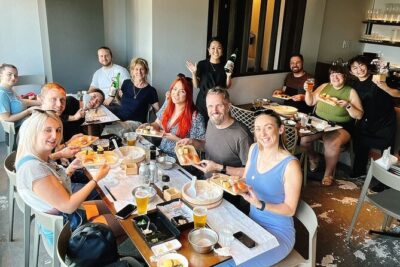 ★ 5.0Sushi Making Tokyo Roll and Authentic Japanese Sushi ClassFrom $593,971 reviews
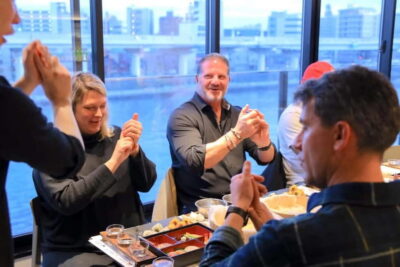 ★ 4.9Roll and Authentic Sushi Making Class in AsakusaFrom $581,957 reviews
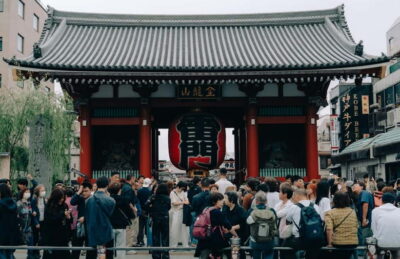 ★ 4.9Sushi Making Class in a Happi Coat near a Famous SpotFrom $421,377 reviews
 ★ 5.0Tokyo Sushi Making Class in Tsukiji with Professional ChefFrom $491,177 reviews
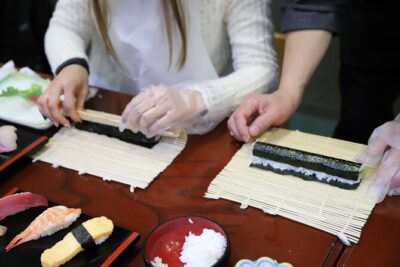 ★ 5.0Tsukiji Fish Market Guided Tour and Sushi Making with Pro ChefFrom $104775 reviews
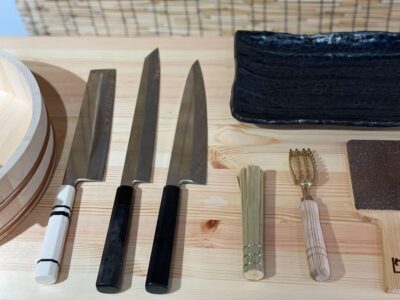 ★ 4.9Tsukiji Fish Market Sushi Making Class with Pro ChefFrom $63506 reviews
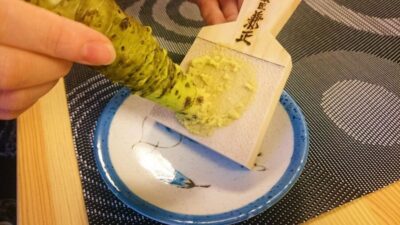 ★ 4.9Sushi Making ClassFrom $67390 reviews
 ★ 5.0Tokyo Tsukiji Fish Market Tour and Sushi Making LessonFrom $99390 reviews
This tour also belongs to