
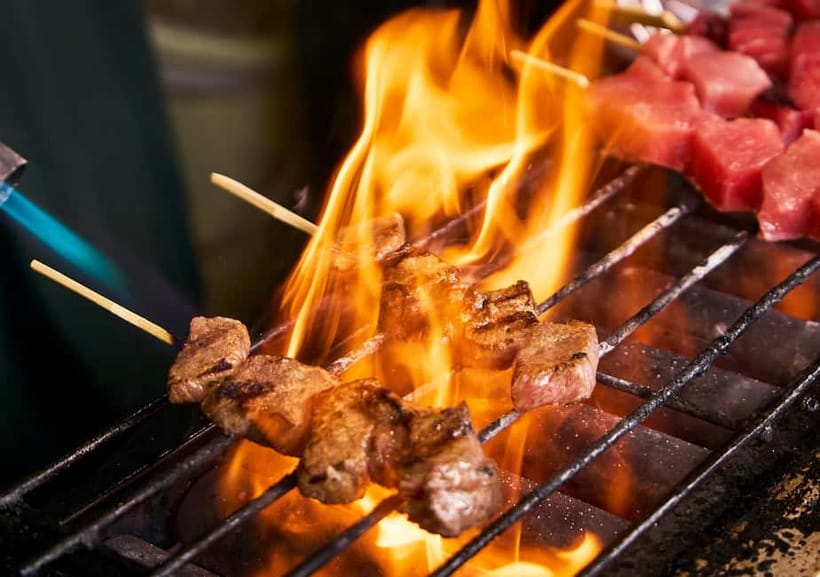
Review · TSUKIJI MARKET TOURS
Tsukiji Fish Market: Street Food & Culture Walking Tour
Tsukiji Fish Market turns breakfast into a real-life food documentary. I like this tour because you get street food guidance in the exact places that can be hard to find on your own, and you also get a professional fish-cutting show that makes the seafood you eat afterward make more sense. The main thing to consider is the market crowd, so you need to stay close to your group and expect some stop-and-go pacing.
I also appreciate that this is a small-group format (up to 30) with wheelchair and stroller access, so you are not stuck watching from the back. I found the price of $33.16 easier to swallow when I focus on what is included: guided market time plus the featured show, with other parts of the morning built around free-access areas.
Key Things I’d Prioritize Before You Go
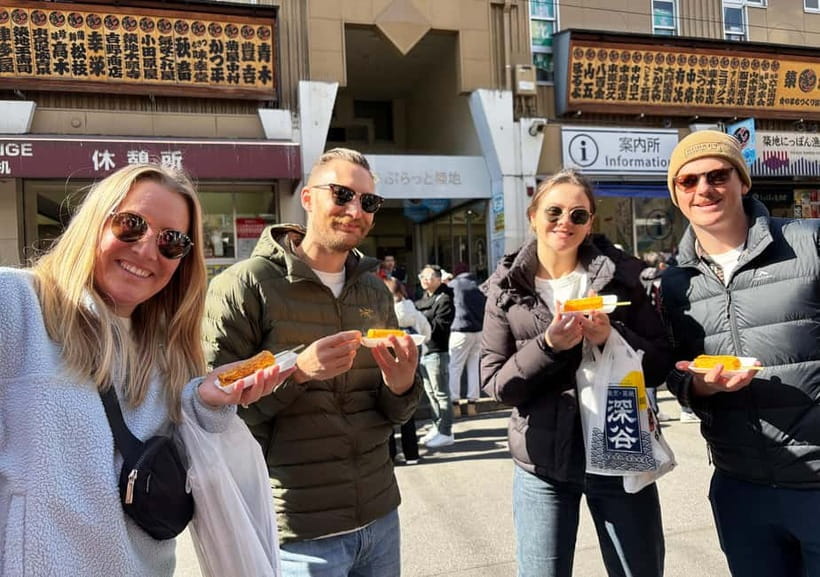
- Street food with a guide to point you at stalls and flavors without the guesswork
- Fish-cutting show where knife skills explain how seafood gets prepared
- Market atmosphere time with working traders and the feel of early Tokyo
- A temple stop that adds cultural context without taking over your morning
- A small-group size up to 30, which matters in a tight market maze
Tsukiji Still Feels Like Tokyo’s Food Backstage
Tsukiji’s reputation travels ahead of it, but the real draw is how practical the scene is. You are not just looking at pretty food. You are watching the systems that make seafood travel from sea to counter, fast and with serious attention to detail.
That is why a guided walk helps. In a place like this, you can absolutely wander on your own, but you might miss what is worth trying, or you might get lost in the busy lanes while trying to compare smells and menu signs you cannot read. On this tour, the guide keeps the “what to do next” part handled for you, and you get to focus on tasting and asking questions.
You can also read our reviews of more walking tours in Tokyo


Starting at Tsukiji Jogai Market for Street Food You Can Actually Plan Around
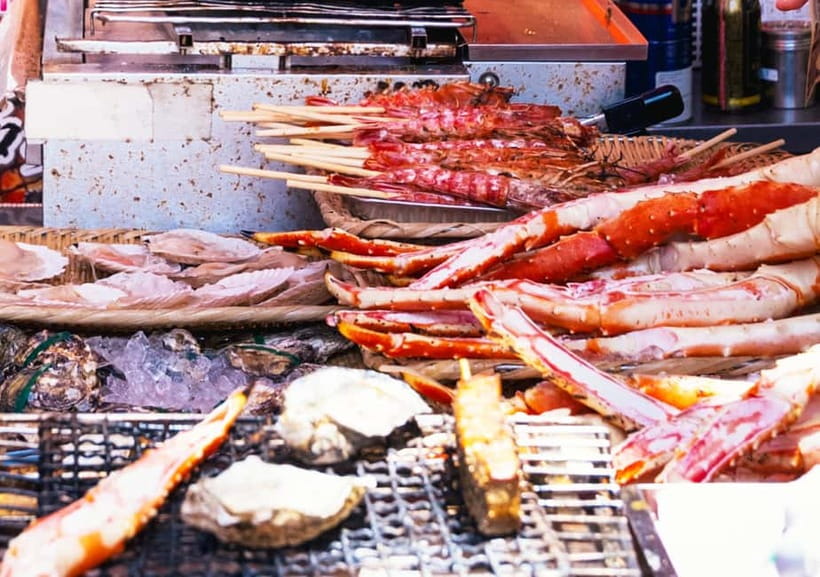
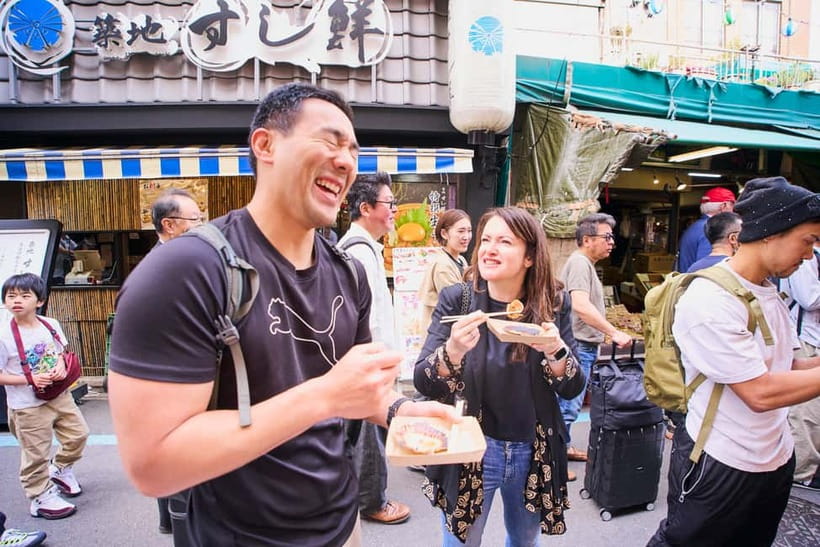
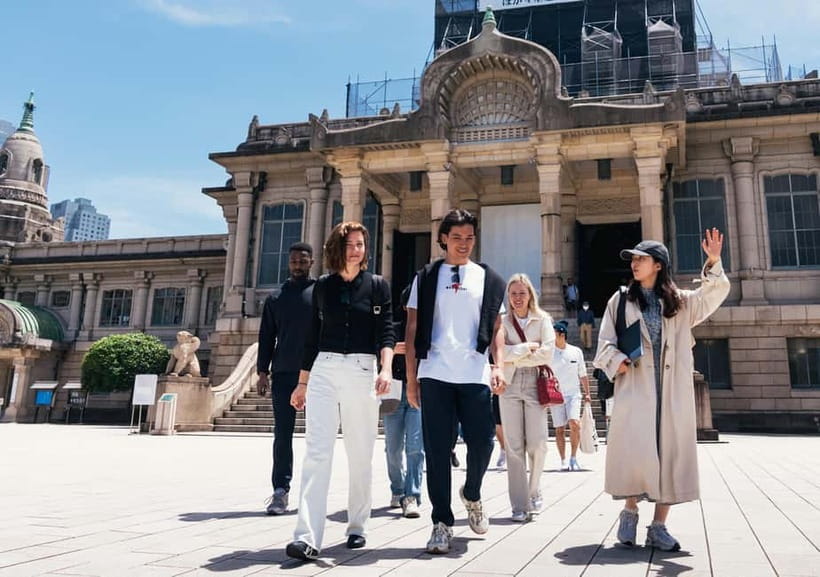
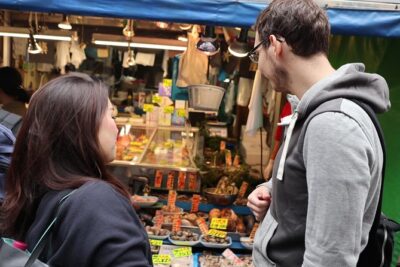
You begin at 築地本願寺本堂3-chōme-15-1 Tsukiji, Chuo City, Tokyo 104-0045, Japan. From there, the first stretch is all about Tsukiji Jogai Market street food with a local guide, about 45 minutes. This is the part that sets you up for the rest of the morning, because it gives you a map of the food world you are about to enter.
A good street-food start should do two jobs. First, it helps you figure out which vendors are most worth your time. Second, it gets you comfortable with how people eat here, meaning quick bites, constant motion, and lots of conversation in between. If you tend to feel overwhelmed by crowds, this first stop can be calming, because someone else is making the order of things make sense.
The tradeoff is simple: your time is still in a working market. Even with a guide, you will be in close quarters. I’d mentally pack patience, and I’d keep your water nearby so you do not start making decisions with dry-mouth logic.
The Fish-Cutting Show: The Skill Behind the Seafood Bowl
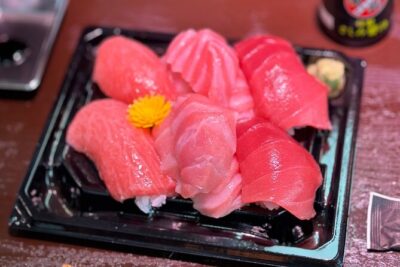
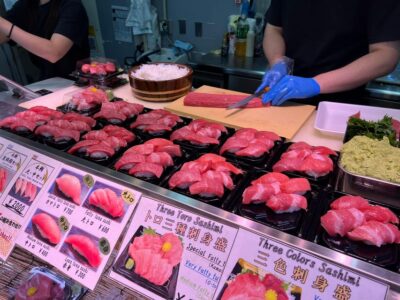
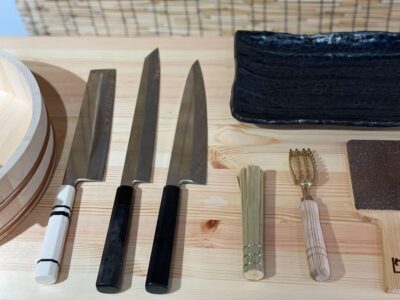
Next comes the headline moment: an exclusive fish-cutting show with a chef filleting a whole fish using traditional techniques, about 30 minutes. After the show, you enjoy a fresh seafood bowl. This is the stop that turns “I’m eating seafood” into “I understand why this texture and cut matter.”
Why this matters for your experience: when you see the sequence of cutting and handling, you start noticing details you would otherwise ignore. You will likely spot differences in thickness, how cuts sit on rice or toppings, and what “fresh” means when it is handled with speed and care. Even if you are not a seafood expert, the show gives you a mental model you can carry while you eat.
A practical note on expectations: this kind of show often happens in tight viewing space, and everyone wants a clear angle. If you need steady footing or extra space, you should position yourself early and stay flexible with sight lines. And since this part is shorter, it is worth paying close attention rather than treating it as background entertainment.
Tsukiji Fish Market Time: Seeing Traders Work, Not Just Posing
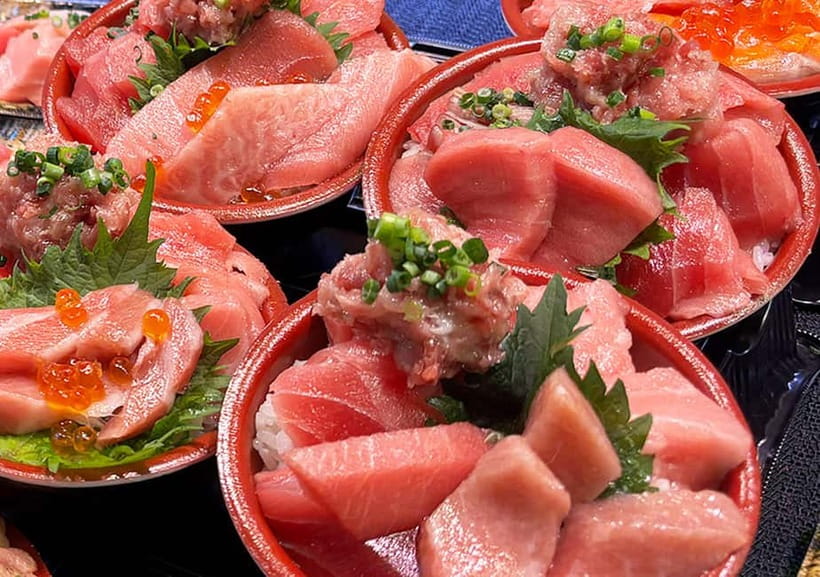
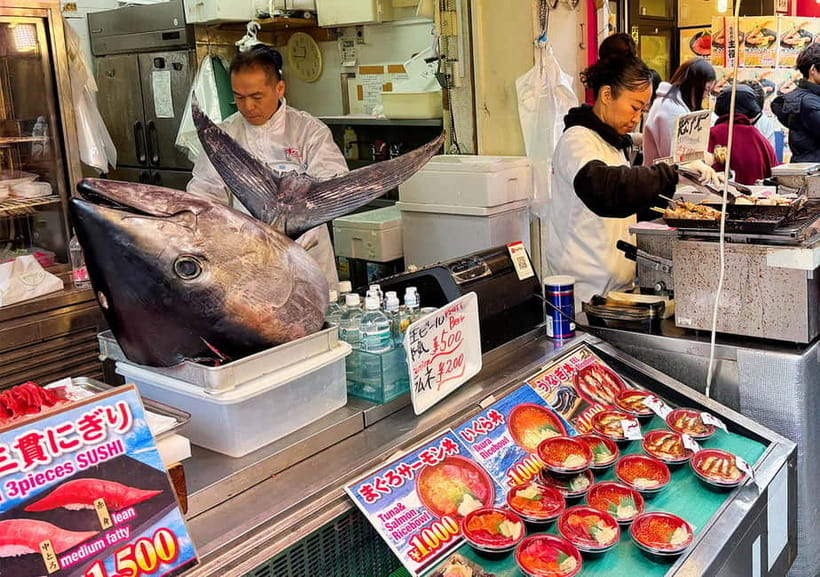
After the show, you get another about-30-minute segment at the Tsukiji Fish Market, focused on the authentic atmosphere where professional traders operate. This is where the morning becomes real-world Tokyo again. You are no longer just learning. You are observing a place that runs on schedules, speed, and routine.
This part can be a hit or miss depending on what you want. If you love the practical energy of markets, you will enjoy the rhythm. If you want lots of long explanations, this is shorter and more “watch and soak it in.” The value is mostly in what you experience with your senses.
Also, here is how I would handle this portion: don’t try to capture everything with photos. Instead, choose one or two things to focus on, like how vendors set up, how products are displayed, or what words and signs seem to repeat. That way, you come away with a few strong memories instead of a phone full of blurry clips.
Tsukiji Hongwanji Temple: A Calm Break With Culture Context
You also stop at Tsukiji Hongwanji Temple, about 15 minutes with a local guide. This is shorter than the market pieces, but it adds a cultural pause to balance out the sensory overload of fish and street food.
When temple stops are done well, they help you understand where the values of a place show up in everyday life. Here, the guide’s focus is on Japanese culture and the charm of Buddhism, plus some history. I like this kind of stop because it breaks the “only food, only market” loop, and it gives your morning a more human angle.
The only caution: 15 minutes is brief. If you want deep temple storytelling, you may feel the time is limited. But as a quick reset before you leave, it can be a good pace change, especially if the market has already filled your morning with motion.
You can also read our reviews of more food & drink experiences in Tokyo


Price and Value at $33.16, Plus How to Budget for Food
The price is $33.16 per person for about a 2-hour experience, and you should judge value by what is actually included. You get a guided walk through the market areas, the fish-cutting show, and time at multiple key stops. The street-food portion is described as a guided experience with free admission for the market areas, while the fish-cutting show includes the featured segment and your seafood bowl afterward.
Meals are listed as not included, so you should plan for the possibility that only part of your food is covered in the provided bowl and that you may pay for any extra snacks you want along the way. The smartest move is to treat this tour like guided sampling plus one featured meal, not an all-you-can-eat plan.
Here is the value logic I’d use. If you would otherwise spend time hunting for the right stalls and translating menus, paying for the guide can be a shortcut. If you are the type who loves wandering and reads signs easily, you might decide to DIY. But if you want someone to steer the experience, especially in a crowd-heavy place, the cost starts to look more reasonable.
Pace, Crowd Control, and Staying With Your Guide
Tsukiji can get very busy, and the biggest downside shows up in reviews and real-world timing: it can feel hectic. On busy days, guides might move briskly through lanes, and groups can stretch out. You can prevent most problems with one simple habit: stay close, keep your bearings early, and do not drift into side lanes to inspect every stall.
If you care about hearing clearly, pay attention to how your guide projects voice in crowds. In dense market conditions, even fluent English can be hard to catch if you are farther back or behind a wall of heads. If you want a better chance at good audio, position yourself where you can see the guide’s face and not just their shoulders.
One more practical point: some people prefer a guide who waits patiently when the group needs a breather. If that is you, set your expectation at the start. Tell your guide you need a moment now and then. Most good guides adjust when they understand your needs.
Small-Group Format and What It Means for Your Comfort
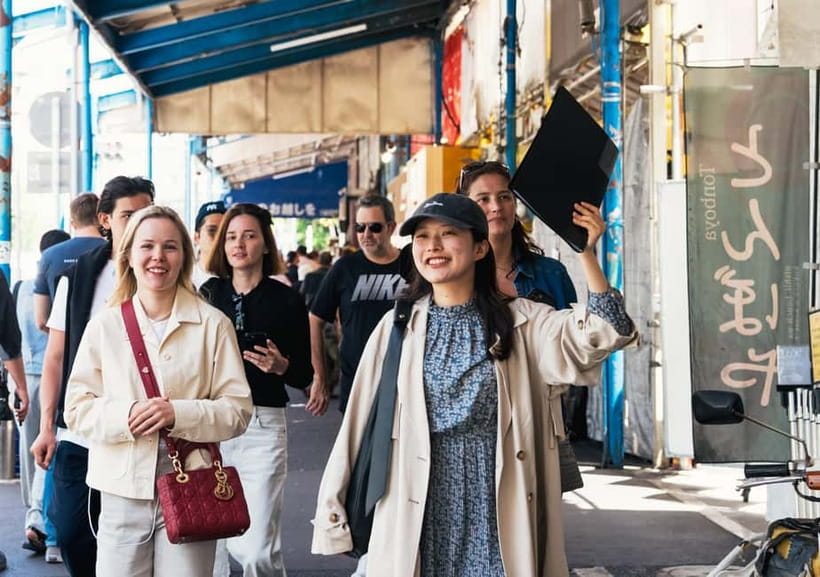
This tour caps at a maximum of 30 travelers. That number matters in Tsukiji. It is still crowded, but you are not dealing with a huge parade. Smaller groups also make it easier for the guide to manage choices and keep momentum without leaving everyone behind.
The tour is described as wheelchair and stroller accessible, which is a big deal in Japan’s older market areas. Still, accessibility in a market often depends on the specific route that morning. I would come prepared for uneven surfaces and tight corners, and I would bring a bit of extra time in your head if you are navigating around other shoppers.
Choosing a Guide Style: What to Look For
When people talk about why this tour works, it usually comes down to how the guide handles three things: choosing good food stops, explaining what you are eating in plain language, and keeping the group organized in chaos.
In the discussions around this tour, two guide names come up often, George and Tomo. If you see either name on your booking, that is a good sign. You can also use the general rule of thumb: look for someone who can give clear food guidance fast and explain cultural context without turning the whole morning into a lecture.
If you prefer lots of history, you might find the market-forward structure leaves less time for long storytelling. If you mainly want great bites and a real sense of the market’s workflow, you should feel at home here.
Who This Tour Fits Best (and Who Might Prefer DIY)
This tour is a strong match if you:
- want a guided plan for street food without menu guesswork
- like seeing skill in action, especially knife work and seafood preparation
- enjoy market atmosphere but do not want to spend extra time figuring out what to do next
- need a guided experience in a crowded area
It might be less ideal if you:
- want lots of quiet, slow walking and deep cultural stops
- hate crowds and cannot handle stop-and-go movement
- strongly dislike any chance of the group moving faster than you do
If you are on the fence, think about your default travel style. Do you enjoy being steered? Or do you prefer your own pace and your own choices at each stand? Tsukiji rewards both styles, but the tour is built for the “I want help choosing” traveler.
Should You Book This Tsukiji Street Food Tour?
I’d book it if you want to experience Tsukiji as more than a checklist. You are paying for a guide to help you eat well in the right places, plus a fish-cutting show that adds meaning to what you taste. At $33.16, the price feels fair when you treat it as guided access to the market’s best moments, not just a walk.
I would reconsider if you know you struggle with crowds, or if you expect long historical deep dives with every stop. In that case, you might enjoy a looser DIY walk more, then spend time on a separate show or temple visit at a pace that suits you.
If you book, do yourself a favor: arrive ready to move, stay close to your group, and plan to eat smart, not slow. Tsukiji is at its best when you let it run like a morning.
FAQ
How long is the Tsukiji Fish Market street food and culture walking tour?
The tour lasts about 2 hours.
What is the price per person?
The price is $33.16 per person.
Is this tour wheelchair and stroller accessible?
Yes, the tour is listed as wheelchair and stroller accessible.
What stops are included during the tour?
You visit Tsukiji Jogai Market for street food, a fish-cutting show with a fresh seafood bowl afterward, Tsukiji Fish Market, and Tsukiji Hongwanji Temple.
Is food included in the tour price?
Meals are listed as not included, but the fish-cutting show stop includes a fresh seafood bowl afterward. Plan for the possibility that you may want to buy additional snacks separately.
What is the meeting point and where does the tour end?
The tour starts at 築地本願寺本堂3-chōme-15-1 Tsukiji, Chuo City, Tokyo 104-0045, Japan and ends back at the meeting point.
More Walking Tours in Tokyo
More Tours in Tokyo



More Tour Reviews in Tokyo
Not for you? Here's more nearby things to do in Tokyo we have reviewed




Tsukiji Market Tours, side by side.
 ★ 5.0Tokyo Tsukiji Fish Market Food and Culture Walking TourFrom $993,184 reviews
 ★ 5.0Tsukiji Fish Market Food and Walking tourFrom $301,724 reviews
 ★ 4.9Tsukiji Fish Market Guided Walking TourFrom $221,397 reviews
 ★ 5.0Tokyo Sushi Making Class in Tsukiji with Professional ChefFrom $491,177 reviews
 ★ 5.0Tsukiji Fish Market Guided Tour and Sushi Making with Pro ChefFrom $104775 reviews
★ 4.7Tsukiji Fish Market Food and Culture Walking TourFrom $96757 reviews
★ 5.0Tsukiji Fish Market Guided Tour and Sushi Making with Pro ChefFrom $104775 reviews
★ 4.7Tsukiji Fish Market Food and Culture Walking TourFrom $96757 reviews
 ★ 5.0Tsukiji Fish Market Small-Group Food Walking TourFrom $87621 reviews
 ★ 4.9Tsukiji Fish Market Sushi Making Class with Pro ChefFrom $63506 reviews
This tour also belongs to