
Review · TOKYO CITY TOURS
AKEMI’s SUSHiKiTCHEN: A fun sushi cooking lesson in Tokyo
Sushi starts with rice, and this lesson makes it fun. In Akemi’s SUSHiKiTCHEN, you learn how sushi is built, not just how it looks, in a relaxed at-home setting. I especially like that you work through the process step-by-step, starting from vinegar rice and moving into four styles of sushi.
Two things stand out for me. First, Akemi Castellano is a trained sushi chef who explains technique and the food culture behind sushi, including its Edo-era roots. Second, you finish by eating what you made, with sake and dessert, so the class lands as a meal, not just a demo.
One thing to consider before you book: this is a set-menu style class, so you do not choose which specific sushi you will make, and it is not suitable if you have food or animal allergies.
Key things to know before you go
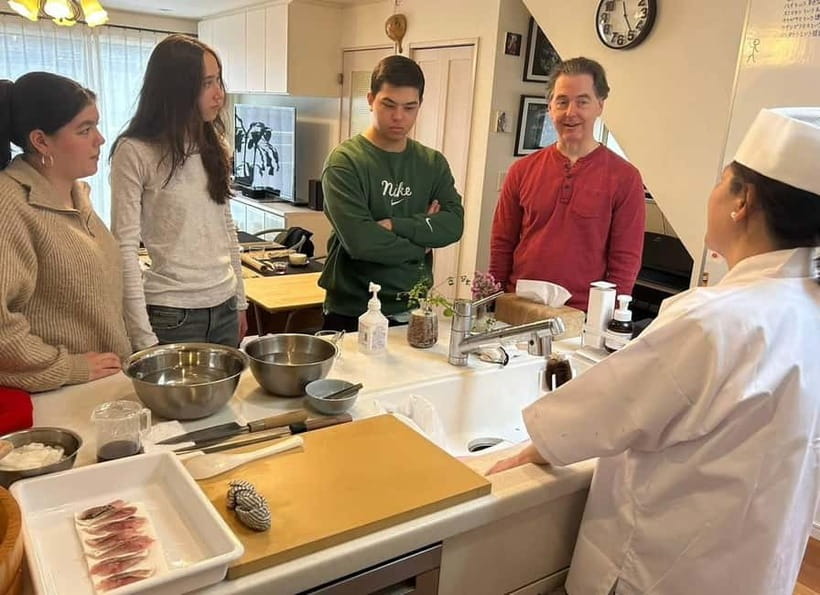
- Small group size (max 6), so you get hands-on help and coaching.
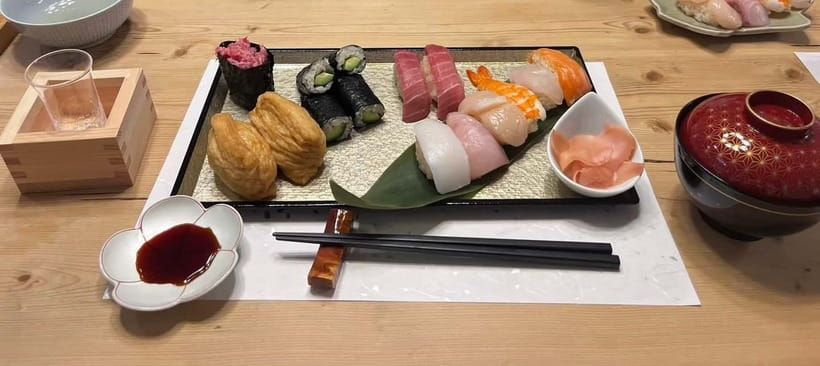
- Four sushi types: Inari, Gunkan, Maki-sushi, and hand-pressed Nigiri.
- Vinegar rice focus, with guidance on getting the base right.
- Fish prep is explained, including how seafood is handled for sushi.
- At-home Tokyo setting with a friendly, lived-in feel.
- Vegetarian option available, if you tell them ahead of time.
Cooking sushi in a real Tokyo home near Shinjuku and Shibuya
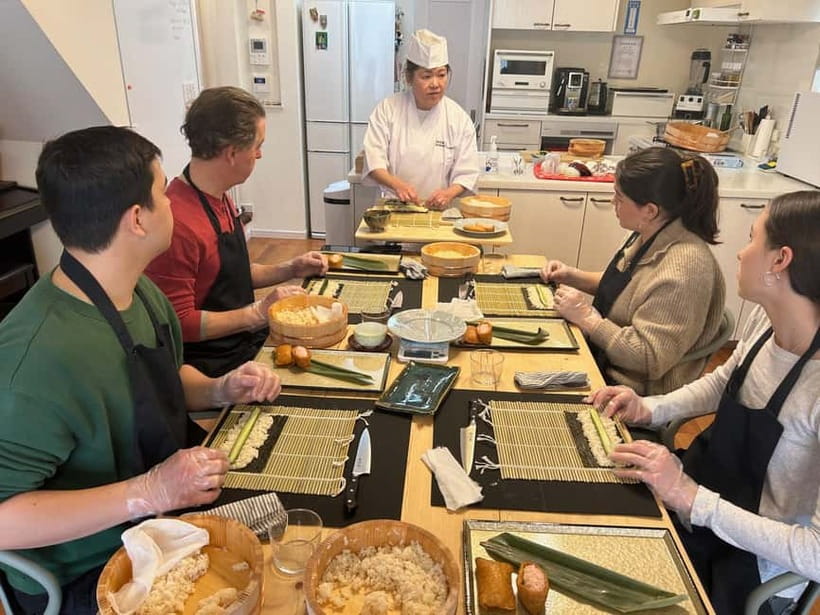
Tokyo has no shortage of sushi experiences, but this one feels personal in a practical way. You are not squeezed into a fast workshop or a camera-friendly show. Instead, you learn in a home kitchen, which changes the vibe right away. The pacing is calmer, and the teaching feels more like learning from someone who cooks for friends and family.
Location also matters here. The kitchen is described as easy to reach from both Shinjuku and Shibuya, two of Tokyo’s biggest transit hubs. That is a win if your Tokyo days are already anchored around those areas. For getting there, many people find the address with Google Maps and then walk through a neighborhood that feels local rather than touristy.
If you prefer not to navigate on your own, you can ask to meet at the nearest train station. That small option makes a difference when you land in Japan tired, or when the weather is doing its best to ruin your plans.
You can also read our reviews of more cooking classes in Tokyo


Meet Akemi Castellano and her team, and what language support means for you
The instructor is Akemi Castellano, a trained sushi chef who teaches in English and Japanese. That bilingual setup is not just a convenience. It usually means concepts are explained clearly, especially the parts that matter most, like rice seasoning, shaping, and how you handle fish.
A nice detail from the experience setup is that Akemi’s husband, Dan, is part of the welcome and the flow of the lesson. That family-team feel shows up in how the class is paced and how people are guided through steps.
If you are nervous about your cooking skills, this is the style of class that tends to help. Sushi can feel intimidating because it looks so precise, but in a small home lesson with active coaching, you get feedback while you are working. The goal is not perfection. The goal is understanding.
The 3-hour format: what you actually do, in plain order
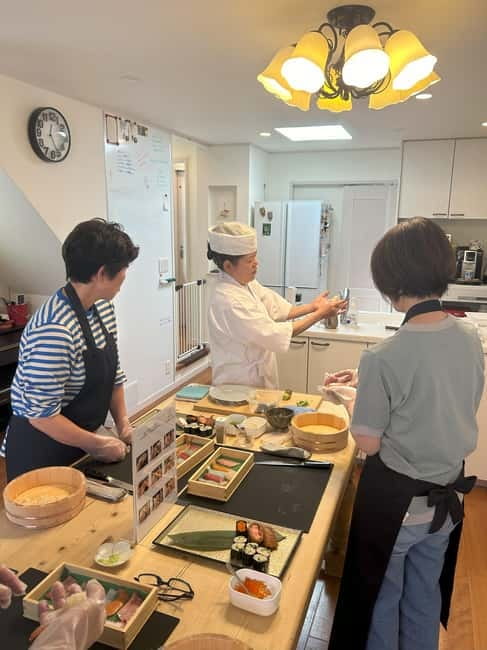
This is a 3-hour cooking lesson. You will spend that time learning technique and then turning it into food you eat at the end. The process starts with the foundation, then builds outward into shapes and toppings.
Here is the typical flow you should expect:
1) Fish preparation, and why sushi handling is a skill
Before you start shaping sushi, the lesson includes a demonstration of how fish is prepared for sushi. That matters because sushi is not just assembly. It is also about handling, portioning, and respecting the ingredients.
Even if you never plan to buy sushi-grade fish for home use, this part helps you understand why good sushi tastes clean and consistent. You also pick up a basic respect for how carefully Japanese cooks think about seafood, which changes how you order sushi afterward.
2) Vinegar rice, the base that makes or breaks everything
Then you get into vinegar rice. Sushi rice is where most first-time home attempts go wrong, usually because of rice texture and seasoning balance.
In this class, Akemi walks you through the process from the start, so you are not just copying a method. You are learning what you should look for as you cook, season, and cool the rice. That is the practical difference between a one-time experience and something you can actually repeat later.
More Tokyo tours and experiences for the shortlist




3) Nigiri-zushi, hand-pressed sushi
Next comes Nigiri-zushi, the classic hand-pressed pieces. This is where you learn technique you can feel in your hands. You will combine rice with seafood topping, then learn how to shape and pair them so they hold together without turning into mush or a sloppy pile.
Nigiri is also a good confidence boost. Once you understand rice texture and topping placement, the rest of the sushi styles start to make more sense.
4) Maki-sushi, rolled sushi
Then you move to Maki-sushi, the rolled style. Rolling sounds simple until you try it and realize you need consistent pressure, clean edges, and a filling that does not bulge out.
You learn how to roll in a way that is achievable at home, not just in a restaurant setting with specialized tools and staff. If you have ever watched maki videos and wondered why yours never looks right, this is exactly the skill you want to see taught.
5) Gun-kan (battleship sushi)
Gun-kan is the battleship sushi style, shaped in a way that holds topping like a bowl. This is a fun one because it is recognizable and different from the hand-pressed and rolled forms.
This section also teaches you something important about sushi variety. Sushi is not only about tuna on rice. It is about shape, texture, and how toppings are presented so they stay intact and balanced.
6) Inari, fried tofu pockets
Finally, you make Inari, fried tofu pockets filled with seasoned rice. This one can be a surprise if you usually think of sushi as raw seafood. Inari shows how sushi culture uses contrasting flavors, in this case sweet-savory tofu and fragrant rice.
From the experience feedback, the tofu Inari tends to be a standout because it feels like you discovered a different side of sushi rather than repeating the same flavors.
Four sushi types, one lesson, and the value of the set format
You will learn to make four kinds of sushi in one sitting, which is a smart way to spend your time. Instead of doing one style deeply and leaving the others untouched, this lesson gives you a full sampler of sushi techniques.
One trade-off: it uses a set menu, so you do not pick and choose which sushi you make. For most people, that is not a downside, because the menu covers variety. But if you have one very specific sushi style you want, you will need to be okay with the class deciding the mix.
The upside is that you leave with a broader foundation. You will understand how rice behaves across styles, how toppings interact, and how each shape changes the bite.
Japanese food culture and Edo-era sushi context, not just technique
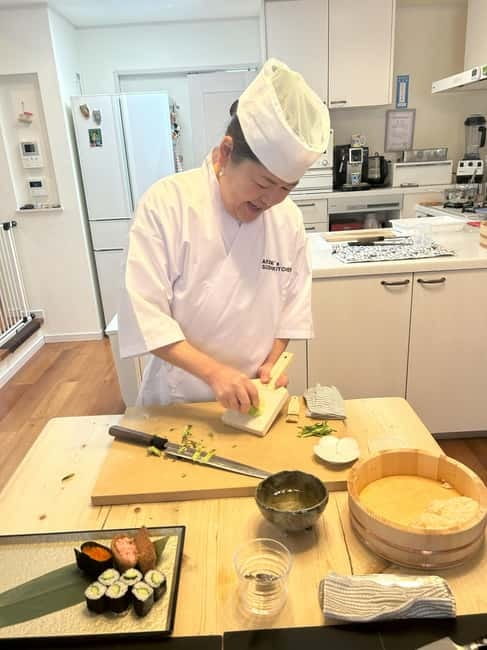
This class includes more than cooking steps. Akemi explains the history and cultural side of sushi, including origins tied to Edo sushi. That context is helpful because it gives you a way to understand what you are tasting.
When you know why sushi developed, you can taste with more attention. You notice the relationship between rice and topping. You start to see sushi as a craft built on balance, not just a set of ingredients.
That matters if you plan to eat sushi again during your Tokyo trip. You will read menus differently, and you will likely ask better questions at counters.
Lunch or dinner you make yourself, plus sake and dessert
The meal part is built into the lesson. At the end, you enjoy lunch or dinner that you prepared, depending on the session you book. The experience runs in the morning or afternoon, so you can choose your timing around your other Tokyo plans.
Adults typically get sake, and dessert is included. Some sessions also include extra drink options such as matcha tea, and desserts like ice cream show up based on what is offered during the session.
This ending is not just a reward. It is how you learn. Cooking is practice, tasting is feedback. When you eat the nigiri, maki, gun-kan, and inari you made, you get a clean reference point for what success tastes like.
Vegetarian option, and how to plan for diets
There is a vegetarian option, and you should indicate your preference when you order. That is important because vegetarian sushi still needs the same rice and seasoning discipline. The class structure suggests you still get to practice the same core skills and sushi forms, just with vegetarian ingredients.
If you are flexible, you may find the Inari and tofu-based flavors particularly satisfying. If you are not, ask early when you book so they can set you up correctly.
Allergy and age limits you should not ignore
Two straightforward rules to respect:
- The experience cannot accommodate customers with food or animal allergies. If you have allergies, tell them beforehand, but be aware the information you have says they cannot host allergy needs.
- It is not suitable for children under 10. That matters if you are traveling with younger kids.
If you fall into either group, you will want to plan an alternative so your day stays smooth.
Logistics that make the day easier, not harder
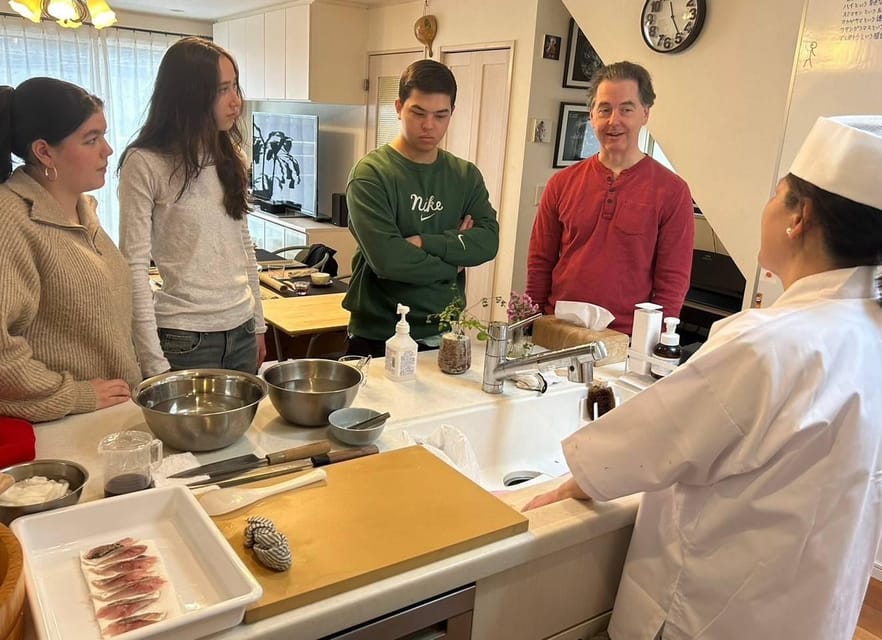
What makes this class work in real life is how they handle arrival. Many people use Google Maps and then do a short walk. If you want less stress, you can arrange to meet at the nearest train station.
Also, because the class is small, you do not spend time waiting in a big group system. That means you can fit it more cleanly into a Tokyo itinerary, whether you are doing a Shinjuku day or a Shibuya day.
For timing, pick the session that matches your eating rhythm. If you want a calmer morning, take the morning lesson with lunch. If you prefer a slower afternoon, choose the lesson with dinner.
Price and value: what you are really paying for
At $103 per person for a 3-hour lesson, the price is not “cheap,” but it also is not just paying for a meal. You are paying for:
- Small-group coaching with a trained chef
- A guided process starting with vinegar rice
- Skill-building across four sushi types
- Fish preparation explanation and technique
- A sit-down finish with sake and dessert
In Tokyo, cooking classes can range from casual to very specialized. This one lands in the practical middle: hands-on, structured, and tied to real sushi craft. The home setting also adds a layer of authenticity you usually do not get in bigger commercial venues.
If you love sushi and want a real reason to feel more confident ordering it afterward, this price tends to make sense.
Who this sushi lesson is best for
This is a great fit if you:
- Want hands-on sushi technique, not just eating
- Like learning the story behind what you eat, including Edo-era context
- Prefer a smaller, calmer experience in a Tokyo home kitchen
- Appreciate English instruction, especially with bilingual support
- Are planning your Tokyo trip around Shinjuku or Shibuya and want an easy add-on
It may be less suitable if you need allergy accommodation or if you are traveling with a child under 10.
Should you book Akemi’s SUSHiKiTCHEN?
I think you should book if you want sushi knowledge you can actually use. This lesson is built around the parts that make sushi work: vinegar rice, careful handling, and technique across multiple styles. The fact that you eat what you make, with sake and dessert, turns the class into a full Tokyo meal experience.
Book it sooner if you want a small-group slot, since the class is limited to 6 participants. If you are strict about food restrictions, double-check the allergy and dietary rules first.
If your dream Tokyo souvenir is not a fridge magnet but a skill, and a better sense of what good sushi tastes like, this is a strong choice.
FAQ
How long is Akemi’s SUSHiKiTCHEN sushi cooking lesson?
It runs for 3 hours.
What is included in the price?
You get instruction that includes a fish preparation demonstration, how to make vinegar rice, and how to make four kinds of sushi. You also eat the lunch or dinner you prepare, with sake and dessert.
Can I make vegetarian sushi?
Yes, there is a vegetarian option. You need to indicate your preference when you place your order.
Are children welcome?
The experience is not suitable for children under 10.
Do they accommodate allergies?
No. The experience cannot accommodate customers with food or animal allergies. If you have any allergies, you should let them know beforehand.
What languages are spoken during the lesson?
The instructor teaches in English and Japanese.
Where do I meet the host?
Many people find the house on their own using maps. If you prefer, they can meet you at the nearest train station. You should tell them what you prefer.
More Workshops & Classes in Tokyo
More Cooking Classes in Tokyo
More Tour Reviews in Tokyo





Not for you? Here's more nearby things to do in Tokyo we have reviewed







Tokyo City Tours, side by side.
 ★ 5.01-Day Tokyo Bus TourFrom $12914,250 reviews
 ★ 4.5TOKYO SKYTREE® Admission ticketFrom $1311,192 reviews
 ★ 4.6teamLab Planets TOKYO Digital Art Museum Entry TicketFrom $259,779 reviews
 ★ 4.0Mt Fuji & Hakone Cruise, Drum Show Bullet Train 1 Day from TokyoFrom $1497,413 reviews
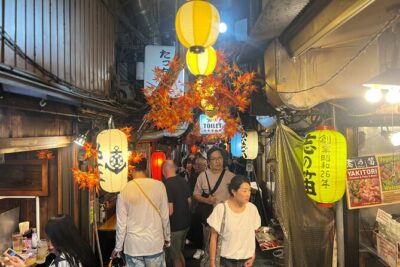 ★ 5.0Shinjuku Food Tour (13 Dishes at 4 Local Eateries)From $866,603 reviews
 ★ 4.4Tokyo Mt Fuji 5th St & Hakone Cruise Bus Tour w/Bullet TrainFrom $1545,024 reviews
 ★ 5.0Flagship 2-Hours Official Street Go-Kart Tour – Tokyo Bay ShopFrom $644,974 reviews
 ★ 4.5From Tokyo: Mount Fuji Full-Day Sightseeing TripFrom $684,970 reviews
This tour also belongs to