
Review · ASAKUSA TOURS
Asakusa Classic Ramen & Crispy Gyoza Cooking Class
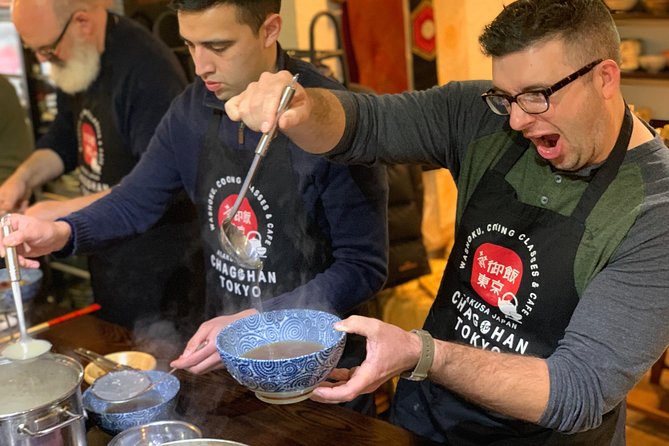
Ramen gets real when you cook it, not order. This Asakusa ramen and gyoza class is built around hands-on practice: you learn the base and broth, shape and fold dumplings, and finish with a bowl you assembled yourself. It takes place in a real local kitchen setting near Nishiasakusa.
I like two things most. First, the teaching is very practical, led by Masa and Junko, the husband-and-wife team behind the class. Second, you leave with recipes so you can re-create what you learned at home, not just a full stomach for the moment.
One consideration: the ramen part is not the same as tossing ingredients together. You may do plenty yourself, but the shoyu stock and broth have many steps, and some cooking can be handled by the chef during class. Also, gyoza prep includes knife work, so you’ll want to pick participants who can handle that safely.
Key points at a glance
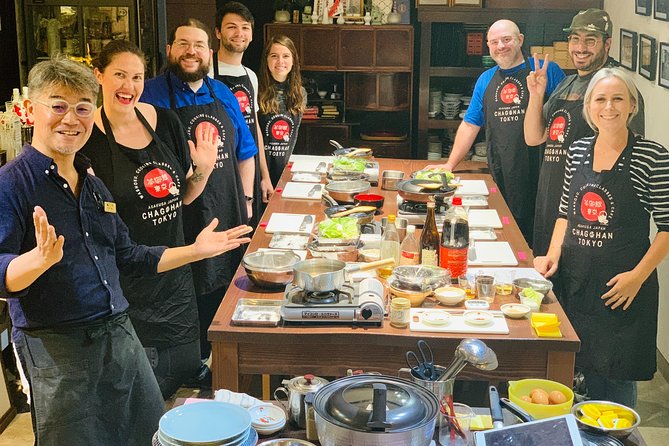
- Small group (max 8) with plenty of attention, photos, and clear step-by-step guidance
- Ramen broth and base from scratch, plus toppings you prepare as part of building the bowl
- Crispy gyoza practice with vegetable cutting techniques and hand-folding dumplings
- No MSG, natural ingredients are used, with options for vegetarian and vegan diets (advance notice)
- Apron and utensils provided, so you can show up ready to cook
- Recipes included so your ramen and gyoza can live on after Tokyo
Asakusa ramen and gyoza, in a real kitchen setup
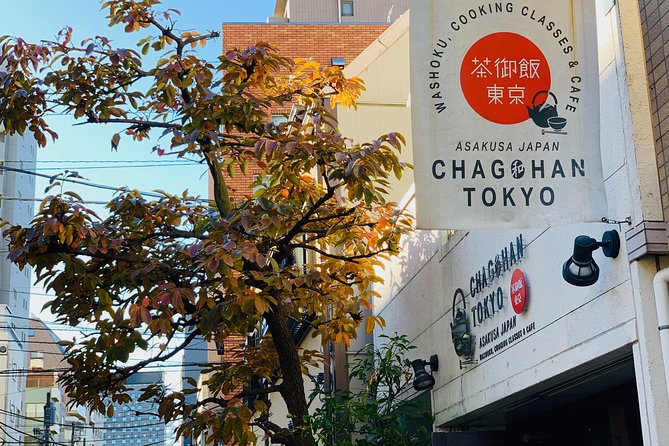
This class is anchored in Nishiasakusa, near Asakusa, with a start point at 茶御飯東京 Chagohan Tokyo, Taito City, Nishiasakusa, 2-chōme 17-13, 1F. That matters because you are not doing a demo from behind glass. You are working in the kind of clean, organized kitchen where you can actually practice technique, ask questions, and see what good looks like.
The setting also helps the class move faster. The format is a 3-hour session, offered morning (10:00 a.m. to 1:00 p.m.) and afternoon (3:00 p.m. to 6:00 p.m.). In that window, you cover ramen base and broth, toppings, and gyoza filling and folding, then sit down and eat what you made.
Group size is capped at 8. That small number shows up in how the teachers can correct your folds and guide your workflow. It is a good fit for couples, families, and small friend groups, and the reviews strongly suggest the vibe is welcoming and playful, not stiff or intimidating.
You can also read our reviews of more cooking classes in Tokyo

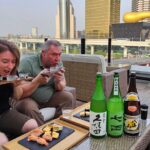
Your hands-on menu: shoyu ramen and crispy gyoza
The core promise here is simple: you make ramen and gyoza from scratch, then you eat it. The class description focuses on three big production tracks.
1) Ramen broth and base from scratch
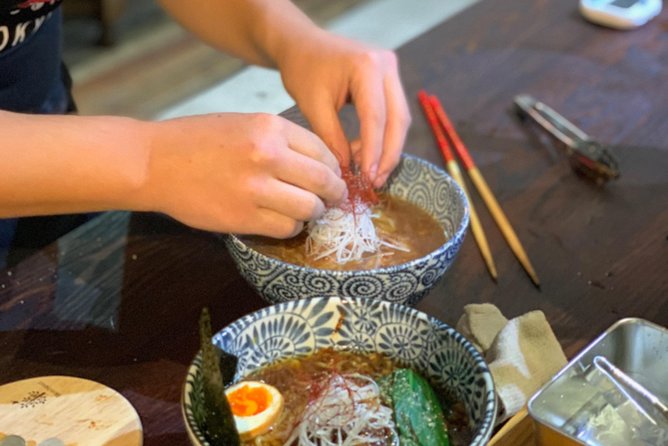
You prepare ramen base and broth, which is where flavor starts. You also prep toppings as part of assembling your final bowl. The goal is not just to enjoy ramen, but to understand how shoyu-style flavor is built.
2) Gyoza filling and hand-folding
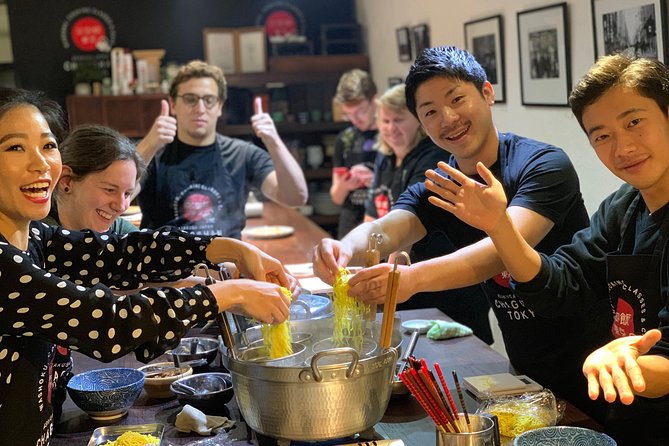
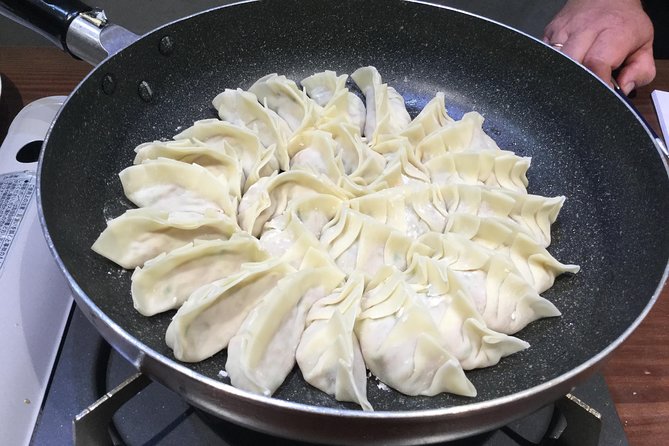
You make gyoza filling, then fold dumplings by hand. The class includes vegetable cutting techniques, so you learn the practical prep work that affects texture and taste.
3) A finished, photogenic bowl
At the end, you assemble a gorgeous bowl of ramen. You also get to eat the gyoza and ramen you produced during class.
A couple reviews point out an important nuance. Some ramen steps, especially in broth-making, may involve the chef doing parts of the work while explaining the rest. That is not a bad thing. It keeps the class within the time limit. Still, it means the learning is strongest when you focus on what each step is supposed to accomplish, not only on whether every spoonful was yours.
How the ramen lesson helps you cook at home
What makes this class valuable for ramen lovers is the emphasis on the structure of the dish. Shoyu ramen is not one flavor bomb. It is layering: base, broth, seasoning, then toppings and assembly. Even if you are not an expert cook, the class is designed to break the process into teachable steps.
You’ll learn how the ramen base and broth are prepared from scratch, plus you’ll prep toppings. That gives you more than a recipe list. You get a mental model: what the broth is meant to taste like, and how ingredients contribute.
This matters if you plan to cook again back home. A lot of people can follow a basic dumpling recipe. Ramen broth is a different challenge because it takes time and attention. One review even hints at this directly, saying the ramen at home was less certain than the gyoza, because the shoyu stock has many steps. I think that is a fair way to look at it.
So here’s the practical takeaway for your planning: if you want a confidence boost, you will likely feel strongest about gyoza. For ramen, treat the class as your launchpad. Use the recipe and pay attention to the steps that were hardest to understand in class. That is where your future success will come from.
Gyoza technique: crispy crunch starts with prep
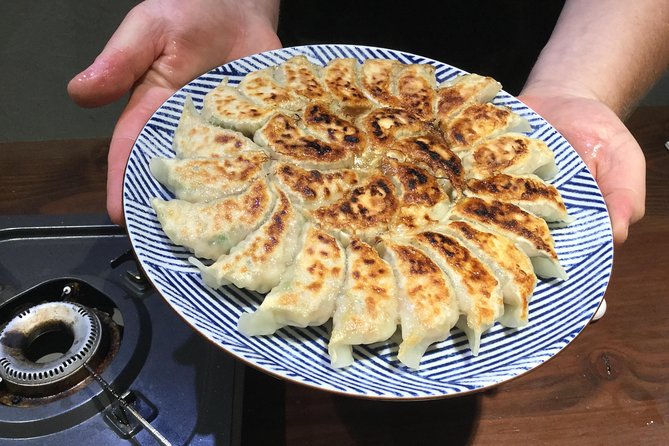
Gyoza is the other star of this class, and it gets the right kind of training focus: filling, folding, and crisping. The class description calls out that you’ll make dumplings that are juicy inside and crisp outside, which is exactly what you want to reproduce later.
The process includes:
- Cutting vegetables using specific techniques
- Making the gyoza filling
- Folding dumplings by hand
This is hands-on work. Reviews mention that there is a fair bit of knife work in the prep, so if you are traveling with teens, pick kids who are comfortable with careful cutting. With the right participants, the reward is big because you get to see how the small decisions affect the final bite.
Also, the folding practice has a payoff beyond looks. Fold consistency helps with even cooking and better texture. Even if your folds are not identical to the teacher’s, the class helps you get close enough that the dumplings cook properly.
If you care about crunch, this is worth it. The class aims for a gyoza that you can describe in texture terms: crisp, crunchy, with a juicy interior. That is the kind of result people chase in Tokyo restaurants.
Meeting Masa and Junko: clear teaching, good humor, good pacing
This class is run by Masa and Junko, and the reviews paint them as a genuinely fun, organized duo. Masa leads the class and teaching, including history and culture around ramen and Japanese cooking spirit. Junko is involved with photos and videos during the session, which means you get memory help without asking.
For you, the best part is pacing and clarity. Multiple reviews highlight step-by-step instruction and the feeling that they guide you through the process, not around it. One review even notes that Masa and Junko have English that makes a language barrier less of a problem. That matters because cooking classes can be stressful when directions are hard to follow.
A small but real detail: the kitchen is described as clean and well organized. That affects confidence. If you feel safe with your workspace and tools, you cook better.
More Tokyo tours and experiences for the shortlist



What’s provided, and what you should bring
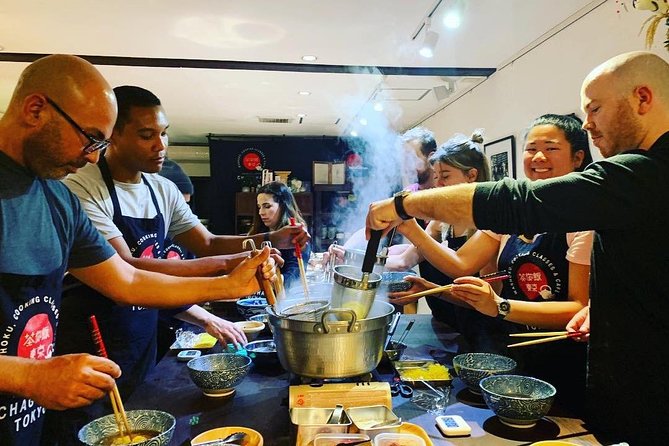
You do not need to bring much cooking gear. The class provides:
- Apron and utensils
- All natural ingredients (and the ingredients avoid MSG or artificial additives)
The location is near public transportation, which helps if you are fitting this into a packed Asakusa day. The meeting point is 1F at Chagohan Tokyo, so give yourself extra time to find it without rushing.
What you should bring is simply the mindset of learning technique. You are not just attending a meal. You are practicing ramen base and broth steps, gyoza filling, cutting, and folding. Come hungry, but also prepared to focus for the full 3 hours so your final bowl makes sense.
Diet options: vegetarian and vegan with advance notice
If you eat vegetarian or vegan, this class includes a path to join. Vegetarian and vegan options are available with advance notice.
That’s a meaningful detail because ramen and gyoza are often built on animal-based flavors. Having options reduces the chance you end up with a watered-down version of the meal.
Practical advice: when you book, ask early for dietary accommodations. Don’t leave it until the day of class. The data clearly ties options to advance notice, which means the kitchen needs time to prepare.
Price and value: what $167.81 gets you in Tokyo
At $167.81 per person for about 3 hours, this is not a budget activity. But it is also not a vague, hands-waving “cooking experience.” You’re paying for a small-group kitchen session where you learn ramen broth fundamentals and gyoza folding and crisping, plus you eat what you make.
Here is how the value math works for most people:
- Small group size (max 8) means more teacher attention.
- Ingredients are provided, and the kitchen setup includes apron and utensils.
- Recipes are included so you can repeat at least part of the process at home.
- The final meal is part of the package, not an optional extra.
Also, the class is described as a good choice for ramen lovers because you learn both components in one session: ramen and gyoza. That saves time compared to booking separate dumpling-only and ramen-only classes.
If your goal is only to eat excellent ramen, you’ll be able to do that cheaper across Tokyo. But if your goal is to leave with technique, recipes, and a better understanding of shoyu ramen and crisp gyoza, the price starts to make more sense.
Who should book this class, and who might skip it
Book this if:
- You love ramen and gyoza and want to move past ordering.
- You learn best with hands-on cooking and clear guidance.
- You want recipes you can use after you return home.
- You are traveling with family or friends who enjoy cooking activities together.
- You appreciate a small-group format with a couple running the show.
Consider skipping or choosing a different class if:
- You want every step of ramen broth cooking to be fully hands-on. Some steps may be handled by the chef while explaining.
- Knife work could be an issue for younger children. The prep includes vegetable cutting, and some reviews note the effort level for teens.
- You expect a purely beginner, zero-focus class. Even with guidance, making shoyu stock and building a ramen bowl is multi-step work.
For first-timers, I’d still say it can work. The class is designed for beginners, and the instruction is described as very clear. Just know that the ramen part takes more effort than the gyoza part.
Quick schedule tips for your Tokyo day
You have two choices: 10:00 a.m. to 1:00 p.m., or 3:00 p.m. to 6:00 p.m. Both windows are long enough to finish everything, eat, and still have time for an Asakusa stroll afterward.
Because the class ends back at the meeting point, plan the rest of your day around a nearby route. Nishiasakusa is a great neighborhood to connect to other Tokyo sights, but the key is not to book a second activity that depends on you arriving right on the clock.
If you are the type who likes to breathe before a class, grab a simple snack before you start. Cooking can make you forget to eat until the end, and you want your energy level steady.
Should you book the Asakusa Classic Ramen & Crispy Gyoza class?
I’d book it if you are a ramen person who also wants to learn technique, not just taste. The strongest reasons to say yes are the mix of ramen broth learning plus gyoza folding and crisping, the small-group cap at 8, and the fact that you get recipes to repeat later. Masa and Junko also come through in the reviews as clear, funny, and encouraging, which makes the work feel doable even if you are not a confident cook.
I’d think twice if you mainly want a low-effort meal experience or you want to avoid any knife work. The ramen broth process has multiple steps, and the class may involve some chef execution while you learn the flow.
If you fit the profile, this is one of those Tokyo activities that turns into a story you can actually recreate at home.
More Workshops & Classes in Tokyo
More Cooking Classes in Tokyo
More Tour Reviews in Tokyo






Not for you? Here's more nearby things to do in Tokyo we have reviewed






Asakusa Tours, side by side.
 ★ 4.8Japanese Dance Cabaret Theater Asakusa-Kaguwa TicketFrom $492,270 reviews
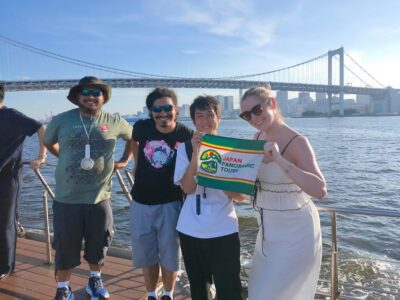 ★ 4.7Meiji Shrine, Asakusa, Skytree Bus Tour and CruiseFrom $1221,986 reviews
 ★ 4.9Roll and Authentic Sushi Making Class in AsakusaFrom $581,957 reviews
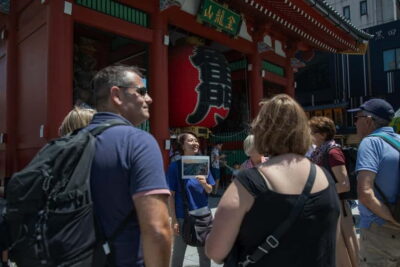 ★ 4.8Asakusa Walking Tour with Sensoji Temple VisitFrom $221,583 reviews
 ★ 5.0Tokyo Asakusa Rickshaw TourFrom $421,375 reviews
 ★ 4.5Tokyo Panoramic 1 Day: Meiji Shrine, Asakusa, Odaiba and SKYTREE®From $851,222 reviews
 ★ 5.0Tokyo Go Kart: Asakusa, Skytree, and Akihabara **IDP MUST**From $99988 reviews
 ★ 4.7Asakusa, Skytree & Akhihabara Go-Kart City ExperienceFrom $96761 reviews
This tour also belongs to