
Review · TOKYO CITY TOURS
Giant Sushi Cooking Class: Make a 1.5m Sushi Roll in Tokyo
A sushi roll, bigger than your arm. In Meguro, you learn to build a 1.5m maki from scratch, then cut, serve, and eat it.
I like that it is truly hands-on and paced with real instruction, not just a quick demo. I also love the focus on sushi rice and nori, so you learn skills that make sense beyond this single class.
One consideration is the day runs about 12 hours (approx.), so it is worth planning your schedule and snacks accordingly.
Giant 1.5m Sushi in Meguro: key highlights
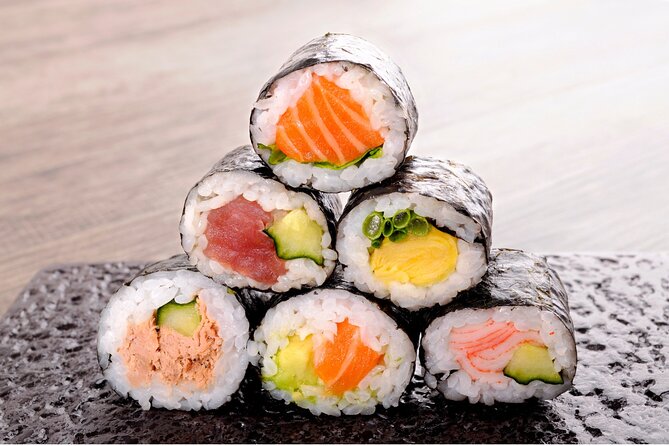
- A 1.5m sushi maki roll, rolled with the right pressure, then cut and served
- Step-by-step prep of fish and avocado fillings, plus nori handling
- Sushi rice know-how, including what makes it unique
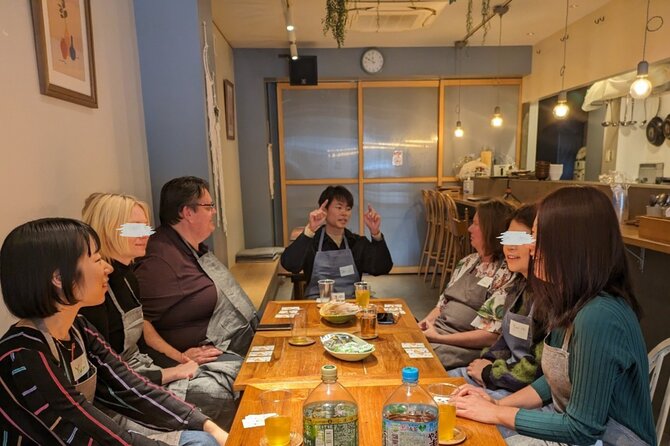
- Casual starter atmosphere, including Japanese snacks and social games at the cafe
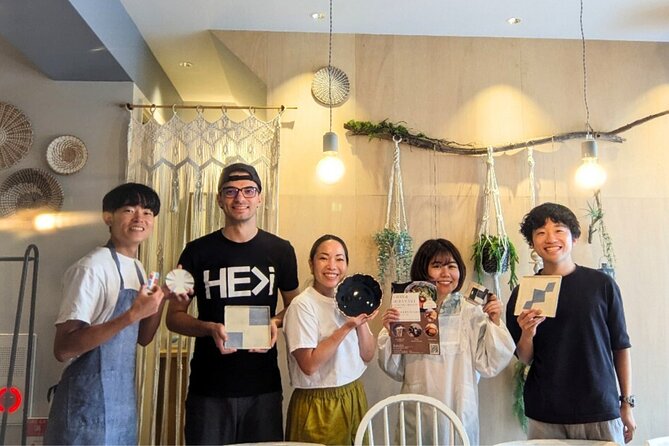
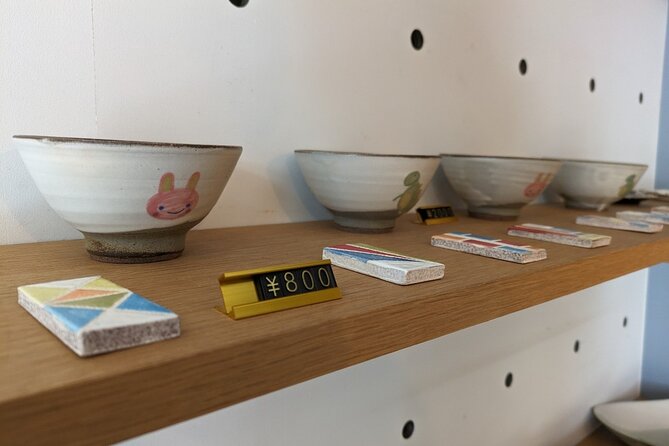
- Handmade serving plates painted by local artists, with an onsite shop to buy yours
- Small group size, capped at 12 travelers for a more personal class flow
Why a 1.5m sushi roll feels like Tokyo, not a theme park
Tokyo has plenty of sushi options, but this experience plays with the format. Instead of bite-sized pieces, you make one long maki log that you actually roll, cut, and serve like a centerpiece. That change alone makes it memorable, because it forces you to learn technique, not just follow directions.
I also like the goal of the class: you are building a skill you can repeat at home. The hosts use everyday tools and equipment, which matters if you do not want your new hobby to depend on buying a specialized gadget kit.
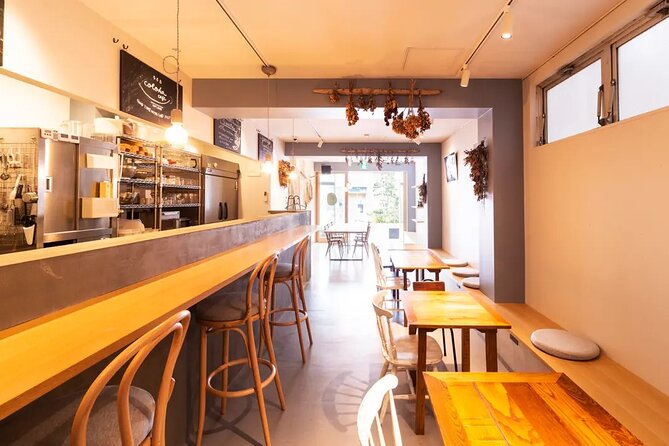
There is also a built-in sense of fun. You start in a cafe setting near the station, with Japanese snacks and social games that help even shy solo travelers feel comfortable.
You can also read our reviews of more cooking classes in Tokyo


Where you start in Meguro and how the day tends to flow
The meeting point is in Meguro, at 2 Chome-3 Senzoku, Meguro City, Tokyo 152-0012, Japan, and the activity ends back at the same spot. The location puts you in a very practical area, not far from public transportation.
Based on how the class is described, you will likely spend part of your time at a cafe near the station, about a 10-minute walk. That matters because it gives you a warm-up before the cooking starts, and it is not just straight into the kitchen with no breathing room.
The overall duration is listed at about 12 hours. For planning, assume you will want a calm start, water on hand, and a flexible day where you are not racing between commitments. This is not a quick after-work activity.
Inside the kitchen lesson: nori, rice, fillings, and why each step matters
The class is designed so you touch every major part of the sushi process. You start with prep, learning how to handle nori (seaweed) and how the rice comes together. Then you work on fillings like fish and avocado, building the components that make the final roll work.
Nori handling: more than just laying seaweed down
Nori can get brittle or end up uneven if you treat it casually. Here, you learn how to prepare and lay out the nori sheets, which sets the foundation for a clean roll. This is one of those small skills that changes everything, because uneven nori makes it harder to form the log shape.
Sushi rice basics: the part people get wrong at home
You will learn what makes sushi rice unique, and that is the real takeaway. Sushi rice is not just cooked rice, it has a specific texture and seasoning style that helps it hold together during rolling.
In practical terms, this is where the class helps you most. If your rice is too dry or too wet, the roll either cracks or squishes. If you have never made sushi rice before, this portion gives you a mental model you can reuse later.
More Tokyo tours and experiences for the shortlist



Fillings: fish and avocado in a balanced, rollable mix
You will prepare the fish and avocado fillings during the class. You are not just chopping ingredients and hoping for the best, you learn how to set up the filling so it spreads and stays in place as you roll.
The hosts also guide you with the order of work. You place sushi rice and fillings on the nori in a way that makes rolling easier, because the roll depends on distribution, not luck.
Sesame seeds: the finishing cue
Once your rice and fillings are in place, you finish with a sprinkling of sesame seeds. This step is small, but it helps you see how presentation and flavor happen together in sushi making. You learn that the roll is not only structure, it is also texture.
The rolling challenge: getting a 1.5m log shape with the right pressure
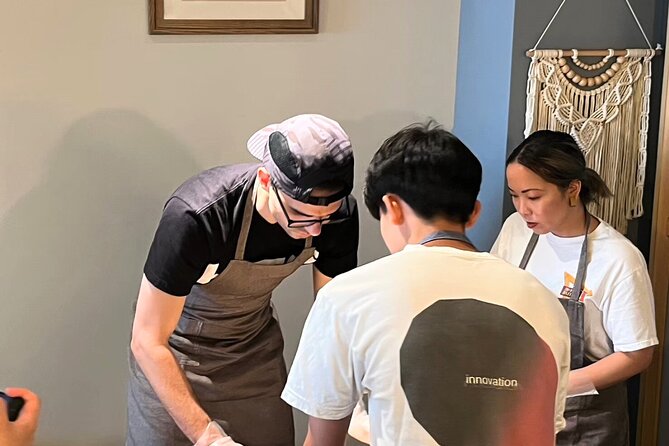
Rolling a normal maki already requires attention. Rolling a 1.5m sushi roll is a different kind of test.
You will learn to roll the creation into that iconic log shape using the right amount of pressure. Too light and the roll falls apart. Too firm and you compress everything so it becomes hard to cut neatly.
This is where the small group size really helps. With a maximum of 12 travelers, you are more likely to get real feedback on your hand position and roll tightness, not just watch and hope.
Practical tip you can carry home
As you roll, pay attention to the way the nori grips the rice. That grip is what turns layers into a single cylinder. When you make this at home, your goal is the same, consistent contact across the whole length.
What to expect when rolling gets awkward
Even with good instruction, the middle section can be tricky on a long roll. Do not panic if your first attempts look uneven. The class structure is set up so you build the skill step by step, so you can focus on correcting pressure and alignment rather than trying to be perfect instantly.
Cutting, plating, and eating your giant maki
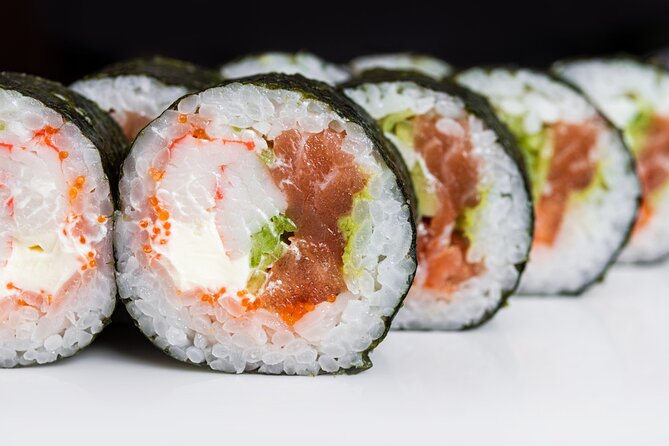
Once your roll is ready, you cut it and serve it. The class provides beautiful Japanese dishware for serving, and these plates are crafted and painted by hand by local artists.
That part matters more than you might think. Sushi is usually served on clean, simple pieces of tableware, so the plate helps you see the food the way it is meant to be seen. It also turns your meal into an event, not just a snack you eat and forget.
After serving, you enjoy what you made. You are building the kind of lunch or meal where you can actually taste the difference between good technique and rushed technique, especially in the rice texture and overall roll structure.
Want the plate after class?
Each plate is described as a unique piece designed by local artists. They are available to purchase at the onsite shop at the end of the class, which is a nice memory you can take home.
Value check: does $50 make sense for this class?
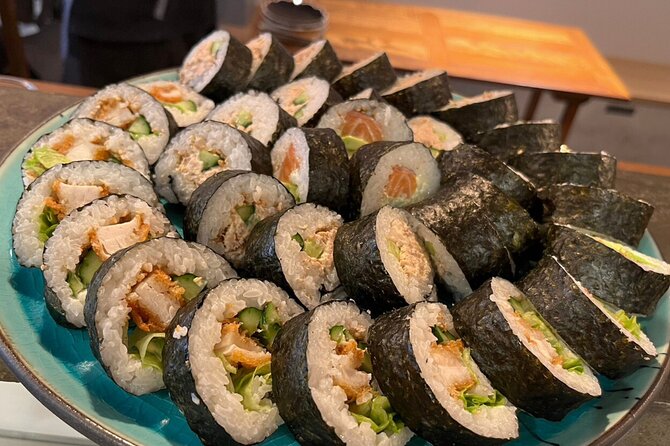
At $50, this is a good value if you care about hands-on learning and not just taking photos. You are making a large roll, and you are taught multiple parts of the process: rice, nori, fillings, rolling technique, then cutting and serving.
The class also includes small extras that raise the overall experience. Starting at a cafe with Japanese snacks and social games adds comfort, especially if you are traveling solo or with kids who need a friendly on-ramp.
The main trade-off is time. About 12 hours is a big chunk of your Tokyo day. If you are trying to cram in several neighborhoods, this may feel like too much. If you want one anchor activity where you learn something real, it is easier to justify.
Also, the handmade plate and the fact you can buy it at the end can add value. Even if you do not purchase, it is a memorable part of the meal.
Who should book this giant sushi class
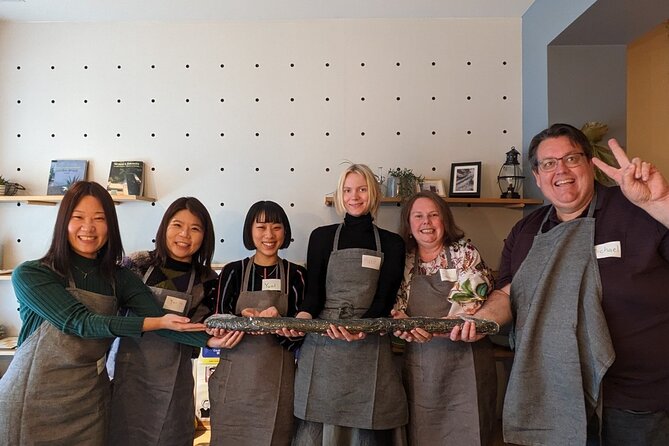
This experience is a strong fit for families, couples, and solo adventurers who want a hands-on food activity in Tokyo. The capped group size also makes it friendlier for people who prefer not to get lost in a crowd.
You should particularly consider it if you:
- like food lessons where you take home a real skill
- want something more interactive than a tasting
- are curious about sushi rice technique, not just sushi flavors
- enjoy cooking with guidance and want to ask questions in real time
You might skip it if:
- you only have time for a short class window
- you prefer very light, minimal food activities
- you do not want a full-day schedule (since the duration is listed as about 12 hours)
FAQ
FAQ
Where does the class start?
The class starts at 2 Chome-3 Senzoku, Meguro City, Tokyo 152-0012, Japan.
How long is the experience?
The duration is listed as about 12 hours (approx.).
How much does the giant sushi class cost?
The price is $50.
Is this a hands-on cooking class?
Yes. You prepare sushi components, roll a 1.5m sushi maki, then cut, serve, and enjoy it.
What size sushi roll will I make?
You will make a 1.5m sushi roll (sushi maki).
Is the group size limited?
Yes. The maximum group size is 12 travelers.
Can I cancel and get a full refund?
Yes, you can cancel for a full refund up to 24 hours in advance of the experience start time.
Should you book Giant Sushi Cooking Class in Tokyo?
If you want a sushi experience that teaches real technique, this is an easy yes. The 1.5m roll format forces you to learn rice, nori, filling setup, and rolling pressure, then you get to cut and serve your work on handmade plates. For $50, it feels like solid value, especially with a small group limit.
Just be honest with your calendar. A day that runs about 12 hours is not for a rushed itinerary. If you can give it the time, you will leave with a skill you can use again, not just a photo.
More Workshops & Classes in Tokyo
More Cooking Classes in Tokyo
More Tour Reviews in Tokyo






Not for you? Here's more nearby things to do in Tokyo we have reviewed












Tokyo City Tours, side by side.
 ★ 5.01-Day Tokyo Bus TourFrom $12914,250 reviews
 ★ 4.5TOKYO SKYTREE® Admission ticketFrom $1311,192 reviews
 ★ 4.6teamLab Planets TOKYO Digital Art Museum Entry TicketFrom $259,779 reviews
 ★ 4.0Mt Fuji & Hakone Cruise, Drum Show Bullet Train 1 Day from TokyoFrom $1497,413 reviews
 ★ 5.0Shinjuku Food Tour (13 Dishes at 4 Local Eateries)From $866,603 reviews
 ★ 4.4Tokyo Mt Fuji 5th St & Hakone Cruise Bus Tour w/Bullet TrainFrom $1545,024 reviews
 ★ 5.0Flagship 2-Hours Official Street Go-Kart Tour – Tokyo Bay ShopFrom $644,974 reviews
 ★ 4.5From Tokyo: Mount Fuji Full-Day Sightseeing TripFrom $684,970 reviews
This tour also belongs to