
Review · TOKYO CITY TOURS
Gyoza Making from Scratch- Tokyo Ultimate Cooking Class
Gyoza takes work, and you do it all. This Tokyo cooking class has you making gyoza wrappers and filling from scratch, then folding and pan-frying yaki-gyoza at Patia Kitchen with step-by-step English guidance.
I like the small group size (max 12), because it keeps the class hands-on instead of chaotic. I also like that you’ll compare handmade and store-bought wrappers, so you understand what good gyoza texture really feels like.
One consideration is logistics: there’s no hotel pickup, and the session runs about 1 hour 50 minutes, so you’ll want a plan for getting to the studio and staying present through the cooking and eating.
Key highlights you should know before you book
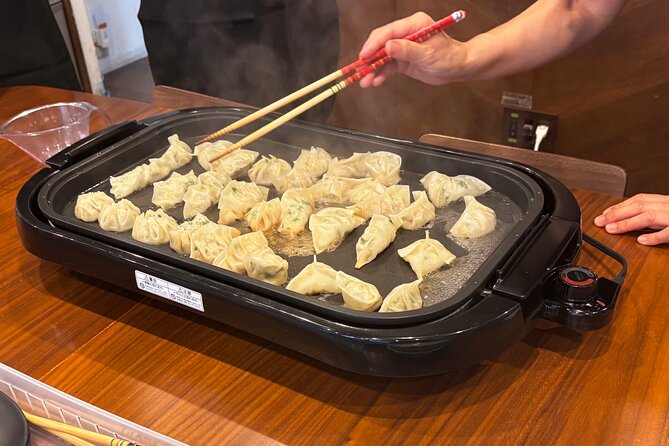
- Gyoza from dough to dumpling: knead the wrapper dough, make the filling, fold, and pan-fry.
- Texture comparison lesson: you’ll fold with both handmade and store-bought wrappers and taste the difference.
- Juicy-filling technique: you’ll learn the secret approach to keeping filling moist.
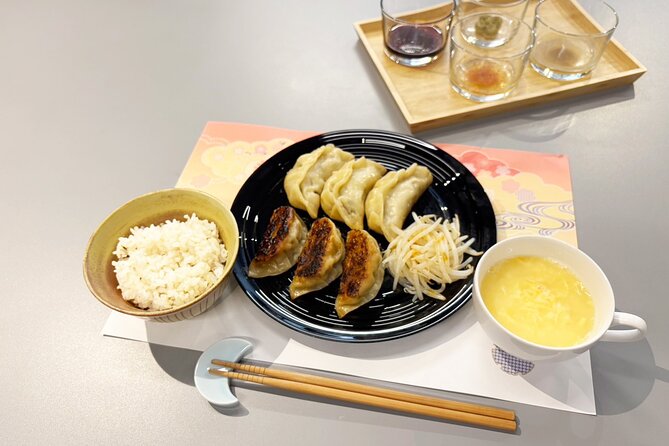
- Full meal setup: you’ll cook yaki-gyoza plus soup and a side dish to eat with it.
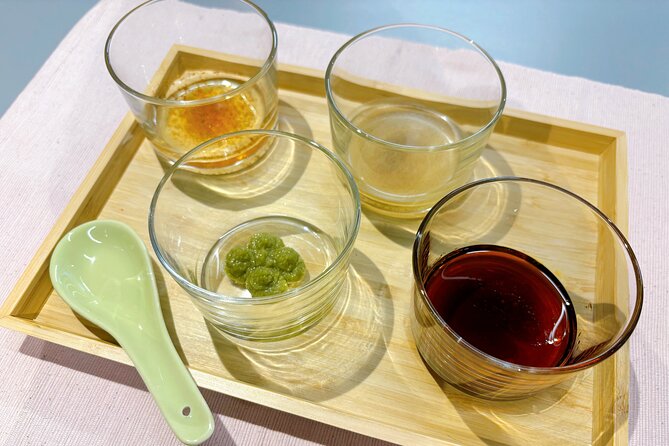
- Dipping sauce variety: you get several dipping options, not just one.
- Take it home: you receive an English recipe and later-downloadable class photos.
Making Gyoza From Scratch at Patia Kitchen (Central Tokyo)
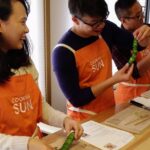
This is a true hands-on Tokyo cooking class focused on gyoza, not a watch-and-nibble demo. You start with the basics and build forward: wrapper dough, filling, folding, then cooking on the pan.
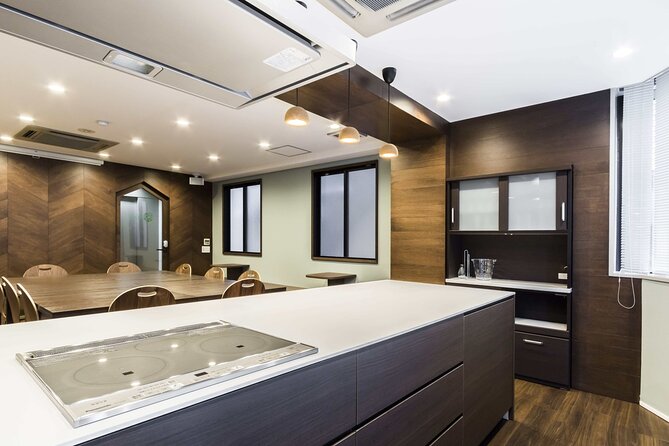
The class runs in modern, stylish Patia Kitchen studios in central Tokyo. That matters because you’re learning fine motor skills like rolling thin wrappers and forming the pleats. A well-equipped kitchen also means you’re less likely to spend the session waiting around, which is a common frustration in some group classes.
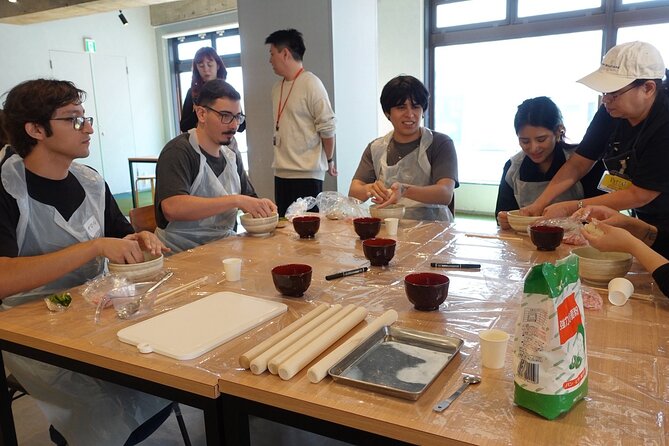
The instruction is English-speaking and step-by-step, which helps when you’re learning something that looks simple but has real technique behind it. You’re also not limited to just one method. You’ll make the wrappers, then fold gyoza using both those wrappers and store-bought ones, so you can see why some dumplings turn out springy and others feel tougher.
One more practical note: the activity ends back at the meeting point, so you do not need to plan an awkward extra stop afterward.
You can also read our reviews of more cooking classes in Tokyo
Your hands-on gyoza workflow, from kneading to pan-frying
The session is structured like a cooking lesson with a clear progression, so you’re not just collecting ingredients. You’ll do all the key stages:
1) Wrapper dough and handmade wrappers
You’ll learn to make the gyoza wrappers from scratch using fresh ingredients. This is the foundation of the class because wrapper thickness and flexibility affect everything: how the pleats hold, how the dumpling browns, and how the texture feels when you bite in.
2) Filling from scratch
You’ll make the filling using fresh ingredients and get instruction on what makes it juicy. That part is more than flavor. It’s about moisture and balance, so the filling doesn’t turn dense or dry once it hits the pan.
3) Folding techniques
You’ll learn folding techniques for gyoza. Folding matters because it’s where dumplings can go wrong. If the seal is weak, the filling can leak. If the pleats are uneven, the dumpling won’t cook consistently or look right. The class format is built so you practice the motion while the instructors guide you.
4) Yaki-gyoza cooking
Then comes the pan-frying stage. You’ll cook yaki-gyoza so you get that classic browned side and the satisfying bite that makes gyoza so addictive.
The best part for me as a value check is that the time is spent doing real work. The class includes meals, so you’re not just learning technique and then going hungry.
Handmade versus store-bought wrappers: why that comparison matters
Many cooking classes teach you one method and call it a day. Here, you’ll fold and cook with both handmade and store-bought wrappers. That comparison is more useful than it sounds.
When you’re making dough yourself, you understand what the wrapper feels like before it hits the pan. You get a sense of how thin, flexible wrappers behave when you pleat them, and how that translates into texture after cooking.
Then you compare that to store-bought wrappers, which are convenient but consistent. You can taste the difference and, more importantly, connect the taste to the technique you just practiced. If you plan to recreate gyoza at home later, this comparison prevents you from guessing.
This is also where you learn what to prioritize when shopping for homemade gyoza. If your goal is the restaurant-style bite, wrapper quality and thickness stop being theoretical.
The juicy filling secret (and how to use it at home)
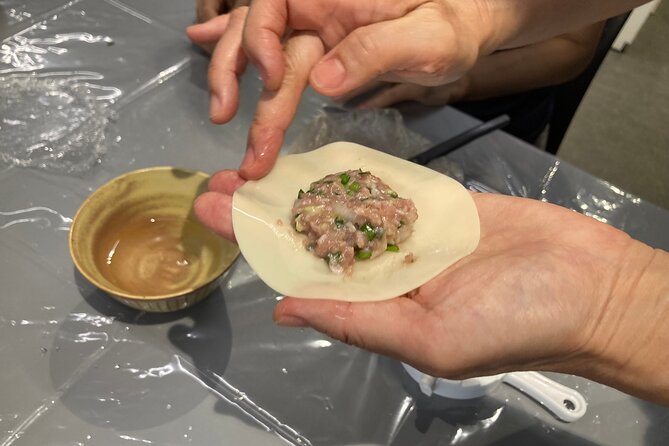
The class specifically includes instruction on the secret to making juicy gyoza filling. While you won’t be handed a single magic ingredient, you will get taught how the filling should be built so it stays moist and tastes lively after cooking.
Why this matters: pan-frying cooks quickly. If the filling is too dry or tightly packed in the wrong way, you’ll end up with dumplings that taste fine but feel heavy. Learning the class approach gives you a repeatable template rather than a one-time lucky batch.
Another useful detail is that you’re using fresh ingredients as part of the process. When you cook at home, you can’t always recreate every ingredient exactly, but you can use the same method and aim for the same texture.
Soup, side dish, and dipping sauces that make the meal complete
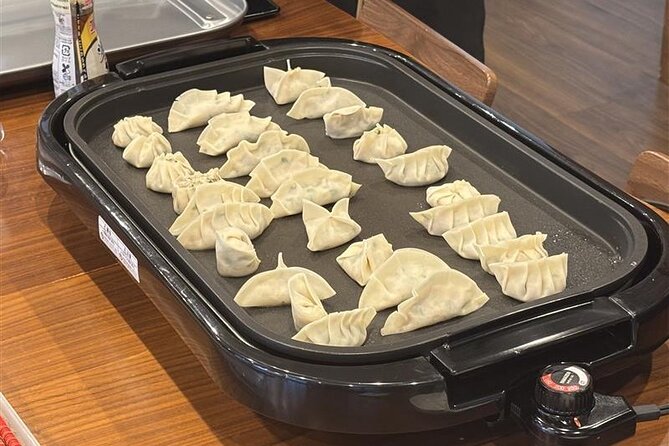
After the cooking, you get to enjoy your gyoza with several different dipping sauces. That turns the class from a single-note dumpling experience into something closer to how you’d eat at a casual izakaya or gyoza spot: different sauces, different bites.
You’ll also learn how to prepare soup and a side dish to enjoy with your gyoza. That adds balance to your plate and gives you more to recreate later. If your plan is to host friends, it’s a practical way to expand beyond just dumplings.
Even though the star is gyoza, this part helps you build a home menu. You’re not left staring at a tray of dumplings wondering what else should go with them.
More Tokyo tours and experiences for the shortlist



Small group size, practical timing, and what to expect when you arrive
The class maxes out at 12 travelers, which is a big deal. In a small group, you get more attention when you’re learning folding technique, and the instructors can notice issues before they become frustrating patterns.
The duration is about 1 hour 50 minutes. That means you should expect a steady rhythm: making, folding, cooking, then eating. There isn’t a lot of slack time for wandering around during the session, so show up ready to cook.
You’ll receive a mobile ticket. Since there’s no hotel pickup, you’ll need to make your own way to the central studio. The good news is the location is near public transportation, so you’re not locked into taxis if you want to control costs.
Also, confirmation is received at booking, which usually helps you plan with less uncertainty once you secure a spot.
Price and value: is $92.24 worth a Tokyo cooking class?
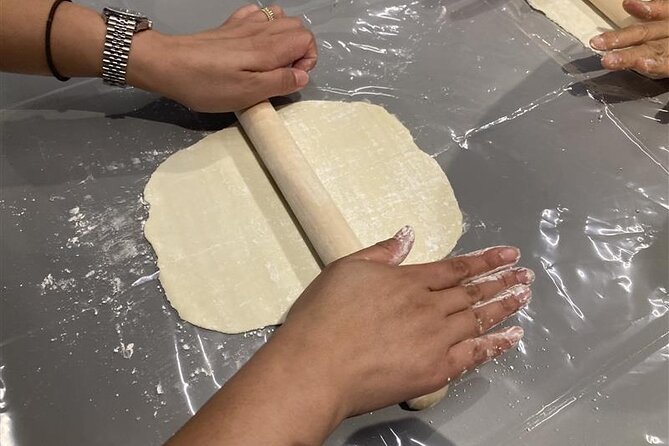
At $92.24 per person, this class isn’t the cheapest way to eat in Tokyo. But it also isn’t just a meal. You’re paying for ingredients, guided technique, and the ability to leave with an English recipe and photo souvenirs.
Here’s what supports the value:
- You make wrappers and filling from scratch, not just assemble dumplings.
- You practice folding technique and cook pan-fried yaki-gyoza.
- You get a full meal component, including soup and a side dish, plus dipping sauces.
- You get an English recipe to recreate it later.
- You receive later-downloadable photos, which help you remember what you did and what the final dumplings should look like.
If you’re someone who learns best by doing, the price starts to make sense fast. If you mainly want a place to eat without effort, you might feel the cost is high for the time. But for hands-on cooks, this is one of those classes that can pay off because you can repeat it at home.
One more timing detail: it’s often booked about 35 days in advance on average. If you have specific days in Tokyo, I’d book early so you’re not stuck with whatever is left.
Dietary option: swapping pork for chicken
If you want chicken instead of pork, the class can accommodate it. Chicken filling is available upon request if you let them know more than 48 hours in advance.
This is worth planning for early. If you wait too close to your date, you may not get the change. So if dietary needs matter to you, add the request as soon as you book.
Take it home: English recipe and digital photos
You get an English recipe to recreate gyoza at home. That’s a practical souvenir. A lot of cooking classes give you memories, but this one gives you a usable guide you can follow later.
You also receive digital photos as a souvenir, via later download during or after the experience. These pictures are helpful in a small, specific way: they remind you what “good” looks like for folds and browning, which can boost confidence when you make gyoza again.
Who should book this gyoza making class?
This class is a strong fit if:
- You want a hands-on Tokyo cooking experience focused on technique.
- You enjoy learning how food is put together, not just eating it.
- You want to understand the difference between wrapper types by tasting and cooking both.
- You’re traveling with mixed ages. The class is described as suitable for all age groups, from young children to seniors.
- You want a repeatable home cooking plan, thanks to the English recipe and the structured process.
You might consider skipping or adjusting expectations if:
- You’re short on time and want a lighter activity. This runs close to two hours.
- You prefer purely passive sightseeing. This is active cooking, from dough onward.
- You rely on hotel pickup. This class does not provide it.
Should you book? My straight answer
Book it if you want one Tokyo activity that teaches you something you can actually repeat, not just a nice meal. The wrapper-to-filling-to-fold-to-pan-fry flow, plus the handmade versus store-bought comparison, is exactly the kind of learning that sticks.
Don’t book it if you’re only looking for dinner and don’t want to cook. Also, plan your transit because there’s no hotel pickup, and the studio is in central Tokyo but still requires you to get there on your own.
If your goal is real gyoza skills, this $92.24 class is a solid value because you get technique, multiple components of a meal, and take-home materials that go beyond photos.
FAQ
How long is the gyoza making class?
The class lasts about 1 hour 50 minutes (approx.).
Is hotel pickup or drop-off included?
No. Hotel pickup and drop-off are not included, so you’ll need to get to the studio on your own.
What filling options are available?
Chicken filling is available upon request. To switch from pork to chicken, you need to let them know more than 48 hours in advance.
What will I learn to cook during the session?
You’ll learn to make gyoza wrappers and filling from scratch, fold the dumplings, and cook yaki-gyoza. You’ll also prepare soup and a side dish to enjoy with your gyoza.
Do I get anything to take home after the class?
Yes. You receive an English recipe to recreate gyoza at home, and later-downloadable photographs as a souvenir.
What is the cancellation policy?
You can cancel for a full refund if you cancel at least 24 hours before the experience’s start time. If you cancel less than 24 hours in advance, the amount paid is not refunded.
More Workshops & Classes in Tokyo
More Cooking Classes in Tokyo
More Tour Reviews in Tokyo






Not for you? Here's more nearby things to do in Tokyo we have reviewed












Tokyo City Tours, side by side.
 ★ 5.01-Day Tokyo Bus TourFrom $12914,250 reviews
 ★ 4.5TOKYO SKYTREE® Admission ticketFrom $1311,192 reviews
 ★ 4.6teamLab Planets TOKYO Digital Art Museum Entry TicketFrom $259,779 reviews
 ★ 4.0Mt Fuji & Hakone Cruise, Drum Show Bullet Train 1 Day from TokyoFrom $1497,413 reviews
 ★ 5.0Shinjuku Food Tour (13 Dishes at 4 Local Eateries)From $866,603 reviews
 ★ 4.4Tokyo Mt Fuji 5th St & Hakone Cruise Bus Tour w/Bullet TrainFrom $1545,024 reviews
 ★ 5.0Flagship 2-Hours Official Street Go-Kart Tour – Tokyo Bay ShopFrom $644,974 reviews
 ★ 4.5From Tokyo: Mount Fuji Full-Day Sightseeing TripFrom $684,970 reviews
This tour also belongs to