
Review · TOKYO CITY TOURS
Japanese Cooking and Udon Making Class in Tokyo with Masako
Cooking starts fast in Masako’s kitchen. You’ll learn udon noodle craft and other Japanese staples in a real home setting, with a warm welcome and hands-on teaching from Masako herself.
Two things I really liked: you skip the ingredient hunt (everything is provided), and the class ends with a personal Kanji calligraphy souvenir. One possible drawback is that this is not a quick, drop-in style activity, and Masako does not accept children for safety reasons.
Key points to know before you go
- Home-kitchen learning: you cook where a family actually lives, not in a commercial studio.
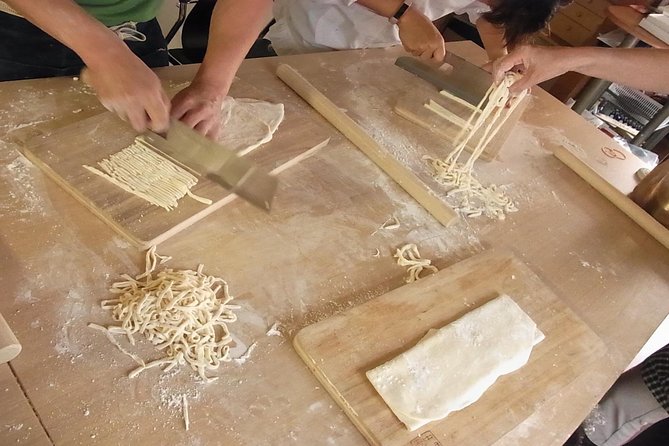
- Udon from scratch: you work the dough and cut/cook the noodles, not just watch.
- Personal touch: your name is written in Kanji calligraphy to take home.
- Meal plus drinks: you eat the multi-course spread you help make, with alcoholic beverages included.
- Private group format: only your group participates, so you get more direct help.
- English support: Masako speaks limited English and a translator is present.
Senju address, real-home vibe, and why that matters
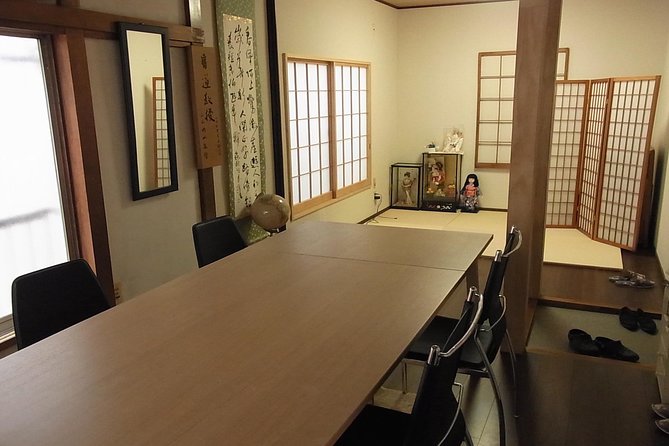
This cooking class happens in Tokyo’s Adachi City, in the Senju area. The meeting point is at Japan, 120-0034 Tokyo, Adachi City, Senju, 4-chōme 275 長円寺, and the class ends back at the same spot. There’s no hotel pickup or drop-off, so you’ll want to plan on using public transportation and arriving a few minutes early to get settled.
What I like about meeting at a fixed, specific address is that it nudges you toward the local rhythm of the neighborhood. You’re not just ticking off Tokyo boxes. You’re stepping into a home kitchen and learning the small, practical things that make Japanese food feel precise.
Also, this is a private tour/activity, meaning only your group participates. Even if you’re coming with a partner, it tends to feel more like a guided dinner with active participation than a crowded class where you’re waiting for your turn.
You can also read our reviews of more cooking classes in Tokyo
The welcome: green tea and Kanji name calligraphy
The first part feels ceremonial, in a friendly way. You’ll be welcomed with a cup of green tea. Then Masako writes your name in Kanji as a calligraphy professional.
This isn’t just decoration. It sets the tone for the whole evening: patient, careful, and personal. It also helps you understand what you’re doing. Japanese cooking has a lot of respect baked in, for ingredients, for technique, for timing. Seeing your name transformed into Kanji at the start makes the experience feel intentionally crafted, not just instructional.
Practical tip: treat the welcome as part of the experience. If you’re the type who wants to rush into cooking, pause for a moment and watch the writing. It’s short, but it’s a great cultural anchor before you start kneading flour and water.
What you actually cook: udon dough to noodles, plus tamagoyaki and tempura
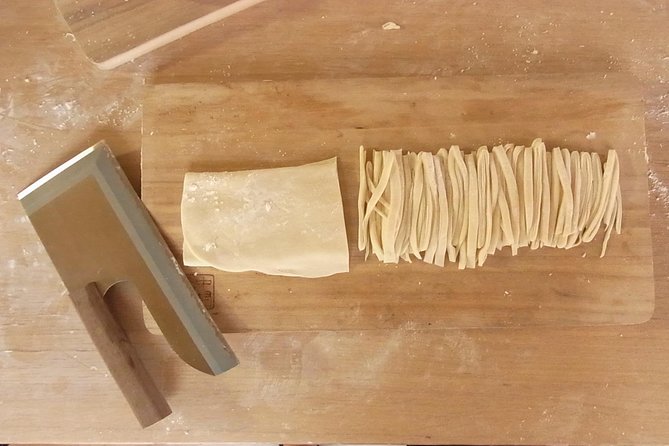
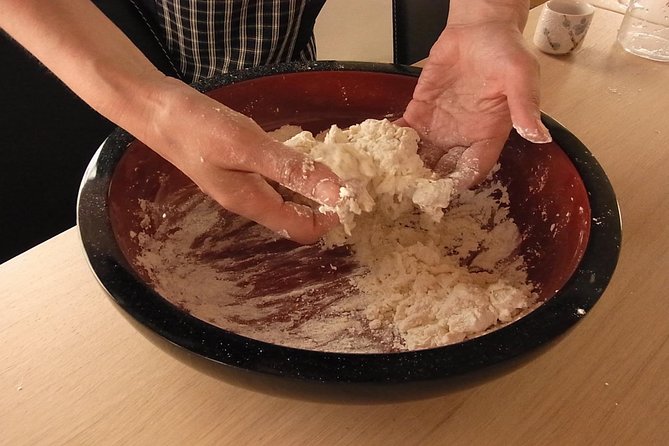
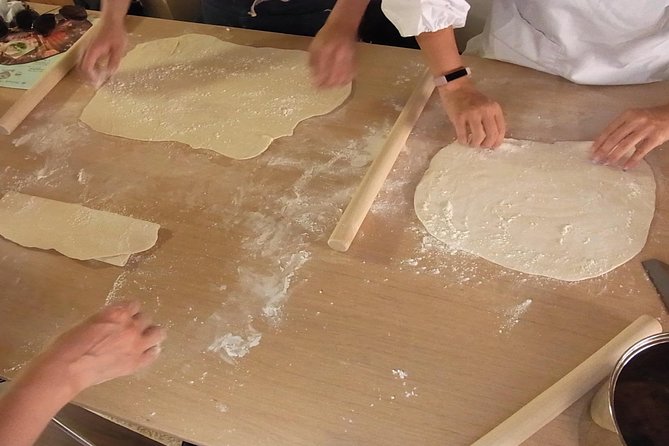
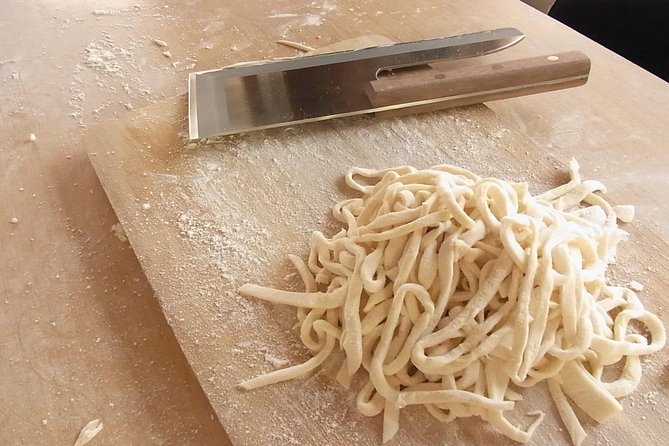
The core skill here is making udon noodles. You’ll learn how to knead the dough, and the whole point is technique. The class description calls out the best way to knead dough, and the hands-on nature matters because dough behavior is something you learn by doing. The consistency, the feel, the resting time, and the cutting process are where the quality comes from.
From the class structure and typical outcomes, you can expect you’ll work in stages:
- mixing and shaping the dough
- kneading until it feels right
- resting the dough
- cutting and cooking the noodles in the following steps
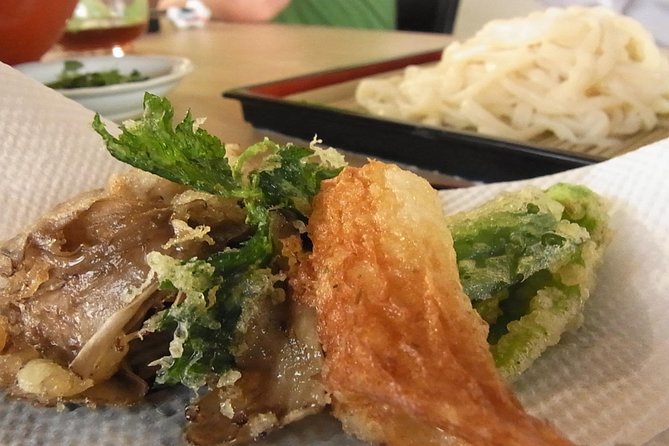
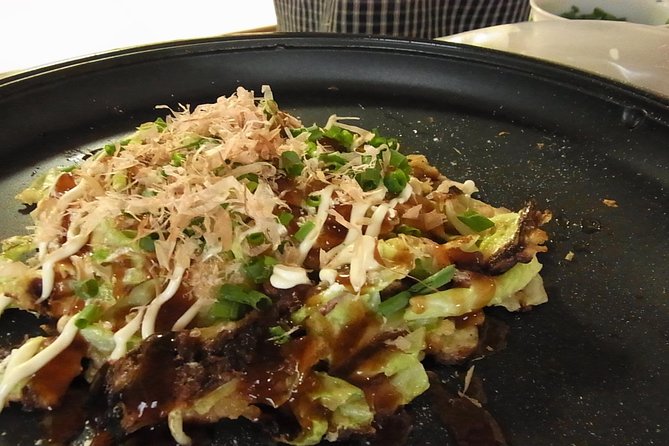
On top of the udon, Masako teaches other Japanese classics. Across the menu choices, you’ll commonly see Japanese omelet (tamagoyaki) and tempura show up as key parts of the meal. People describe learning how to roll tamagoyaki and how to handle tempura components, which usually means you’re not just frying while someone else does the prep. You’re participating in real steps.
One neat detail: tamagoyaki is often described as an egg preparation with sweet elements and miso in at least some menu variations. Tempura is described as vegetables and shrimp in multiple experiences, so you’ll likely get hands-on with more than one ingredient type.
If you’re worried that you must be an experienced cook, you don’t. The way the class is described and the way people talk about it points to clear, step-by-step guidance. You’re learning Japanese home-style technique, not signing up for a high-pressure culinary exam.
Your multi-course meal and drinks: eat what you made
This class is built around one big reward: you eat what you cook. It’s not a tasting-only demo.
The flow is basically cook, then sit down for a multi-course meal with drinks. Alcoholic beverages are included, so you can plan on having a relaxed, celebratory meal instead of treating the class like a fitness session where you’re too busy to eat.
One important detail: Masako offers four menu choices for your meal. The class description encourages you to message her with which meal you prefer. Since the specific options aren’t listed in the information I have here, the smart move is to contact the provider as soon as you book and ask which menu pairing matches what you want most, like udon focus, tamagoyaki focus, or tempura focus.
Dietary needs come up a lot in people’s write-ups. One key takeaway for you: Masako can accommodate diet restrictions, so if you have allergies or dietary preferences, send them in advance rather than hoping for the best.
Language support and how the class runs with a translator present
Masako speaks limited English, and a translator will be present during the experience. That matters because cooking is detailed work, and you need the small instructions to make the noodles and omelet correctly.
At the same time, you might find the class still moves smoothly even if you do not talk much. Cooking has a universal language: hands, timing, and texture. Still, don’t assume you can skate by with only gestures. If you’re curious about technique, ask questions early, especially around kneading and dough feel.
Also keep expectations realistic: even with a translator, this is not a lecture hall. It’s a working kitchen. The best strategy is to focus on what’s happening in front of you and ask follow-up questions when the step finishes.
More Tokyo tours and experiences for the shortlist



Technique you can bring home, not just a full belly
A lot of cooking classes teach you recipes. This one teaches you technique you can repeat.
The class description mentions Masako’s wish is to provide easy-to-prepare dishes that guests can recreate back home. The big “transferable” skills here are:
- kneading dough and knowing when it feels right
- understanding how to handle udon noodle dough through resting and cutting
- cooking Japanese omelet in a controlled way (rolling and timing)
- frying tempura so it turns out light, crisp, and properly cooked
Even the small cultural habits show up. People mention learning cleaning etiquette, and that kind of attention makes sense. Good Japanese home cooking is orderly, and it starts with how you treat the workspace.
For you, the payoff is that you’re leaving with more than a meal. You’re leaving with a mental checklist you can use the next time you want homemade udon or a tamagoyaki that doesn’t collapse.
Price and value: is $142 per person fair?
At $142 per person for a roughly 2 hours 30 minutes experience, this is not a bargain-bin activity. It is priced like a hands-on, private, home-based class.
Here’s why I think the value can be solid:
- Everything is included, so you’re not paying extra for ingredients or missing parts of the recipe.
- You get a private group format, meaning fewer people to share attention and instruction with.
- Alcoholic beverages are included, which changes the economics of the night. You’re not just buying cooking instruction, you’re also getting a hosted meal.
- You receive a take-home souvenir, your name written in Kanji calligraphy.
Where the value can feel lower is if you dislike structured cooking or if you’re a light eater. This class is built for you to participate and eat. Come hungry, stay curious, and you’ll get more from the time.
Also, the class is typically booked about 52 days in advance on average. That’s a hint that popular dates fill up. If your trip window is tight, don’t wait until the last minute.
Who this class is for, and who should choose something else
This is a great fit if:
- you like cooking and want real hands-on steps, especially udon noodles
- you want an authentic, local home experience in Tokyo
- you enjoy cultural details, like calligraphy tied directly to your name
- you’re traveling with a partner or small group and want direct attention
It might not be the best choice if:
- you want a fast, beginner-friendly snack class that lasts under an hour (this is longer, around 2.5 hours)
- you’re traveling with children, since Masako does not accept children for safety reasons
- you are only interested in eating and not participating, since the class is structured around making and cooking
One more practical note: there’s no hotel pickup. If you hate navigating on foot or by transit, build extra buffer time into your schedule.
Should you book Masako’s Japanese cooking and udon making class?
If you want one memorable meal in Tokyo that’s more than a photo stop, I’d book it. The biggest reason is simple: you get technique, you get a real home setting, and you leave with a personal Kanji calligraphy souvenir tied to your name.
I’d especially book it if udon sounds like the kind of food you could eat often, but you’ve never made it yourself. This is the kind of experience that gives you confidence to try again later, not just a one-night ticket.
If you’re on the fence, send Masako your menu preference in advance, flag any dietary needs, and then show up ready to cook. This is a hands-on evening. When you lean into that, the whole experience feels worth the time and the money.
FAQ
How long is the Japanese cooking and udon making class?
The class runs for about 2 hours 30 minutes.
Is this a private experience?
Yes. It is a private tour or activity, so only your group participates.
Do I need to shop for ingredients?
No. No ingredient shopping is needed because everything is included.
What will I learn to make?
The experience centers on Japanese cooking and udon noodle making. Masako teaches options from four menu choices, and many people make udon plus other Japanese dishes such as tamagoyaki and tempura.
Are drinks included?
Yes. Alcoholic beverages are included.
What is the meeting point?
The class starts at Japan, 120-0034 Tokyo, Adachi City, Senju, 4-chōme 275 長円寺, and ends back at the same meeting point.
Is hotel pickup included?
No. Hotel pick up and drop off are not included.
Will I have language help during the class?
Masako speaks limited English, and a translator will be present.
Are children allowed?
No. Masako does not accept children for safety reasons.
Do I get anything to take home?
Yes. You’ll have a souvenir prepared with your name written in Kanji calligraphy.
More Workshops & Classes in Tokyo
More Cooking Classes in Tokyo
More Tour Reviews in Tokyo






Not for you? Here's more nearby things to do in Tokyo we have reviewed












Tokyo City Tours, side by side.
 ★ 5.01-Day Tokyo Bus TourFrom $12914,250 reviews
 ★ 4.5TOKYO SKYTREE® Admission ticketFrom $1311,192 reviews
 ★ 4.6teamLab Planets TOKYO Digital Art Museum Entry TicketFrom $259,779 reviews
 ★ 4.0Mt Fuji & Hakone Cruise, Drum Show Bullet Train 1 Day from TokyoFrom $1497,413 reviews
 ★ 5.0Shinjuku Food Tour (13 Dishes at 4 Local Eateries)From $866,603 reviews
 ★ 4.4Tokyo Mt Fuji 5th St & Hakone Cruise Bus Tour w/Bullet TrainFrom $1545,024 reviews
 ★ 5.0Flagship 2-Hours Official Street Go-Kart Tour – Tokyo Bay ShopFrom $644,974 reviews
 ★ 4.5From Tokyo: Mount Fuji Full-Day Sightseeing TripFrom $684,970 reviews
This tour also belongs to