
Review · TOKYO CITY TOURS
Japanese Cooking class in Tokyo
Cooking at a Tokyo home kitchen changes everything. You start with core skills like dashi and rice techniques, then build real dishes with tools you do not usually see in restaurants. It is private for your group, with an easy, local feel and recipes you can use later.
I like the practical focus, especially the chance to work with Japanese tools like suribachi (mortar) and the pressed sushi mold (oshizushiki). I also like that you get English recipes, so you are not stuck translating ingredients at home.
One consideration: you will be cooking and tasting in a small home setting for about 3 hours, so if you want a hands-off food tour or fancy studio vibes, this style might feel more intimate than you expect. Also, pickup is offered, but private transportation is not included, so plan around public transit.
Key things worth knowing before you go
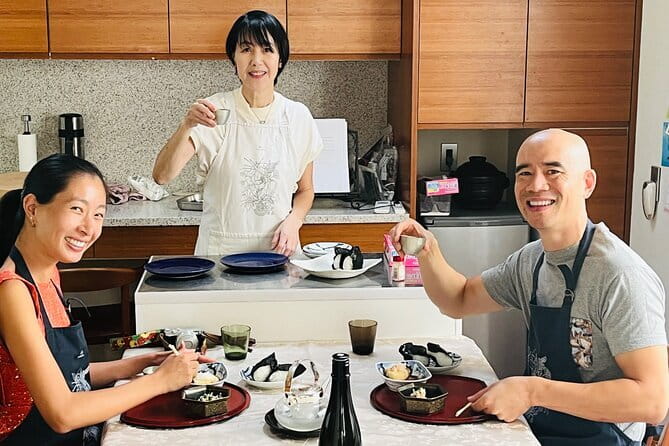
- Private small-group class at Morimi’s Home Kitchen, not a big factory kitchen
- Choose your course (Tofu, Sushi, or Curry) based on what you actually want to cook
- Hands-on tools like suribachi and the oshizushi mold, with technique tips along the way
- Diet support is real, with vegetarian, vegan, and gluten-free options through the Tofu course and gluten-free through Sushi
- Lunch and drinks are included, plus optional sake and wagashi during tasting
- English recipes and a souvenir mean you leave with more than just full plates
Morimi’s Home Kitchen in Setagaya: a small-class setup that feels personal
This class takes place at Morimi’s Home Kitchen in Setagaya City, in a residential Tokyo area, starting at 10:30 am. It is designed for a single group, so you do not get blended into a crowd. Instead, you get the kind of pace where people can ask questions and you can actually practice.
The value here is not just eating good food. It is learning the why behind Japanese home cooking. The experience is built around fundamentals like dashi and rice, then practical execution: prepping, shaping, cooking, and tasting.
You should also know that it is in a home kitchen, which changes the feel. Expect a relaxed flow, and keep your energy for the hands-on parts. If you arrive thinking this will be mostly watching, you will likely miss the point.
You can also read our reviews of more cooking classes in Tokyo


Pick your course: Tofu, Sushi, or Curry (and how to choose fast)
You select one of three course options when you book. Each one has a different payoff, so pick based on what you want to bring home in your own cooking routine.
The Tofu Course: the most flexible option for diets
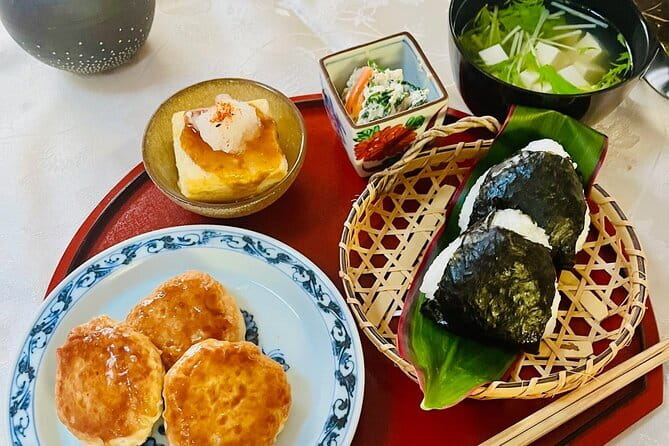
If you care about vegetarian, vegan, or gluten-free needs, the Tofu course is the safest bet because it is designed to accommodate all of those. You will make several tofu-centered dishes, including tofu hamburgers, agedashi tofu (deep-fried tofu), shiraae (tofu salad), tofu soup, and rice balls.
You also learn dashi stock making and how to cook rice using a regular pot. That means you are not just learning one recipe, you are learning building blocks. And because you are working with tofu in multiple styles, you get a better sense of texture, seasoning, and how Japanese dishes treat tofu as an ingredient, not a compromise.
The Sushi Course: temari sushi practice plus one pressed sushi build
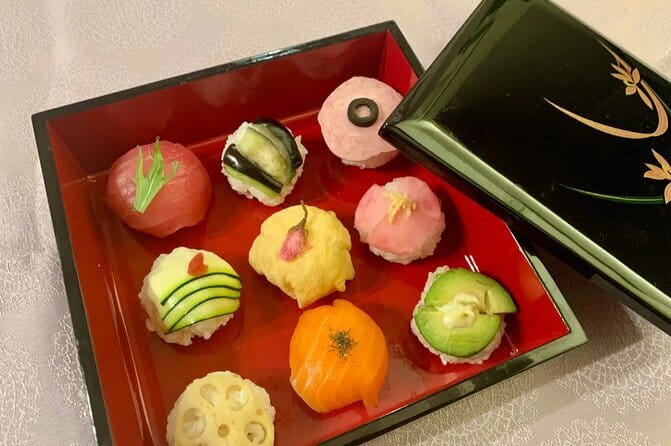
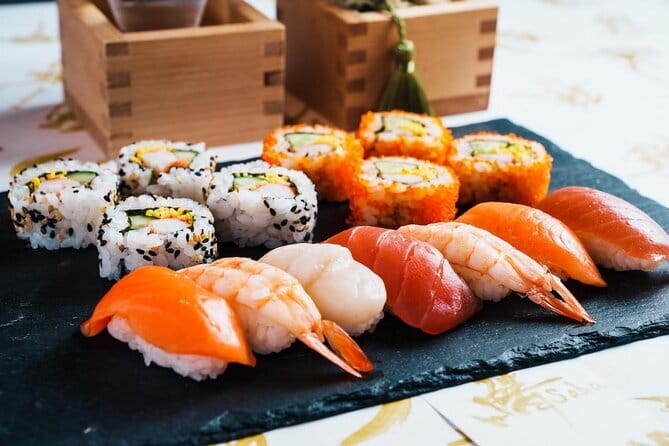
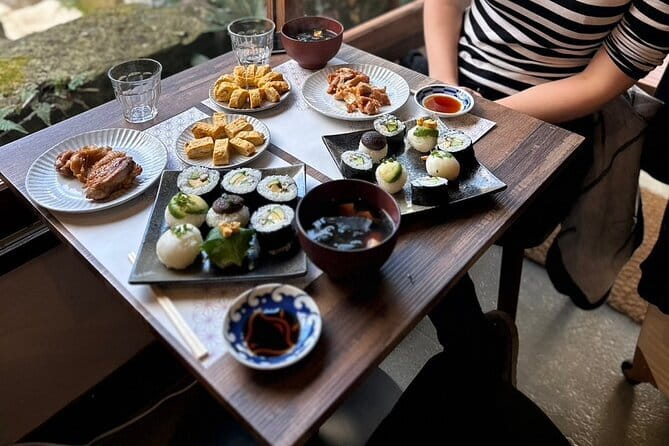
The Sushi course starts with sushi rice. Then you choose ingredients from sashimi and vegetables to create six types of temari sushi of your choice. Temari sushi is small, hand-shaped, and forgiving enough to practice, yet structured enough that you learn technique instead of just assembling.
Each participant also makes one roll of oshizushi using the pressed sushi mold, including shrimp and smoked salmon. There is also a gluten-free option available for Sushi, but the specific details of what is swapped are not listed here, so if gluten-free matters, you should flag it during reservation.
The big value of this course is that you leave with both styles: hand-shaped temari sushi and pressed sushi using a traditional mold.
The Curry Course: Japanese-style comfort, with crisp and fried components
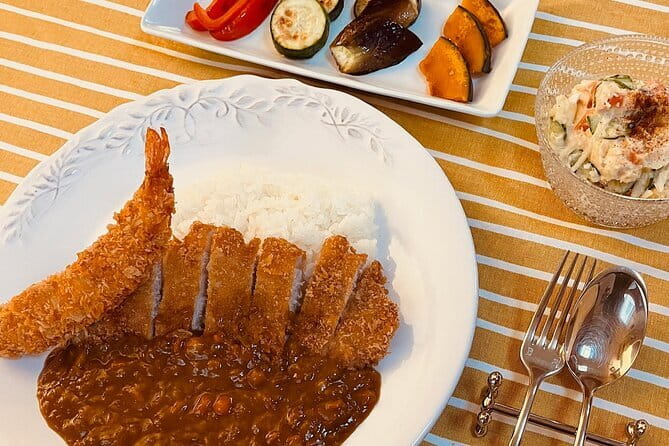
The Curry course is Japanese-style curry using roux, plus items that make it feel like a proper meal, not a bowl of sauce. You will cook rice, Japanese curry, tonkatsu (pork cutlet), ebi fry (fried shrimp), grilled veggies, and Japanese-style potato salad.
This course is for you if you want a full lineup with contrasting textures: crispy cutlet, fried shrimp, tender curry, and the cool, creamy potato salad. One note: the data does not mention gluten-free support for curry, so if you need gluten-free, prioritize the Tofu course or ask when you reserve.
More Tokyo tours and experiences for the shortlist




The core skills: dashi, rice, and the Japanese ingredient mindset
Even though each course has its own dishes, the class philosophy is about foundations. For anyone who has struggled to make Japanese flavors at home, this is the part that actually pays off.
Dashi matters because it is a backbone. The experience teaches you how dashi is made and what ingredients go into it. From there, your cooking stops being random. You start to understand how flavor builds, and you can translate that into future meals.
Rice instruction is also hands-on. For the Tofu course, they specifically teach how to cook delicious rice using a regular pot. For the Sushi course, it starts with making sushi rice, which is essentially the rice skill with vinegar seasoning and technique. In both cases, you learn not just the final result, but the process.
One practical tip for you: if you are the type who takes notes on everything, this is your moment. The small technique differences in dashi and rice are what separate okay from great at home.
Using traditional tools without feeling lost
This class is not tool-only, but tools are part of the fun, and the data calls out two key ones.
You will use suribachi, the Japanese mortar, which is often used for grinding and mixing ingredients. It is one of those simple tools that makes everyday prep feel more intentional.
You will also use the pressed sushi mold, oshizushiki. Pressed sushi can look intimidating from the outside, but in a class like this, it becomes a hands-on lesson. Making oshizushi in a mold teaches pressure, alignment, and how to get clean shapes.
If you like learning by doing, this is where your class becomes memorable. If you do not like taking direction in the kitchen, you may need to slow down mentally and focus on steps, not speed. The good news is the format is built for learning, not performance.
What you actually eat: lunch, tasting, and optional sake plus wagashi
You get lunch included, and the lunch lineup depends on your course.
- Tofu course includes three types of tofu dishes, two rice balls, and soup.
- Sushi course includes temari sushi and pressed sushi, plus soup.
- Curry course includes rice, curry, tonkatsu, fried shrimp, grilled veggies, and potato salad.
Drinks are included too: coffee and/or tea, with green tea and mineral water unlimited, and herbal tea available. During the tasting session, optional Japanese sake and wagashi (traditional Japanese sweets) are available. That is a nice touch if you want the full cultural picture without committing to alcohol if you do not want it.
At the end, you receive a souvenir as a small token of appreciation. It is not the main reason to go, but it is a nice reminder when you unpack your suitcase later.
Recipes in English: why that detail matters for value
Plenty of cooking classes feed you. Fewer classes help you cook the same food again at home. Here, English recipes are provided, so you can recreate what you made even after your Tokyo trip ends.
This matters because Japanese home cooking is built on technique and balance. With recipes in your language, you can follow steps, match ingredient ideas, and try again. It also helps you fix mistakes. If you ever tried to recreate something from memory and it turned into a confusing mess, this avoids that problem.
Also, for dietary needs, the course design is more than an afterthought. Vegetarian, vegan, and gluten-free accommodations are explicitly mentioned for the Tofu course, and gluten-free is also available for Sushi. You will still want to notify the operator about allergies or foods you cannot eat, but the structure is there.
Vegetarian, vegan, and gluten-free options: how to plan your course choice
If you are vegetarian or vegan, you will want to plan around the course options. The Tofu course can accommodate vegetarian, vegan, and gluten-free diets, and it includes a tofu course plan. The Sushi course also has gluten-free options available, but the details of swapping are not listed here, so confirm when you book.
For allergies, the safe move is simple: tell them what you cannot eat during reservation. The class mentions that you should let them know about allergies and foods you cannot eat.
Practical advice: do not wait until you arrive. Send the dietary info at booking time so they can prepare the right ingredient paths ahead of you.
Timing and logistics: 3 hours that start at 10:30 am
The class duration is about 3 hours, starting at 10:30 am, and it ends back at the meeting point.
Price is $71.00 per person. That sounds like a lot at first glance until you break down what you get: a private group experience, a full lunch, unlimited drinks, and hands-on teaching with English recipes. It also tends to be booked about 15 days in advance on average, so if your dates are firm, you are better off not waiting.
Pickup is offered, and the experience uses a mobile ticket. Private transportation is not included, so if you need pickup, plan early. The meeting point is near public transportation, which makes it easier to arrive without turning the day into a logistics project.
And yes, there is free cancellation if you cancel at least 24 hours in advance. If your schedule in Tokyo is fluid, that flexibility can take pressure off.
Who this class is best for (and who should rethink it)
This experience is ideal if you want more than photos and flavor. You want technique. You want to handle ingredients and tools. You want to leave with a repeatable skill set.
It is especially good for:
- People who like hands-on cooking more than watching
- Food lovers who want to learn Japanese foundations like dashi and rice
- Anyone traveling with a partner or small group who wants a private setting
- Vegetarian, vegan, or gluten-free diners, since accommodations are explicitly supported in the Tofu course
It may be less ideal if:
- You want a large, high-energy cooking show with lots of space and minimal instruction
- You prefer to opt out of cooking tasks
- You have needs that require a specific kind of mobility or facility setup, because it is a home kitchen and that is not described in detail here
Should you book Japanese cooking with Morimi’s Home Kitchen?
If you want a Tokyo food experience that actually teaches you something you can use again, I would book it. The best reasons are simple: hands-on instruction, dashi and rice fundamentals, traditional tools like suribachi and the oshizushi mold, and English recipes that help you recreate the dishes later.
I would also book it if your group wants a private format and a full meal. Lunch, drinks, and optional sake and wagashi during tasting mean you are not constantly checking what is extra.
Before you book, choose the course based on your goals. Want tofu basics and strong diet options? Pick the Tofu course. Want sushi skills with both temari and pressed sushi? Pick the Sushi course. Want a complete Japanese comfort meal with crispy and fried elements? Pick the Curry course.
If you have allergies, send them the details when you reserve so they can handle your needs smoothly.
FAQ
What time does the Japanese cooking class start?
The class starts at 10:30 am.
How long is the class?
The duration is about 3 hours.
Where do I meet for the class?
You meet at Morimi’s Home Kitchen, 3-chōme-19-5 Matsubara, Setagaya City, Tokyo 156-0043, Japan.
Are pickup and mobile tickets available?
Pickup is offered, and you receive a mobile ticket.
What courses can I choose from?
You can choose the Tofu course, Sushi course, or Curry course when making your reservation.
Do you offer vegetarian, vegan, or gluten-free options?
Yes. Vegetarian and vegan guests can be accommodated with the Tofu course, and gluten-free options are available with the Tofu course or the Sushi course. Let them know about allergies and foods you cannot eat when reserving.
More Workshops & Classes in Tokyo
More Cooking Classes in Tokyo
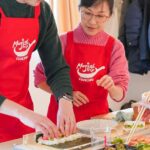
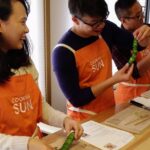
More Tour Reviews in Tokyo




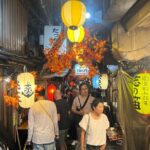

Not for you? Here's more nearby things to do in Tokyo we have reviewed
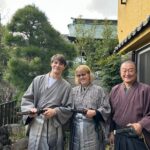








Tokyo City Tours, side by side.
 ★ 5.01-Day Tokyo Bus TourFrom $12914,250 reviews
 ★ 4.5TOKYO SKYTREE® Admission ticketFrom $1311,192 reviews
 ★ 4.6teamLab Planets TOKYO Digital Art Museum Entry TicketFrom $259,779 reviews
 ★ 4.0Mt Fuji & Hakone Cruise, Drum Show Bullet Train 1 Day from TokyoFrom $1497,413 reviews
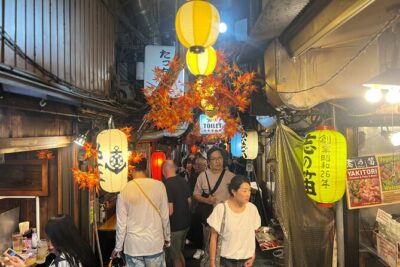 ★ 5.0Shinjuku Food Tour (13 Dishes at 4 Local Eateries)From $866,603 reviews
 ★ 4.4Tokyo Mt Fuji 5th St & Hakone Cruise Bus Tour w/Bullet TrainFrom $1545,024 reviews
 ★ 5.0Flagship 2-Hours Official Street Go-Kart Tour – Tokyo Bay ShopFrom $644,974 reviews
 ★ 4.5From Tokyo: Mount Fuji Full-Day Sightseeing TripFrom $684,970 reviews
This tour also belongs to