
Review · TOKYO SUMO EXPERIENCES
Private Ryogoku Walking Tour with Sumo Wrestler and Master Guide
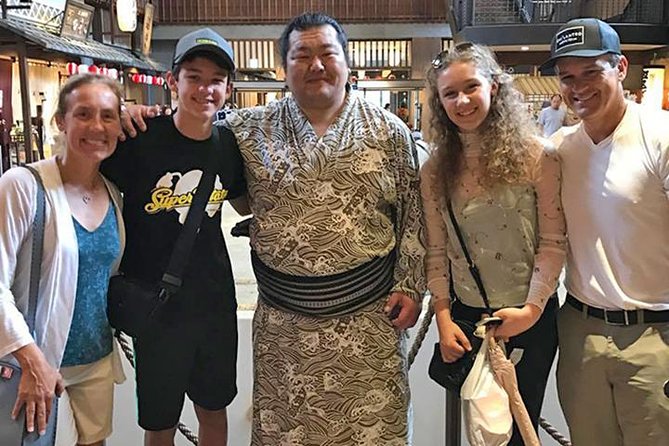
Sumo talk makes Tokyo feel personal. I really liked the fact that your guide is a sumo wrestler (or a just-retired one when needed), and you get straight into the heart of Ryogoku Kokugikan instead of just hearing secondhand stories. The one real drawback is the price, at $402.32 per person, which can feel steep for a short walk if you are expecting this to be more like a basic sightseeing tour.
What makes this tour work is how the stops connect. You start in sumo town, then shift gears to Asakusa, so the sport is not a bubble, it is part of daily Tokyo life. I also like that you have a local translator, so you can actually talk through what you are seeing, not just follow along with hand waving.
One more thing to consider: this is a private booking for up to 5 people, so it is best when you have a small group and shared interests. If you are solo and cost is your top priority, you might find better value elsewhere.
Key things to know before you go
- Sumo wrestler guide with translator: You get expert guidance plus translation for real back-and-forth.
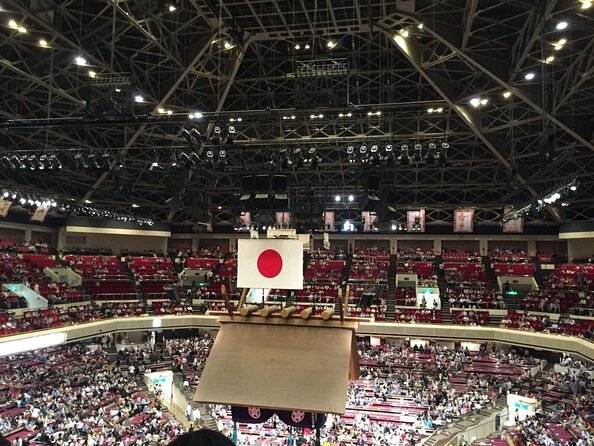
- Ryogoku Kokugikan time on the ground: You spend focused time at the big sumo stadium, not just a quick photo stop.
- Asakusa plus Senso-ji and Nakamise: Temple culture and snack and shopping time are built into the route.
- Admission mix is handled: One stop includes a ticket, while others are free to enter.
- Stadium and stable culture, not just myths: You see where practice fits into the whole sumo world.
- Private, up to 5 people: Your group stays together, so questions are easier and the pace is calmer.
Ryogoku and Asakusa Through a Sumo Lens
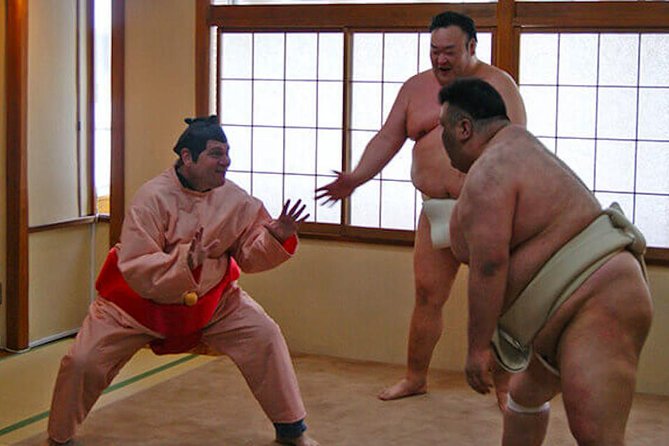
This tour is designed for one simple goal: to explain sumo in a way that sticks. You do that by walking through the actual neighborhoods and places where sumo is lived day to day, especially around Ryogoku, which is Tokyo’s sumo town.
I love that you do not just sit in a lecture. You move from one key site to the next, and the guide can point out how the sport shaped the area, the buildings, and even the visitor experience. The effect is that you start noticing details on your own once you step off the route.
On the Asakusa side, the tour also avoids the common trap of treating temples like a quick checklist. You get time at Senso-ji, then a natural lead-in to Nakamise Street, where snacks and small shopping tempt you to slow down and browse.
You can also read our reviews of more walking tours in Tokyo
The 2-hour to 2.5-hour walk plan, and why the timing matters
The tour runs about 2 hours to 2.5 hours, starting at 1:30 pm and ending back at the meeting point. That timing is practical, because you skip the early-morning crowd rush that can make Asakusa feel like a crowded conveyor belt.
Your pace stays manageable. Each stop is given its own window, so you are not sprinting between sites while trying to absorb explanations. Admission timing is also practical: one location includes admission, another is free, and several are shrine and neighborhood style stops where you can take a breath.
One planning note: food and drinks are not included. The route gives you chances to sample snacks around Nakamise Street, but you will be paying for what you eat.
Meeting at Ryogoku Station, then getting oriented fast
You meet at Ryogoku Station, listed at 1-chōme-3-20 Yokoami, Sumida City, Tokyo 130-0015. The meeting point being near public transportation matters, because Ryogoku is a place where transfers can get annoying if you end up lost.
From there, the walk feels like two chapters. Chapter one is sumo town, with stadium and shrine context. Chapter two is Asakusa, with temple sights and Nakamise shopping energy. If you like tours that build a story instead of just stacking attractions, this format fits well.
Also, because it is private, you and your group stay together. That helps a lot if someone in your party wants extra time at the temple, or if you want to ask a few more questions about how sumo training and rankings work.
Ryogoku Edo Noren: the restored station building you can actually enjoy
The first stop is Ryogoku Edo Noren, based in the historic former Ryogoku Station building. It was built in 1929 and restored with the old façade kept intact, then reopened as a shopping and restaurant complex.
I like this stop because it sets the mood in a grounded way. You are not just arriving at sumo landmarks cold, you are stepping into a nostalgic Tokyo that connects the past to the sport’s present. The tour includes the admission ticket here, so you do not have to puzzle through what costs extra.
What to do with your time at Edo Noren: browse and get your bearings. Even if you do not buy anything, it helps you understand that Ryogoku is not only about stadium day. It is a neighborhood that keeps traditions visible in everyday storefronts.
Ryogoku Kokugikan stadium: where the drama becomes real
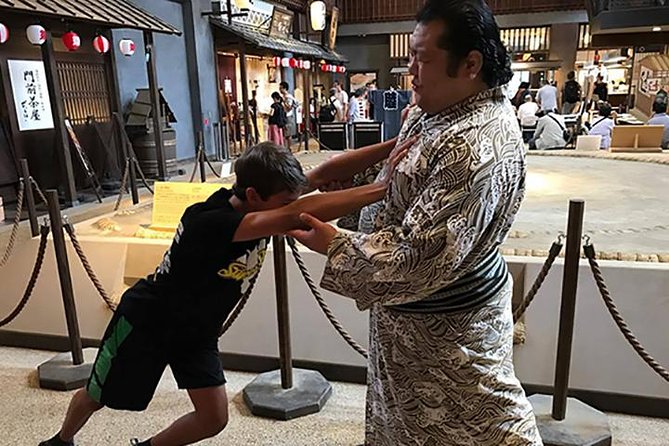
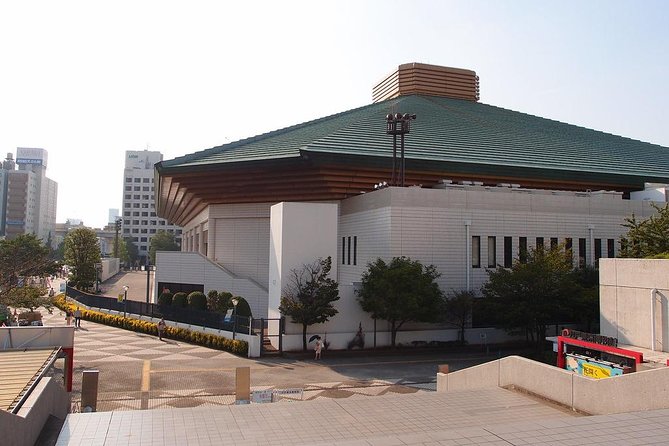
Next is Ryogoku Kokugikan, the huge sumo stadium built in 1985. It can accommodate over 10,000 visitors, and while a live tournament is the best way to feel sumo energy, this stop still gives you something valuable even outside that season.
Here is what you are really getting: scale and context. The guide can explain what you are looking at, and you get time that feels focused rather than rushed. The stadium visit is listed with 30 minutes and marked as free admission for this activity.
You will also hear about wrestlers’ world basics and how practice fits into the bigger picture. The tour description notes you visit a wrestlers’ stable area as part of the route, which is important because stable life is where sumo culture becomes routine, not just spectacle.
If you care about photos, you can get some, but the bigger win is understanding what makes a stadium experience different from watching clips online.
You can also read our reviews of more guided tours in Tokyo
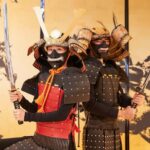
Nomi Sukune Shrine: the origin story in stone and garden paths
Then you stop at Nomi Sukune Shrine, a local shrine dedicated to the deity linked to the start of sumo in ancient Japan. A yokozuna champion is noted as visiting and worshipping there, and the garden includes a stone statue engraved with yokozuna names.
This stop is short, around 20 minutes, and it is free. But it adds a key layer to the tour. You shift from the “sport as entertainment” view to the “sport as tradition” view, where rituals, lineage, and respect for origins all matter.
If you like cultural context, this is the kind of stop that makes the rest of the tour click. You start hearing your guide’s explanations with the right frame: sumo is not only training and competition, it is also a set of beliefs and practices that have shaped Japanese society for a long time.
Asakusa Senso-ji and Nakamise Street: snacks, shopping, and calm breaks
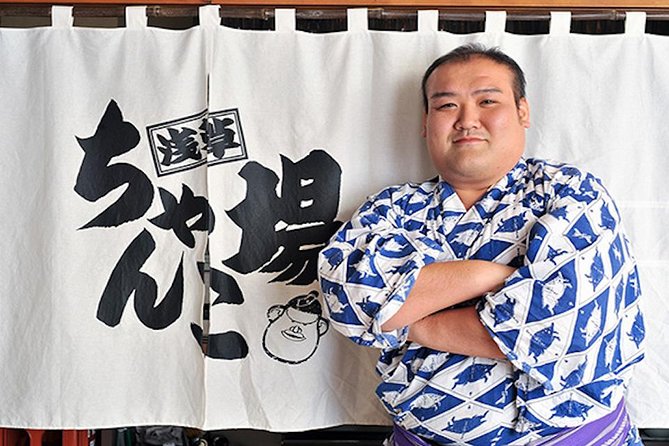
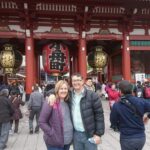
After the sumo-focused portion, the tour heads to Asakusa and takes you to Senso-ji Temple. This is one of Tokyo’s most famous temples, so expect it to feel busy in the best way, with lots of people moving through the same spiritual space.
Then you spend time on Nakamise Street, where the tour specifically includes sampling snacks and shopping. Keep your expectations realistic: since food and drinks are not included, you are sampling by buying what you want. Still, that is often the fun part, because the guide can point you toward popular choices and what to watch for.
I also like Nakamise because it works as a decompression zone. The sumo stops are focused and structured, while Nakamise gives you room to wander, taste, and pick up small souvenirs without feeling like you are falling behind.
The Hokusai dedicated museum stop, if you want the art angle
There is also a stop option described as a Hokusai dedicated museum, if you like his work. Since no extra details are provided about timing or what is featured, I suggest using this as a bonus you will either appreciate or skip depending on your interests.
If you are an art person, it is a nice contrast to the sport heavy route you just experienced. If you are more of a pure sumo fan, you may find the art stop more optional in your mind.
Either way, it keeps the afternoon from becoming a single-note sightseeing loop.
Price and value: what $402.32 per person actually buys
At $402.32 per person, this is not a budget tour. It is also not trying to be. What you are paying for is a private experience with a sumo wrestler guide and a local translator.
That matters because the value is not only where you go, it is how you understand it. A sumo insider can explain things that are hard to decode on your own, like what training looks like behind the scenes, why certain rituals exist, and how the sport’s structure influences the people who live around it.
The admission mix also helps. One stop includes a ticket (Ryogoku Edo Noren), and other key stops are marked as free (like Ryogoku Kokugikan and Nomi Sukune Shrine). Those inclusions do not magically make the price low, but they reduce small friction costs so your afternoon stays smooth.
The reviews also point to the same pattern: the information and conversations tend to be strong, but the price is the main complaint. In plain terms, if you love sumo culture and want direct Q&A, this can be worth it. If you mainly want photos and basic sightseeing, you will likely feel the cost.
There is also a small comfort point: group discounts may be available. Since it is private and capped at 5 people per booking, if you can split costs with a friend or family member, the per-person value can feel more reasonable.
Who this private sumo tour suits best
This is a great fit if any of these describe you:
- You love Tokyo districts that have a job to do, not just tourist photo spots.
- You are genuinely curious about sumo as culture, not only as matches.
- You want a guide who can talk, and not just point.
- You are traveling with teens or adults who enjoy structured explanations and walking.
The minimum age is 10, and most people can participate. The tour is also private, so if your group prefers a calmer pace than large group tours, you should feel comfortable.
One extra note for expectations: if an active wrestler is not available due to tournaments or other reasons, the guide may be a just-retired sumo wrestler. The tour info says there is no difference in the quality or knowledge, and that is the reality you should count on rather than seeing it as a downgrade.
A few practical tips to make the afternoon smoother
- Wear comfortable shoes. You are walking through multiple neighborhoods and stopping often for explanations.
- Bring cash or a card for snacks and shopping. Food and drinks are not included.
- Plan to ask questions. With a translator included, this is the moment to get answers, not just nod politely.
- Use the private format wisely. If you have a group of 2 to 4, it can feel like you get a custom version of an otherwise fixed itinerary.
If you are also planning a wider Asakusa day, keep this tour’s start time in mind. Starting at 1:30 pm means you can still see other sights before dinner, without burning the whole day.
Should you book this private sumo and Asakusa walk?
Book it if you want sumo explained by a person who lives that world, and you want the tour to connect Ryogoku’s stadium culture with Asakusa’s temple and snack street energy. The sumo wrestler guide plus translator combo is the core reason this works, and it is also what justifies the premium price.
Skip or reconsider if you are price-sensitive, or if you mostly want a quick hits list of famous landmarks with minimal conversation. In that case, you may prefer a less expensive walking tour or do Ryogoku and Asakusa on your own.
For the right traveler, though, this feels like one of those rare Tokyo experiences where the sport is not a novelty. It is a lens that makes the city easier to understand.
FAQ
What is the duration of the Private Ryogoku Walking Tour with Sumo Wrestler and Master Guide?
It lasts about 2 hours, with the tour described as roughly a 2.5-hour guided walk.
Where does the tour start, and when does it begin?
You meet at Ryogoku Station, listed at 1-chōme-3-20 Yokoami, Sumida City, Tokyo 130-0015. The start time is 1:30 pm, and the tour ends back at the meeting point.
Is the tour private, and how many people can be in a booking?
Yes, it is private. A maximum of 5 people per booking can participate.
Do I need to pay for admission tickets at the stops?
Some admissions are included and some are free. Ryogoku Edo Noren has an admission ticket included, while Ryogoku Kokugikan and Nomi Sukune Shrine are listed as free for the activity. Food and drinks are not included.
What is included in the tour price?
The price includes all taxes, fees, and handling charges, plus a local translator and a guide who is a sumo wrestler.
What if an active sumo wrestler is not available?
The tour notes that the guide may be a just-retired sumo wrestler if an active wrestler is not available due to tournaments or other reasons. The tour states there is no difference in quality or knowledge.
What about cancellation changes?
This experience is non-refundable and cannot be changed for any reason.
If you want, tell me your group size and whether you are mainly into sumo or also temples and snacks, and I’ll help you judge if this is the best use of your Tokyo afternoon.
More Walking Tours in Tokyo
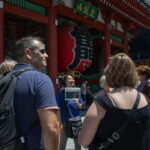
More Tours in Tokyo





More Tour Reviews in Tokyo


Not for you? Here's more nearby things to do in Tokyo we have reviewed












Tokyo Sumo Experiences, side by side.
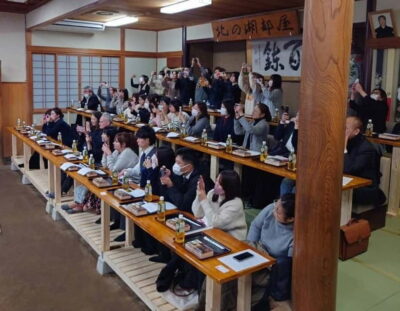 ★ 4.8Sumo Show and Dining ExperienceFrom $792,742 reviews
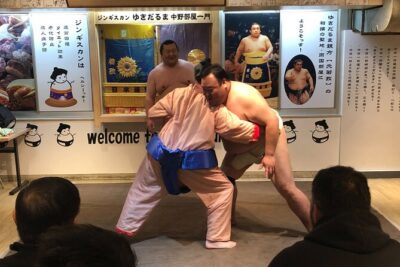 ★ 5.0the SUMO showFrom $891,960 reviews
 ★ 5.0Tokyo Shinjuku Sumo Show & Experience with PhotoFrom $791,750 reviews
 ★ 4.8Sumo Show and Experience in ShinjukuFrom $691,001 reviews
 ★ 4.7Luxury Sumo Show Experience & Japanese cuisine & DrinkFrom $103577 reviews
 ★ 4.8Sumo Morning Practice Viewing TourFrom $81570 reviews
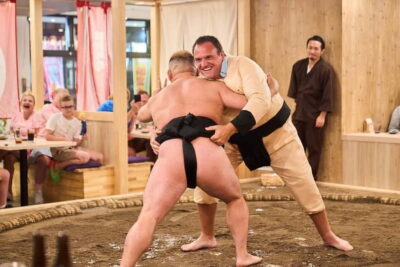 ★ 4.8Tokyo Sumo Experience: Chanko & Mochi with a Former ProFrom $103567 reviews
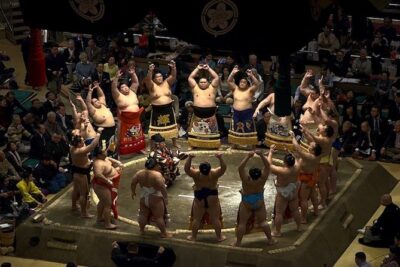 ★ 5.0Ultimate Sumo Tournament: Tokyo, Osaka, Nagoya, FukuokaFrom $184468 reviews
This tour also belongs to