
Review · TOKYO SUMO EXPERIENCES
Ryogoku: Sumo Town Guided Walking Tour with Lunch
Sumo is more than the bout. This Ryogoku small-group walk mixes stable-area sights with an expert English guide, and then you reward yourself with chanko-nabe lunch like a sumo wrestler would eat. You come away understanding why the sport looks the way it does, from daily routine to long traditions.
I especially like the way this tour turns Ryogoku into a story you can actually picture. You get the history arc of sumo over 1600 years, plus stop-by-stop context for the landmarks you pass, including the Ryogoku Kokugikan and major stable neighborhoods.
One heads-up: this experience does not include watching actual sumo bouts. So if you’re chasing tournament action, you’ll need to line that up separately, then use this tour as your pre-game primer.
Key points you will care about
- Small group size, up to 8 people, so you can ask questions and keep the pace human
- English-speaking expert guide, with real sumo culture and daily-life explanations
- Hakkaku-beya and Kasugano-beya stable area visits from outside, for that close-to-the-source feeling
- Ryogoku landmarks built around sumo, including the Kokugikan area and themed streetscapes
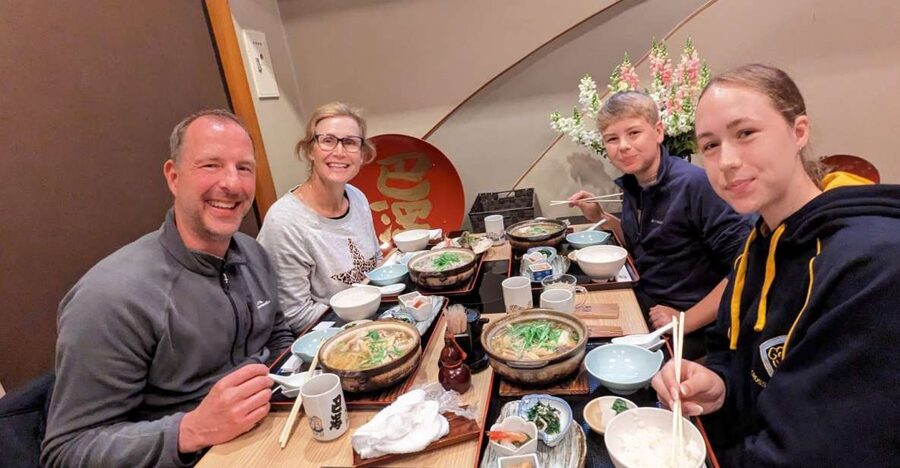
- Chanko-nabe lunch at a top Ryogoku restaurant, with the wrestlers’ “team pot” logic explained
- No bout viewing included, so plan to enjoy the culture even if you miss a match
Ryogoku: the Tokyo neighborhood that makes sumo make sense
Ryogoku is where sumo stops being a TV sport and becomes local life. The area is packed with stadium associations, stable neighborhoods, and cultural cues that connect the sport to religion, community, and food. If you’ve ever wondered why sumo wrestlers eat so much, train so intensely, and treat ceremonies like part of the job, this is the right place to ask those questions.
This is also a smart length for a sightseeing block. At 210 minutes you get a solid walk, several guided stops, and a sit-down lunch, without turning into an all-day grind. With a group limited to 8, you’re not squeezed into a loud shuffle. That matters because the guide’s job here is explanation, not just pointing at buildings.
You can also read our reviews of more walking tours in Tokyo
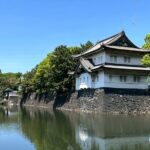
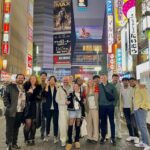
Meeting by Ryogoku Station, then walking into “sumo country”
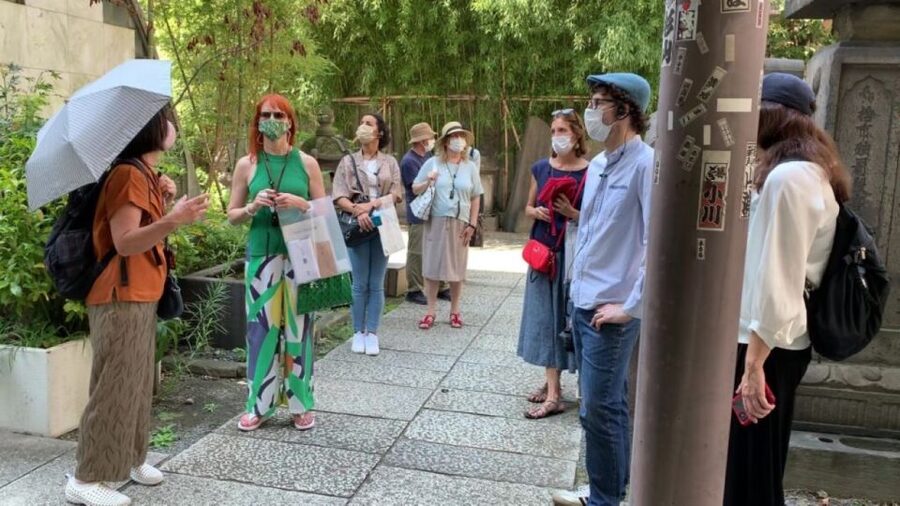
The tour starts outside Ryogoku Station, so you can show up, find your guide, and move immediately. Once you begin walking, you’ll notice the rhythm of the day. This isn’t a museum day where everything is indoors. It’s built around streets, neighborhood corners, and places tied to how sumo is organized.
A good walking tour should do two things: help you get your bearings fast, and explain what you’re seeing while it’s still fresh. This one does both, with the promise that you’ll be able to answer your own sumo questions after you’re done. The guide also frames the sport as a full lifestyle, not only a match-day moment.
You’ll also want comfortable shoes. The itinerary includes multiple short walks between stops, and you’ll be on your feet long enough that footwear becomes part of the experience.
Hakkaku-beya Sumo Stable area: watching the sport at rest
One of the most interesting parts of this tour is the stable-area visit. The stop at Hakkaku-beya Sumo Stable is a guided look around where wrestlers live and train, viewed from outside. That’s important. You are not going to get a backstage show, but you do get context for what stable life is supposed to feel like.
What I like about stable-area visits is the way they change your mental picture. Before, you may think of sumo as a ring and a crowd. After, you start understanding sumo as routines, hierarchy, and training time that fills the day. Even if you do not see a full training session, you can still learn what to look for, what stable life aims to build, and why certain traditions exist.
You might also spot movement related to practice days, since Ryogoku is full of stable activity. Just keep expectations flexible, because the tour is not sold as a guaranteed viewing slot.
The Ryogoku Kokugikan stop: the stadium as a cultural anchor

Next up is the Ryogoku Kokugikan. Even if you’ve only seen sumo on screens, the arena matters because it’s the physical center of tournament culture. A guided visit here helps you connect the pageantry you see in bouts to the broader environment where sumo belongs.
I like how this kind of stop works for travelers. You don’t need a ticket to understand significance. You get a guided frame for questions like: Why does tournament time feel different? Why does the sport feel ritual-heavy? Why do certain customs show up again and again? The guide’s commentary is what turns the arena into meaning.
This is also where you’ll start noticing how the tour blends sport with culture. The tour description points to Shinto and Buddhist sites, woodblock prints, gardens, swords, and cuisine as part of the wider sumo world. The Kokugikan stop sets you up for that mix.
Ryōgoku Edo Noren: themed streets, symbols, and local taste
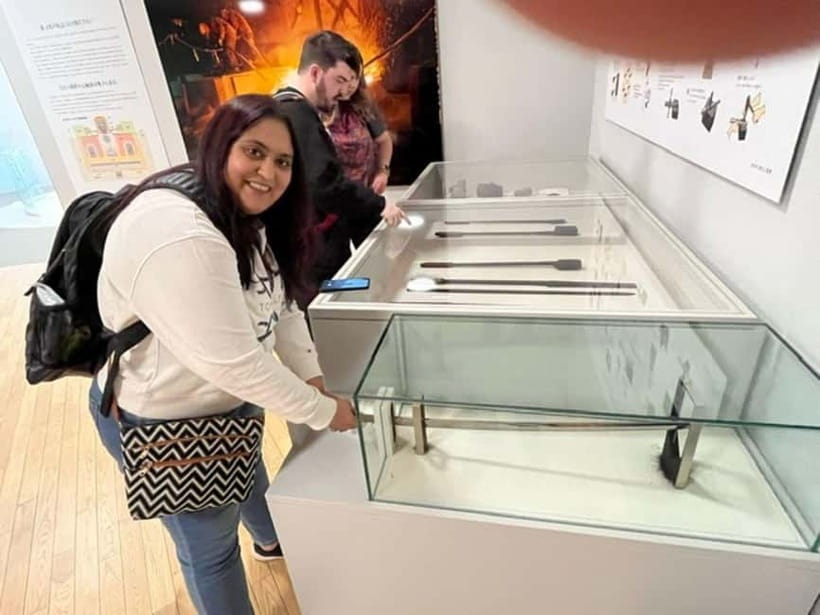
The tour also includes Ryōgoku Edo Noren, another stop that keeps the neighborhood grounded in its sumo identity. Places like this often feel designed for visitors, but they still matter because they reflect how Ryogoku markets and preserves its connection to the sport.
Think of this section as your bridge between the “serious sport” vibe of arenas and stables and the daily cultural packaging you’ll see in shops, streets, and local storytelling. A guided walk through this area helps you read those cues. You’ll learn what the symbols mean and how the sport’s identity shows up outside the ring.
You can also read our reviews of more guided tours in Tokyo
Ekō-in: the Shinto and Buddhist side of sumo culture
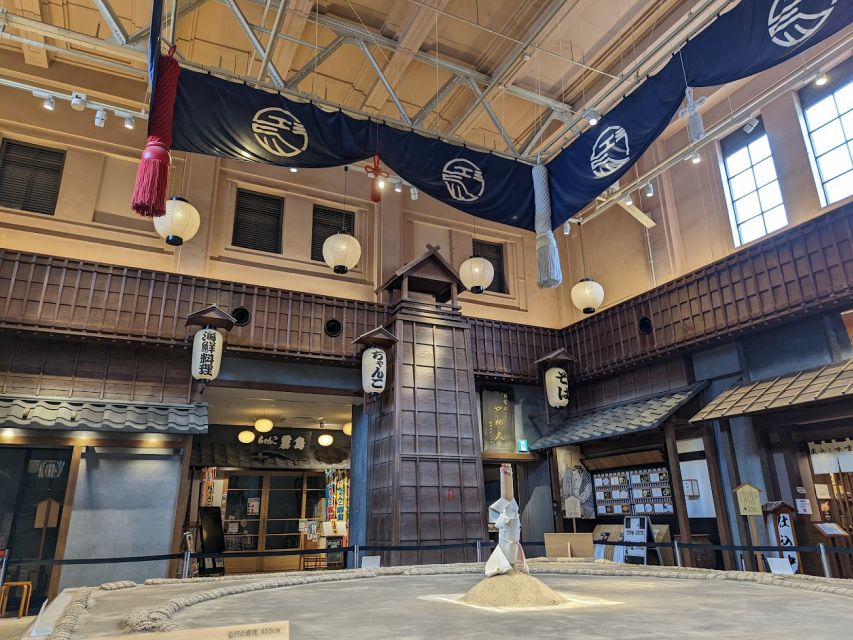
Then you’ll visit Ekō-in, a stop that brings religious atmosphere into the tour. Sumo isn’t just athletic competition. It has ceremonies, rituals, and a deep connection to traditional Japanese spiritual life, and that connection shows up in the kind of places the walk includes.
Even if you’re not a temple person, it helps to see how the sport borrows from Shinto and Buddhist traditions. The guide’s commentary should give you practical context, like what ceremonies are for and how they fit into the idea of respect, purity, and community.
This is one of those stops where your understanding improves quietly. No grand spectacle is needed. You just start recognizing themes that repeat in sumo culture: tradition, respect, and a sense that performance and ritual go together.
Kasugano-beya Sumo Stable area: second stable, better perspective
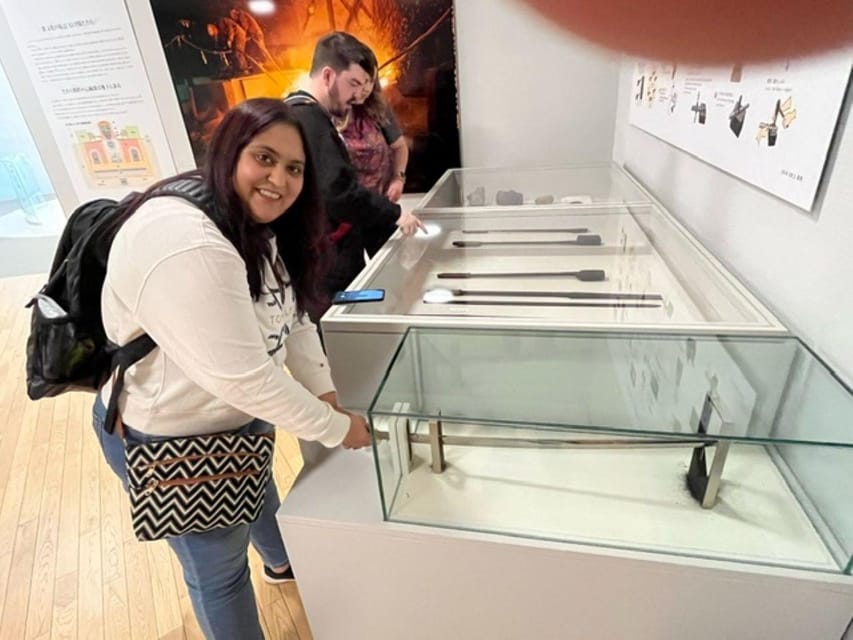
The final stable-area visit is Kasugano-beya Sumo Stable. Seeing two stable areas on the same walk is a smart choice. It prevents your brain from treating sumo life like a single photo. You start to see it as a system, with different spaces and routines that share the same core culture.
Like the first stable stop, this is guided and conducted from outside. That still works. The key is interpretation. You’ll learn what stable life aims to build, how wrestlers’ careers develop, and why sumo is more than a one-day event.
If you’re the kind of person who loves small observational details, this is where your eyes will start looking for purpose. Why certain areas function the way they do. How the sport’s needs shape daily life.
Lunch at Hana no Mai Edo-Tokyo Museum front: chanko-nabe and the team pot idea
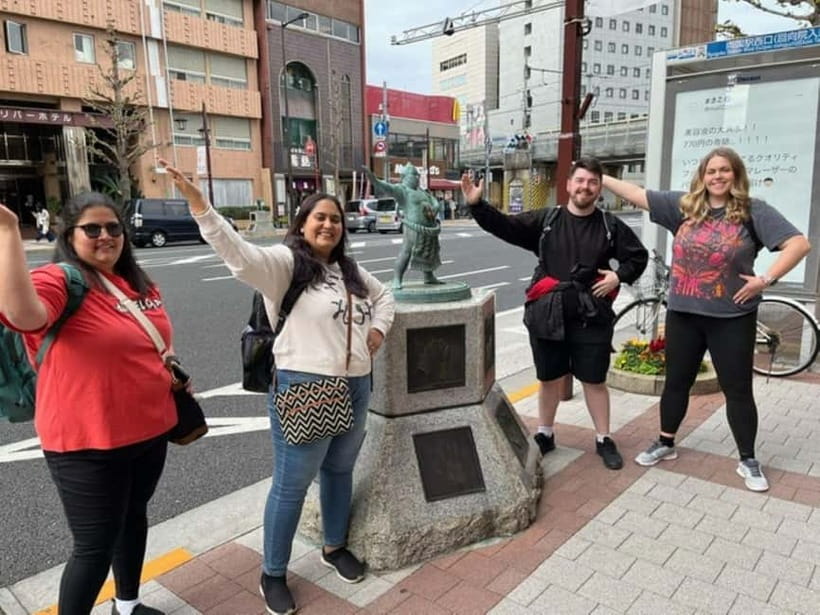
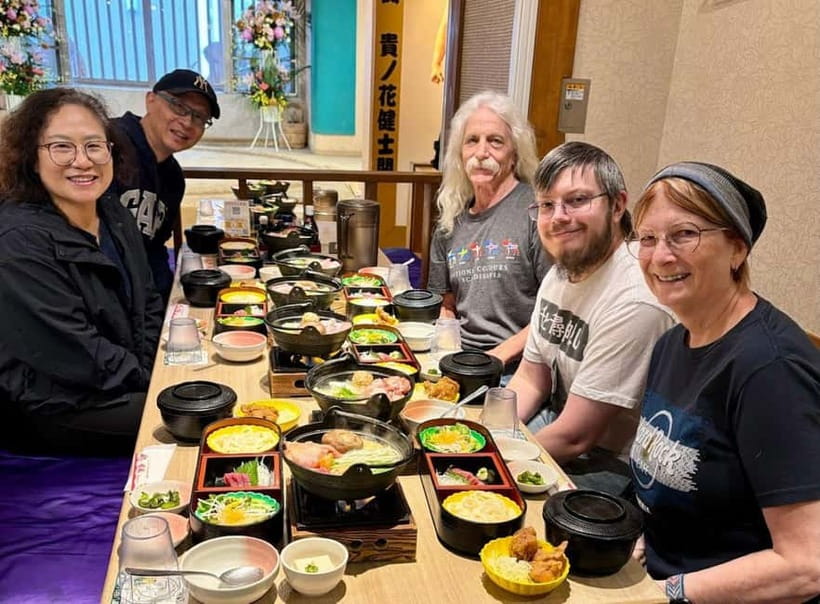
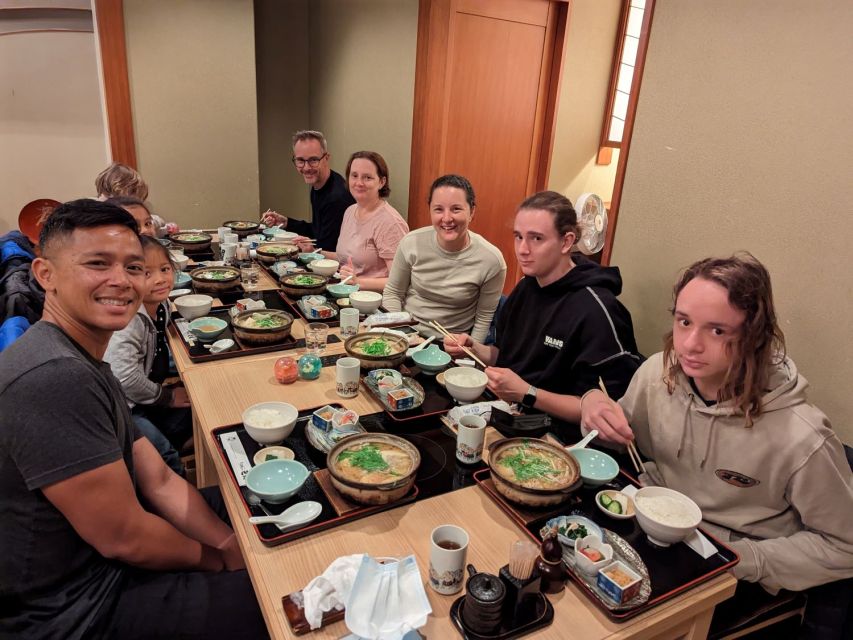
After all the walking stops, you get lunch at a chanko-nabe restaurant in the Ryogoku area, near Hana no Mai Edo-Tokyo Museum. This is the best part for many people, and it’s not just because it’s tasty.
Chanko-nabe is the centerpiece of a sumo wrestler’s diet for building weight and muscle. The tour explains why it became a staple: it’s nutritionally balanced, it’s prepared with hygiene in mind because it is heated during cooking, and there’s also a social logic. You eat from the same pot, which supports solidarity and teamwork.
One detail I find useful: the food must be prepared by the wrestlers in the stable, so there are no professional cooks available. That constraint explains the kind of meal it is, and why the tour highlights practicality, the idea that the cooking needs to work within stable life. You’re not just eating a dish. You’re participating in a piece of how the sport functions as a community.
This also explains why lunch is such a value add. At $122, you are not only buying commentary and walking time. You are also paying for a sit-down meal built around the sport itself. If you were to eat chanko-nabe independently, you’d still be paying for the restaurant experience, and you might not get the background that makes the meal land with more meaning.
What you learn about sumo, even if you miss a match
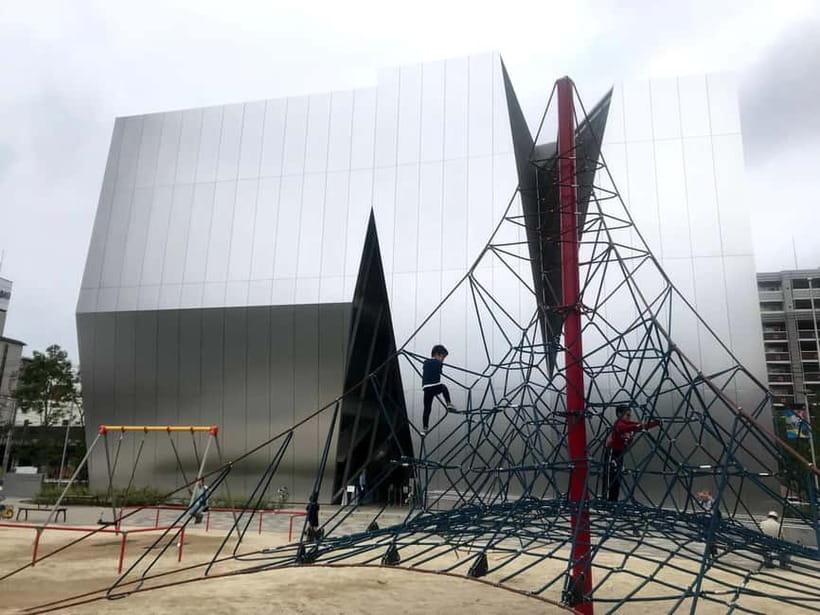
The tour specifically does not include watching bouts, which is honestly helpful to know up front. But the goal here is not to replace a tournament ticket. The goal is to give you the framework so that when you see sumo later, in Japan or back home, you understand what you’re watching.
The tour covers how sumo started and developed over 1600 years, and it ties that history to culture you can see in the Ryogoku neighborhood. That matters because sumo can feel strange at first, especially if you only know the highlights. Ceremony, training lifestyle, and stable structure explain the why behind the what.
It’s also why the guide matters. A good guide helps you translate the sport into human terms: career development, daily routine, and what tradition tries to protect. If you end up with an English guide like Jeff, Taka, Sue, Jean, or Yoko (names that show up in the tour experience), you can expect that conversational mix of history plus practical explanations, including how wrestlers live and train.
And even though bouts are not included, you might still catch a glimpse of sumo presence in the neighborhood. One of the joys of tours like this is that Ryogoku sometimes gives you real-life hints of stable life around the edges.
Price and what you get for $122
Let’s talk value. $122 per person for 210 minutes with a small group and lunch is not a bargain, but it is also not inflated when you look at what is included.
You get:
- an English-speaking expert guide
- a structured walking experience through major Ryogoku sumo landmarks
- lunch at a chanko-nabe restaurant
For travelers, the “included lunch” part is doing a lot of work. It turns the tour into a half-day block that also feeds you, so you don’t need to research where to eat a specific dish in an area you might not know. The tour also gives you the meaning behind the meal, so the lunch is not just food, it’s part of the learning.
The best way to judge price is by your own travel style. If you like learning with a guide and want a sport-focused cultural day, you’ll likely feel good about it. If you mostly want bargain shopping and spontaneous wandering, this might feel like a paid lecture and meal, not an open-ended exploration.
Who this tour is ideal for
This Ryogoku walking tour is best for you if:
- you want to understand sumo beyond the match itself
- you enjoy guided history and cultural context while walking
- you want to try chanko-nabe with proper background
- you prefer a small group and good Q and A energy
It’s also a great add-on if you are in Japan during a time when you’re not sure you’ll see a bout. You cannot control tournament schedules, but you can control your understanding. This tour fills that gap.
It’s not a fit if you have mobility impairments, since it is a walking tour. It also may not work for you if you have food allergies, since the lunch is an included meal and dietary substitutions are not described.
Should you book Ryogoku: Sumo Town Guided Walking Tour with Lunch?
I’d book this if your goal is to walk away with sumo context you can actually use. You’ll get a guided sense of Ryogoku as a sumo town, you’ll see stable-area landmarks like Hakkaku-beya and Kasugano-beya, and you’ll eat a meal that connects directly to wrestler life.
Skip it only if you’re mainly chasing guaranteed sumo bout viewing. Since the tour does not include watching matches, your satisfaction will depend on whether you want culture, history, and food more than arena action.
FAQ
Where does the tour start?
Meet your guide outside Ryogoku Station.
How long is the tour?
The tour duration is 210 minutes.
Is lunch included?
Yes. Lunch is included at one of the best chanko-nabe restaurants in Ryogoku.
Does the tour include watching sumo bouts?
No. This tour does not include actual watching of sumo bouts.
How big is the group?
The tour is a small group limited to 8 participants.
Is the tour available in English?
Yes. The tour is English with an English-speaking live guide.
What is the cancellation and payment policy?
You can cancel up to 24 hours in advance for a full refund. It also offers reserve now & pay later, so you can book without paying right away.
More Walking Tours in Tokyo
More Tours in Tokyo




More Tour Reviews in Tokyo


Not for you? Here's more nearby things to do in Tokyo we have reviewed












Tokyo Sumo Experiences, side by side.
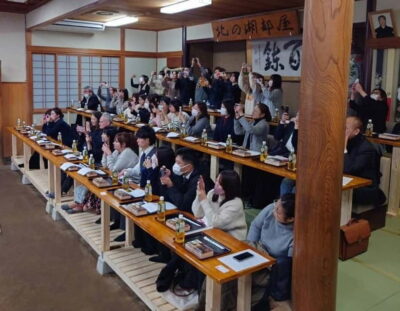 ★ 4.8Sumo Show and Dining ExperienceFrom $792,742 reviews
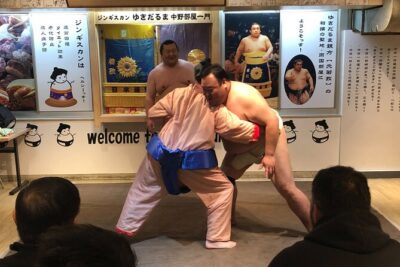 ★ 5.0the SUMO showFrom $891,960 reviews
 ★ 5.0Tokyo Shinjuku Sumo Show & Experience with PhotoFrom $791,750 reviews
 ★ 4.8Sumo Show and Experience in ShinjukuFrom $691,001 reviews
 ★ 4.7Luxury Sumo Show Experience & Japanese cuisine & DrinkFrom $103577 reviews
 ★ 4.8Sumo Morning Practice Viewing TourFrom $81570 reviews
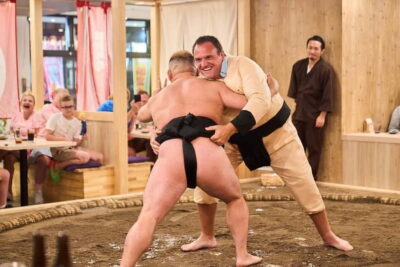 ★ 4.8Tokyo Sumo Experience: Chanko & Mochi with a Former ProFrom $103567 reviews
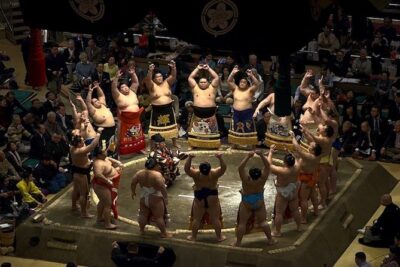 ★ 5.0Ultimate Sumo Tournament: Tokyo, Osaka, Nagoya, FukuokaFrom $184468 reviews
This tour also belongs to