
Review · SHIBUYA TOURS
Shibuya Tokyo: Onigiri & Tamagoyaki Cooking Class
Rice balls are my kind of problem-solving.
In Shibuya, I like that this onigiri and tamagoyaki cooking class focuses on what actually makes Japanese comfort food work: the rice first, then the shaping and wrapping. The experience is run by an English-speaking host from Sorisso, with a small-group setup that keeps you moving and learning.
I also like the hands-on rhythm. You craft 3 onigiri with your own fillings and make a half portion of rolled omelet, then you get a recipe booklet and a small souvenir to take home. One drawback to plan for: this is not a full meal in the “lots of food” sense, it is more snack-sized, so eat beforehand if you get hungry fast.
Key things I’d pin to your fridge
- Rice nuance: you learn how choosing the right rice affects the texture and flavor
- Nori wrapping technique: practical handling that makes the seaweed stay where it belongs
- Fillings that range: traditional options plus modern interpretations
- Small-group attention: limited to 8, and some sessions can feel very personal
- Tamagoyaki basics: you get hands-on practice with rolled omelet alongside the onigiri
What makes this Shibuya class worth your time
This class is built for people who love food but do not want to guess. Onigiri look simple, but the details are where the magic lives. Here, you learn those details in a structured 90 minutes, not through trial and error.
A big plus is the pace. You are not just watching. You are shaping rice, wrapping nori seaweed, and choosing fillings. That hands-on loop is what turns Japanese cooking from “cute photos” into skills you can repeat at home.
The other thing I appreciate is how friendly it feels. The host guides you step-by-step, with clear instructions in English. And because the class is limited to a small group, you are more likely to get help when your triangle looks more like a rounded tent (it happens).
You can also read our reviews of more cooking classes in Tokyo


The rice lesson: the part everyone forgets
Rice is the whole story for onigiri. If the rice is off, everything else feels off, even if your shaping is perfect. In this workshop, you start by learning the nuances of choosing and preparing the rice so you get the right stickiness and bite.
You also learn how to aim for the ideal texture. That matters because onigiri need cling without turning into mush. You are not just cooking rice, you are learning how to judge it and work with it right away.
Here is the practical angle for you: once you understand what the rice should feel like, you can troubleshoot later. If your first attempt at home falls apart, you will know the problem is not your hands, it is the rice texture. And that is a huge confidence boost.
Shaping onigiri: triangles, but also your own style
Onigiri are often described as triangles, and you do learn classic shaping. But what I like here is that shaping is taught as a technique, not a test. You get the method so you can make the classic form, then you can play with creative designs if the class flow allows.
You will handle the rice and form the balls or triangles, then work with fillings. The host guidance matters because onigiri shaping is mostly about control: how much pressure you use, when to tuck the filling, and how to keep the rice together without overworking it.
If you are the type who thinks you are bad at cooking because you are bad at perfecting shapes, this class is a good reality check. You do not need artistic talent. You need a process, and the instructor gives you that.
Nori wrapping: where most attempts go wrong at home
Nori seaweed is not just decoration for onigiri. It is a key part of the experience and the structure. In the workshop, you learn traditional wrapping techniques so the nori adheres properly and does not turn into a sad, loose strip.
What you learn matters because timing and handling are everything. Nori can soften faster than you expect once it meets warm rice, so you need to treat it like a tool, not a wrap-and-forget scarf. The host shows you how to position it and secure it the right way, so your onigiri looks like it belongs in Japan, not like a science experiment.
You also get to practice with your own hands. That is the difference between reading about onigiri online and actually learning how the seaweed behaves in real time.
Fillings: traditional comfort and modern twists
One of the more fun parts is fillings. You explore a variety, including traditional options and modern interpretations. That gives you more than one flavor pathway, and it helps you leave with ideas that match your tastes.
You also get practical value here: fillings teach you portioning. Too much filling and the shape gets messy. Too little and you miss the flavor payoff. In the class, you make your onigiri with real guidance so you get the balance right.
Vegetarian-friendly choices are part of the menu concept, so you are not stuck only with meat-based flavors. If you have diet rules or allergies, you should flag them in advance. The workshop says they will do their best to accommodate needs where possible, and it also notes gluten-free options may be available upon request.
Important safety note for you: this class is not suitable for guests with severe or life-threatening food allergies.
More Tokyo tours and experiences for the shortlist




Tamagoyaki time: rolled omelet, not just decoration
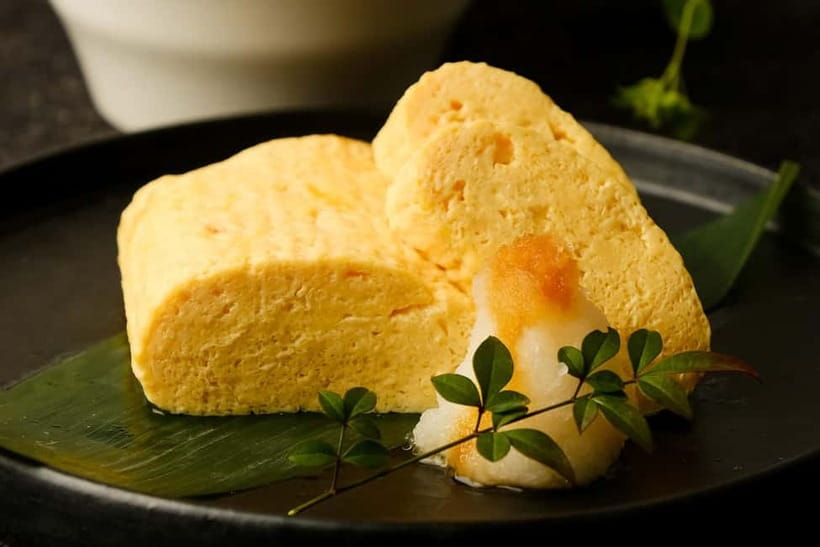
Tamagoyaki is rolled Japanese omelet, and it is one of those foods that looks doable until you try it. In this class, you learn how to make a half portion of rolled omelet per person, alongside your onigiri.
Even though it is only a half portion, it is still meaningful practice. Rolled omelet is about layering and control, and you get enough time to understand the mechanics. You are not just tasting, you are building muscle memory for how the roll comes together.
Pair this with what you learned from onigiri rice. Both tasks reward attention to texture. With tamagoyaki, the egg should be set but still tender, not dry or tough. Learning that balance in a guided setting is the kind of skill you can carry to your next home-cooked Japanese breakfast or snack.
The overall flow in 90 minutes
Your 90 minutes are structured around making and learning, not drifting between stations. You start with the rice and foundational technique, then move through shaping and wrapping. Fillings are introduced as part of the build.
Then you shift to the rolled omelet component. By the end, you are eating the food you made together, and you should leave with a clearer picture of how Japanese home cooking actually works day-to-day.
Because the class limits participation to a small group, the host can keep you on track. In at least one small-session setup, the group felt so personal that instructions landed fast and individual help came quickly.
Price and value: what $49 buys you in real terms
$49 per person for a 90-minute class can feel like a splurge until you look at what is included. Here is what you are paying for, in concrete terms:
- Ingredients and utensils to make 3 rice balls and half a portion of rolled omelet per person
- Apron rental
- Recipe booklet plus a small souvenir
- English guidance from the host
- A small group limited to 8 participants
The “value” piece is not only the food. It is the time-saving coaching. If you tried to learn on your own in Tokyo, you would spend money on ingredients, plus time figuring out rice handling, nori behavior, and shaping pressure. This class compresses that learning curve into 90 minutes.
Also, the inclusions reduce friction. You do not need to bring tools or search for the right supplies. You show up, get taught, and produce food you can eat right away.
One logistical consideration: transportation to and from the venue is not included. Build that into your plan so you do not end up budgeting time stress.
Where the experience shines, based on what you’ll feel in the room
This workshop’s top strengths show up fast once you are inside the kitchen.
First, the instructions are described as clear and step-by-step. That matters in cooking classes because unclear guidance turns small mistakes into bigger messes. Here, you are given enough direction to keep moving without feeling lost.
Second, the atmosphere is friendly and encouraging. That sounds fluffy, but in practice it changes how willing you are to try again after an imperfect first attempt. If your rice ball is not triangle perfection the first time, you should feel comfortable fixing it.
Third, the small-group size makes it easier to connect. Sharing the meal with others you meet in class adds a social layer. It also makes the food feel like it has context, not just ingredients.
Tips to get the most out of your onigiri and tamagoyaki class
You can improve your results with a few smart moves.
- Arrive hungry-ish but not starving. This class is snack-sized, so eating beforehand can help, especially if you plan to explore after.
- Wear something comfortable. You get an apron, but you will still be leaning and handling food.
- If you have allergies or dietary restrictions, tell the host in advance. They say they will do their best to accommodate where possible.
- Ask questions early. The host’s English guidance is there for a reason, and you do not want to discover your confusion when you are already wrapping nori.
- If gluten-free is your concern, request it. The class notes gluten-free options may be available upon request.
Who should book this cooking class, and who might skip it
Book it if you want real technique, not just a food tour moment. This is ideal for:
- Food lovers who want skills they can repeat at home
- People who enjoy hands-on cooking
- Families and groups where everyone is comfortable following instructions (just note the minimum age rule)
The workshop is not suitable for children under 5 years.
Also, if you have severe or life-threatening food allergies, skip this one. It is not positioned for that level of dietary risk.
If your idea of a cooking class is “a big dinner,” be aware you make 3 onigiri and a half portion of rolled omelet. It is satisfying, but it is not a full course meal event.
Should you book the Sorisso Shibuya workshop?
I think this is a strong pick if you want to come away with confidence. Learning rice nuance, then practicing nori wrapping and shaping, is exactly the kind of skill that upgrades your Japanese food experiences at home.
You should probably book it if:
- you enjoy hands-on cooking
- you like the idea of making multiple flavor variations with different fillings
- you want an English-speaking host and a small-group feel
You might skip it if:
- you need a full meal amount
- you have severe or life-threatening allergies
- you do not want to handle food prep at all
If you do book, plan your day so you can travel to and from without rushing. Then treat the class like skill-building, not just entertainment. The real win is leaving with a recipe booklet and knowing what to aim for the next time you make onigiri in your own kitchen.
FAQ
What will I make during the onigiri and tamagoyaki class?
You will make 3 rice balls per person and a half portion of rolled omelet. Ingredients and utensils for these are included.
How long is the class?
The experience lasts 90 minutes.
Do I need prior cooking experience?
No prior experience is necessary. The host guides you through each step.
Is the class taught in English?
Yes. The instructor and guidance are provided in English.
Can you accommodate dietary restrictions or allergies?
If you have dietary restrictions or allergies, you should let the host know in advance, and they will do their best to accommodate where possible. Gluten-free options may be available upon request. The class is not suitable for guests with severe or life-threatening food allergies.
Is transportation included in the price?
No. Transportation to and from the venue is not included.
More Workshops & Classes in Tokyo
More Cooking Classes in Tokyo
More Tour Reviews in Tokyo






Not for you? Here's more nearby things to do in Tokyo we have reviewed












Shibuya Tours, side by side.
 ★ 5.0Official Street Go-Kart in ShibuyaFrom $763,435 reviews
 ★ 4.9Street Kart Experience in ShibuyaFrom $741,484 reviews
 ★ 5.0Shibuya Meltdown Nightlife Tour: All-You-Can-Drink Bar HoppingFrom $1061,058 reviews
 ★ 5.0Shibuya Official Street Go-Kart in Shibuya AnnexFrom $69972 reviews
 ★ 5.0Shibuya Food Tour (13 dishes and 4 Eateries)From $77770 reviews
 ★ 5.0Best of Shibuya Food TourFrom $217612 reviews
 ★ 4.8Shibuya Highlights Walking TourFrom $19601 reviews
 ★ 4.7Premium Go-Kart Tour with Tower & Shibuya CrossingFrom $116528 reviews
This tour also belongs to