
Review · TSUKIJI MARKET TOURS
Tokyo: Guided Walking Tour of Tsukiji Market with Breakfast
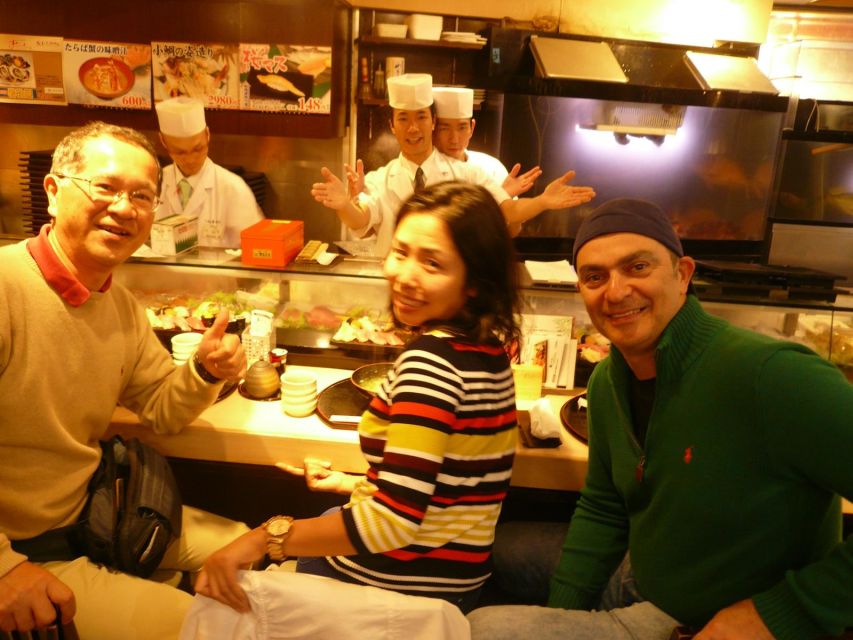
Breakfast by the fish market changes how you see Tokyo. This guided walk starts at the Tsukiji Hongwanji Temple gate, then leads you through the Outer Market for breakfast tastings and real-life market energy.
I love how the route is smart and efficient, so you spend more time eating and less time guessing where to go.
My second favorite part is the food lineup, 7 local specialties that go from grilled skewers to dashi. You also get context on how Japanese religion and culture show up in everyday eating, not just in museum stories.
The only thing to consider is that this is a full-on breakfast. Come hungry, because you are likely to end up eating more than you planned, and you may want to flag any items you do not want.
Quick hits before you go
- Small group (up to 10) means you get attention and fewer bottlenecks.
- Start at Tsukiji Hongwanji Temple, so the market feels tied to place, not just food.
- 7 tastings include grilled seafood or beef skewers, tamagoyaki, tuna sandwiches, fish paste skewers, plus tea and dashi.
- Real market watching: you get to see wholesalers working rather than only shop from the sidelines.
- Guides do the hard part like lining up and translating, including names like Rico, Yumi, and Minoko.
Tsukiji Hongwanji Temple: your breakfast begins at a temple gate

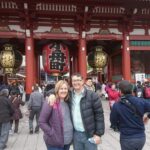
Your morning starts at the main gate of Tsukiji Hongwanji Temple. The exterior has that older, temple-style look that feels like it belongs to a different century than the nearby rush of food stalls. The highlights call it ancient Buddhist-inspired architecture with Indian-inspired influence, and you can feel that blend when you stand there before stepping into the market lanes.
I like this warm-up because it changes the mood. Instead of jumping straight into the crowds, you get a quick cultural anchor first. It also helps you understand the tour’s big idea: in Japan, food is not only about taste. It is also about habits, gratitude, and how communities feed themselves in a way that fits their beliefs and daily rhythm.
Practical tip: comfortable shoes matter here. Even a 150-minute walk can still add up when you are bouncing between stalls, shops, and vendor lines.
You can also read our reviews of more walking tours in Tokyo

Meeting point and how to get there without stress
Meet in front of Tsukiji Hongwanji Temple. If you are coming by train, Tsukiji Station is on the Hibiya Line. Take Exit A1, turn left, and the entrance is about 50 meters (55 yards) from the station. That short distance is a big deal early in the morning, when Tokyo can still be a bit sharp and you do not want to waste minutes searching.
One more reason I’m glad the meeting point is clear: the tour is short, about 150 minutes. You do not want to burn that time getting lost, especially in a district where streets can funnel you fast.
Walking the Outer Market with a guide who handles the lines
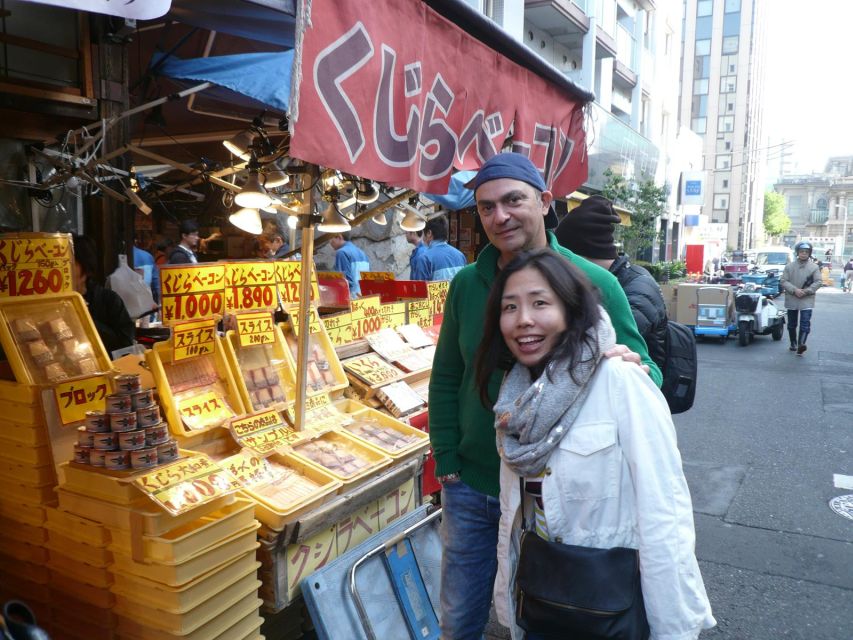
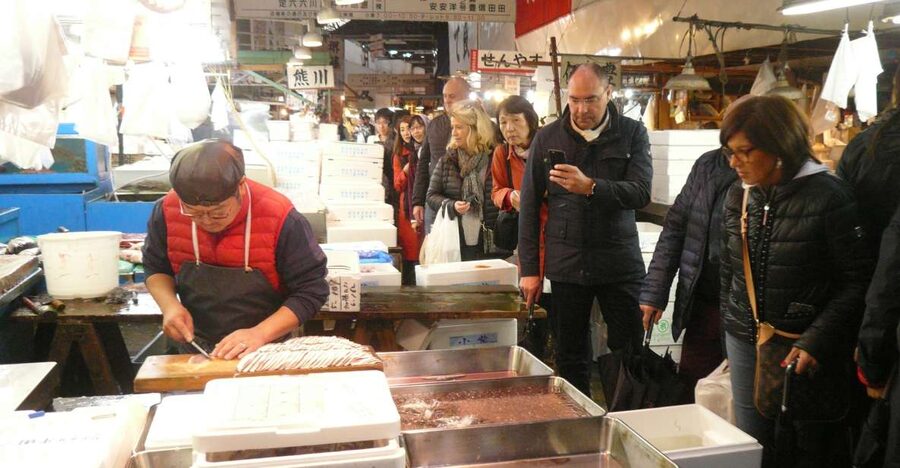
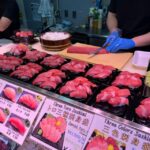
Once you leave the temple area, the tour shifts into the Outer Market atmosphere. This is one of the largest fish-market wholesale zones in the world, and it has a distinct texture. You are close enough to watch expert wholesalers working, and you pass restaurants, shops, and stalls packed with unusual products.
The biggest benefit of a guided walk here is not just access. It is pacing. Market lanes can pull you in ten directions at once. A good guide keeps the flow moving, gets you to the tastings efficiently, and helps you avoid common beginner mistakes like standing in the wrong line or ordering something you cannot interpret.
The small group size matters too. With a limit of 10 participants, you are less likely to get separated or delayed while people try to figure things out. In reviews, people repeatedly praised guides for waiting in long lines while the group explored with translation help, so the tour stays fun instead of turning into a scavenger hunt.
Language note: the tour is English, but a couple reviews mention moments when English was harder to follow because a guide was speaking quickly. In practice, that is usually manageable because the guiding team can still coordinate, and you can work around it by asking clear questions about allergies or what you like.
Also, the tour ends soon enough for you to keep going on your own. Several comments point out that you do not feel stuck until late in the morning, so you can continue exploring if the market grabbed you.
How the route feels in real time, from stalls to tastings
Your walk through the Outer Market is built around stops where you sample food rather than just browsing. Expect a pattern: pass interesting counters and shops, pause near vendors for tastings, then move again. That structure is what makes the experience work for breakfast. You are not just walking and hoping you find something good. You are tasting your way through what the market does well.
A key detail is the mix of food types. The tastings include seafood and beef, which matters because Tsukiji is not only about raw fish. You also get grilled items and warm dishes like omelette and dashi, so you get variety across textures and flavors.
And yes, you will see people buying and working. That part is a big reason a guided approach can feel more authentic than just walking in with a phone and a map.
The 7 tastings: what you actually get, and why it makes sense
The tour includes tastings of 7 local specialties. Here is how that lineup plays in your day, and what to look for at each stop.
- Grilled seafood or beef skewers
You get a skewer-style bite that sets the tone for the morning. It is the fast, market-friendly food you can eat while walking and it gives you a clear flavor baseline early on.
- Japanese-style omelette (tamagoyaki-style)
This one helps balance the salty, smoky skewers. Omelette tastings also tend to be easy to digest, which matters because you’re stacking several foods back-to-back.
- Tuna sandwiches
Tuna at Tsukiji can mean different things, but the sandwich format makes it easy to sample without hunting around for a sit-down meal. It also gives you something that feels familiar enough to compare against what you tasted earlier.
- Fried fish paste skewers
This is a chance to try a texture you might not recognize from your usual seafood routine. Fish paste skewers can be crispy and savory, and they often taste very different from grilled seafood.
- Yakitori-style skewers and wagyu beef (as described in the highlights)
The highlights specifically mention delicacies like yakitori skewers and wagyu beef. Even if you do not know the differences, the point is the experience: you taste the market’s everyday pride items, not only the tourist versions.
- A drink
You get a drink with the tastings. One review mentioned a beer at around 9 a.m., so you might see that kind of early start depending on what’s available during your visit. Either way, it helps break up the run of salty foods.
- Japanese tea sample and dashi soup stock sample
Tea and dashi are your palate reset. Dashi is a key base in Japanese cooking, and tasting the stock is one of the more “why this matters” parts of the tour. It makes everything else you ate earlier start to connect.
The smart part of getting these items in one organized morning is that you get a small menu you can actually digest. If you tried to build this yourself, you would likely miss items or end up stuck in lines too long. Here, you taste, learn what you’re tasting, and keep moving.
Diet and preferences: one review specifically said the guide adjusted the tour when the guest did not want to eat everything. If you have restrictions or you just know you will not like a certain category, tell your guide early. They can often steer you toward alternatives.
You can also read our reviews of more guided tours in Tokyo



Culture and cuisine: what to notice beyond the food
The tour includes explanation about how Japanese culture and religion connect to cuisine. Even without turning it into a lecture, that framing gives you an extra layer while you walk.
When you start at a temple gate, you are primed to notice etiquette and intention. When you later taste items like tea and dashi, you are more likely to think about the cooking logic behind flavors, not only the flavors themselves. You also start noticing that the market is not separate from culture. It is part of it.
This matters for you if you want Tokyo to feel like a lived-in place. Instead of just taking photos, you learn how people make breakfast choices and why certain ingredients show up again and again in Japanese daily eating.
Guides like Rico, Yumi, and Minoko make the difference
A big reason this tour earns a high rating is guide quality and flexibility. Several reviews mention guides who were fun and focused on making sure everyone had a great time. Others praise guides for being helpful and generous, and for customizing based on what people wanted to try.
Specific names show up: Rico, Yumi, Minoko, and also a guide referred to as Nori. You can take that as a sign that this is not run by a machine. It is human-led, with people who talk to vendors and help translate what you see.
Two practical things you’ll feel on this kind of tour:
- You get help choosing and ordering, especially when menus are unclear.
- You can ask questions and get answers on the spot, rather than reading later and forgetting.
That makes the whole morning less stressful. You are free to focus on eating and learning, not on logistics.
Who should book this Tsukiji breakfast tour, and who should skip it
I think this tour is best for you if you want an efficient introduction to Tsukiji’s food world, not a slow wander. It is also ideal if you like hands-on learning, like watching wholesalers work and tasting in context.
You should probably skip or consider something lighter if you:
- Do not eat much for breakfast
- Know you will not enjoy seafood or beef
- Prefer to explore on your own with no structure
That said, the tour does show flexibility for preferences, based on reviews. So even if you are a little picky, it is worth asking early and communicating clearly.
One more match detail: the tour is wheelchair accessible. With a small group and a guided pace, it can feel more manageable than self-guided walking in crowded lanes.
Price and value: is $85 worth a 150-minute breakfast?
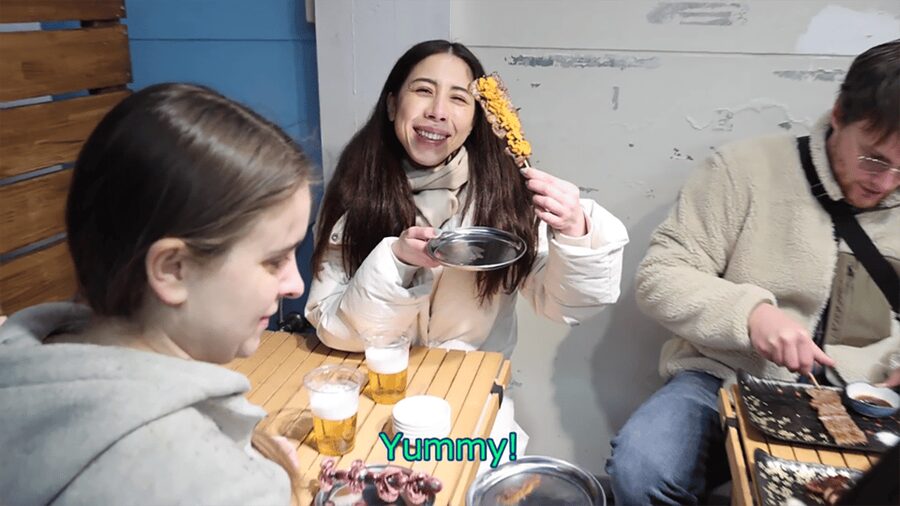
At $85 per person for about 150 minutes, this is not the cheapest breakfast in Tokyo. But the value is in what’s included: a guide plus 7 tastings plus translation and line management.
If you try to recreate it yourself, you will likely spend money on multiple meals and still need time to figure out where to go. You might also miss certain items because Tsukiji’s best-known foods are not always where first-timers assume they are. Here, you get a planned lineup, plus the market navigation.
Also, you are paying for the human part. Reviews repeatedly mention guides coordinating with vendors and helping people get exactly what they want. That matters in a busy market where ordering and understanding can be hard.
My take on value: if you want a focused morning that blends food, culture, and practical market know-how, $85 can feel reasonable. If you mainly want to take photos and snack randomly, you may get more fun per dollar by browsing on your own.
Should you book this Tsukiji breakfast tour?
If your dream is a Tokyo morning that feels local and food-forward, I’d book it. The best parts are the small group, the temple-to-market flow, and the way the 7 tastings give you a real sense of what the Outer Market does well.
I would only hesitate if you dislike eating a lot in one go. But even then, you can help yourself by going hungry on purpose and telling the guide what you do not want.
In short: this is a strong choice for first-time Tsukiji fans, food lovers who want structure, and anyone who likes their travel with both flavor and a bit of cultural meaning.
FAQ
Where is the meeting point for this tour?
Meet in front of Tsukiji Hongwanji Temple.
How do I get there from Tsukiji Station?
From Tsukiji Station on the Hibiya Line, take Exit A1, turn left, and walk about 50 meters to the temple entrance.
How long is the tour?
The tour lasts about 150 minutes.
What is included in the $85 price?
You get a live English-speaking guide and tastings of 7 local specialties.
What foods are included in the 7 tastings?
Tastings include grilled seafood or beef skewers, Japanese-style omelette, tuna sandwiches, fried fish paste skewers, a drink, Japanese tea, and a sample of dashi soup stock.
Is the tour in English?
Yes, it’s listed as an English live tour guide.
What group size should I expect?
It’s a small group limited to 10 participants.
Is the tour wheelchair accessible?
Yes, it is wheelchair accessible.
What should I bring?
Wear comfortable shoes.
Can the tour adjust for what I do not want to eat?
Based on review feedback, you can tell the guide what is ok and what is not, and they can adjust what you sample.
What is the cancellation policy?
Free cancellation is available up to 24 hours in advance for a full refund.
Is there a pay-later option?
Yes, the booking option is reserve now and pay later, so you pay nothing today.
More Walking Tours in Tokyo
More Tours in Tokyo






More Tour Reviews in Tokyo


Not for you? Here's more nearby things to do in Tokyo we have reviewed












Tsukiji Market Tours, side by side.
 ★ 5.0Tokyo Tsukiji Fish Market Food and Culture Walking TourFrom $993,184 reviews
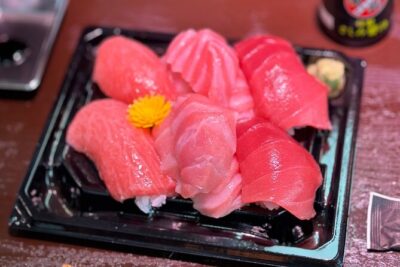 ★ 5.0Tsukiji Fish Market Food and Walking tourFrom $301,724 reviews
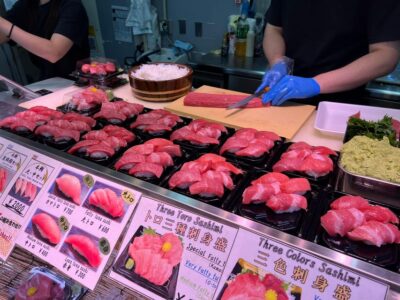 ★ 4.9Tsukiji Fish Market Guided Walking TourFrom $221,397 reviews
 ★ 5.0Tokyo Sushi Making Class in Tsukiji with Professional ChefFrom $491,177 reviews
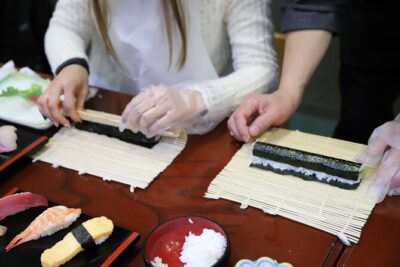 ★ 5.0Tsukiji Fish Market Guided Tour and Sushi Making with Pro ChefFrom $104775 reviews
★ 4.7Tsukiji Fish Market Food and Culture Walking TourFrom $96757 reviews
★ 5.0Tsukiji Fish Market Guided Tour and Sushi Making with Pro ChefFrom $104775 reviews
★ 4.7Tsukiji Fish Market Food and Culture Walking TourFrom $96757 reviews
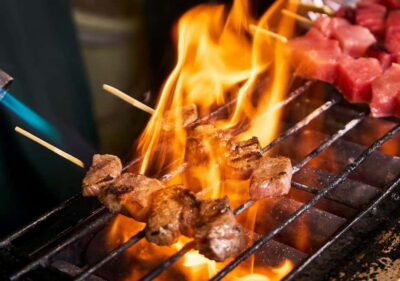 ★ 5.0Tsukiji Fish Market: Street Food & Culture Walking TourFrom $33669 reviews
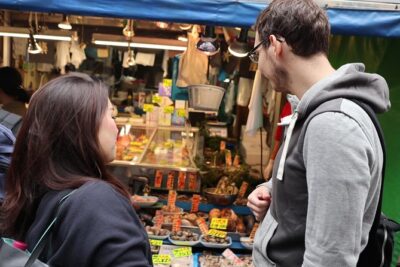 ★ 5.0Tsukiji Fish Market Small-Group Food Walking TourFrom $87621 reviews
This tour also belongs to