
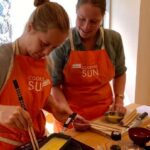
Three people, one Tokyo kitchen, lots of umami. In this small French class with Yumiko Mizutani and her daughter Yuri, I like the way you cook everyday favorites like karaage and miso soup, and I like that the techniques use ingredients you can usually source in France. One thing to weigh: it is not suitable for food allergies or people with animal allergies because cats live in the house.
You get about 150 minutes of hands-on cooking, plating with Japanese ceramics, then sitting down to eat what you make, with a welcome tea and a seasonal tea to finish.
Key highlights to know before you go
- Karaage as the main event, a Japanese favorite designed to be recreated at home
- French instruction in a tiny group, capped at 3 people so questions do not get lost
- Everyday Japanese dishes, not just ramen and sushi
- Ingredients you can find in France, so you can cook again after your trip
- Yumiko and Yuri’s home kitchen vibe, with warm, attentive guidance during the full session
Why this Tokyo cooking class feels more like home than a show
Most cooking classes in big cities turn into a performance. You watch, you chop a bit, then you leave. This one runs differently. The focus is on Japanese home cooking that people actually eat every day, and it keeps you working the whole time.
You start from familiar basics, then build up flavor step by step. The menu centers on karaage, plus comforting staples like miso soup and rice dishes like onigiri. If you think of Japanese food only as ramen or sushi, this class gives you a wider view of how Japanese cooking works day to day.
The other thing I like is the “keep it practical” mindset. The recipes are meant to be easy at home, with ingredients that are doable in France. That matters if you want the class to keep paying off after you return, instead of just becoming a fun memory.
You can also read our reviews of more cooking classes in Tokyo


Getting to the kitchen: Futako-Tamagawa station meeting point
This experience has a clear meeting spot: meet in front of the McDonald’s, just outside the East exit of Futako-Tamagawa station (Den-en-toshi and Ōimachi lines).
Why this helps you: Tokyo is easy to move through, but it is also easy to waste time. A specific landmark right by the station means you can focus on getting there without overthinking it.
You are heading to a private home kitchen in the Honshu region, so expect the vibe to be calmer than a restaurant classroom. Come as you are, because the class supplies what you need on-site.
The 150-minute rhythm, what happens from start to finish
The class is timed for a comfortable pace: long enough to cook properly, short enough that you stay energized. Plan for a full meal experience, not a quick tasting.
Here is what the flow is like in real terms:
- You arrive and get a welcome tea, then settle into the cooking space.
- You work through the menu in stages, so each dish makes sense on its own.
- You plate your food using Japanese ceramics, which makes the meal feel special even if the cooking is simple.
- At the end, you sit down to enjoy what you made, then finish with a seasonal tea selected by the hostess.
The small group format also changes the tempo. With only up to 3 people, you get personal help when something is unclear, instead of waiting for the next round of instruction.
What you cook: karaage, miso soup, onigiri, and more
The menu is designed around Japanese flavors that translate well to France. The centerpiece is karaage, Japanese fried chicken. It is loved in Japan, and it is also the kind of dish that gives you immediate feedback: crisp on the outside, juicy inside, and very teachable if you pay attention to technique.
In addition to karaage, the class includes a mix of mains, sides, and soup. Your sample menu includes:
- Main course: Karaage (fried chicken)
- Sides: Teriyaki salmon, sesame vegetables, plus one additional item
- Soup: Miso soup with pork and vegetables
- Rice or onigiri (rice balls)
A useful way to think about this menu is balance. You are not just learning frying. You are also learning how Japanese meals assemble flavors: savory, salty, a little sweet, then a warm soup and a rice element to pull everything together.
One detail worth knowing: you get techniques and tips, not just a list of recipes. That is how karaage and miso soup stop feeling like mystery dishes and start feeling like things you can reproduce.
Simple methods you can repeat in France (no exotic shopping trips)
The class explicitly aims for recipes you can recreate using ingredients that are easy to find in France. That is the difference between a “cool Tokyo activity” and a cooking skill you actually keep.
In practice, this usually means:
- Japanese seasonings and core ingredients are used in sensible amounts
- You learn the logic of the dish, like what to look for while cooking, not only the final instructions
- The dishes stay practical for a home kitchen, not just a professional one
The experience also emphasizes homemade, healthy-ish comfort food rather than heavy “tourist Japan” menus. Fried chicken, yes, but paired with soup and vegetables so your plate does not feel like a sugar bomb.
After you go, your goal should be to cook one dish again within a week or two. If you wait months, those little technique cues (texture, timing, smell cues) fade fast.
More Tokyo tours and experiences for the shortlist




French instruction, tiny group help, and the Yumiko and Yuri dynamic
Language is a big deal here, because the workshop is conducted in French. An assistant is present to facilitate communication in French, and the host family team includes Yumiko Mizutani with Yuri helping throughout.
This is where small group size matters for real, not as marketing talk. With a maximum of 3 participants, you get explanations when you need them. You also get pushed to participate, rather than just standing around with a spoon.
From what you are told up front, beginners are welcome. That is important because cooking classes often assume you already know your way around a kitchen. Here, the teaching approach is built for people who may be trying Japanese cooking for the first time.
Another nice detail: Yuri has lived in France, so the translation style and explanation tone are geared toward how you would actually cook and shop back home.
Cats in the house: a practical consideration before you book
This class is in a home. You should know this before you commit: there are cats in the house, and they are kept away during the cooking session.
If you have animal allergies, the experience is not suitable. Even if you are not sure how your allergy behaves around cats, this is the kind of situation where it is smart to ask questions directly before booking.
If you are fine with cats in general, just know you may still be in a home environment, not a sterile studio.
The feel of the meal: ceramics, warm hospitality, and tea
The cooking is only half the point. The other half is eating what you made in a calm, personal setting.
You plate your dishes using beautiful Japanese ceramics, which makes the meal feel like it belongs in someone’s real home, not a staged photo spot. You also get a welcome tea before you start and a seasonal tea at the end.
These details matter because they turn a class into a memory that lasts beyond the recipe. The goal is not just to get fed. It is to leave with a sense of Japanese daily life, through small, manageable moments.
Price and value: is $89 worth 150 minutes?
The price is $89 per person for a workshop lasting 150 minutes. That is not a budget price, but it is also not an outrageous one for what is included.
Here is what you get that supports the value:
- Meals included (you eat what you cook)
- Recipe included
- All ingredients and utensils provided
- Apron loan, so you do not have to bring kitchen gear
- Welcome tea and a free drink (tea)
- A staffed welcome at the meeting point
So you are paying for more than instruction. You are paying for the full setup, the teaching, and a meal experience that is hard to replicate casually on your own in Tokyo.
Also, the group cap at 3 people is a quiet cost driver. Bigger groups typically lower time and attention. Here, your probability of getting direct help stays high.
If you are the type who will cook at home again, this becomes better value. If you only want a one-time meal and will not repeat the recipes, it may feel pricier.
Who should book this class, and who should skip it
This is a strong match if you want:
- Beginner-friendly cooking with clear guidance
- Japanese home dishes beyond sushi and ramen
- A French-speaking workshop where you can ask questions in your language
- Recipes you can realistically shop for in France afterward
It is not a match if:
- You have food allergies, since the class is not suitable for people with allergies
- You have animal allergies, because cats live in the house
- You are traveling with children under 6 years
- You need a fully allergy-safe environment (this is a home kitchen setting)
If you are traveling solo, this can be especially good. You still get the tiny-group attention, and the setting makes it easier to talk.
Should you book this Tokyo Japanese cooking class?
I think you should book it if you want a small, friendly workshop that teaches you how to cook, not just what to order in a restaurant. The karaage focus is great if you want a win that feels impressive yet still doable at home. The inclusion of miso soup and rice or onigiri rounds out the experience into a real Japanese meal.
But be honest about your constraints. If you have allergies, or if cats are an issue, skip it. Also, if you are only interested in the flashiest Tokyo food trends and do not care about repeating recipes later, you might find a restaurant meal more aligned with your goal.
If your goal is to leave Tokyo with techniques you can use in your own kitchen back in France, this class is a smart choice.
FAQ
Where is the meeting point?
Meet in front of the McDonald’s, just outside the East exit of Futako-Tamagawa station (Den-en-toshi and Ōimachi lines).
How long is the cooking class?
The duration is 150 minutes.
What is the price per person?
The price is $89 per person.
What size is the group?
It is a small-group workshop limited to a maximum of 3 participants.
What language is the class taught in?
The class is in French. An assistant also facilitates communication in French during the experience.
Who teaches the class?
The hostess is Yumiko Mizutani, and her daughter Yuri is with you throughout the workshop to help with French.
What dishes are included?
The sample menu includes karaage, teriyaki salmon, sesame vegetables, miso soup with pork and vegetables, and rice or onigiri. Vegetarian menus are also available if you contact in advance.
Is it suitable for beginners?
Yes, beginners are welcome, and the class is described as suitable for beginners and enthusiasts alike.
Do I need to bring kitchen tools or ingredients?
No. All ingredients and utensils are included. Aprons, towels, and slippers are provided, and an apron loan is also included.
Is it suitable for allergies or animal allergies?
No. It is not suitable for people with food allergies or people with animal allergies. Cats live in the house, and they are kept away during the cooking session.
More Workshops & Classes in Tokyo
More Cooking Classes in Tokyo
More Tour Reviews in Tokyo




Not for you? Here's more nearby things to do in Tokyo we have reviewed









Tokyo City Tours, side by side.
 ★ 5.01-Day Tokyo Bus TourFrom $12914,250 reviews
 ★ 4.5TOKYO SKYTREE® Admission ticketFrom $1311,192 reviews
 ★ 4.6teamLab Planets TOKYO Digital Art Museum Entry TicketFrom $259,779 reviews
 ★ 4.0Mt Fuji & Hakone Cruise, Drum Show Bullet Train 1 Day from TokyoFrom $1497,413 reviews
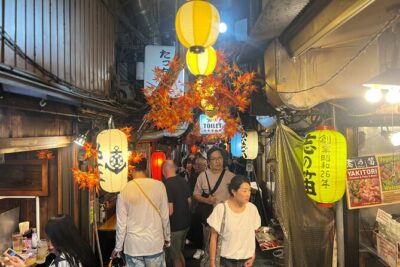 ★ 5.0Shinjuku Food Tour (13 Dishes at 4 Local Eateries)From $866,603 reviews
 ★ 4.4Tokyo Mt Fuji 5th St & Hakone Cruise Bus Tour w/Bullet TrainFrom $1545,024 reviews
 ★ 5.0Flagship 2-Hours Official Street Go-Kart Tour – Tokyo Bay ShopFrom $644,974 reviews
 ★ 4.5From Tokyo: Mount Fuji Full-Day Sightseeing TripFrom $684,970 reviews
This tour also belongs to