
Review · TOKYO CITY TOURS
Tokyo: Japanese Home-style Cooking Class with Meal
Cook Japanese home food, step by step. This Tokyo class teaches classic comfort dishes like dashimaki tamago and saikyo-yaki, then you eat what you make. I especially like the home-recipe focus, and I like that the meal is part of the ticket, not an afterthought. One thing to consider: this is very recipe-driven, so if you want lots of advanced technique and freewheeling variations, you might find it a bit limited.
The format is straightforward: about 150 minutes total, with an instructor teaching in English, plus a tasting window built in. You’ll get practice with core Japanese flavors, starting from dashi and working into seasoning and presentation.
Location-wise, it’s convenient for a first Tokyo day, with studios near Shinjuku, Chiyoda, and Minato wards. Just note there is no hotel pickup, and the correct studio address is only confirmed a few days before you go.
Key things I’d mark on your Tokyo plan
- Hands-on cooking, then you eat immediately: the class ends with the dishes you cooked, not just demos.
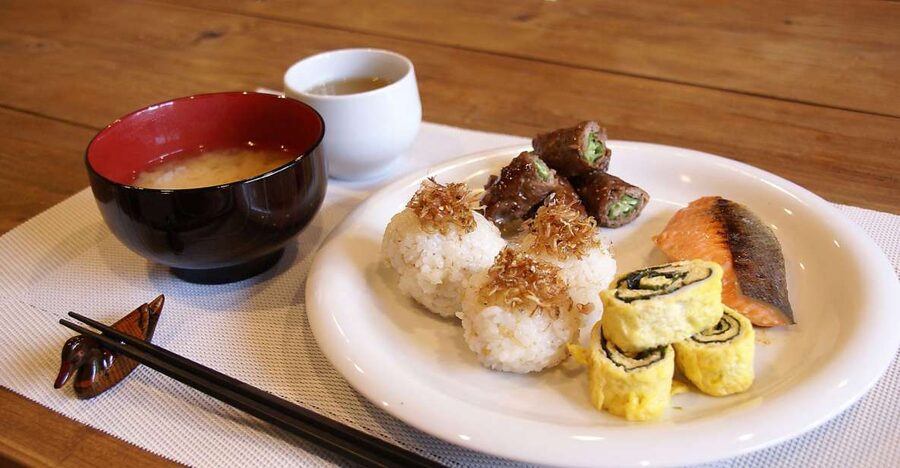
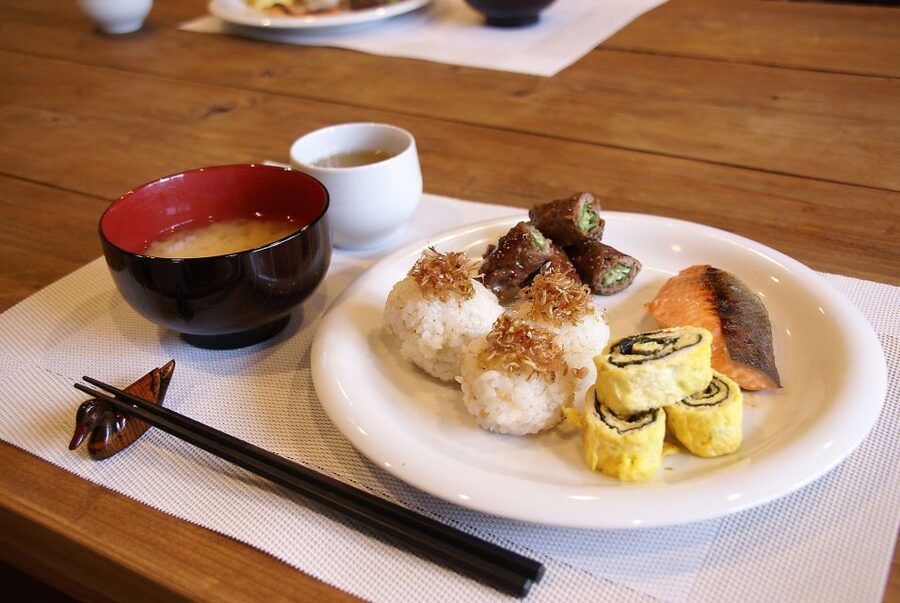
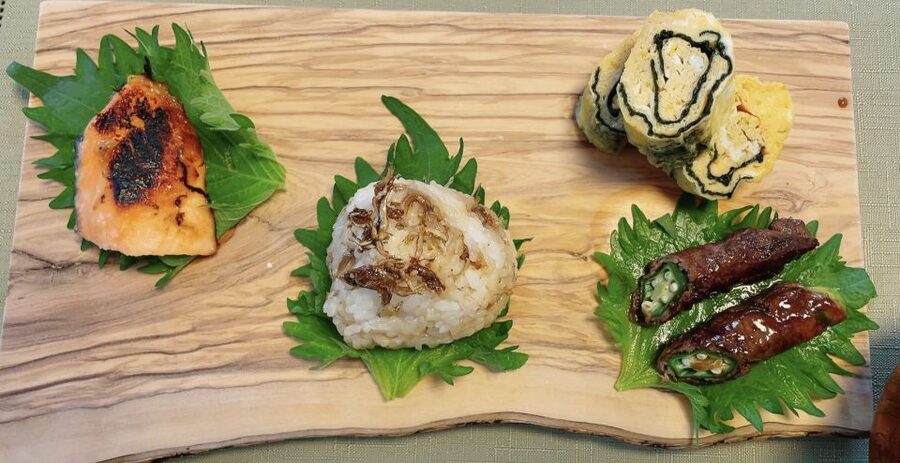
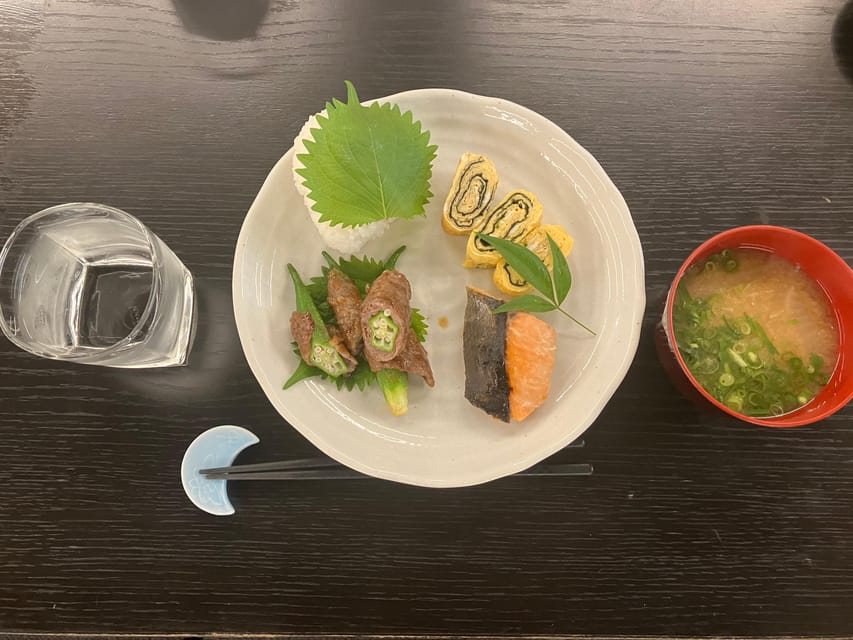
- Japanese home staples: dashi stock, saikyo-yaki style grilled fish, dashi-maki tamago rolled omelet, plus rice ball and miso soup.
- English instruction: the class is led in English, so you can actually ask questions.
- Nutrition, seasoning, and presentation: the teaching isn’t only about steps, it’s about why the food tastes balanced.
- Small practical Tokyo setup: studios are near major areas (Shinjuku, Chiyoda, Minato), but you need to get to the right one yourself.
What you cook: dashi stock, saikyo-yaki fish, and rolled omelet
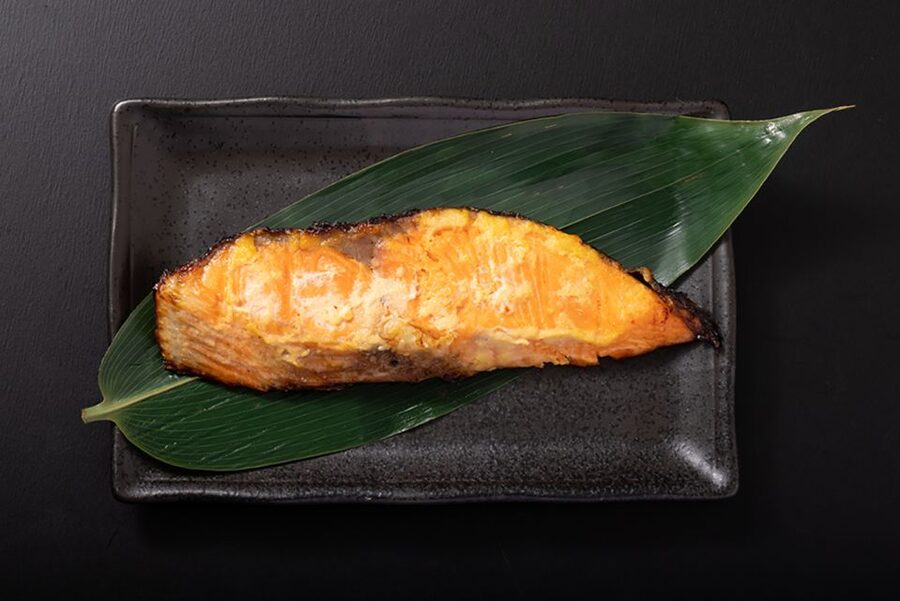
This class is built around a simple but smart idea: learn a few core Japanese home flavors, then understand how they work together on a plate. The menu includes Japanese dashi stock first, because dashi is the backbone for so many dishes. Once you grasp that foundation, the rest of the meal makes more sense.
You then make and prepare items such as saikyo-yaki style grilled fish and dashi-maki tamago, a rolled omelet. These are classic home foods, not flashy restaurant-only items. That matters for value, because the goal is food you can recreate later with your own ingredients.
You’ll also work with a rice ball and Japanese miso soup. Even if you never plan to cook a full Japanese meal again, learning how these pieces fit together helps you season with confidence. Miso soup teaches you how to balance saltiness and depth, and rice helps you understand Japanese meal structure, you eat the sides and mains in a way that keeps flavors clean and readable.
One more practical point: the menu includes fish and miso soup, and the activity isn’t listed as vegan-friendly. If your dietary needs are strict, you should treat this as a menu-match situation, not a flexible customization class.
You can also read our reviews of more cooking classes in Tokyo


The schedule in real life: 11:00 to 13:30, then you sit down
The day is broken into two clean blocks. You start with cooking from 11:00 to 13:00, then you shift into tasting from 13:00 to 13:30. The total time is listed as about 150 minutes, so you can plan your Tokyo day without guessing.
Why this timing is good for you: lunch classes can easily turn into a late afternoon hunger trap. Here, the tasting window is built right after the cooking, and you’re not expected to leave the kitchen and find food elsewhere. You also get a chance to slow down and eat while the flavors are still fresh and the cooking logic is still in your head.
Also, because it runs in the late morning through early afternoon, it fits nicely between Tokyo sightseeing blocks. It’s a strong choice if you want a cultural activity that doesn’t require you to navigate long public transit rides at night.
Eating what you make: the meal, drinks, and why it matters
The best part of a cooking class is rarely the chopping, it’s eating the final result while the process is still fresh. In this experience, the meal is included, and drinks are included too. That turns it into a true Japanese home-cooking session, rather than a workshop where you pay for the class but eat dinner on your own.
You’ll taste the items from the cooking session, including saikyo-yaki style grilled fish, dashi-maki tamago, dashi-miso soup, and the rice ball. This is a well-chosen lineup because it teaches contrast: savory dashi depth, sweet-savory fish flavor from the saikyo-yaki style marinade approach, and the soft, comforting texture of rolled omelet.
I also like that the class is described as teaching nutritional balance, seasoning, and food presentation. You’re not just learning what to do, you’re learning how a Japanese meal tends to be arranged so it feels balanced, not heavy. That’s useful when you cook later at home, even if you reduce the recipe to one or two elements.
Instructor-led learning in English: Nao and Erika, plus the teaching style you should expect
Instruction language is English, which is a big deal in Japan. It means you can ask why something works, not just memorise steps. The experience includes an instructor who guides the cooking and can help you move through the recipes in real time.
In earlier class experiences, instructors such as Nao and Erika have led sessions, and people liked their patience and ability to explain in a way that felt practical. That aligns with what you want in a cooking class: you should be able to follow along, not feel lost.
That said, it’s important to set expectations. One account of an earlier session raised concerns about the instructor’s background and execution, including signs of a less polished pace and a more strictly recipe-following approach. You might find the teaching style closer to a guided recipe walkthrough than to high-level chef mentoring.
So how do you decide if it fits you?
- If you want a fun, guided class and recipes you can remake later, you’ll likely feel satisfied.
- If you want lots of technique talk, knife skill coaching, and extra variations beyond the recipe, consider whether you’ll feel shortchanged.
Price and value: about $90, with ingredients, meal, and drinks included
At $90 per person for around 150 minutes, the price lands in a common range for Tokyo cooking classes, but the value comes from what’s included. You’re getting the cooking class itself, ingredients, the meal you cook, and drinks.
Here’s the value logic I use when deciding if a class is worth it:
- You pay for time with an instructor.
- You pay for ingredient access in the right quantities.
- You get the meal, which means you’re not buying lunch separately.
- You get a structured skill, not just a tasting.
This class is especially good value if you’d otherwise spend your day doing only food browsing. Browsing teaches taste. Cooking teaches technique and timing, and that’s what helps you replicate dishes at home.
One small note: there’s no hotel pickup or drop-off. That’s not unusual, but it does affect your total cost in time and possibly transit. If you hate navigating station-to-studio routing, plan extra buffer.
More Tokyo tours and experiences for the shortlist




Where to meet near Shinjuku, Chiyoda, and Minato
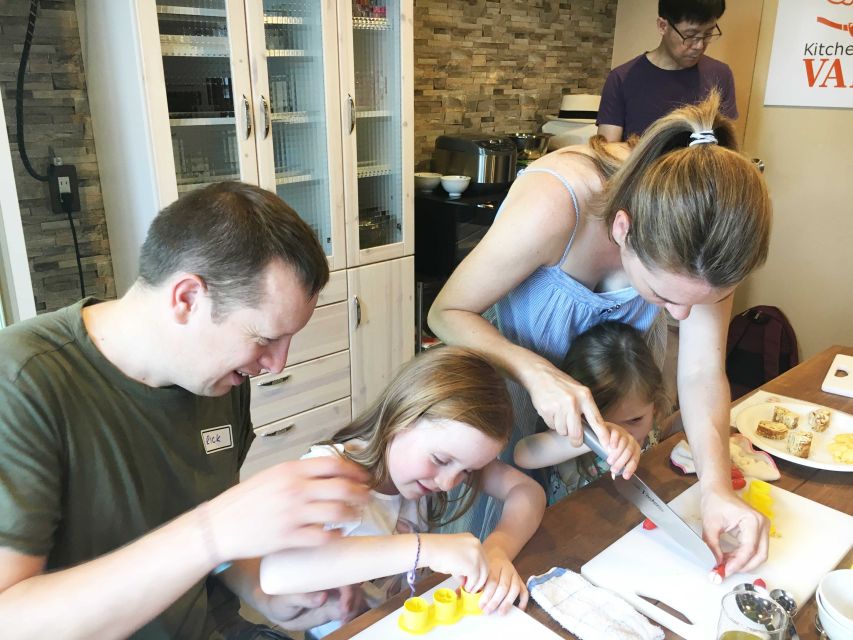
The studios are near Shinjuku, Chiyoda, and Minato wards. However, the address shown on Google Maps can point you to a different spot. The experience notes that you should come to the designated cooking studio before the start time, and that the correct details are sent about 3 days prior to your reservation date.
Practical takeaway: don’t lock in your route the day before using only what you see on a map thumbnail. Use the final confirmation message when it arrives, then build your transit plan from that.
Also, because there is no hotel pickup, you’re responsible for getting to the studio. The upside is that you avoid being stuck waiting for a vehicle or group schedule. The downside is you need to be organized.
Who this Tokyo home-cooking class suits best
This class is a good match if you want a taste of Japanese home cooking that is teachable and repeatable. The dishes are friendly to first-timers, and the class format includes a full meal at the end.
You’ll likely enjoy it if:
- you want to cook alongside an instructor in English
- you like practical recipes like tamagoyaki-style rolled omelet and saikyo-yaki style fish
- you value learning about seasoning, presentation, and balance, not just following directions
It’s not suitable for:
- children under 3 years
- people with back problems (you should respect this)
- vegans
If your needs fall into those categories, look for another option that specifically supports your situation.
Practical tips so you get more out of the class
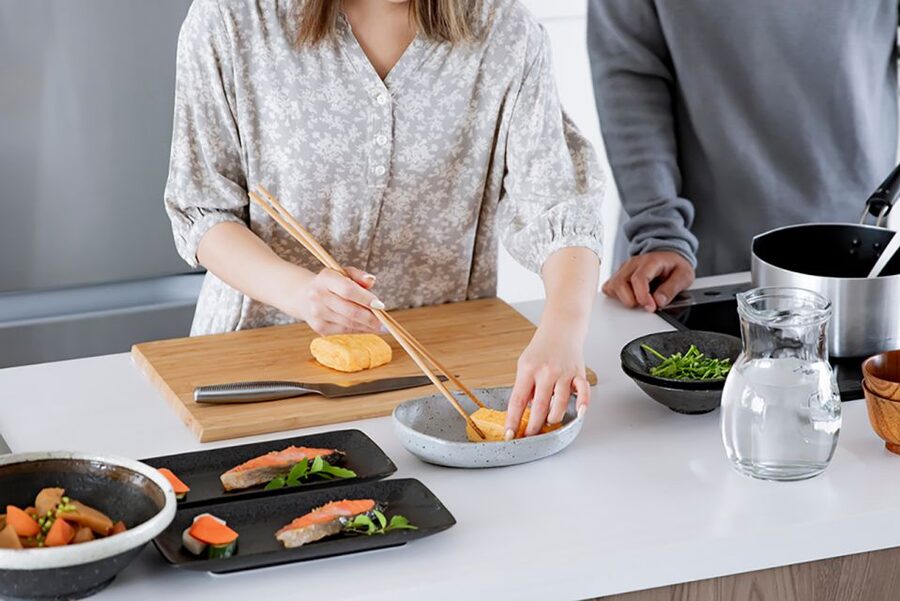
A little planning can make the difference between a nice lunch activity and a genuinely useful skill session.
- Arrive early enough to settle in. The class starts at 11:00, and you should come to the studio before the start time.
- Use the exact studio details sent 3 days before. Since the Google Maps pin may be off, confirm the correct location.
- Have a mindset of learning by doing. This is a hands-on class where you cook the included dishes, then taste them right away.
- If you care about menu fit, remember the described menu includes fish and miso soup, and vegans are listed as not suitable.
And about expectations: treat it like a guided recipe workshop that teaches the building blocks of Japanese home flavors. That approach usually leads to the happiest experience.
Should you book this Tokyo cooking class?
I’d book it if you want a structured, English-led cooking session that ends with a real meal you made, with Japanese home staples like dashi stock, saikyo-yaki style fish, and dashi-maki tamago. The included ingredients, meal, and drinks make the $90 price feel more balanced than paying for a class and then hunting for lunch on your own.
I would hesitate if you are an advanced cook who expects lots of improvisation and technique coaching beyond what’s written. The teaching style can be more recipe-focused than chef-like, so you should go in ready to follow steps and learn the fundamentals well.
If you’re comfortable cooking for yourself later using simple but classic Japanese recipes, this is exactly the kind of Tokyo experience that turns into real-life kitchen confidence.
More Workshops & Classes in Tokyo
More Cooking Classes in Tokyo
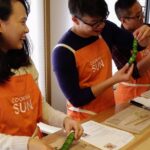
More Tour Reviews in Tokyo






Not for you? Here's more nearby things to do in Tokyo we have reviewed












Tokyo City Tours, side by side.
 ★ 5.01-Day Tokyo Bus TourFrom $12914,250 reviews
 ★ 4.5TOKYO SKYTREE® Admission ticketFrom $1311,192 reviews
 ★ 4.6teamLab Planets TOKYO Digital Art Museum Entry TicketFrom $259,779 reviews
 ★ 4.0Mt Fuji & Hakone Cruise, Drum Show Bullet Train 1 Day from TokyoFrom $1497,413 reviews
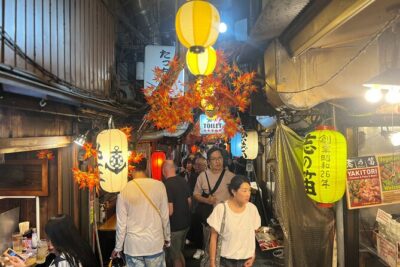 ★ 5.0Shinjuku Food Tour (13 Dishes at 4 Local Eateries)From $866,603 reviews
 ★ 4.4Tokyo Mt Fuji 5th St & Hakone Cruise Bus Tour w/Bullet TrainFrom $1545,024 reviews
 ★ 5.0Flagship 2-Hours Official Street Go-Kart Tour – Tokyo Bay ShopFrom $644,974 reviews
 ★ 4.5From Tokyo: Mount Fuji Full-Day Sightseeing TripFrom $684,970 reviews
This tour also belongs to