
Review · KAMAKURA DAY TRIPS
Kamakura Private Tour by Public Transportation
One day, five sacred stops in Kamakura. This private tour is built for using public transportation to hit the big sights without the stress of figuring routes solo. You also get a flexible format, so you are not stuck marching to someone else’s pace.
I love the combination of a guide who stays with you and the chance to learn more than you would on your own. I also like that you start from the hotel area, not a distant meeting point. One heads up though: admission fees, food, and the on-the-ground transit you take during the day are extra, so your final cost can be higher than the base price.
The route is classic Kamakura, with temples and shrines that feel different from each other. Expect a full day, about 9 hours, with walking plus trains and buses.
Key things to know before you go
- Private and customizable, so you can shape the day to your interests
- Hotel lobby meeting plus an English-speaking guide to keep things smooth
- A real mix of sightseeing rhythms, from major landmarks to side streets
- Admission, meals, and transit fares are not included in the price
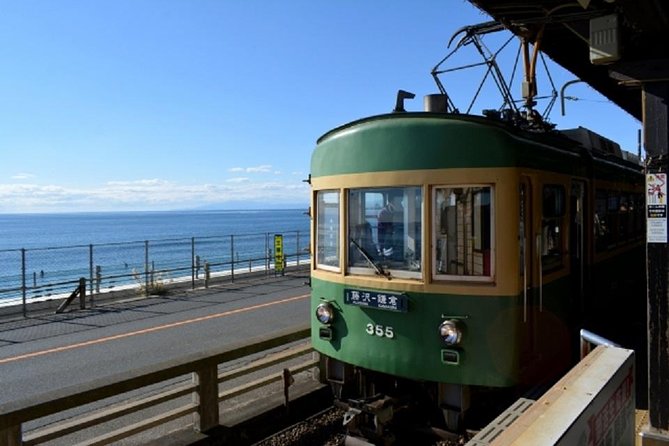
- You’ll likely ride an old-fashioned commuter train and local buses, so coins help
A smooth Kamakura day, using local trains instead of tourspeak
Kamakura is the kind of place where you can easily spend your time just getting from one stop to the next. This tour solves that. You follow a route that strings together the top temples and shrines, and you ride local public transport with an escort so you are not stuck at station exits guessing which direction to go.
The part I appreciate most is that the day feels local, not staged. You are on buses and trains that regular commuters use, and that changes how the trip feels. It also makes the pacing more natural. You get real breaks between stops, rather than constant door-to-door hopping.
Also, the tour is private. That matters. It means you can move at a steady pace, ask questions in the moment, and avoid the awkward feeling of being pulled along by a group that isn’t your style.
You can also read our reviews of more private tours in Kamakura
Price and value: what $156.09 covers, and what to budget on top
The price is $156.09 per person, and the tour runs about 9 hours. For a private day that includes an English-speaking guide and a meeting point in your hotel lobby, it is a fair structure.
Here’s the key value idea: the base price pays for the human part. You are buying someone to handle navigation, context, and timing, while you use public transit to keep costs and logistics reasonable. That often beats a car-based private tour if you’re comfortable with train and bus travel.
What is not included matters for budgeting:
- Admission fees at the major sites
- Food and drinks
- Transit to and from during the day, based on the tour format
If you plan to buy snacks in Kamakura and pay site admissions, plan extra spending on top of the headline price. This is one of those trips where your budget is partly about how many places you treat as “must enter” and how often you eat.
How the public transit escort works (and why coins really help)
This tour is built around riding public transportation with your guide. In practice, that means a mix of walking and using trains and buses during the day. One review specifically flagged that you should expect this exact combo: walking, an old-fashioned commuter train, and public buses.
That’s not a reason to skip it. It’s a reason to prepare.
- Bring plenty of coins for buses and smaller ticket purchases.
- Wear shoes that handle temple steps and uneven pavement.
- Have your patience dialed up slightly for boarding and station navigation.
The upside is that you get a more “learn by doing” trip. Your guide can show you how to move through Kamakura efficiently on transit, not just where to stand for photos. And if you care about Shinto and Buddhist sites equally, this format helps, since the day naturally flips between shrine life and temple atmosphere.
Hasedera Temple: seasonal flower vibes and a classic Kamakura viewpoint
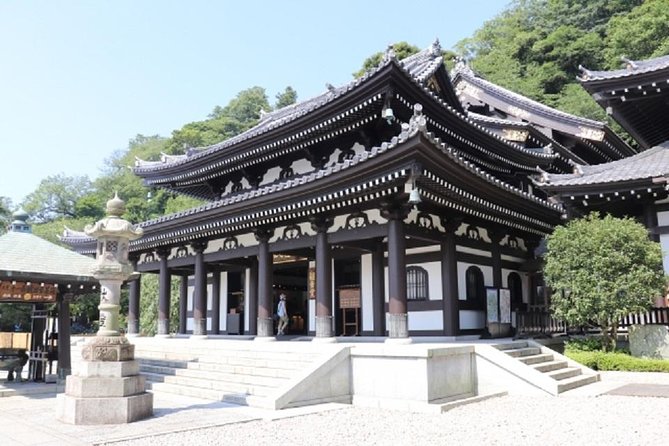
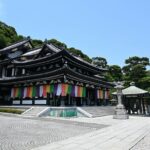
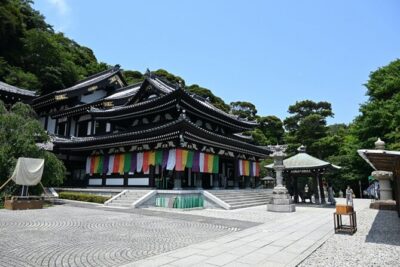
Your first major stop is Hasedera Temple. This is a sightseeing favorite in Kamakura, known for its seasonal flowers. It has long carried the identity of a temple of flowers, and the gardens and grounds help you feel that theme as you move through.
What makes this stop worth your time is the atmosphere shift. You start the day in a more garden-and-temple mood, not a single-photo monument. If you like places where the experience is the slow walk and the changing views, you’ll appreciate Hasedera.
Practical note: the listing indicates admission tickets are not included, and the stop is about 1 hour. That is enough time to enjoy the setting without feeling rushed, but it is not a long lingering garden day. If you want extra time, you can sometimes ask your guide how to adjust your order based on your interests.
Potential drawback: if you hate walking through temple grounds and prefer quick hit landmarks, you might find this stop more gradual than you expected.
Kotoku-in (Great Buddha): the outdoor icon that changes scale when you see it
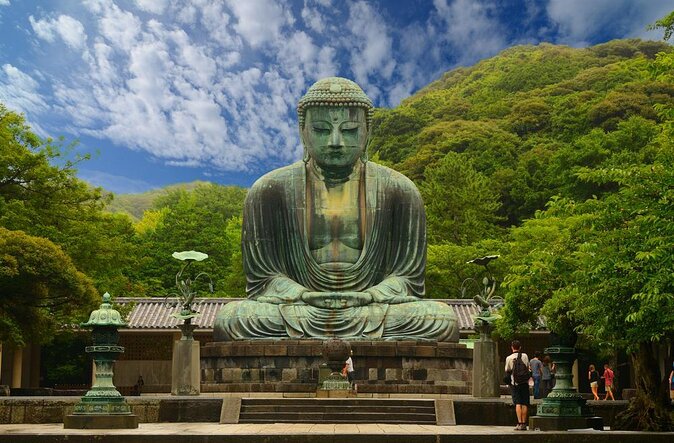
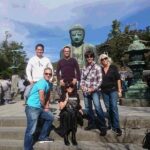
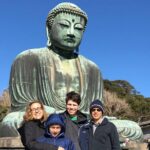
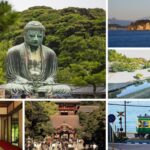
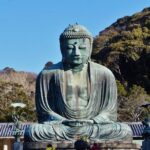
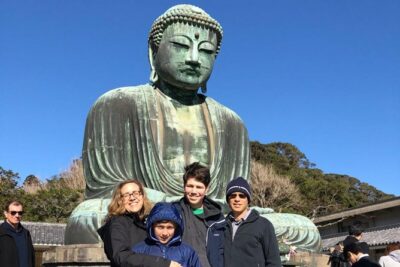
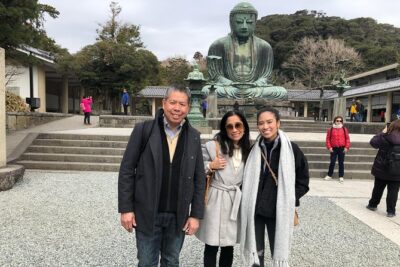
Next up is Kotoku-in, the site of the Great Buddha of Kamakura. This is the outdoor bronze statue of Amida Buddha, on temple grounds. The listing notes the height is about 13.35 meters, which is a big part of why the sight hits so hard in person.
This stop works because it is not just “look at a statue.” You get the outdoor context, the open feel around the monument, and that sense of scale that photos struggle to capture. It is one of those sights where you suddenly understand why Kamakura became a spiritual and cultural magnet.
Plan on about 1 hour. Admission tickets are not included, so you will pay onsite. If you are traveling with someone who loves architecture or religious art, the guide context can really add value here, especially around how the Buddha fits into the broader history of the area.
One consideration: if you arrive when crowds are heavy, your time might feel more about flow than soaking in details. Still, the stop is short enough that you likely won’t lose the day to waiting.

Hokoku-ji Bamboo Temple: cool, quiet feet on the path
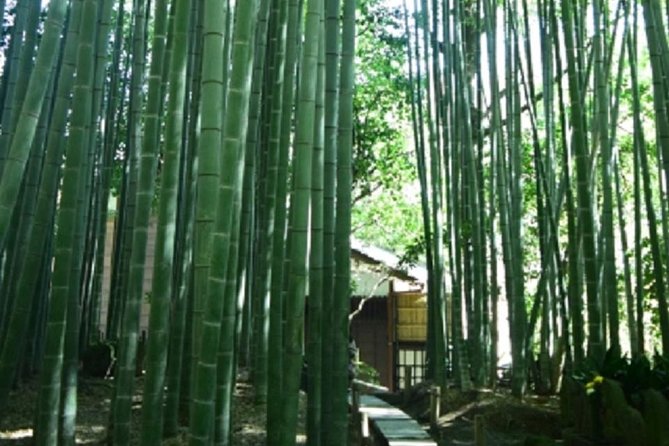
Then you head to Hokoku-ji, often called the Bamboo Temple. The defining feature is the bamboo garden inside the temple precincts. The listing describes a large and splendid bamboo garden, along with a cool, mysterious atmosphere.
This is the kind of stop that balances your morning. If earlier sights felt more open and sunlit, bamboo changes the mood fast. The walls of green slow your pace. You tend to walk more quietly, and you start paying attention to little details like the sound of footsteps and how the light shifts under the canopy.
The stop is about 1 hour and admission tickets are not included. Since it is a guided day, you might also get historical context while you walk, which helps turn the bamboo from a pretty photo spot into something more meaningful.
Possible drawback: if you are expecting a big “show” or a large interior museum style stop, this is more about the garden experience and the walk through it. Come for the mood, not for a lengthy indoor program.
Tsurugaoka Hachimangu Shrine: the center of city energy
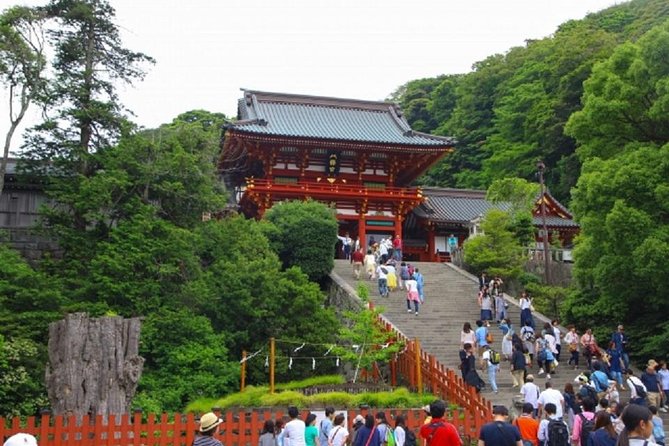
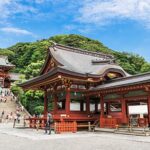
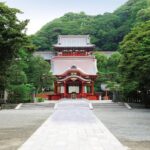
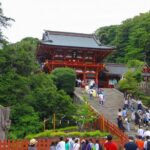
After bamboo, you shift into a major shrine stop: Tsurugaoka Hachimangu. This shrine sits in the middle of Kamakura and has been venerated for centuries. The listing notes it was linked to the gods of war.
What I like about including Tsurugaoka Hachimangu in the itinerary is that it anchors the day in place and time. It feels like the “center” point of Kamakura’s spiritual geography, not just another temple on the list. If you want your day to feel balanced across different religious traditions, this is one of the bridges between the Buddhist landmarks earlier and the Shinto world here.
The stop is about 1 hour and admission tickets are not included. The guide’s role is especially helpful in a shrine setting, because there are usually small signals you might miss if you just wander. Ask questions as you go. You get more out of it that way.
Consideration: shrines can be crowded depending on timing. If you are sensitive to crowds, your best bet is to keep a steady pace and let your guide lead the flow.
Kamakura Komachidori: snack street and souvenir browsing time
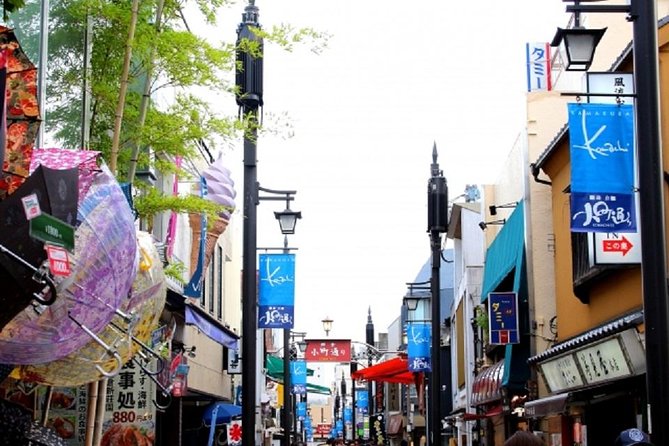
Your final stop in the main rhythm of the day is Kamakura Komachidori, a street known for food and unique shops. This is where the trip turns from “temple walking” into “living city stroll.”
You only have about 30 minutes here, which is not long. But it’s a smart amount of time. It lets you taste the local vibe, grab a snack, and browse without eating up your whole day before the return.
The listing notes admission is free for this stop, which makes it a low-cost way to add variety. If you want to bring home something small and Japan-specific, this is the moment to do it.
Quick tip: use this time to eat something simple and convenient, since the day includes other paid stops. You do not want to discover hunger at the wrong moment while you are trying to pay admissions or board buses.
Staying on the schedule without feeling rushed
A private day can still feel rushed if the route is tight. The structure here is about balance: five major stops plus a street walk, with a guide helping manage transitions. Reviews also point out that the guide covers a lot of ground without stress, and that matches the tour’s design.
One detail I’d take seriously from the feedback is how much of the day is walking plus transit. You are not trapped in a bus all day. You’ll get out of the transport, walk the grounds, and return to transit, and repeat. If you plan this day, keep other heavy plans off your schedule. This is a “use the whole day” kind of trip.
Another point from feedback: guides can be prompt, kind, and very knowledgeable. In one case, the guide was Yumiko, known as Yumi, who was praised for being prompt and respectful, and for navigating the area on public transport with ease. Even if you do not have the same guide, the overall expectation is a steady, friendly escort who can explain what you are seeing.
Who this tour is best for
This tour is a great fit if you want:
- A guided day that still feels local, because you ride public trains and buses
- A mix of Buddhist and Shinto sites in one coherent itinerary
- A private experience that is easier than DIY navigation
You’ll probably enjoy it most if you like structure but still want flexibility. The tour is customizable, so you can steer the day a bit toward your personal interests, as long as you stay within the flow of stops.
It might be less ideal if you:
- Want a totally relaxed day with minimal walking
- Prefer every cost to be included in the base price
- Do not like transit changes, even with a guide
Should you book Kamakura Private Tour by Public Transportation?
I think you should book it if you want a smart, low-stress way to see Kamakura’s most famous temple and shrine experiences while learning how to move through the area. The biggest selling point is the guide escort on public transport. It turns a “how do I get there” problem into a “what am I looking at” experience.
You should also book if you like the mix of major landmarks and calmer garden moments, from the Great Buddha at Kotoku-in to the bamboo atmosphere of Hokoku-ji. The day’s rhythm is built for variety, not just checking boxes.
Skip it if your idea of fun is a driver doing everything, or if you dislike walking and transfers. Also, if you hate managing extra costs, remember that admissions and food are not included.
If you do decide to go, go prepared. Bring coins for buses, wear comfortable shoes, and come with a curious mindset. With that, this tour is exactly the kind of day trip that feels worth the effort.
FAQ
How long is the Kamakura private tour?
The tour runs about 9 hours.
Is this tour private or shared with other travelers?
It is a private tour. Only your group participates.
What is included in the price?
The tour includes meeting in the hotel lobby, a private tour, and an English-speaking guide.
What is not included in the tour price?
Food and drinks, transportation to/from (customers), and admission fees are not included.
Do I need to bring money for transit during the day?
Yes. The day includes public buses and an old-fashioned commuter train, and it helps to bring plenty of coins for buses and site-related purchases.
When will I get confirmation after booking?
You’ll receive confirmation at the time of booking, unless you book within 2 days of travel. If booked within 2 days, confirmation is provided within 48 hours, subject to availability.
More Private Tours in Kamakura

More Tours in Kamakura
More Tour Reviews in Kamakura
Not for you? Here's more nearby things to do in Kamakura we have reviewed



Kamakura Day Trips, side by side.
 ★ 4.5Kamakura & Enoshima Day Trip including Temple TicketsFrom $581,375 reviews
 ★ 4.5Mt. Fuji, Kamakura, Big Buddha, & Lake Ashi Day TripFrom $49867 reviews
 ★ 4.5From Tokyo: Kamakura & Enoshima 1-Day Bus TourFrom $66189 reviews
 ★ 5.0Kamakura Historical Walking Tour with the Great BuddhaFrom $98129 reviews
 ★ 5.0Kamakura Private Tour: Temples, Nature, and the Great BuddhaFrom $98121 reviews
 ★ 5.0Kamakura Walking Tour – The City of ShogunFrom $35100 reviews
 ★ 5.0Kamakura 8 hr Private Walking Tour with Licensed Guide from TokyoFrom $20180 reviews
 ★ 4.1Kamakura & Enoshima Day Tour with Pickup & Train RideFrom $1361 reviews
This tour also belongs to