
Review · KAMAKURA DAY TRIPS
Kamakura 4hr Private Trip with Government-Licensed Guide
Kamakura gets easier with a local guide. You meet your licensed English-speaking guide at Kamakura Station, then choose 2-3 top sights so you do not waste time guessing routes. This is a great way to see the Great Buddha area and the famous temple viewpoints without getting turned around, but it is still a walking half-day with some sights charging their own entrance fees.
I like that the whole plan is meant to fit your pace and interests, not a one-size-fits-all bus tour. The one possible drawback: your tour price covers the guide and selected spots, but transportation and most temple entrance tickets are not included, so budgeting matters.
Key things to know before you go
- Meet at Kamakura Station, start fast with your guide in an easy-to-find area
- Choose 2-3 sites from big-name highlights like Kotoku-in and Hasedera
- Public transit and on foot is the style, so wear shoes you trust
- Great Buddha plus viewpoint temples work really well in a short 4-hour window
- Entrance fees and transport are on you for many stops, so plan your budget
- Guides can adjust in real time if the day or your group needs flexibility
A smooth 4-hour Kamakura day begins at the station
Kamakura is one of those places where the layout makes sense once you see it, and feels confusing before that. The biggest win here is the simple start: you meet your guide at Kamakura Station, then you go from there on foot and by train as needed. That matters because you only have about 4 hours, and time is not great for backtracking.
I also like the choice model. Instead of trying to cram everything, you pick 2-3 activities that match your mood. Want iconic sites like the Great Buddha and a major temple viewpoint? Choose those. Prefer calmer gardens, Zen temples, or a sea-side add-on? Your guide helps you shape the route around what you care about.
You can also read our reviews of more guided tours in Kamakura
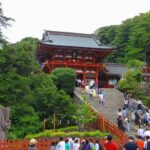
Tsurugaoka Hachimangu Shrine: start with the samurai spirit
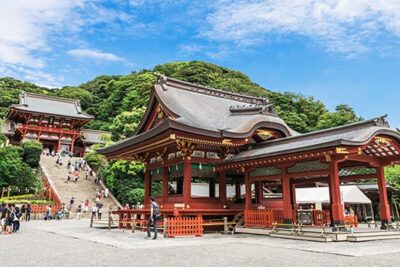
Tsurugaoka Hachimangu is one of Kamakura’s anchor places. The shrine is dedicated to Hachiman, the patron god tied to the Minamoto family and samurai culture, so even if you are not a shrine person, it sets the tone for the whole city.
This stop is also practical. Going there early in your tour helps you get your bearings, plus you get a strong first photo moment. During peak periods like New Year, crowds can swell, so starting the day with Tsurugaoka Hachimangu is a smart move and can help you avoid longer waits.
If you want something atmospheric but not exhausting, aim to spend a short, focused block here. Then you move on quickly while your group still has energy for walking.
Kotoku-in Great Buddha: huge, simple, and surprisingly moving
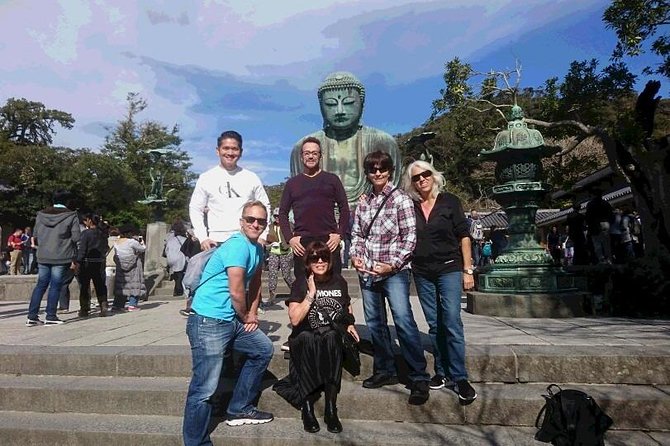
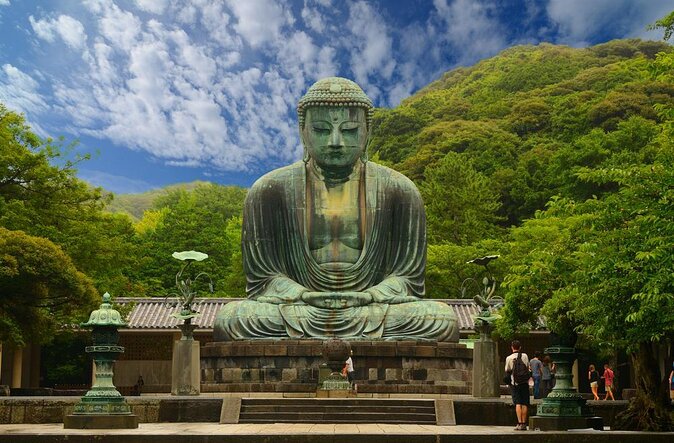
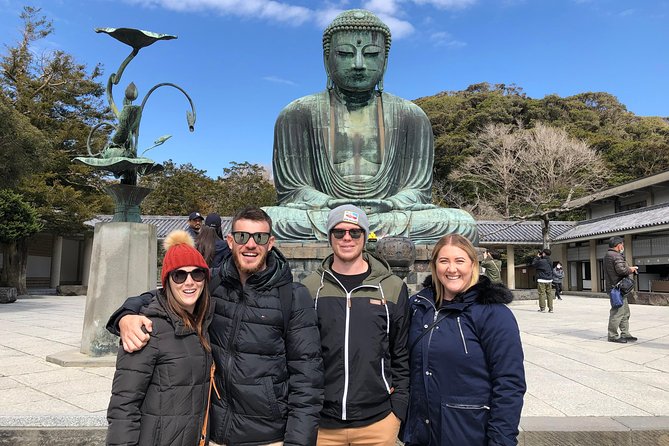
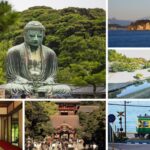
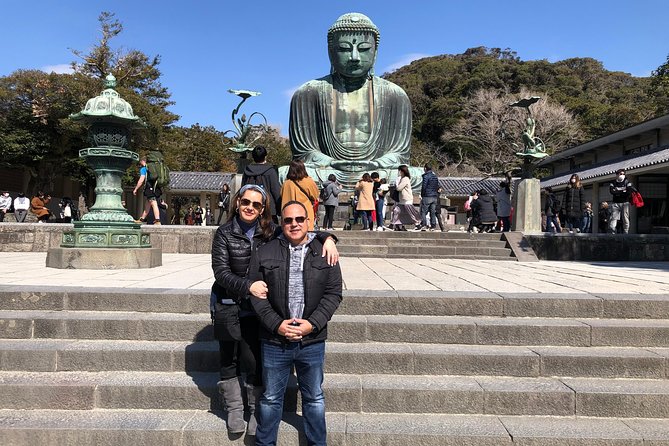
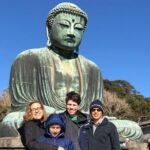
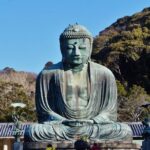
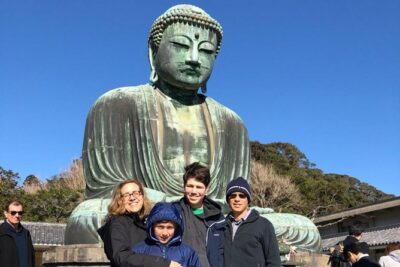
Kotoku-in is where you meet the Great Buddha of Kamakura, a bronze statue of Amida Buddha. The statue is about 11.4 meters tall, and that scale hits you in person. It is not just a landmark, it is a space that forces you to slow down.
One reason this stop works so well on a half-day private tour is how direct it is. You get a clear payoff without needing to bounce through lots of extra streets first. Do note that admission to this attraction is listed as not included, so you may want to confirm what tickets you should expect to pay on the spot.
If you are visiting in bright sun, go prepared for glare on metal and bright stone. If you are visiting in cooler weather, this is a great place to take a few minutes to warm up while you still keep the pace moving.
Hasedera Temple: the viewpoint that makes the climb worth it
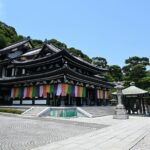
Hasedera Temple is famous for its eleven-headed statue of Kannon, the goddess of mercy. What makes it especially memorable in this kind of 4-hour plan is the viewpoint angle, plus the temple’s location that naturally gives you layered views as you move around.
In a short tour, I like this stop because it is one of the best “architecture plus scenery” combinations. You are not just looking at a hall, you are getting a sense of how Kamakura sits between hills and the sea.
This stop also has a built-in pacing advantage. You can spend enough time to enjoy the main sights and still keep your schedule for bamboo, Zen temples, or even Enoshima if your timing allows. Entrance fees are not included for this stop, so treat it like a potential extra cost when you plan your day.
Hokoku-ji bamboo grove: small walk, big mood
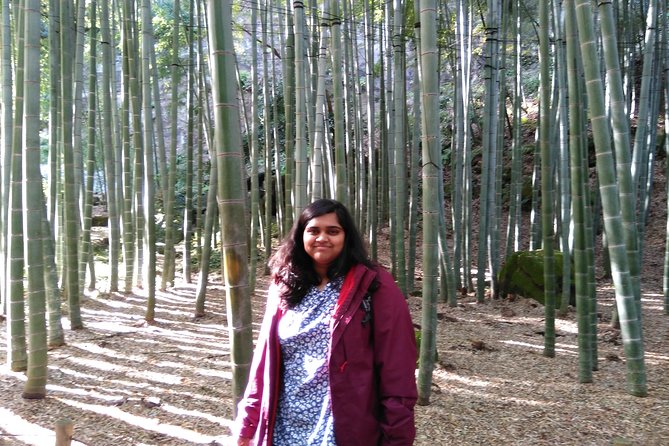
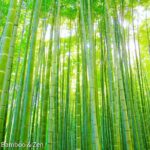
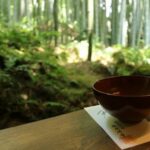
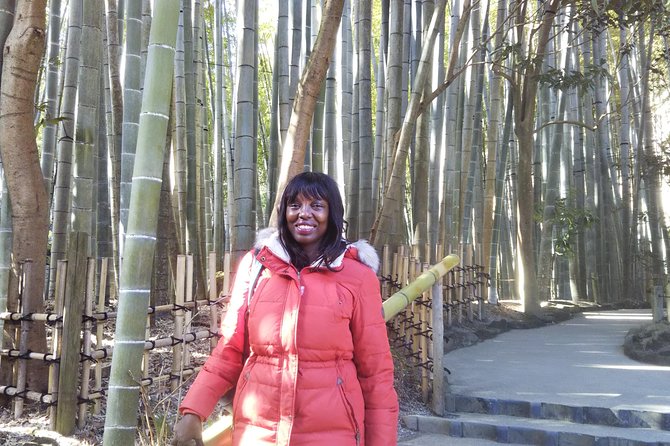
Hokoku-ji Temple is best known for a bamboo grove behind the main hall, with over 2000 bamboo stalks. This is one of those places where the scale feels quiet rather than loud. The paths through the bamboo create a sense of walking into a different world.
For a 4-hour private tour, I recommend Hokoku-ji if your group likes atmosphere. It is not the type of attraction that needs long explanations to enjoy. Just give yourself time to walk slowly and look up, because bamboo really changes texture based on angle and light.
Like the major temples, entrance fees are listed as not included. That said, you still get a strong payoff for the time you spend here, and it pairs well after the heavier weight of the Great Buddha area.
You can also read our reviews of more private tours in Kamakura

Kamakura hiking trails: the scenic option when you want space
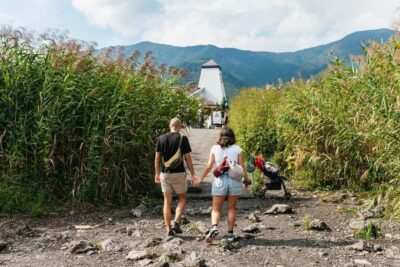
Kamakura is surrounded by the ocean to the south and wooded hills on other sides, and hiking trails connect atmospheric temples. In the tour plan, there is a chance to enjoy the hiking-trail mood as a stop.
Be realistic: a “hiking” moment can mean different things depending on season and your group. If you want gentle scenery and a stretch break, this can be a great slot. If your feet are already tired from shrine stairs and temple paths, you might prefer to keep this as a shorter walk and let the guide pick a manageable section.
This stop is listed as free, which is always a nice bonus in a paid private experience. It is also a good way to break up the day so you do not feel like you are just hopping from one ticket line to another.
Enoshima Island: sea views if you have the timing
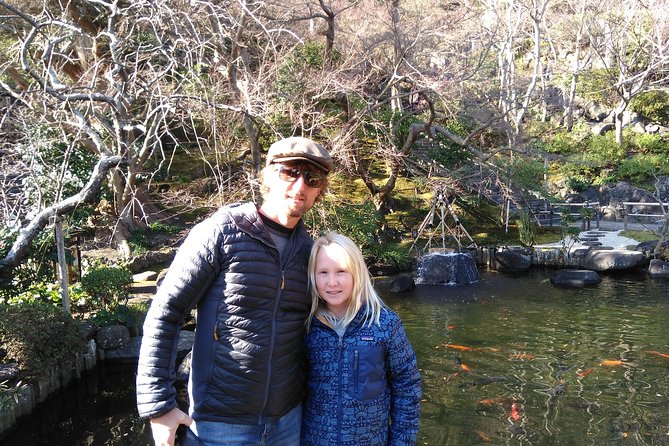
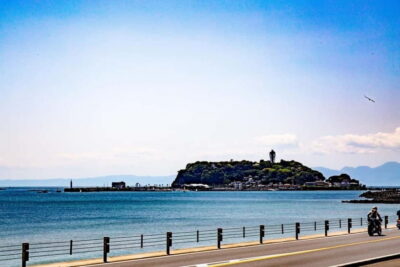
Enoshima is only a short train ride west of Kamakura, and it adds a different vibe fast. The island is connected by bridge and offers shrine-related sights plus ocean views, and it can turn your half-day from temples-only into “temples plus sea air.”
In practice, Enoshima works best if your selected stops include nearby areas that fit a smooth route. It is listed as free in the tour outline, but other costs could still pop up depending on what you choose to do once you are there.
If your group loves photo walks and coastal scenery, make Enoshima one of your 2-3 picks. If you prefer a more focused cultural day, you can skip it and keep the time for Kamakura’s own temple cluster.
Zen temple circuit: choose one or two, not all
Kamakura is famous for Zen temples, and your tour has many options: Engaku-ji, Kencho-ji, Jomyo-ji, Zuisen-ji, Jochiji, Tokeiji, Jufukuji, plus Nichiren and other sect sites like Ankokuronji and Myohonji. You also have Zeniarai Benten Shrine and Meigetsuin, known for hydrangeas.
With only 4 hours, you almost never want to do the entire circuit. Instead, pick the Zen flavor you want, then let your guide select the best fit in your route.
Here is how to think about the major Zen and related stops listed:
- Engaku-ji: described as a leading Zen temple in Eastern Japan, founded in 1282. This is a strong choice if you want a major temple stop rather than a quick exterior look.
- Kencho-ji: the number one of Kamakura’s five great Zen temples, founded in 1253. If you like “oldest and foundational,” this is a great pick.
- Meigetsuin (Hydrangea Temple): connected to hydrangea blooms, which can make it extra special in season. Even if you are not traveling for flowers, the name alone hints at why people return.
- Zeniarai Benten Shrine (coin washing): a popular shrine where people wash money in a spring, because it is said to bring luck. This is a fun, different activity for a short slot, and it is listed as free.
- Jomyo-ji, Zuisen-ji, Jochiji, Tokeiji, Jufukuji: multiple hills and valley temple options. These tend to feel calmer, but they also can eat time if you try to do many of them. Pick one and give it your attention.
- Ankokuronji and Myohonji (Nichiren sect): if you are curious about religious variety within Kamakura’s temple landscape, these add depth without needing a long detour.
- Eishoji (nunnery): described as the only surviving nunnery in Kamakura, near Tsurugaoka Hachimangu. It is a good choice if you want something that feels different from the more common big-den temple experience.
If you are trying to maximize value, I would pick one “big Zen name” plus one shorter special stop like Zeniarai Benten or the hydrangea temple. That way you get both gravitas and fun.
How Komachi Shopping Street fits if you want a break
Komachi Shopping Street is listed as a possible choice, and it makes sense for a private 4-hour plan. After temples and walking, a shopping street gives you a human break, plus it is a practical place to buy small snacks if you need something quick.
In a half-day, I treat shopping streets as fuel. You keep it short, grab a snack, then you get back to the scenery.
What you pay for, and how that changes your planning
The price is $108.99 per person for a 4-hour private experience. What you are really buying is access to a government-licensed local English-speaking guide and a route that you can shape to your needs, without the hassle of figuring out the order on your own.
What the tour does not include is just as important as what it does. You should budget for:
- Transportation fees
- Entrance fees for many temples and sights
- Lunch and personal expenses
- Private transportation is not included
There is also a detail worth watching: guide entry fees are only covered for sights listed under what to expect. So if you add something outside the selected sights, you may have extra tickets to manage.
If you are the type who likes to book once and not worry again, this transparency helps. You just need to carry cash or a card for entrance fees and snacks.
Walking logistics: good shoes, and plan for changing light
This is a walking tour, and pickup is offered, but the main meet-up is by foot within the designated area around Kamakura Station. That means you should expect cobbles, stairs, and uneven temple paths at least some of the time.
One practical lesson I take from common on-the-ground experiences is to think about your timing. When tours start later in the day, you can end up walking on darker roads on your way to food. Pack a light layer, and consider a small flashlight or phone light if you hate stumbling in low light.
Also, keep your group’s energy realistic. Many temple walks are short in distance, but they add up in stair steps and standing time.
Guide quality: flexibility is the big theme
The most consistently praised part of this experience is the guide flexibility. People often value guides who can adjust the schedule when trains run late, when weather changes, or when a family member needs slower pacing.
I also like that you are not locked into a rigid checklist. With only 4 hours, that flexibility matters. A guide can help you pick the best combination of shrine, Buddha, viewpoint temple, and bamboo grove based on what you want most that day.
English ability can vary by guide, even in licensed, English-speaking programs. If you need very clear communication for specific questions, I would mention that when you book.
Best matches for this private Kamakura plan
This tour fits best if you:
- Want a private half-day with a guide who can personalize
- Like the major highlights but do not want to rush through everything
- Prefer public transit guidance so you spend less time on route planning
- Travel with a family or mixed ages and want pacing support
It is less ideal if you want a long, multi-stop temple march with no walking and no ticket fees. This is not that kind of tour. It is designed for a focused slice of Kamakura.
Should you book this Kamakura private trip?
Book it if you want an efficient, low-stress way to hit Kamakura’s key sights in 4 hours. The value comes from customization, the easy start at Kamakura Station, and the chance to choose 2-3 places that match your day.
Skip or consider another option if your priority is doing lots of ticketed sites back-to-back, or if you hate paying entrance fees separately. Also think twice if your group expects a totally car-free, no-walking outing, because this is a walking plan with public transit between clusters.
If you do book, pick your top 2-3 attractions first. Then use the guide to connect them into the smoothest route possible. That is where this experience really shines.
FAQ
Is this a private tour or a group tour?
It is a private tour/activity, so only your group participates.
Where do I meet the guide in Kamakura?
You meet your guide on foot within the designated area of Kamakura, with the tour starting from the Kamakura Station area.
Can I choose which attractions I visit?
Yes. You choose 2-3 activities from the available options such as the Great Buddha (Kotoku-in), Hasedera Temple, Tsurugaoka Hachimangu Shrine, Komachi Shopping Street, and others listed in the tour options.
Are entrance fees included?
Some admissions are not included for multiple stops. You should expect to pay entrance fees for sights listed as admission ticket not included, while others listed as free may not require tickets.
Do we travel by public transportation?
Yes. Travel is by public transportation and on foot.
Is cancellation free if plans change?
Yes. You can cancel up to 24 hours in advance for a full refund.
More Private Tours in Kamakura
More Guided Tours in Kamakura
More Tour Reviews in Kamakura
Not for you? Here's more nearby things to do in Kamakura we have reviewed

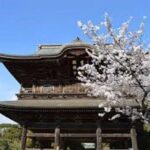
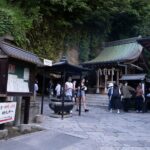
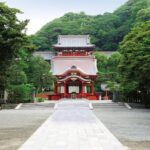

Kamakura Day Trips, side by side.
 ★ 4.5Kamakura & Enoshima Day Trip including Temple TicketsFrom $581,375 reviews
 ★ 4.5Mt. Fuji, Kamakura, Big Buddha, & Lake Ashi Day TripFrom $49867 reviews
 ★ 4.5From Tokyo: Kamakura & Enoshima 1-Day Bus TourFrom $66189 reviews
 ★ 5.0Kamakura Historical Walking Tour with the Great BuddhaFrom $98129 reviews
 ★ 5.0Kamakura Private Tour: Temples, Nature, and the Great BuddhaFrom $98121 reviews
 ★ 5.0Kamakura Walking Tour – The City of ShogunFrom $35100 reviews
 ★ 5.0Kamakura 8 hr Private Walking Tour with Licensed Guide from TokyoFrom $20180 reviews
 ★ 4.1Kamakura & Enoshima Day Tour with Pickup & Train RideFrom $1361 reviews
This tour also belongs to