
Review · KAMAKURA DAY TRIPS
Buddha, Bamboo & Zen – Bespoke Kamakura Private Walking Tours
Kamakura feels calmer than Tokyo. This private walking tour is a smart way to see the big spiritual sights without getting swept along, and I liked the bespoke pace and the chance to pair Buddhism and Shinto in one day. I also love that the guide builds in real breaks, so the day does not feel like a temple endurance test.
There is one thing to plan for: you will pay separate temple admission and transportation (plus your own lunch), so it is not a one-price-all-in experience.
Key Highlights at a Glance
- Choose your tempo. Stop when you want, move on when you are ready, and the guide can call it a day.
- English-speaking local guide, Brad. The reviews point to him being especially helpful with practical start-up stuff and pacing.
- Temple lineup with variety. Kotoku-in Great Buddha, Hasedera, Hokoku-ji Bamboo Temple, plus Tsurugaoka Hachimangu.
- Zen atmosphere, not a checklist. The tour connects the sites to samurai and Zen themes, with time for yagura (man-made caves).
- Great for small groups. Up to 6 people makes it feel personal without turning into a slow, chaotic meetup.
- Mobile ticket included. Easy to manage day-of.
Why This Kamakura Day Feels Different Than a Rush Tour
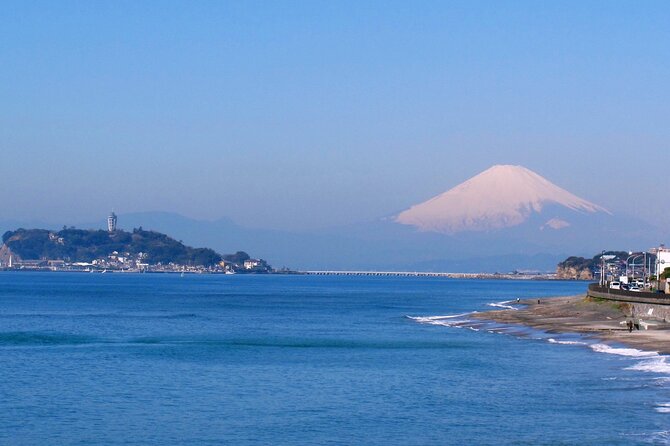
Kamakura has that rare mix of famous sights and an easier pace than central Tokyo. What makes this tour feel worth your time is the way it treats the day like a walk, not a forced parade.
I particularly like the idea that you share your own priorities first, then the guide tunes the route. If you do not want to manage choices, you can hand the reins to the guide and still get a logical flow. Either way, you are not stuck doing what someone else thinks is best.
The best part for me is the built-in breathing room. The tour sets aside about two hours for travel on foot plus train and bus time, and it explicitly includes rest and food/drink breaks. That matters in Japan, where a single day can turn into constant standing if nobody is planning the rhythm.
You can also read our reviews of more walking tours in Kamakura
Private Group Value: What You Pay For (and What You Do Not)
The price is listed at $355.80 per group for up to 6. That is a private-day cost, so the value comes from what you control: pacing, route tweaks, and a guide who can steer around fatigue or temple overload.
But it is not an all-in package. Temple admission fees are not included, and neither is lunch or drinks. Public transportation is also separate.
Here is the practical math you can use. The listed temple fees are:
- Kotoku-in (Great Buddha): 300 yen
- Hasedera: 400 yen
- Hokoku-ji (Bamboo Temple): 600 yen
That is 1,300 yen in temple admissions. Public transport is listed as 840 yen per person. Your operator recommends bringing 2,000 yen to cover temple fees and transportation, and extra cash for food and drinks. Since the posted transit plus listed temple fees can add up above 2,000 yen depending on how you ride, I would treat 2,000 yen as a minimum and bring a bit more just to stay relaxed.
The upside is you avoid being locked into a set lunch or set admissions. You are choosing what you actually want to spend money on that day.
Meeting at Kamakura Station, Then Letting the Day Unfold
You start at Kamakura Eki (Higashiguchi) near 1 Chome-1 Komachi, and you end back at the meeting point. That is handy, because you do not need to think about how to get across town once you are tired.
The tour duration is listed as about 6 hours, which is a realistic length for combining major sights with walking time and short breaks. Also, it is set up as a private activity, so only your group participates.
A practical tip from the same spirit as the reviews: come with a plan for transit, or let the guide help you set it up. One review specifically praised the guide, Brad, for helping with getting a Suica card and pointing out where to get extra cash if needed. Even if you already know how to ride in Japan, that kind of early guidance saves time and mental energy.
Kotoku-in and the Great Buddha of Kamakura: The Big Icon First
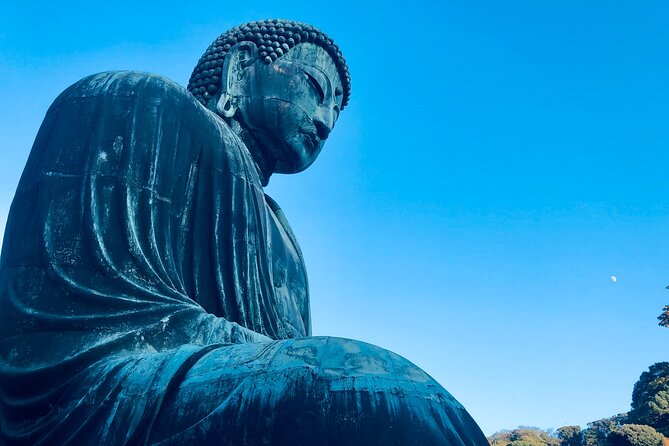
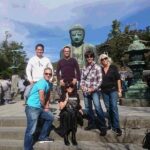
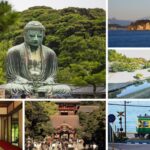
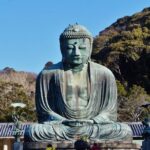
Your first stop is Kotoku-in, best known for the Great Buddha of Kamakura. The statue is listed as 13.35 meters tall, and it is an iconic bronze work. The tour starts here because it is the most instantly recognizable sight and a good anchor for the day.
Why it works early: when you arrive fresh, you can slow down and take it in without rushing. If you go later, the day can feel more crowded and you might be less patient with queues or time spent moving through grounds.
What to watch for: admission is not included, and you will pay separately. Also, plan for standing and moving on uneven temple paths. The route is walk-based, and this is Japan, so comfortable shoes are not optional.
Hasedera Temple: The Eleven-Headed Kannon and Garden Time
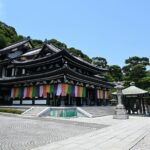
Next is Hasedera Temple. This is one of the stops that makes the day feel more than just “see famous things and move on.” You will see the tall wooden Eleven-headed Kannon, described as 9.18 meters and carved in 721 AD. That is the kind of detail that adds weight to the visit, because it is not just decorative. It is old.
Then you get garden time. The tour includes time to wander the gardens, and there is mention of a hydrangea path that blooms seasonally. Even if you are not there during peak hydrangeas, gardens are still a big part of Hasedera’s experience.
The drawback to consider: this stop is timed for about 45 minutes, which is enough to see the highlights but not enough to “fully wander” if you really love slow garden strolling. If you have a group member who wants extra time, this is exactly the kind of moment where a private tour helps. You can ask to extend or swap the order depending on everyone’s energy.
You can also read our reviews of more private tours in Kamakura

Hokoku-ji Bamboo Grove: Zen Atmosphere in a Bamboo Temple
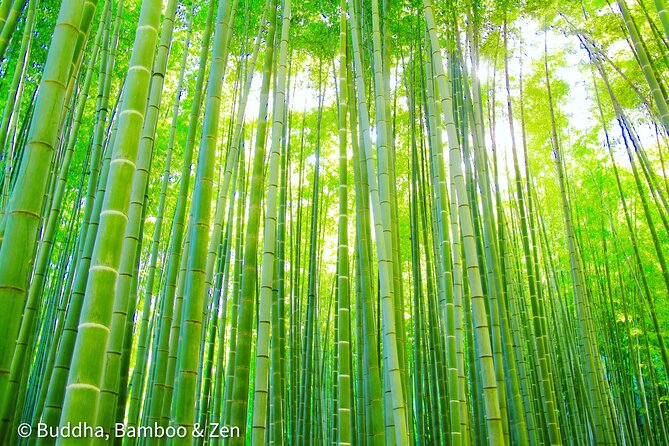
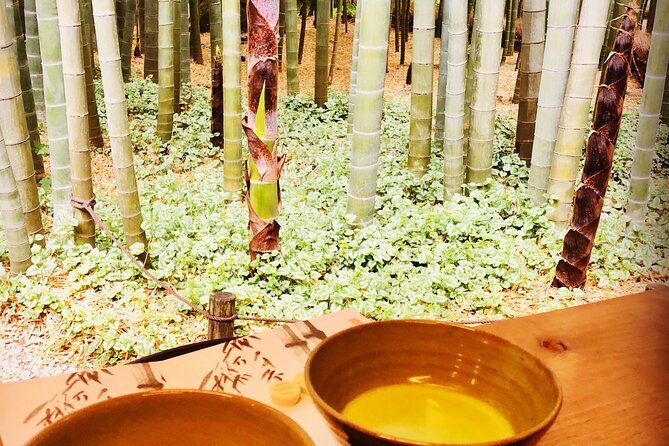
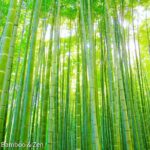
After Hasedera comes the Hokoku-ji Temple Bamboo Grove, also called the Bamboo Temple. Hokoku-ji is a Rinzai Zen Buddhist temple founded in 1334, and the star feature is the bamboo grove, listed as around 2,000 moso bamboo plants.
Why this stop is so often worth the time: bamboo groves do not just look good on camera. They change the sound and feel of a space. You slow down. Your eyes settle lower. The day shifts from “big landmark” mode to “soft Zen” mode.
The tour gives you about 1 hour here, and admission is not included. You will pay a posted fee for access to this part of the visit.
One more practical note: bamboo temples are popular, so if your group is sensitive to crowd pressure, go in with a calm plan. The private setup helps because you can move at your own pace and pause when it feels right.
Komachi Street: Shopping Without the Stress
From temples you head into Komachi Street, the main pedestrian shopping street in the heart of Kamakura. Your time here is listed as about 1 hour, and admission is free because it is a street.
This is a good place to reset. You can grab snacks, browse small shops, and handle souvenirs without feeling like you have to buy everything. It also works well for families, because it is more active and less formal than temple grounds.
The limitation: Komachi Street is also a place where you might end up doing a lot of walking even after you feel temple tired. This is where your private pace matters most. If the group wants a slower wander, slow it down. If you want snacks, go now, not later when you are already feeling hungry.
Tsurugaoka Hachimangu Shrine: Shinto and Warrior Legends in One Place
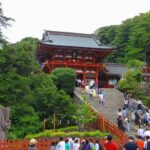
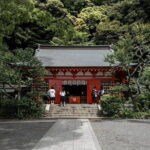
Next is Tsurugaoka Hachimangu Shrine, the most important Shinto shrine in Kamakura. It is dedicated to Hachiman, described as the tutelary god of warriors. The shrine’s establishment date is listed as 1063, so you are stepping into a site with deep roots in the region’s myth and power.
Your time here is again about 1 hour, and admission is free.
What I like about including a shrine after Buddhist sites: it helps the day feel balanced. The tour is designed to connect themes like samurai history and Zen, but you get the distinct spiritual tone of Shinto as well. That keeps it from feeling repetitive.
The one practical thing to remember is that shrines involve their own etiquette. You will be following your guide’s lead, which is the main reason private guidance helps here. You spend less time figuring out what to do and more time actually seeing what matters.
Yagura Caves and Samurai Storytelling: History You Can Walk Through
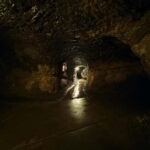
One of the tour’s promises is time to see yagura, man-made caves tied to the area’s samurai past. Even though a typical walking tour can list “history stops,” this one aims to connect the sites to samurai and Zen themes while you move from place to place.
This part is valuable because it turns geography into story. Instead of thinking, “I saw a cave,” you understand why the caves were made and how the setting fits into the region’s spiritual and warrior identity.
Also, these are the moments where pacing matters. Caves and covered spaces can feel cooler or tighter. If your group includes kids, older adults, or anyone who prefers less enclosed areas, you want a guide who will adjust without making it awkward. The tour description explicitly notes that the guide is conscious of guests being templed out, and the private nature gives you permission to slow or change.
Food, Matcha Breaks, and Staying Comfortable for a 6-Hour Day
Lunch is not included, but the tour does build in time for breaks and food and drink stops. That is the part that helps you enjoy temples without turning the day into a sugarless slog.
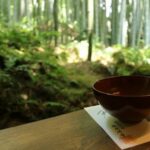
The tour also references matcha green tea as part of what you might encounter during the day. Since lunch and snacks are not included, you are paying for what you choose. I like this approach because you can match your order to your energy level. If you want a quick tea and snack, you can. If your group wants a longer sit-down meal, you can build it in with the guide’s flexibility.
Comfort checklist that is worth following:
- Wear shoes that work on temple paths
- Bring cash for small fees and food
- Keep some flexibility in your schedule for short stops you did not plan
Pacing That Respects Real People (Not Just Schedules)
This tour is described as bespoke, and that means you can stop whenever you want. The tour also emphasizes that the guide avoids temple burnout. This is not a small promise. A Kamakura day can easily feel like too many sacred sites back to back.
In practice, you want a day that feels like it has transitions: landmark to garden, garden to bamboo quiet, bamboo to shopping, shopping to shrine, shrine to caves. The planned order does that, but the real win is the option to adjust. If your group is tired, you can call it a day once you feel satisfied.
This is also why private group size matters. With up to 6 people, the guide can watch different energy levels and keep the whole group moving without leaving anyone behind.
How Weather and Time of Year Can Affect Your Experience
The tour requires good weather. Since it is a walking day with outdoor temple and shrine time, rain or heavy conditions can change how much you want to move and how long you want to stay outside.
If weather becomes an issue, the experience can be canceled or moved to another date, with a refund option listed in the policy. Since the weather requirement is explicit, I recommend you book with the expectation that your day depends on skies doing you a favor.
Who This Tour Is Best For
This tour is a strong fit if you want:
- a private day in Kamakura rather than a big group bus experience
- an English-speaking local guide who can explain what you are seeing
- a balanced mix of Buddhism and Shinto
- a calm pace with built-in breaks
It is also a good match for families, because Komachi Street and tea breaks give the day variety. The tour duration is about 6 hours, so it suits people who can handle a day of walking with stops.
If you love history, the samurai and Zen connections plus yagura caves help. If you are more of a photo person, the Great Buddha and bamboo grove deliver obvious picture moments, but you still have time to enjoy them rather than rush past.
Should You Book Buddha, Bamboo & Zen in Kamakura?
I would book this if you want a Kamakura day that feels human sized: private group, flexible pace, and a route that mixes iconic sights with calmer spiritual spaces. The reviews make a clear point about the guide, Brad, being especially helpful and the day being well-paced with breaks and a nice variety of stops.
I would hesitate only if you hate paying separate fees and prefer fully all-in pricing, because admissions and transport are extra. Also, if your group expects a very short day with minimal walking, the 6-hour format and multiple temple grounds may feel like too much.
If you do want the best balance of famous sites and a day that does not burn you out, this is a solid choice.
FAQ
How long is the Buddha, Bamboo & Zen tour?
The tour is listed as about 6 hours.
Is this tour private, and how many people can join?
Yes, it is a private tour/activity. It is priced per group for up to 6 people, and only your group participates.
What are the main stops during the walk?
The listed stops are Kotoku-in (Great Buddha of Kamakura), Hasedera Temple, Hokoku-ji Temple Bamboo Grove, Komachi Street, and Tsurugaoka Hachimangu Shrine. The day also includes time around samurai-related yagura caves.
Are temple admission fees included?
No. Temple admission fees are excluded and each guest pays separately. The listed fees are 300 yen for Kotoku-in, 400 yen for Hasedera, and 600 yen for Hokoku-ji.
Is lunch included?
No. Lunch and snacks are excluded, and you pay for them during the tour. The schedule includes rest and food and drink breaks.
What does it cost in addition to the tour price?
You should budget for temple admission fees (listed as 300 yen, 400 yen, and 600 yen) and public transportation (listed as 840 yen per person), plus food and drinks.
Where do we meet the guide?
You meet at Kamakura Eki (Higashiguchi), 1 Chome-1 Komachi, Kamakura, Kanagawa 248-0006, Japan.
How do I get the ticket?
The tour uses a mobile ticket.
What if weather is bad?
The experience requires good weather. If it is canceled due to poor weather, you will be offered a different date or a full refund.
Can I cancel for a full refund?
Yes. Free cancellation is listed, and you can cancel up to 24 hours in advance for a full refund.
More Walking Tours in Kamakura
More Tours in Kamakura
More Tour Reviews in Kamakura
Not for you? Here's more nearby things to do in Kamakura we have reviewed


Kamakura Day Trips, side by side.
 ★ 4.5Kamakura & Enoshima Day Trip including Temple TicketsFrom $581,375 reviews
 ★ 4.5Mt. Fuji, Kamakura, Big Buddha, & Lake Ashi Day TripFrom $49867 reviews
 ★ 4.5From Tokyo: Kamakura & Enoshima 1-Day Bus TourFrom $66189 reviews
 ★ 5.0Kamakura Historical Walking Tour with the Great BuddhaFrom $98129 reviews
 ★ 5.0Kamakura Private Tour: Temples, Nature, and the Great BuddhaFrom $98121 reviews
 ★ 5.0Kamakura Walking Tour – The City of ShogunFrom $35100 reviews
 ★ 5.0Kamakura 8 hr Private Walking Tour with Licensed Guide from TokyoFrom $20180 reviews
 ★ 4.1Kamakura & Enoshima Day Tour with Pickup & Train RideFrom $1361 reviews
This tour also belongs to