
Review · KAMAKURA DAY TRIPS
Kamakura Private Custom Tour
Kamakura rewards slow mornings. This private custom tour uses public transportation so you can focus on the most meaningful temples and shrine stops in about one day, without getting lost in transit. You can shape the route to your interests, since the plan flexes around you.
I love the chance to see the open-air Great Buddha at Kotoku-in and even climb inside, and I also like the way the tour includes Tsurugaoka Hachimangu Shrine early enough that the area feels more manageable.
One thing to consider: the sites are spread out, so you’ll want moderate walking stamina, and the base price doesn’t cover all entrance fees or your local train and bus ride.
Key highlights to expect
- A guide who works the bus and train rhythm so you hit about 3 to 4 spots in a 7-hour day
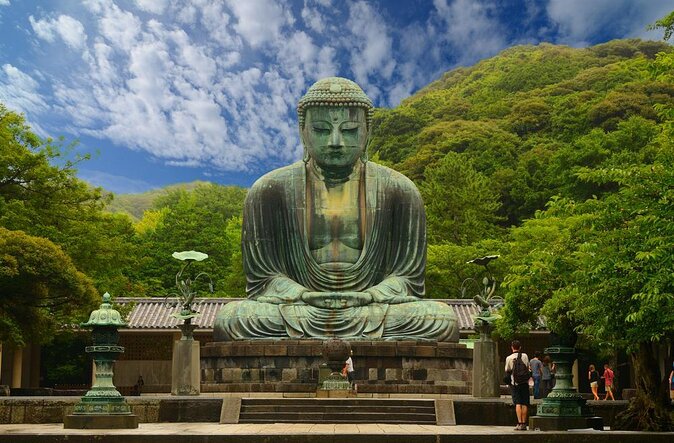
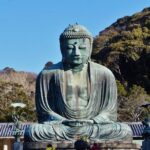
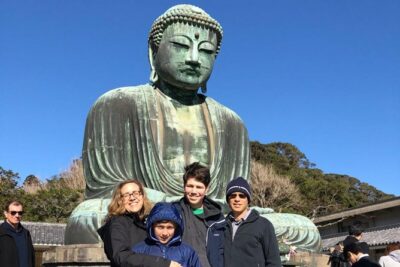
- Kotoku-in Great Buddha, with the unusual option to climb inside the statue
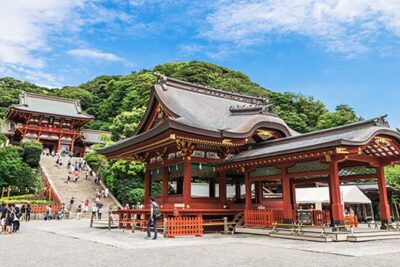
- Tsurugaoka Hachimangu, a major shrine tied to Kamakura’s warrior-era momentum
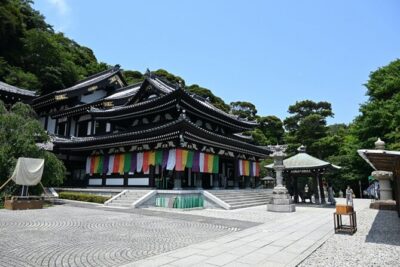
- Hasedera Temple, known for the eleven-faced Kannon and its flower garden (hydrangeas in June)
- Jomyo-ji Temple, built in 1188, with matcha tea and sweets
- Kamakura Komachidori, the main street for shops, stalls, and a seafood-friendly break
Why this Kamakura private custom tour works (and not just because it is private)
If you have ever tried to do Kamakura on your own, you know the problem fast. The big sights are real, but they do not sit in one neat cluster. One wrong bus, one slow transfer, and your day turns into a transit scavenger hunt.
This tour solves that with a simple approach: you ride public transport, and you do fewer stops with more attention. With a duration of about 7 hours and a schedule that realistically supports 3 to 4 sites, you get the feel of Kamakura instead of checking off names while rushing. Since it is private, the pacing can be adjusted to your energy level. If you want more time to look around a garden, or you want shorter temple breaks, your guide can generally steer the itinerary.
The best part for me is how practical it feels. You start at Kamakura Station, then you move through temples and shrine grounds that are historically central to the 12th century story of Kamakura, including its political role. The day is built around seeing, walking, and understanding, not just riding from one photo spot to the next.
You can also read our reviews of more private tours in Kamakura
Price and value: what you pay, what you still cover on your own
The tour is priced at $149.58 per person for about 7 hours, and it includes a lot of the “invisible” costs that add up when you plan yourself: an English speaking professional guide, plus the guide’s transportation, lunch fee, and any guide admission fees if applicable.
What is not included is equally important to know:
- Your local transportation fee in Kamakura (train and bus): ¥2,000 per person
- Entrance fees:
- Kotoku-in (Great Buddha): ¥200 per adult
- Hase-dera Temple: ¥300 per person
- Jomyo-ji Temple: ¥100 per adult (over 14), ¥50 for children under 15
So the real value question is whether you want to pay for guidance and time efficiency. For Kamakura, that often makes sense. A guide helps you move through a temple and shrine day in a way that fits public transportation schedules, and you avoid the mental load of figuring out which stop connects where next.
If you are traveling as a small group or you care about the story behind what you are seeing, this price usually feels fair once you compare it with the cost and stress of self-planning.
Meeting point and timing: start at Kamakura Station, finish where you began
You meet at Kamakura Station 1-chōme-1-15 Onarimachi, Kamakura, Kanagawa 248-0012, with a 9:00 am start. The tour ends back at the meeting point. That matters because Kamakura is not hard to reach, but it is easy to waste time drifting around without a plan.
The tour also notes that it is near public transportation and that you should have moderate physical fitness. In other words, you are not doing a hardcore hike, but you are walking from one temple or street to the next, plus riding buses and trains.
If you like a clean day structure, this one is built that way. You know the start, you know it loops back, and you know you will cover a realistic chunk of sights without sprinting.
Kotoku-in Great Buddha: the open-air statue, and the inside climb
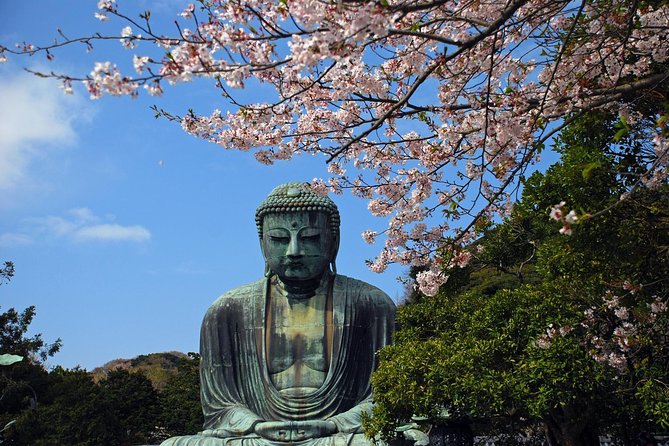
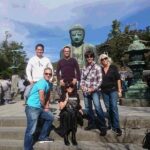
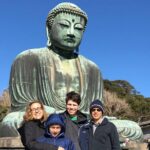
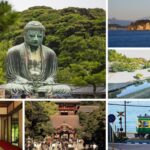
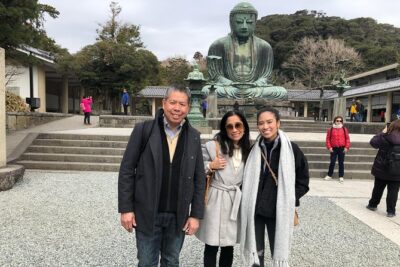
Your first major stop is Kotoku-in, famous for the open-air Great Buddha. This is one of those sights that can feel almost too simple until you see the scale in person. The statue sits in a way that makes it very different from a fully enclosed museum setup, so your sense of space changes as you approach.
Here is the detail I really like: you can climb inside the Great Buddha. The experience is compared to stepping inside the Statue of Liberty in the U.S., which is a helpful mental reference because it sets expectations for what kind of unusual access this is. That inside view is the sort of thing that turns a good photo spot into a memory you actually talk about afterward.
Entrance fees are not included for Kotoku-in: ¥200 for adults and ¥150 for elementary school kids. Budget for that, and it will feel like a smooth add-on rather than a surprise.
Possible drawback: because Kotoku-in is a top draw, you may find times when the area is busy. Going early in a structured itinerary can help you keep the day comfortable.
Tsurugaoka Hachimangu Shrine: Shinto drama, warrior-era influence
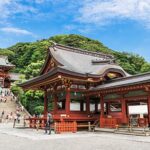
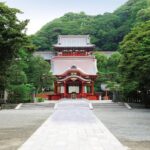
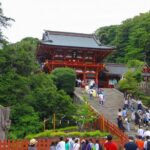
Next you visit Tsurugaoka Hachimangu Shrine, one of Japan’s most popular shrines. It started in the middle of the 12th century, and later, it gained even more significance through Kamakura’s rise as a political center.
The key story point is how closely this shrine is tied to the era of Minamoto power. The guide frames the setting in terms of Kamakura’s shift to a place where warriors shaped national direction. If you are curious about why certain shrines feel like more than religious sites, this stop helps you see how architecture and ritual spaces connect to real political momentum.
The itinerary lists about 1 hour here, and that is a good length. You get enough time to walk around, take in details, and understand the layout without feeling like you are rushing through.
Entrance fees are not included at this stop, which is common for major shrine grounds.
Hasedera Temple: eleven-faced Kannon and garden time that feels earned
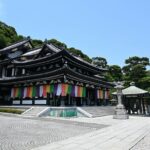
Then it is Hasedera Temple, known for the eleven-faced statue of Kannon. Kannon is described as the Goddess of Mercy, saving people from sufferings. Even if you do not go deep into theology, the concept is approachable because it is simple and human: compassion, relief, and protection.
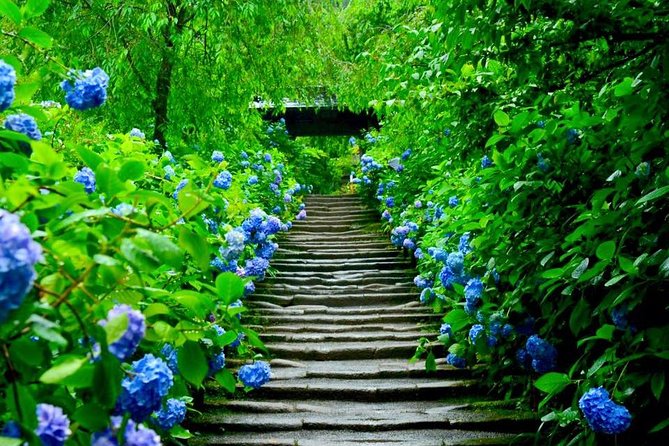
Hasedera is also where the day gains a different texture, thanks to its flower garden. The garden highlight noted here is that in June, you may see hydrangeas. If your trip overlaps that season, it adds a very visual layer to the temple visit. If it is not June, you still get the garden setting, just with different plant timing.
The time allotment is about 1 hour 30 minutes, which gives you breathing room for both the main temple highlights and the garden area. If you feel a bit tired from walking between sites, this is the stop where you can slow down and let the pace return to normal.
Entrance fee is ¥300 per person and is not included in the tour price. Plan on paying on site.
Jomyo-ji Temple: a built-in 1188 timeline, plus matcha and sweets
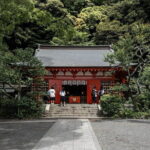
After Hasedera, the itinerary shifts to Jomyo-ji Temple, built in 1188. It is described as one of the fifth great Zen temples, which is a useful label because it places the temple in a wider ranking story rather than treating it as a random stop.
This is also the stop with a tangible comfort factor. The itinerary says you can have Japanese powdered green tea (matcha) with sweets here. Even if you are not a tea person, this can be a smart reset. Temple days can blur together, so a break like this gives your legs and your brain a chance to catch up.
Admission fees are also given:
- ¥100 per adult (over 14)
- ¥50 per child (less than 15)
Stop length is around 1 hour. That feels right for a Zen temple setting, where you often want enough time for quiet moments but not so much that the day drags.
Kamakura Komachidori: when your tour turns into a street-level lunch break
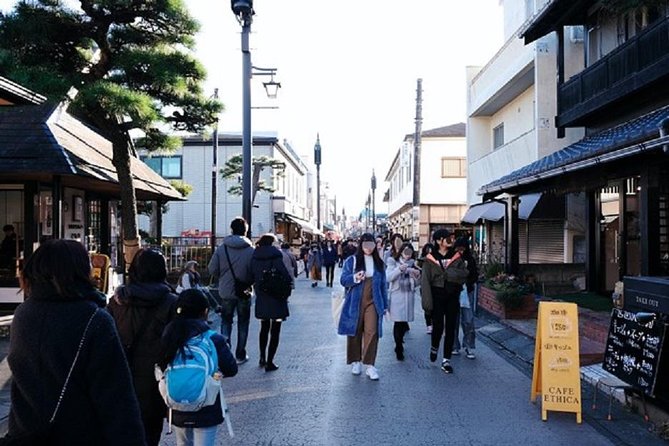
The final stop is Kamakura Komachidori, the main street. This is where the day turns from formal temple grounds into everyday Kamakura life: shops, stalls, and restaurants.
Because Kamakura is close to the sea, the street is also framed as a good place for seafood restaurants. If you are hungry and want something that feels local without overthinking it, Komachidori is a practical place to land.
You might also enjoy browsing for food snacks and simple souvenirs, since street shopping is part of the Kamakura rhythm. The itinerary notes that it is said vegetables harvested in the area are tied to this street culture, so you may find local produce and food items depending on season and what vendors are doing.
This stop is about 1 hour. Use it wisely: if you want a real meal, aim for a sit-down option quickly after arriving. If you mainly want something light, snack early and then browse while you digest.
Guide quality: why Akira and Nobuo Kono matter to your comfort
Here is what really lifts this kind of tour above a basic checklist: how your guide handles your pace and questions.
One guide named Akira is described as attentive to needs, kind, and able to explain the areas visited clearly and comfortably. Another named Nobuo Kono is described as very informative, with strong knowledge of the sites and their history. Even without getting into every detail, those two comments point to the same practical advantage: you are not stuck guessing what you are looking at.
In real life, that matters. Temples and shrines can look similar if you do not know what you are seeing. A good guide helps you notice the right things: key structures, why one place gets more attention than another, and what to look for as you walk.
Since the day uses public transportation, the guide also reduces friction. They help you avoid spending your energy figuring out connections, which means you actually have energy to look around.
How to pace your day inside 7 hours
With four main stops plus Komachidori, your time management is built in. Still, you can make it even easier on yourself by thinking about your energy before the tour starts.
- Wear shoes you trust. Temple steps and street surfaces add up.
- If you want photos, decide when you do it. Quick shots during transitions keep you from running late at the main spots.
- Plan for the fact that you will pay some entrance fees on your own, plus the train and bus cost. Once you accept that, the day feels straightforward.
Also, this is a custom tour. The itinerary is arranged depending on your interests and needs. If you care most about Buddhist art, you can spend extra attention on the Great Buddha and Kannon at Hasedera. If you care more about religion and warrior-era symbolism, lean into Tsurugaoka Hachimangu and Jomyo-ji.
Who should book this Kamakura private custom tour
This tour is a great match if:
- You want a private guide and a more personal pace
- You prefer using trains and buses instead of worrying about navigation
- You care about history enough to understand what you are seeing, but you do not want a lecture-only day
- You like a plan that realistically targets 3 to 4 major stops rather than trying to do everything
It is also ideal if you want a day with structure but still feel free to adjust. If your group has different interests, a custom format is a smart way to keep everyone satisfied.
Should you book this Kamakura private custom tour?
I think you should book it if you want Kamakura without the stress tax. The big sights are meaningful, and the best advantage is that the tour uses public transport with a guide who helps you keep a sensible flow. That means you get more seeing time and less time figuring out what comes next.
Skip it, or consider other options, if you are the kind of traveler who hates paying entrance fees on top of a tour price. Also, if your stamina is low, the combination of walking in temples and moving between stops could feel like too much, even though the day is designed for moderate physical fitness.
If you want a well-paced Kamakura day anchored by Kotoku-in, Tsurugaoka Hachimangu, Hasedera, and Jomyo-ji, with Komachidori as your street-level wind-down, this tour is a strong choice.
FAQ
How long is the Kamakura private custom tour?
The tour duration is about 7 hours.
What is the meeting point and where does the tour end?
You meet at Kamakura Station 1-chōme-1-15 Onarimachi, Kamakura, Kanagawa 248-0012, Japan. The tour ends back at the meeting point.
What sights are included in the itinerary?
The itinerary includes Kotoku-in (Great Buddha of Kamakura), Tsurugaoka Hachimangu Shrine, Hasedera Temple, Jomyo-ji Temple, and Kamakura Komachidori.
Are entrance fees included in the tour price?
Entrance fees are not included. Kotoku-in is listed at ¥200 for adults, Hase-dera Temple is ¥300 per person, and Jomyo-ji Temple is ¥100 for adults (over 14) and ¥50 for children (less than 15).
How much is local transportation in Kamakura?
Your transportation fee in Kamakura (train and bus) is ¥2,000 per person.
Is this tour private?
Yes. It is a private tour, so only your group participates.
What is the cancellation policy?
Free cancellation is available. You can cancel up to 24 hours in advance of the experience start time for a full refund.
More Private Tours in Kamakura

More Tours in Kamakura
More Tour Reviews in Kamakura
Not for you? Here's more nearby things to do in Kamakura we have reviewed


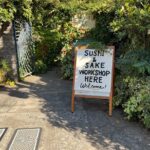
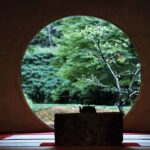
Kamakura Day Trips, side by side.
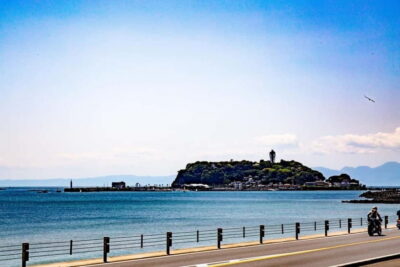 ★ 4.5Kamakura & Enoshima Day Trip including Temple TicketsFrom $581,375 reviews
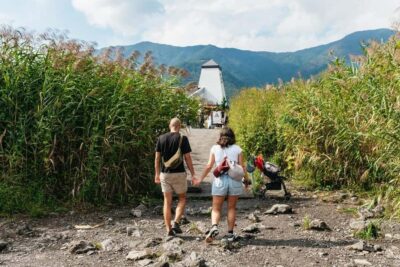 ★ 4.5Mt. Fuji, Kamakura, Big Buddha, & Lake Ashi Day TripFrom $49867 reviews
 ★ 4.5From Tokyo: Kamakura & Enoshima 1-Day Bus TourFrom $66189 reviews
 ★ 5.0Kamakura Historical Walking Tour with the Great BuddhaFrom $98129 reviews
 ★ 5.0Kamakura Private Tour: Temples, Nature, and the Great BuddhaFrom $98121 reviews
 ★ 5.0Kamakura Walking Tour – The City of ShogunFrom $35100 reviews
 ★ 5.0Kamakura 8 hr Private Walking Tour with Licensed Guide from TokyoFrom $20180 reviews
 ★ 4.1Kamakura & Enoshima Day Tour with Pickup & Train RideFrom $1361 reviews
This tour also belongs to