
Review · TOKYO TEA & SAKE EXPERIENCES
Tea Ceremony Workshop in Tokyo by the Experienced Instrucor
Quiet tea practice in loud Tokyo.
This Tokyo Chado workshop feels like a small pause button, because you learn the actual flow of serving tea as both host and guest, not just watch from the sidelines. I especially liked two things: the welcome Sakura tea ritual and the hands-on matcha lesson where you make your own thin usucha and taste the stronger koicha style.
One thing to plan for: the tea room is on the second floor of an older Japanese house, with a steep staircase and no assistive equipment. If stairs are a problem for you, this is the main drawback to weigh before booking, and you will also need socks since bare feet are not allowed.
Key Highlights You Will Actually Use
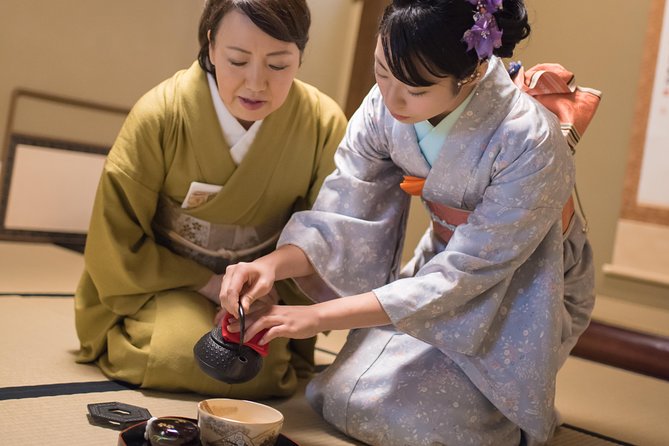
- Urasenke-licensed training from Kyoto, taught in Tokyo (Chado basics you can trust)
- Sakura tea welcome to set the tone right away
- Koicha performance and tasting, including the strong, traditional style
- Hands-on usucha making with guidance, plus matcha powder basics
- Tatami etiquette without stress, seiza is optional and chairs can be provided
- Small-group format (maximum 6 people), which makes it easier to ask questions
Finding The Right Room In Asakusa, Then Slowing Down
Most Tokyo tea experiences are either a quick show or a long, formal ceremony. This one lands in a sweet spot: about 1 hour 30 minutes of structured practice, with enough time to taste, learn the meaning, and still sit down for a real moment of calm.
You’ll start near public transportation in Asakusa, with the meeting point listed at 2-chōme-3-12 Kotobuki, Taito City. The workshop returns you to the same spot at the end, so you do not have to think about navigation afterward. The ticket is mobile, which is a small convenience but helpful when you are moving fast through the city.
And then there’s the space itself. The tea room is inside an old Japanese-style house built in the 1940s, and that matters. The staircase to the second floor is steep, and the host says they are not equipped to assist with going up. I’d treat that as the biggest “logistics reality check” for this experience.
More Tokyo tours and experiences for the shortlist



Chado 101: The 10-Minute Setup That Makes Everything Click
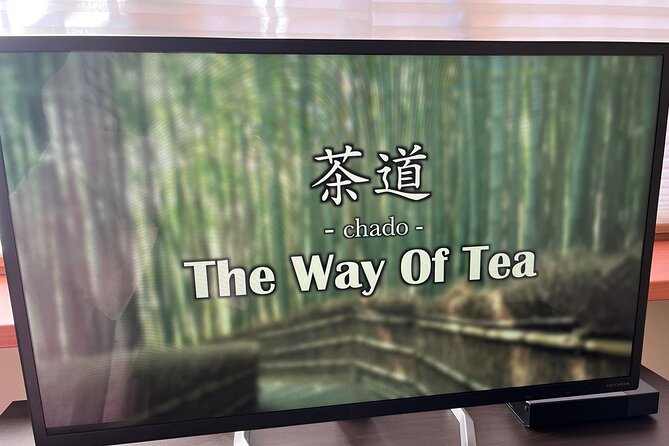
Before you touch any tea tools, you get a short introduction video (about 10 minutes) that covers the history and core ideas of Chado, the traditional Japanese tea way tied to Zen practice. This part matters because it turns matcha from a drink into a whole set of intentions: attention, respect, and timing.
Chado is not just a recipe. In a good session, you learn that every step has a purpose, from how you prepare to how you receive the bowl. That comes through in the rest of the workshop, where you practice serving in the roles of both host and guest. It’s also why the experience tends to feel calmer than a typical “activity class.”
Sakura Tea Welcome: A Small Ritual With Big Payoff
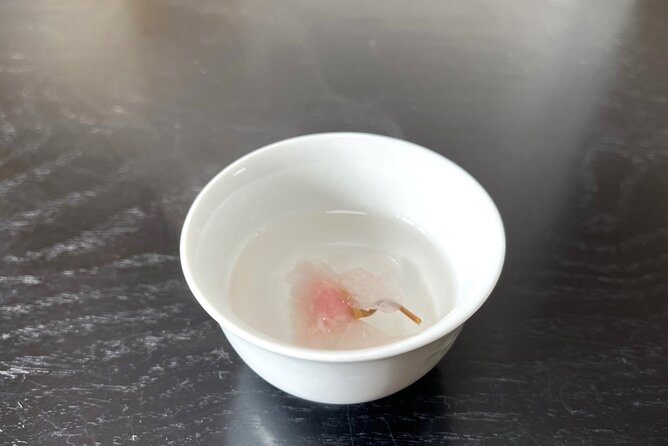
Right after the introduction, you’ll be served Sakura tea as a welcome drink. It’s a gentle start, and it also functions like a warm-up for the senses. In a short workshop like this, that first cup helps your brain switch gears. Instead of thinking matcha as something trendy, you start seeing it as part of a set ceremony rhythm.
I like this touch because it prevents the common problem with short classes: arriving, meeting the teacher, and jumping straight into the tools. Here, you slow down first, then you learn.
The Tea Room Moment: Tatami Etiquette Without the Fear Factor
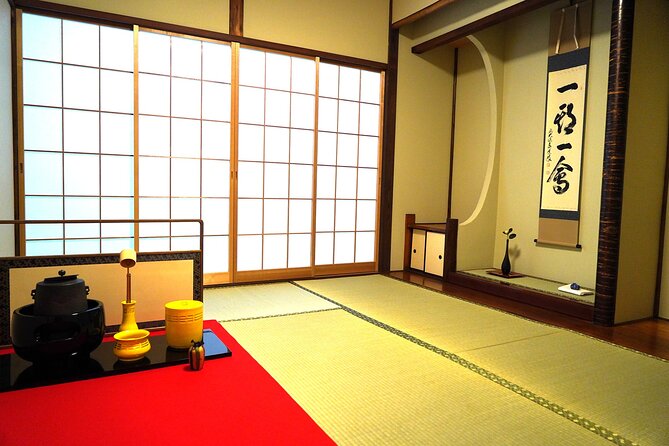
When you enter the tea room, you get a quick orientation about the tearoom space and the meditative pacing. There is a built-in moment of quiet time where the mundane affairs of the world are left behind, which is exactly what you want in a city trip.
Etiquette details are practical here, not theoretical:
- No bare feet in the tea room. Bring socks.
- You do not have to sit in strict seiza kneeling style on tatami-mats.
- If you cannot sit on the tatami in any way, you can be provided a chair.
That last point is big. Many people worry that tea ceremony is “only for the flexible.” This setup removes that fear while keeping the experience respectful. Still, the second-floor location and steep stairs remain the one thing I would not ignore.
Dress code is also clear: miniskirts and tight pants are not recommended, and you should dress comfortably enough to sit and move carefully.
Koicha Ceremony: Watching, Then Tasting the Strong Stuff
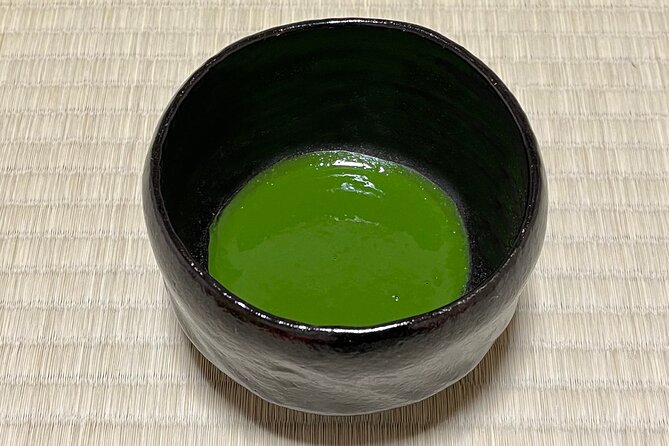
The workshop includes a formal performance for making koicha, the main matcha tea in the ceremony. Koicha is the thick, strong matcha style, and the session is designed to show you both how it looks in motion and what it tastes like in your mouth.
What you do in practice:
- You watch the ceremony steps.
- You learn the meaning behind the process.
- You then taste the koicha.
The materials also include a nod to tradition, since koicha is described as the original form drunk by samurai. Even if you do not care about the historical angle, tasting koicha is valuable because it sets a baseline for what people mean when they talk about matcha quality and intensity.
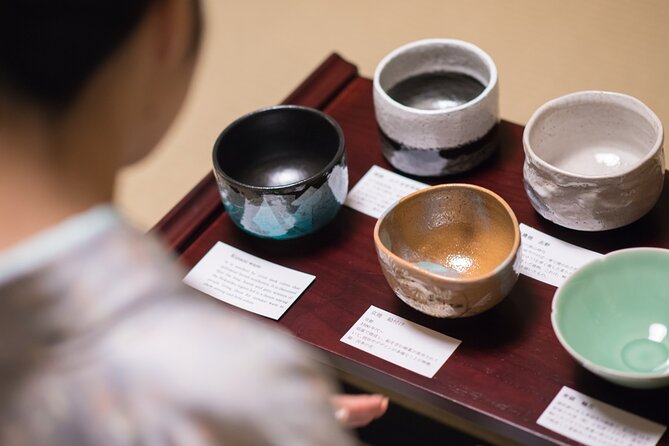
Right after that, you also learn about tea bowls from different regions. You get the idea that shape affects your experience, because the bowl influences how the tea releases aroma and how you hold the cup. It’s a neat detail that makes the whole ceremony feel more specific and less generic.






Hands-On Usucha Making: Thin Matcha, Thick Foam, Real Skill
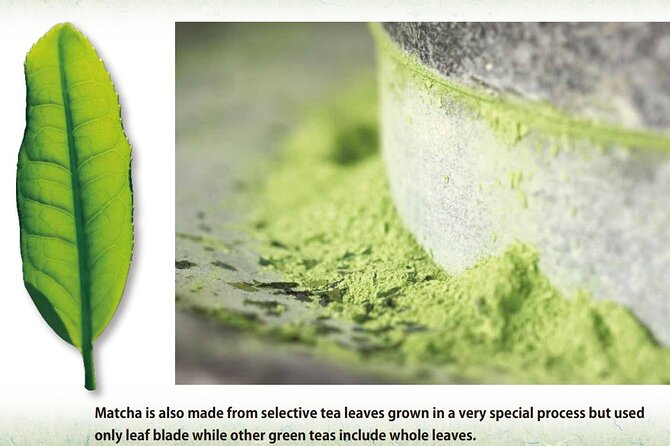
Then you switch gears to the part most people remember: making your own usucha.
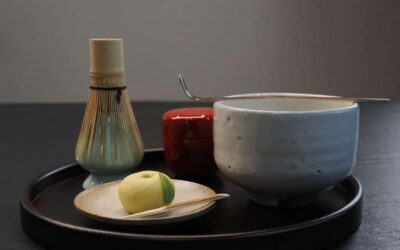
Usucha is the thin matcha style, and you’ll see the thick foam on top when it is prepared well. Before the drinking part, you’ll enjoy dry sweets and then return to the tools for your hands-on step.
The lesson is set up so you can follow along and not just copy movements. You learn about matcha powder itself, then you make your bowl of usucha with guidance. You also taste it as the workshop’s final “checkpoint,” so you understand what you did and whether it matched the intended style.
I like that this is not a “watch one performance, then get a sip.” You actually practice a key part of the process. For most people, that turns matcha from something you buy in a shop into something you can reproduce at least on a basic level back home.
Price and Value: Why $38.47 Feels Fair Here
At $38.47 per person, this workshop sits in the “affordable special experience” range for Tokyo. You are not paying for a big-city museum ticket or a full-day guided tour. You are paying for a small-group, structured class inside a licensed-style Chado setting.
What makes the price feel reasonable for the money:
- You get both tasting (koicha and usucha) and making (hands-on usucha)
- You get a classroom-style intro (the video) plus a real tearoom setting
- The group size is capped at 6, which usually means more direct attention than larger group formats
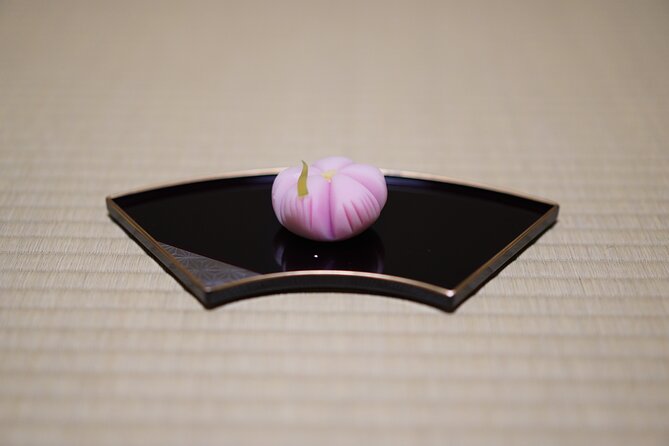
- You also get multiple tea-related moments, including bowl info and matcha powder basics, plus traditional confectionery
If you only wanted one quick cup, you could do that on your own. But if you want the steps, the etiquette, and a chance to practice, this price feels like it hits the right balance.
Time, Pace, and Your Best Booking Strategy
This experience is flexible. You can choose from multiple workshop times to match a busy schedule, which matters in Tokyo where plans change often. The whole session runs about 1 hour 30 minutes, so it works well as a midday break between Asakusa wandering and your evening plans.
One scheduling detail to keep in mind: the house has a weight capacity, and even if the session shows a group size limit, the host may ask your group to change the time schedule to stay within safe limits. It’s not meant to be a nuisance, but it is a good heads-up if you are booking for a group with multiple adults and want one exact time.
Who Should Book This Tea Ceremony Workshop
This is a great fit if you want a short, structured introduction to Chado that includes practical participation, not just viewing. It’s also designed for ages 10 and above, which makes it a possible family option for older kids who can handle sitting and quiet time.
It’s especially well-suited for couples and small groups who enjoy slow cultural activities and are okay with etiquette rules like socks and no bare feet.
Who might want a different option: anyone with mobility limits that make steep stairs risky. The host notes they are not equipped to assist with going up to the second floor.
Should You Book This Tokyo Tea Ceremony Workshop?
Yes, if your goal is a calm, hands-on matcha and Chado experience in a small group. The combination of Sakura tea, koicha performance plus tasting, and then making your own usucha is a strong learning mix for the time.
Before you book, check your comfort level with the setting: second-floor steep stairs, socks required, and older-house constraints. If those logistics work for you, this workshop is one of the most practical ways to understand why tea ceremony is still practiced today, not just performed for tourists.
If you want a cultural activity that leaves you with real skills, a new appreciation for matcha, and a quieter brain for the rest of your day, this is a solid choice.
FAQ
Where does the workshop start?
It starts at 2-chōme-3-12 Kotobuki, Taito City, Tokyo 111-0042, Japan, and the activity ends back at the meeting point.
How long is the Tokyo tea ceremony workshop?
The duration is about 1 day 1 hour 30 minutes.
Do I need socks in the tea room?
Yes. Socks are required in the tea room, and bare feet are not allowed.
Is seiza (kneeling on tatami) required?
No. You do not have to sit in the seiza kneeling style on tatami-mats. If you cannot sit on tatami in any way, a chair can be provided.
What is the minimum age to join?
The workshop is designed for participants age 10 and above.
What tea and sweets will I experience?
You will have Sakura tea as a welcome drink, taste koicha, and then make and drink usucha. You’ll also enjoy Japanese confectionary, including a traditional confection and dry sweets before drinking usucha.
More Workshops & Classes in Tokyo

More Tour Reviews in Tokyo
Not for you? Here's more nearby things to do in Tokyo we have reviewed










Tokyo Tea & Sake Experiences, side by side.
 ★ 5.0Traditional Tea Ceremony with a Tea MasterFrom $38528 reviews
 ★ 5.0Sake Tasting Masterclass in Shinjuku (8+ Varieties with a Pro)From $72271 reviews
 ★ 4.9Asakusa: Kimono Tea Ceremony with Matcha and SweetFrom $66153 reviews
 ★ 4.9Tea Ceremony Experience in a Private Tea Room in ShibuyaFrom $30125 reviews
 ★ 4.7Practicing Zen with a Japanese Tea CeremonyFrom $63105 reviews
 ★ 5.0Matcha Kimono Tea Ceremony in TokyoFrom $59104 reviews
 ★ 4.9Tea ceremony experience in Japanese-style room 60minFrom $4586 reviews
 ★ 4.9Tsukiji: Outer Market Walking Tour & Sake Tasting ExperienceFrom $7081 reviews
This tour also belongs to